
In this exciting episode of the We’re Not Stumped podcast, host Mike Bolland engages in an inspiring and insightful conversation with Daruma cast members John Lawson, Abigail Hawk, and Tobias Forrest. Daruma is a landmark film, being the first in American cinematic history to cast both lead actors with disabilities.
The film stars Tobias Forrest (a C-level quadriplegic), John W. Lawson (a double hand amputee), Abigail Hawk of CBS’s Blue Bloods, and Barry Bostwick (The Rocky Horror Picture Show). It tells a story everyone can relate to—one of friendship, fatherhood, and found family.
In the interview, Mike Bolland, who himself has a limb difference, explores with the cast how Daruma tackles often-overlooked themes, such as the humor, resilience, and humanity within stories of disability. Together, they discuss how the film industry is evolving and the essential role that actors and storytellers with lived experiences play in this progress. John, Tobias, and Abigail share personal anecdotes from the set, reflecting on the power of genuine representation and the impact they hope the film will have on audiences. From humorous behind-the-scenes moments to heartfelt reflections, this conversation brings out the passion and dedication behind Daruma.
The cast also touches on the barriers people with disabilities have encountered in the film industry and how Daruma signals a step forward toward inclusivity in Hollywood. They discuss the importance of normalizing disability representation, their journey to find roles that allow them to tell authentic stories, and how Daruma exemplifies a broader trend toward genuine, multifaceted portrayals of people with disabilities.
Whether you’re interested in film, advocacy, or powerful stories that challenge perceptions, this episode offers a thought-provoking look at the making of Daruma and the collective mission of its cast and crew to bring a more inclusive vision to the silver screen.
Don’t miss this enriching interview with John Lawson, Abigail Hawk, and Tobias Forrest as they share their journeys, insights, and the message of Daruma—a movie that celebrates resilience, friendship, and the power of embracing one’s identity. Tune in and be part of a conversation that champions representation and redefines what it means to tell a story from the heart.
More Info: https://www.darumamovie.com
#DarumaMovie #InclusiveCinema #DisabilityRepresentation #WereNotStumped #BehindTheScenes
Listen on Apple Podcasts
Watch on YouTube
Listen on Spotify
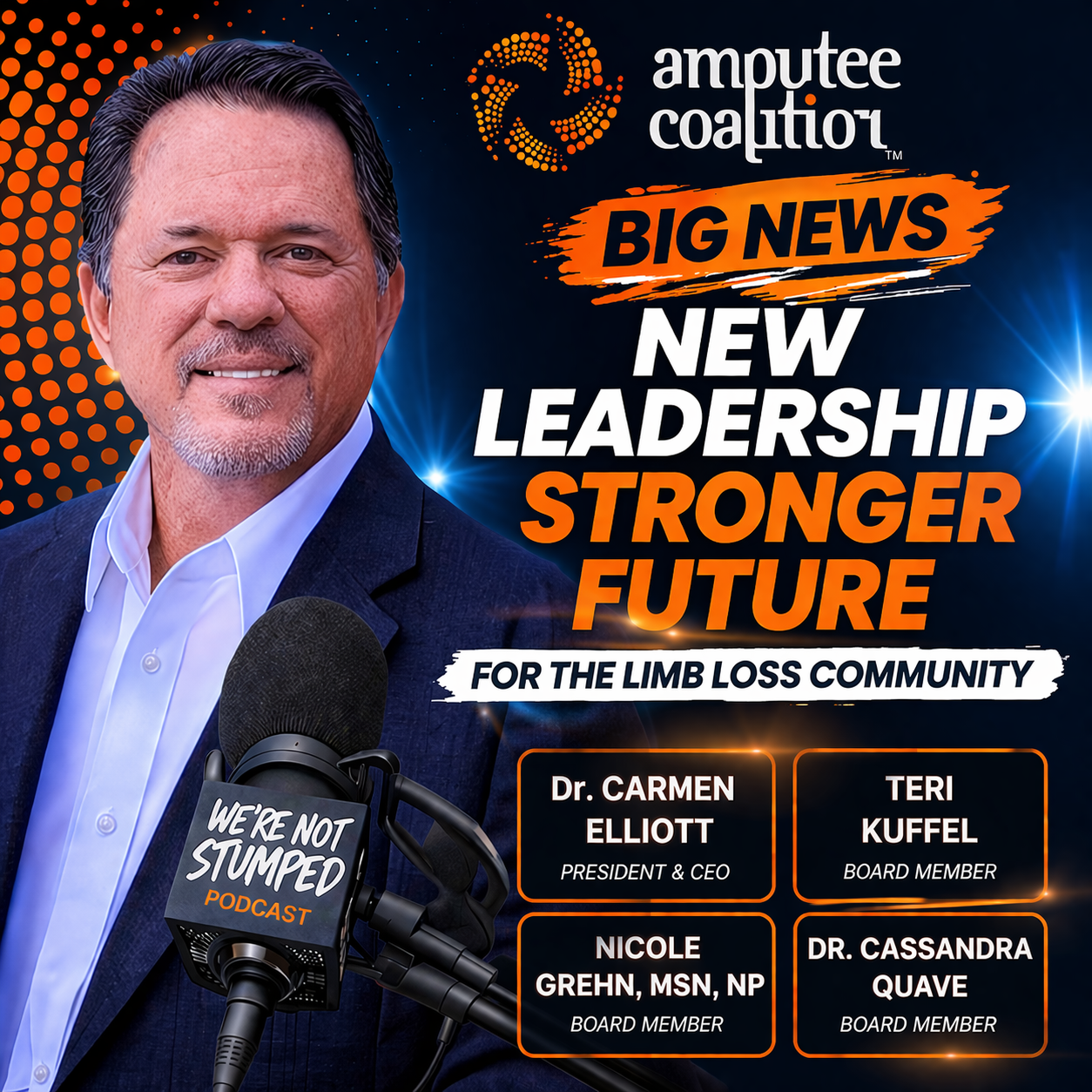
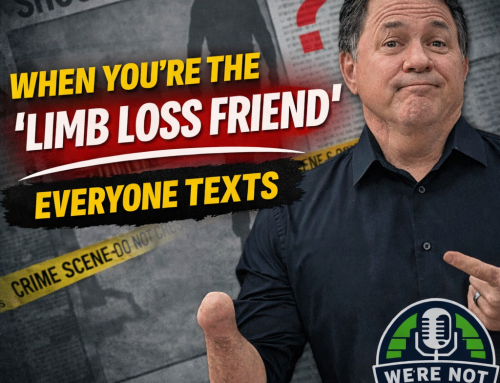
What do the new leadership changes at the Amputee Coalition mean for the limb loss community? In this episode of We’re Not Stumped, host Mike Bolland breaks down the latest updates, including the appointment of Dr. Carmen Elliott as President & CEO and the addition of new Board Members: Teri Kuffel Nicole Grehn, MSN, NP Dr. Cassandra Quave With backgrounds in healthcare, policy, research, and lived experience, this new leadership team brings a wide range of perspectives that could shape the future of care, advocacy, and support for people living with limb loss and limb difference.
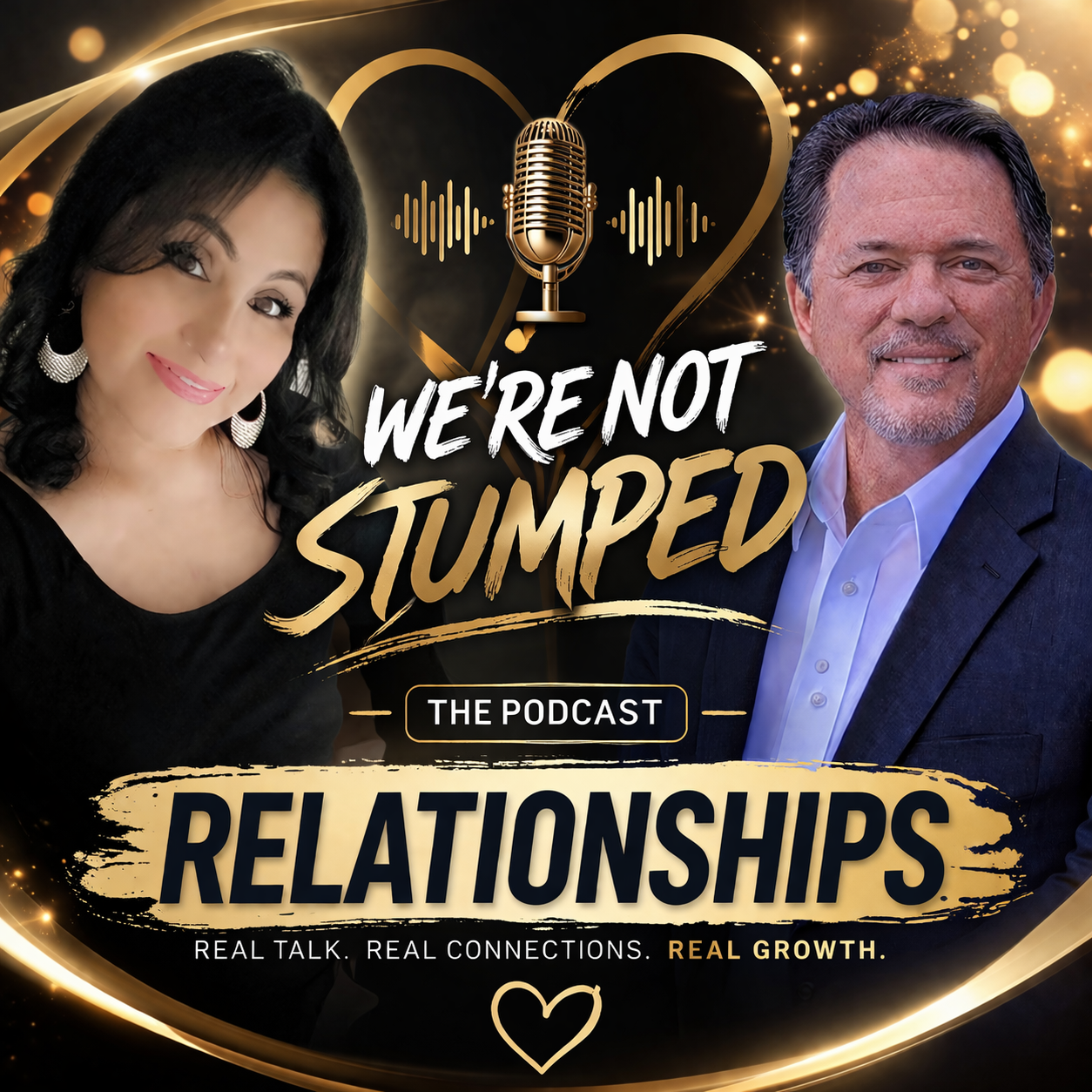
What is dating really like after limb loss? In this powerful episode of We’re Not Stumped, host Mike Bolland sits down with Neomi Flores to talk about relationships, confidence, and the realities of dating as an amputee. Neomi shares her deeply personal journey after losing her leg in 2022—including the emotional recovery, navigating self-confidence, and the challenges of putting herself back out there in the dating world.
What does real support look like in the limb loss community? In this solo episode of We’re Not Stumped, Mike Bolland shares the missions behind Joe & Marie’s Helping Hands and Enable Review—a platform where amputees share real experiences about prosthetists and clinics to help others make more informed decisions. Plus, Joe & Marie’s Helping Hands is currently seeking board members (Treasurer, Secretary, and Social Media Manager). If you’ve been looking for a way to give back, this could be your opportunity. Learn more about Joe & Marie’s Helping Hands: https://joeandmariehelpinghands.org/joe-and-maries-helping-hands-mission/ Explore Enable Review: https://enablereview.com/our-mission/
Leave A Comment