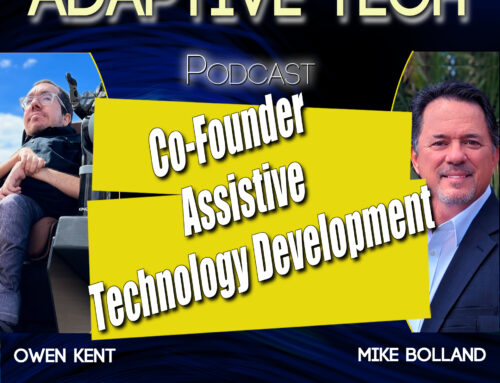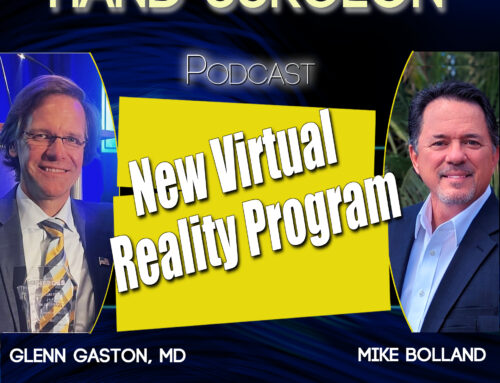
In this compelling episode of We’re Not Stumped, host Mike Bolland welcomes the incredible team behind the Hozhoni Foundation to share their inspiring mission and groundbreaking work. Joining Mike are CEO Antonia Klopstein, COO Lex Heerding, Employment Program Head Michele Eisenberg, and Art Manager Shay Vigil. Together, they discuss how the foundation empowers individuals with disabilities through innovative programs that promote independence, creativity, and community engagement.
The Hozhoni Foundation has been a beacon of hope and opportunity for decades, dedicated to improving the lives of individuals with intellectual and developmental disabilities. This episode delves deep into their holistic approach, combining employment programs, art initiatives, and personalized care to help individuals achieve their fullest potential. Antonia Klopstein and Lex Heerding explain the foundation’s long-standing commitment to fostering a supportive and inclusive environment where everyone can thrive.
Michele Eisenberg highlights the transformative impact of the Employment Program, which equips participants with essential skills and places them in meaningful jobs within the community. The program not only enhances independence but also fosters connections between participants and local businesses.
Art Manager Shay Vigil takes us inside the Hozhoni Art Studio, a vibrant space where creativity flourishes. Learn how art serves as both a therapeutic outlet and a powerful means of self-expression for the foundation’s participants. Shay shares heartwarming stories of artists who have gained confidence, recognition, and a sense of purpose through their work.
Throughout the episode, the Hozhoni team emphasizes the importance of celebrating every individual’s unique talents and abilities. They discuss the challenges faced by the disability community and how the foundation continues to adapt and innovate to meet evolving needs.
Whether you’re an advocate for inclusion, someone looking for inspiration, or simply curious about how organizations like Hozhoni make a difference, this episode offers valuable insights and heartfelt stories.
Learn more about the Hozhoni Foundation and how you can support their mission: https://www.hozhoni.com/
#HozhoniFoundation #DisabilityEmpowerment #Inclusion #ArtTherapy #EmploymentPrograms #Inspiration #WeAreNotStumped
Listen on Apple Podcasts
Watch on YouTube
Listen on Spotify
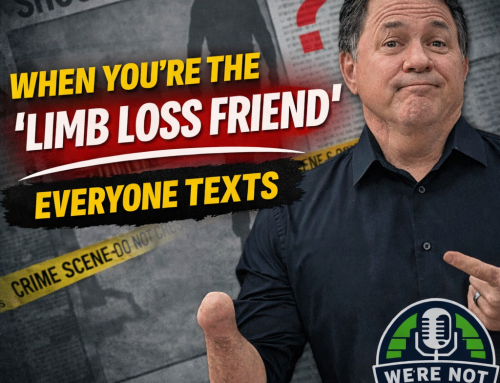
What happens when a story about limb loss hits the news—and suddenly everyone you know is texting you about it? If you’re part of the limb loss community, you already know. In this solo episode of We’re Not Stumped, host Mike Bolland dives into the experience of being “the limb loss friend”—the person others turn to when they don’t fully understand what they’re seeing but want to connect.
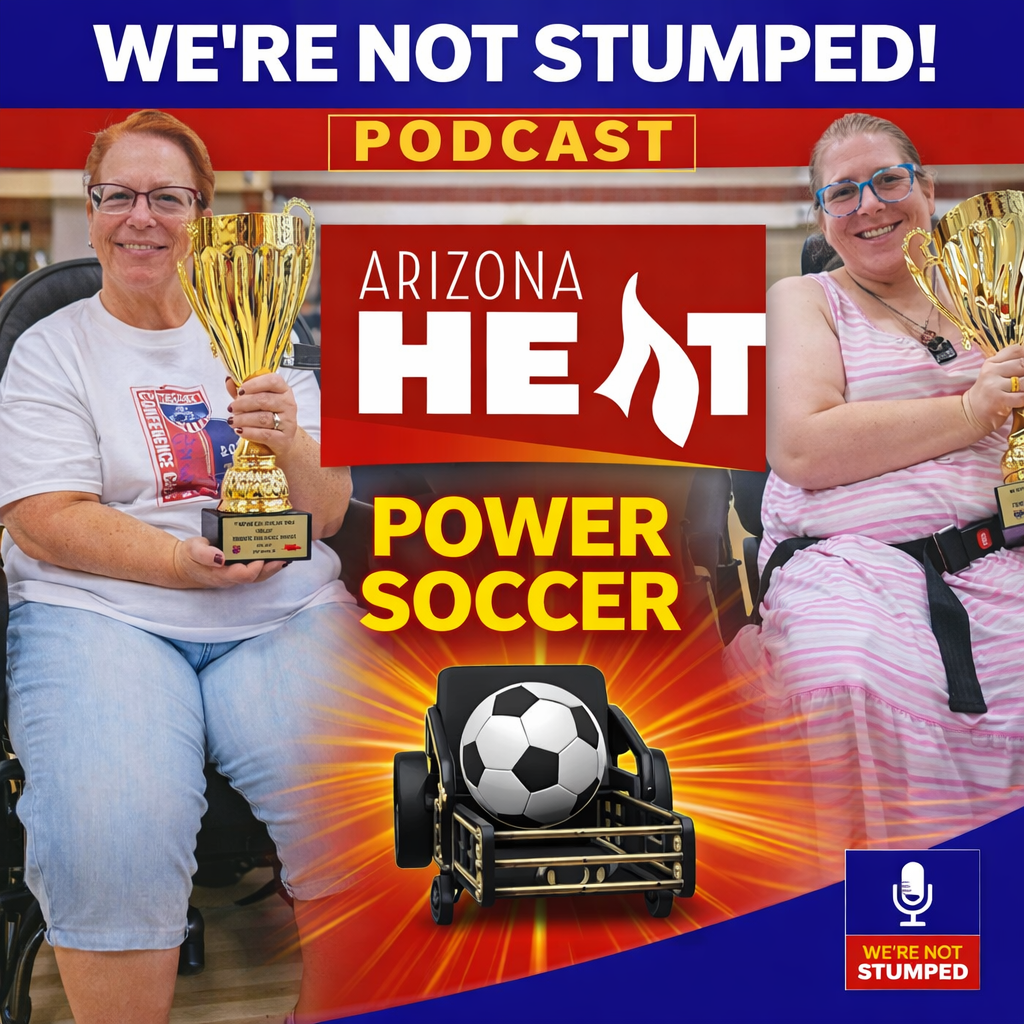
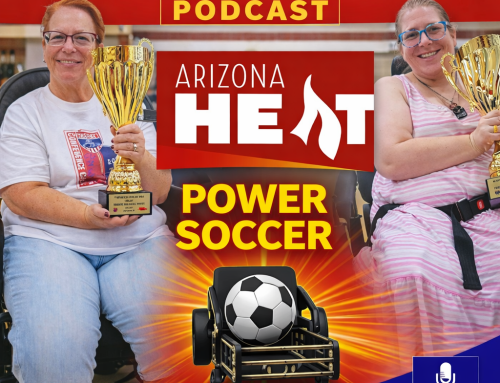
Stacy and Courtney Walker are proving that teamwork knows no limits. As the only known mother-daughter duo in wheelchair power soccer, they proudly represent Arizona Heat Power Soccer—competing, training, and pushing boundaries together on and off the court. Their journey is about more than just the game. It’s about resilience, family, and the power of adaptive sports to change lives. On this episode of We’re Not Stumped, host Mike Bolland sits down with Stacy and Courtney to share their story—how they got involved in power soccer, what it’s like competing side by side, and what being part of Arizona Heat Power Soccer truly means. Now, they’re working toward their next big goal: competing at Power Soccer Nationals.
What does it take to turn a life challenge into a lifelong passion for sports and coaching? On this episode of We're Not Stumped, host Mike Bolland talks with Marc Burkom, a double below-knee amputee born with fibular hemimelia who has built a life around athletics, coaching, and helping others reach their potential. Marc shares how his parents made the difficult decision to amputate his feet when he was just two months old — a choice that allowed him to grow up active in sports like soccer, baseball, and basketball. Today, Marc works in coaching education and advocates for expanding opportunities for adaptive and amputee athletes. In this conversation, Marc and Mike discuss growing up with prosthetics, the role sports played in building confidence, coaching amputee soccer, adaptive sports like amputee basketball, and how prosthetic technology has evolved over the years.