What does it mean to truly be heard when you can’t speak? Jessica Frew, a nonverbal actress, model, and passionate disability advocate, joins We’re Not Stumped to share her powerful story of living with cerebral palsy and using an eye gaze device to communicate—a technology she began using at just nine years old.
While Jess initially limited the device to school and close friends, she opens up about the emotional weight of using it publicly and the deeply personal regret of not speaking to her father through it before he passed away.
Over time, Jess found strength in her voice and now uses it to educate, advocate, and challenge misconceptions about nonverbal individuals. She speaks with host Mike Bolland about the common experience of being talked down to or ignored—and how she responds with patience, courage, and relentless advocacy.
Jess also talks about modeling with Runway of Dreams, pushing for more disability representation in fashion and entertainment, and fighting for real change in policy—from disability education in schools to raising income limits for Medicare. She introduces her book The Disabled, or the Nonverbal Princess and teases exciting upcoming projects, including a love story and a TV pilot about an inter-abled couple.
This is a story of voice beyond words, and of a woman determined to make sure others like her are seen, heard, and respected.
#DisabilityAdvocate #CerebralPalsyAwareness #NonverbalVoices #InclusionMatters #AdaptiveTechnology #RepresentationMatters #RunwayOfDreams #DisabilityRights #AuthenticRepresentation #WereNotStumped
Listen on Apple Podcasts
Watch on YouTube
Listen on Spotify
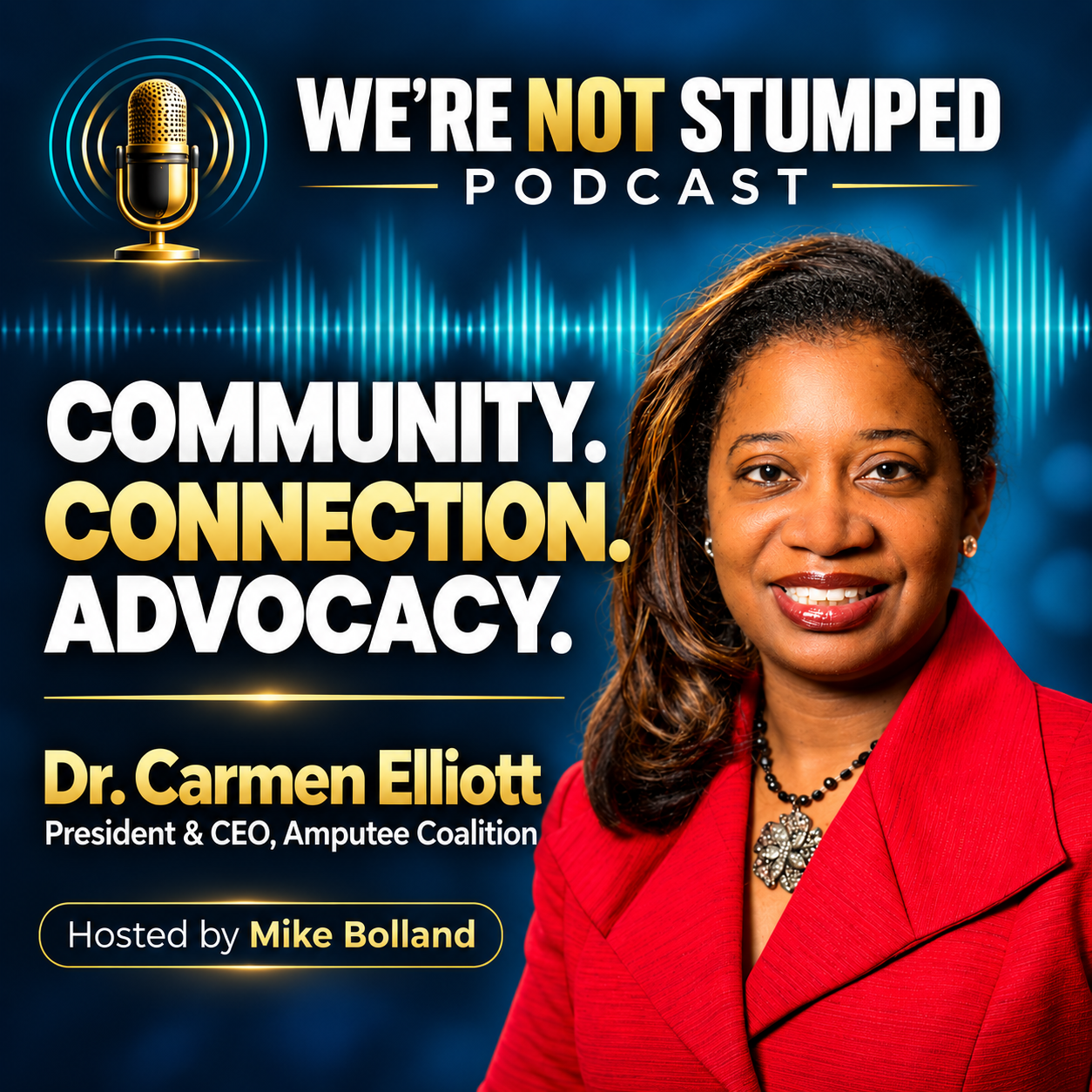
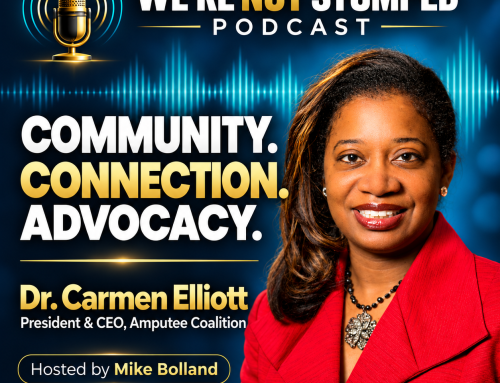
Dr. Carmen Elliott, the new President and CEO of the Amputee Coalition, joins Mike Bolland for a conversation about community, advocacy, and helping people with limb loss and limb difference find the support they need. Carmen shares how her family’s experiences with healthcare access and limb loss shaped her commitment to this work. Together, they explore the value of peer support, access to prosthetics, and including families and caregivers in the conversation. They also discuss support groups, certified peer visitors, AC Connect, and the upcoming “Fireside Connections” conference.
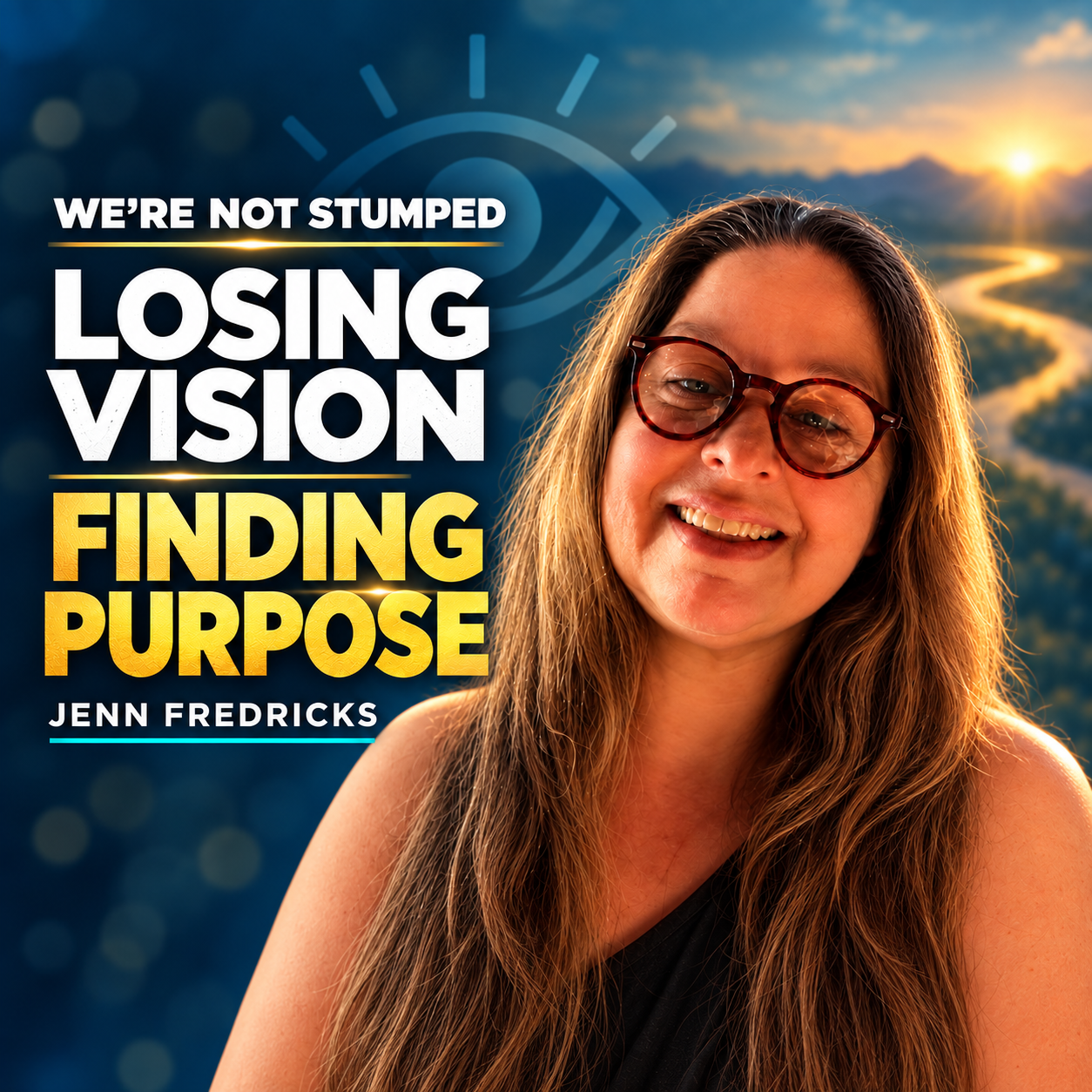
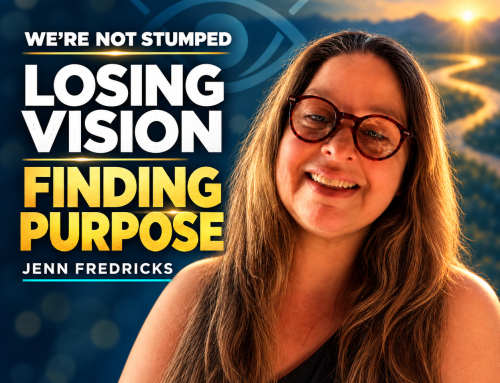
How do you move forward when vision loss changes your career, independence, and plans for the future? In this episode of We’re Not Stumped, Mike Bolland speaks with Jennifer Frederick about living with permanent vision loss and learning to advocate for herself along the way. Jennifer explains how changes in her vision eventually forced her to leave a career in crisis management. She also discusses the challenges she now faces while looking for work, including interview practices that have left her questioning whether she is being treated fairly as a person with a disability. The conversation explores Jenn’s decision not to undergo surgery for her detached retinas, the importance of seeking medical attention when your vision changes, and the need to take ownership of your healthcare.
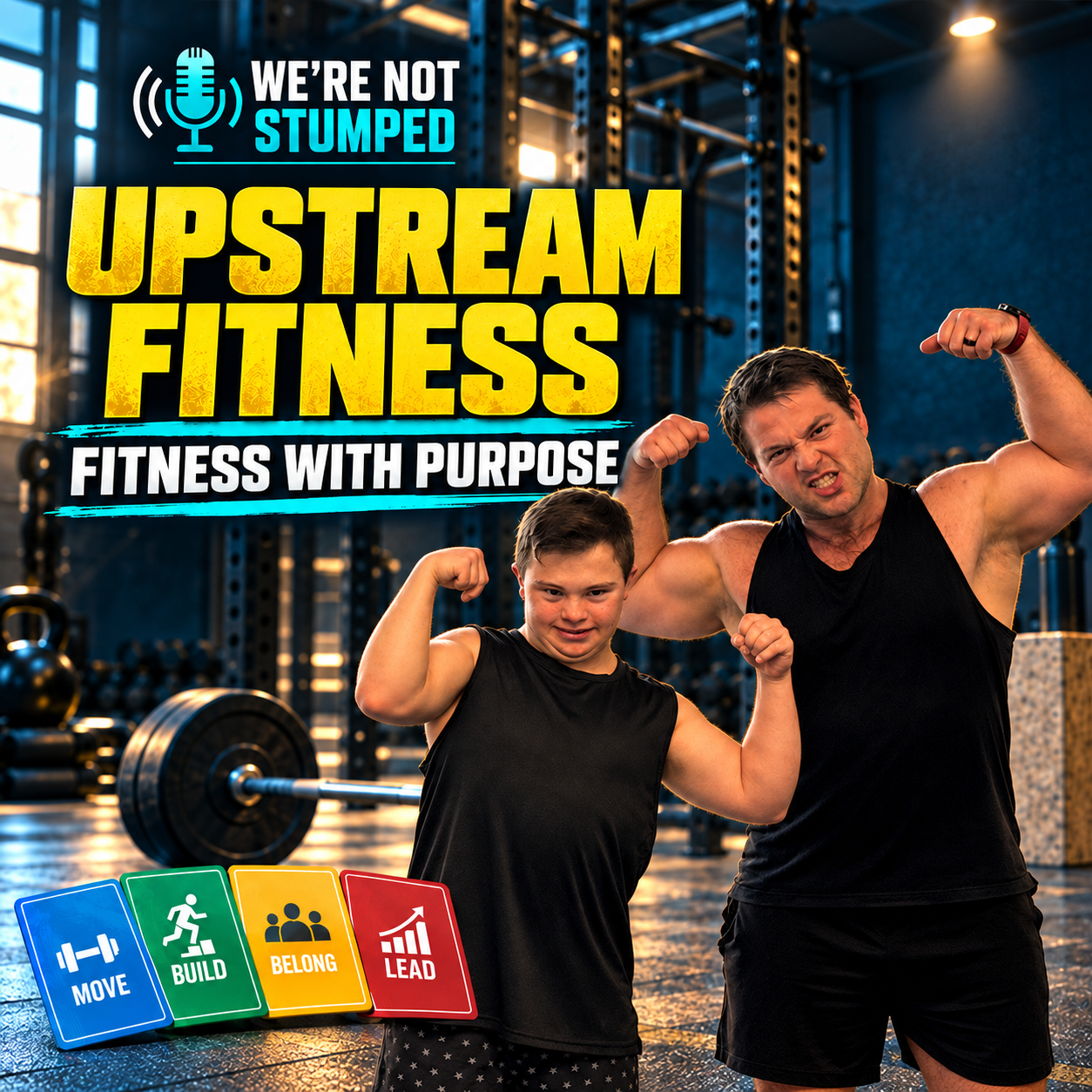
What happens when we stop deciding what someone is capable of—and give them the opportunity to lead? In this episode of We’re Not Stumped, Mike Bolland speaks with Nathan Kennedy of Upstream Fitness, Chris Kocurek, and Chris’s son, Coach Cameron “Coach Cam” Kocurek. Cameron, who has Down syndrome, began gymnastics as a child and went on to compete through Special Olympics and unified gymnastics. Today, he is using the confidence and skills he developed as an athlete to help coach others at Upstream Fitness. Nathan explains how Upstream Fitness uses movement, games, coaching cards, and step-by-step instruction to make exercise accessible for people with intellectual and developmental disabilities. Chris shares Cameron’s journey from athlete to assistant PE coach—and now toward meaningful employment and greater independence.