
Lower Limb Amputee Podcast
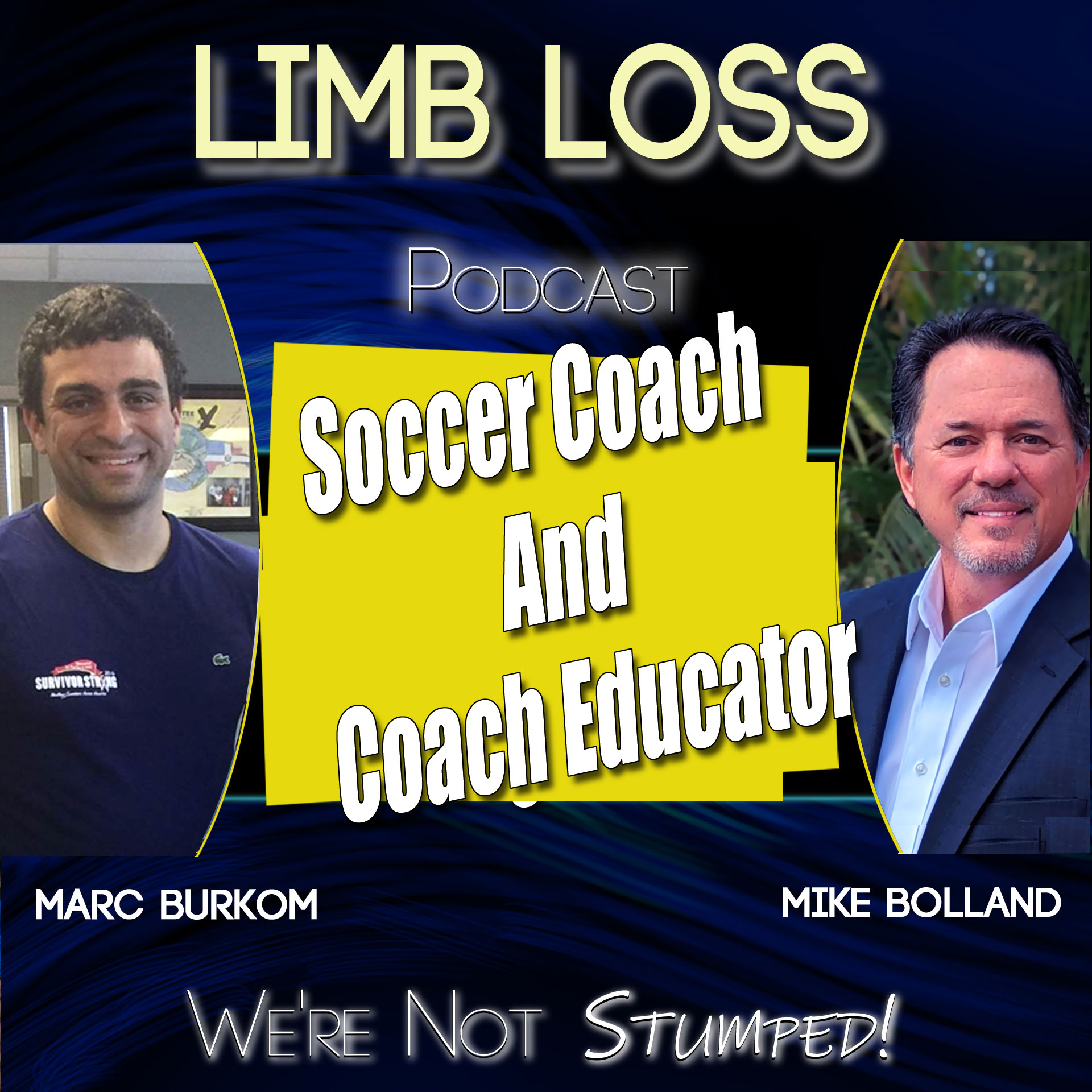
Marc Burkom on Sports, Coaching & Amputee Athletes
What does it take to turn a life challenge into a lifelong passion for sports and coaching? On this episode of We're Not Stumped, host Mike Bolland talks with Marc Burkom, a double below-knee amputee born with fibular hemimelia who has built a life around athletics, coaching, and helping others reach their potential. Marc shares how his parents made the difficult decision to amputate his feet when he was just two months old — a choice that allowed him to grow up active in sports like soccer, baseball, and basketball. Today, Marc works in coaching education and advocates for expanding opportunities for adaptive and amputee athletes. In this conversation, Marc and Mike discuss growing up with prosthetics, the role sports played in building confidence, coaching amputee soccer, adaptive sports like amputee basketball, and how prosthetic technology has evolved over the years.
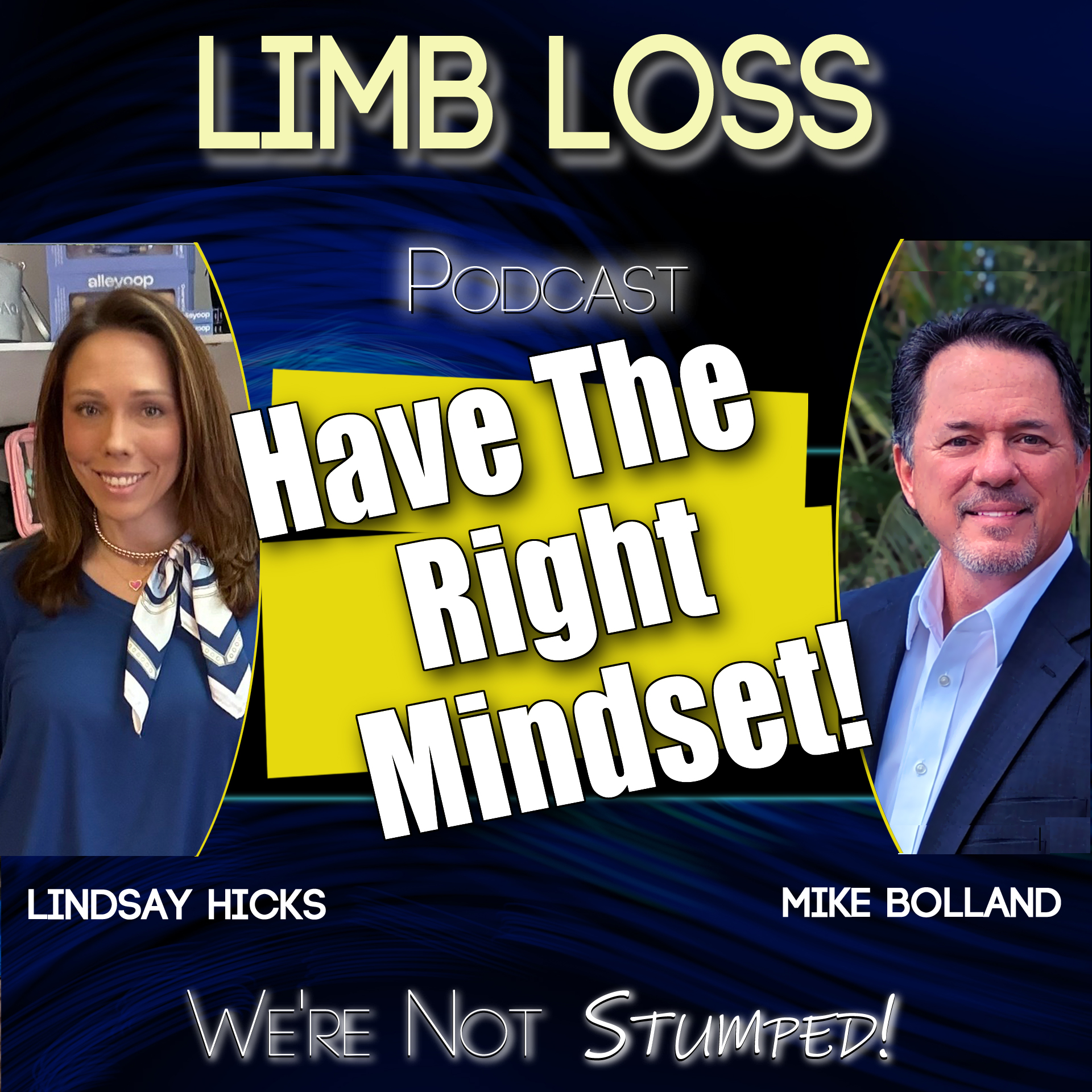
Choosing Amputation at 22: Lindsay’s Journey of Resilience, Faith & Recovery
In this powerful episode of We’re Not Stumped, Mike sits down with Lindsay Hicks to share her courageous decision to choose amputation at age 22 — and the emotional and physical challenges that followed. Lindsay opens up about navigating identity after limb loss, the support of her parents, and the mindset that helped her move forward. She shares how setting a goal to walk unassisted by Christmas gave her focus during recovery and how resilience continues to shape her life today. The conversation also explores her prosthetic journey, serious medical complications including liver failure and infection, and the determination that helped her regain mobility after two years on crutches.

From AMC to the Paralympics: Lera Doederlein’s Double AKA Journey
Lera Doederlein joins Mike Bolland on We’re Not Stumped to share a powerful story of choosing possibility. Born with AMC (arthrogryposis multiplex congenita), Lera grew up in Phoenix using braces and forearm crutches while navigating school, friendships, and the quiet realization that sports might look different for her. As a teenager, she made the bold decision to pursue double above-knee amputations in order to gain independence and improve long-term mobility—and it transformed her life. Lera walks us through the realities of recovery and physical therapy, learning to use prosthetics, and the moment a clinician pushed her beyond her comfort zone—encouraging her to run just a week after she started walking. She also shares why community matters so much, from Camp No Limits to Hanger events and amputee boot camps that helped her build confidence and momentum.
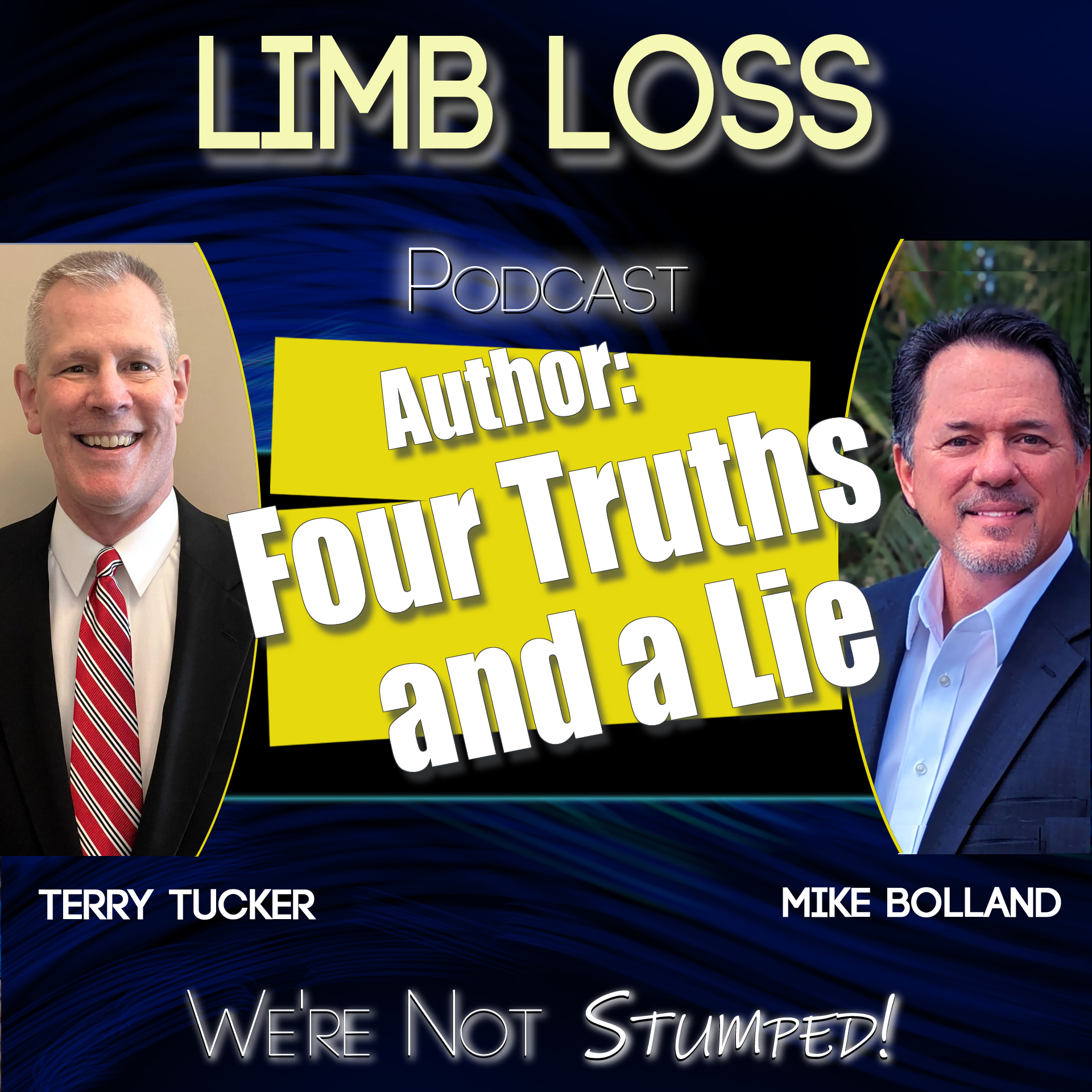
Four Truths and a Lie: Terry Tucker on Mental Toughness, Purpose, and True Success
In this powerful and reflective episode of We’re Not Stumped, host Mike Bolland welcomes Terry Tucker, author of Four Truths and a Lie, for a deep conversation about mindset, mental toughness, and what it truly means to live a significant life. Terry shares the philosophy behind his latest book, which challenges common definitions of success rooted in money, status, and material achievement. Instead, he invites listeners to rethink success through the lens of service, responsibility, and impact on others. At the heart of his message is one foundational truth: if you don’t control your mind, it will control you.
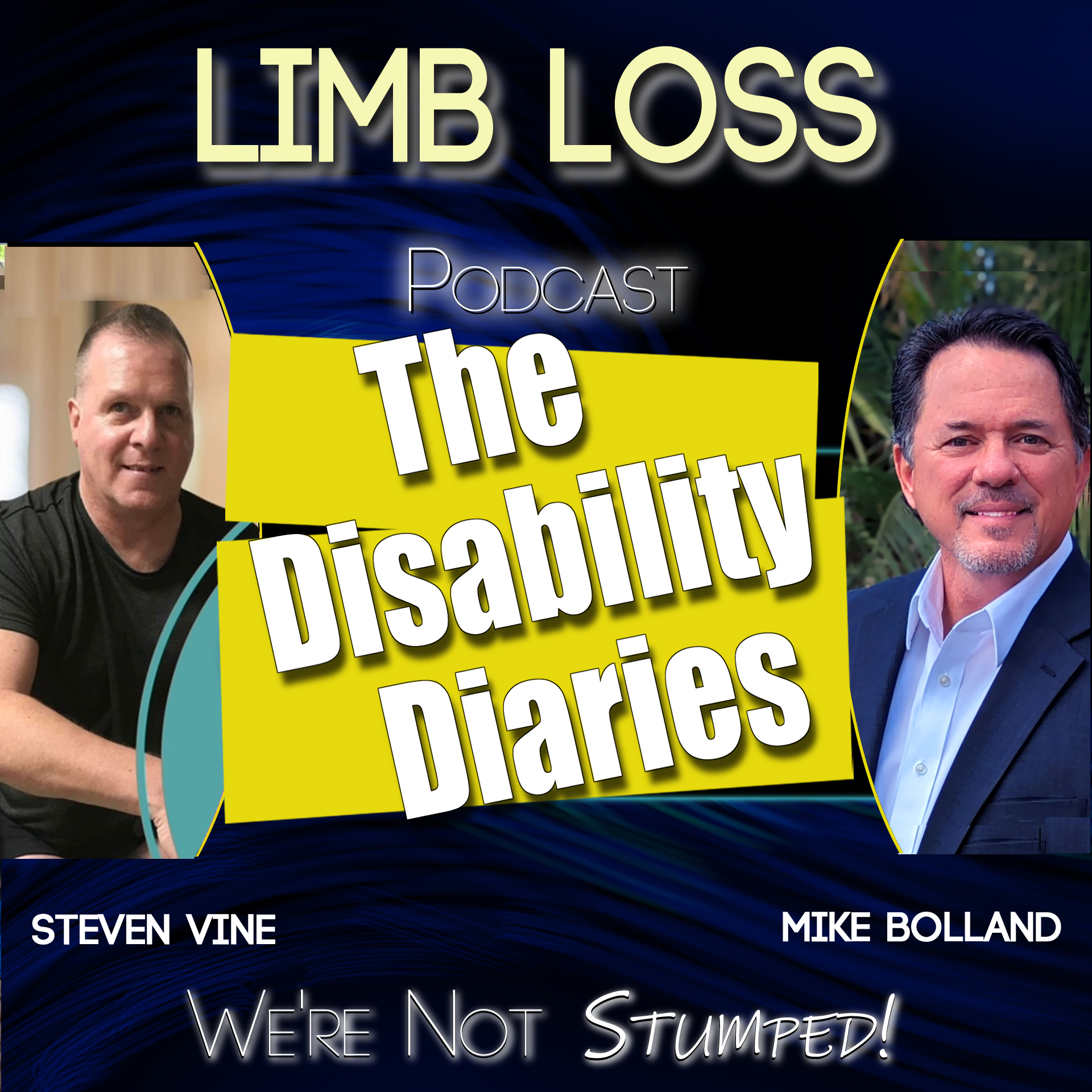
Steven Vine on Survival, Disability and Rebuilding Life
In this episode of We’re Not Stumped, host Mike Bolland welcomes Steven Vine for a raw and deeply honest conversation about survival and rebuilding life after everything changes. Steven shares how an undiagnosed genetic heart condition led to a sudden medical emergency in 2016, leaving him in a six-month coma. When he woke up, he was blind, a right above-knee amputee, living with an ostomy bag, and navigating chronic pain. Once a nationally ranked teenage track and field athlete who idolized Steve Prefontaine, Steven later owned and managed a fine dining Italian restaurant before his life was upended. In this episode, he reflects on depression, anger, opioid use and withdrawal, and the importance of caregiving support. Steven also explains how his journey inspired The Disability Diaries podcast and his upcoming memoir, Beyond These Green Eyes, offering hope through honest storytelling.
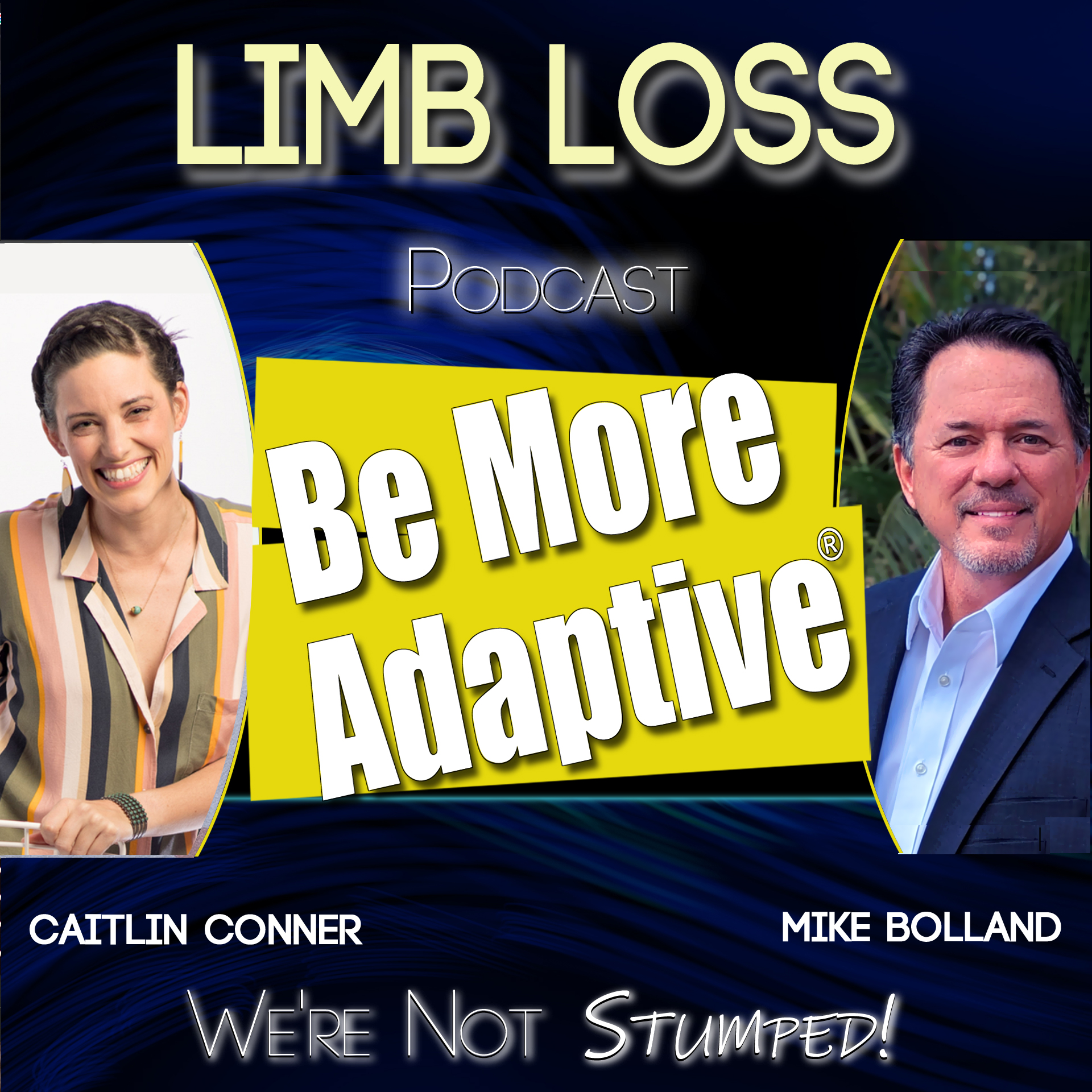
Be More Adaptive: Caitlin Conner’s Journey to Empowerment
In this inspiring episode of We’re Not Stumped, host Mike Bolland sits down with Caitlin Conner, founder of Be More Adaptive, to explore how she’s building a global hub for disability resources designed to empower people with disabilities to live fulfilling, confident, and sustainable lives. Caitlin shares her powerful journey — from surviving a life-changing motorcycle accident while pregnant to becoming a Paralympic-level athlete, model, and outspoken disability advocate. She talks candidly about adapting to life as an amputee, the importance of self-advocacy, and how adaptive sports helped her rebuild her identity, purpose, and strength.
About Lower Limb Amputees
“Lower limb amputees” are individuals who have undergone the surgical removal or have congenital absence of one or more of their lower limbs, typically the legs and feet. Lower limb amputations can occur for various reasons, including trauma, vascular diseases (such as diabetes-related complications), congenital conditions, infections, or other medical issues.
The level of lower limb amputation can vary, and terminology is used to describe the specific location of the amputation:
- Transfemoral (Above-Knee Amputation): This type of amputation occurs above the knee joint, resulting in the loss of the entire lower leg and foot.
- Transtibial (Below-Knee Amputation): In a transtibial amputation, the amputation takes place below the knee joint, preserving the thigh but removing the lower leg and foot.
- Syme’s Amputation: Syme’s amputation involves the removal of the foot at the ankle joint while preserving the heel pad. This type of amputation is relatively rare but can offer certain advantages for prosthetic fitting.
- Partial Foot Amputation: Some individuals may experience partial foot amputations, where only a portion of the foot is removed.
Lower limb amputees often require prosthetic limbs or devices to regain mobility and functionality. Prosthetic solutions for lower limb amputees are designed to compensate for the lost limb and help individuals walk, stand, and engage in various activities. These prosthetic devices can range from basic prostheses for walking to more advanced, computer-assisted prosthetic limbs that enable a higher level of mobility and adaptability.
Rehabilitation and support from healthcare professionals, including prosthetists and physical therapists, are essential components of the recovery process for lower limb amputees. They work closely with patients to ensure proper prosthetic fitting, provide training on prosthetic use, and help individuals regain independence and improve their quality of life.