In this episode of the We’re Not Stumped, we sit down with Kelly J. Mendenhall—an accomplished author, speaker, and advocate—to explore her transformative journey from a thriving career in nonprofit fundraising to becoming a disabled entrepreneur and patient advocate. Diagnosed with rare spinal cord conditions in 2017, Kelly faced a medical mystery that led her to redefine her life and purpose.
Kelly shares her experiences navigating the healthcare system, the challenges of living with invisible disabilities, and how she channeled her struggles into writing and advocacy. Her memoir, “Skin in the Game: The Stories My Tattoos Tell,” delves into her personal narrative, offering insights into resilience and self-discovery.
Kelly’s dedication to empowering others is evident in her efforts to raise awareness about chronic pain, mental health, and the importance of patient-centered care.
Join us for an inspiring conversation that highlights the power of storytelling, the importance of self-advocacy, and the resilience of the human spirit. Whether you’re interested in personal development, healthcare advocacy, or the art of memoir writing, this episode offers valuable insights and motivation.
Key Topics:
- Kelly’s transition from nonprofit fundraising to becoming a disabled entrepreneur
- Navigating the complexities of rare spinal cord conditions and chronic pain
- The inspiration behind her memoir, “Skin in the Game: The Stories My Tattoos Tell”
- Strategies for self-advocacy within the healthcare system
Don’t miss this episode filled with wisdom, courage, and actionable advice for anyone facing life’s unexpected challenges.
Connect with Kelly J. Mendenhall:
Website: kellyjmendenhall.com
Subscribe to Our Podcast: https://werenotstumped.com/were-not-stumped-amputee-podcast-mailing-list/
Stay updated with our latest episodes by subscribing and hitting the notification bell. If you enjoyed this conversation, please leave a review and share it with your network. Your support helps us bring more inspiring stories to light.
Disclaimer:
The content of this podcast is for informational purposes only and should not be considered medical advice. Consult with a healthcare professional for medical concerns.
Listen on Apple Podcasts
Watch on YouTube
Listen on Spotify
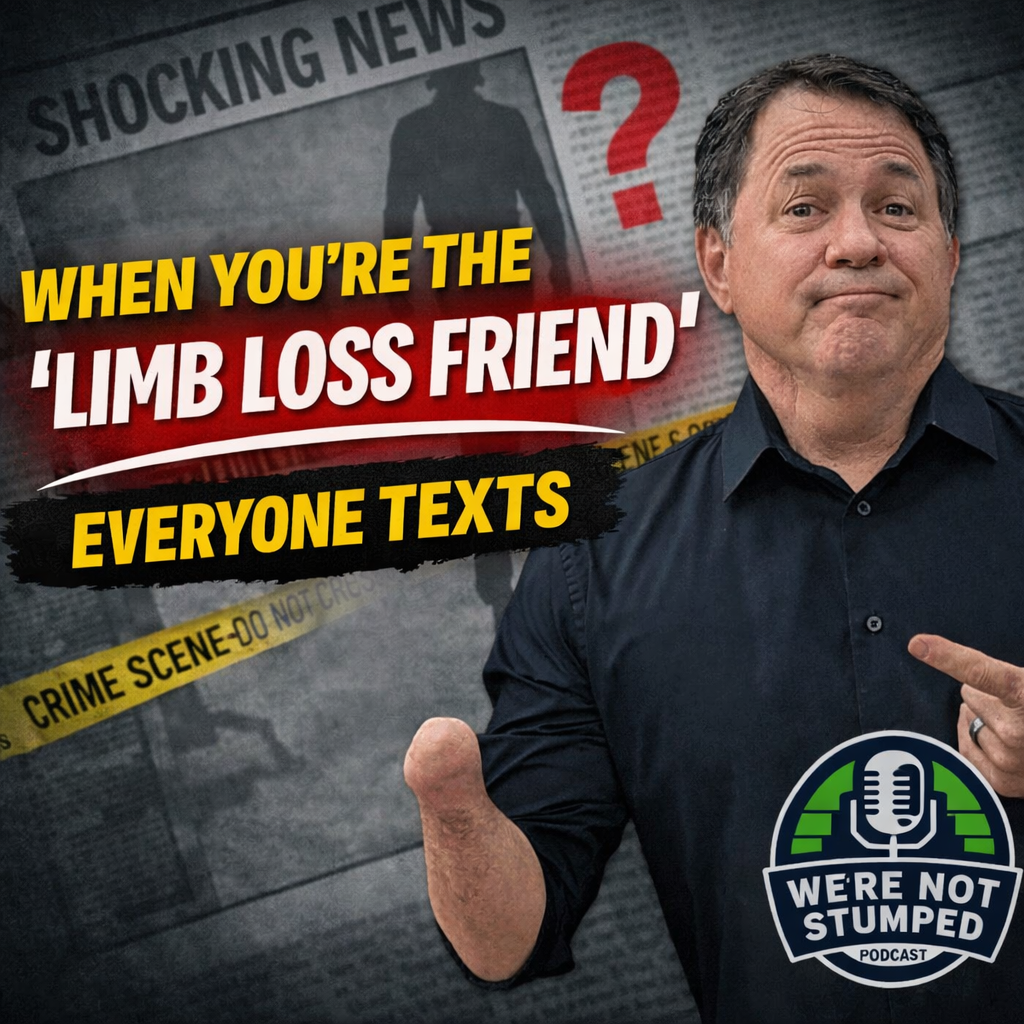
What happens when a story about limb loss hits the news—and suddenly everyone you know is texting you about it? If you’re part of the limb loss community, you already know. In this solo episode of We’re Not Stumped, host Mike Bolland dives into the experience of being “the limb loss friend”—the person others turn to when they don’t fully understand what they’re seeing but want to connect.
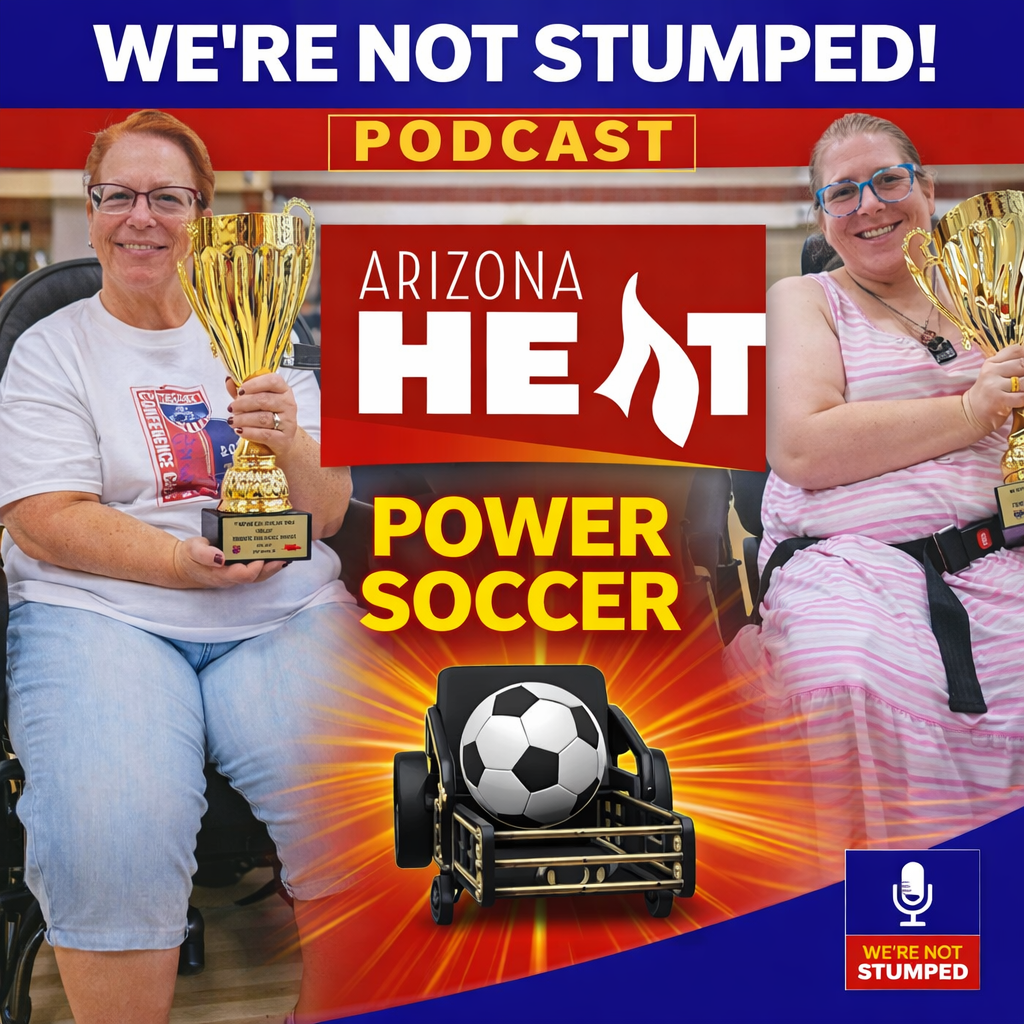
Stacy and Courtney Walker are proving that teamwork knows no limits. As the only known mother-daughter duo in wheelchair power soccer, they proudly represent Arizona Heat Power Soccer—competing, training, and pushing boundaries together on and off the court. Their journey is about more than just the game. It’s about resilience, family, and the power of adaptive sports to change lives. On this episode of We’re Not Stumped, host Mike Bolland sits down with Stacy and Courtney to share their story—how they got involved in power soccer, what it’s like competing side by side, and what being part of Arizona Heat Power Soccer truly means. Now, they’re working toward their next big goal: competing at Power Soccer Nationals.
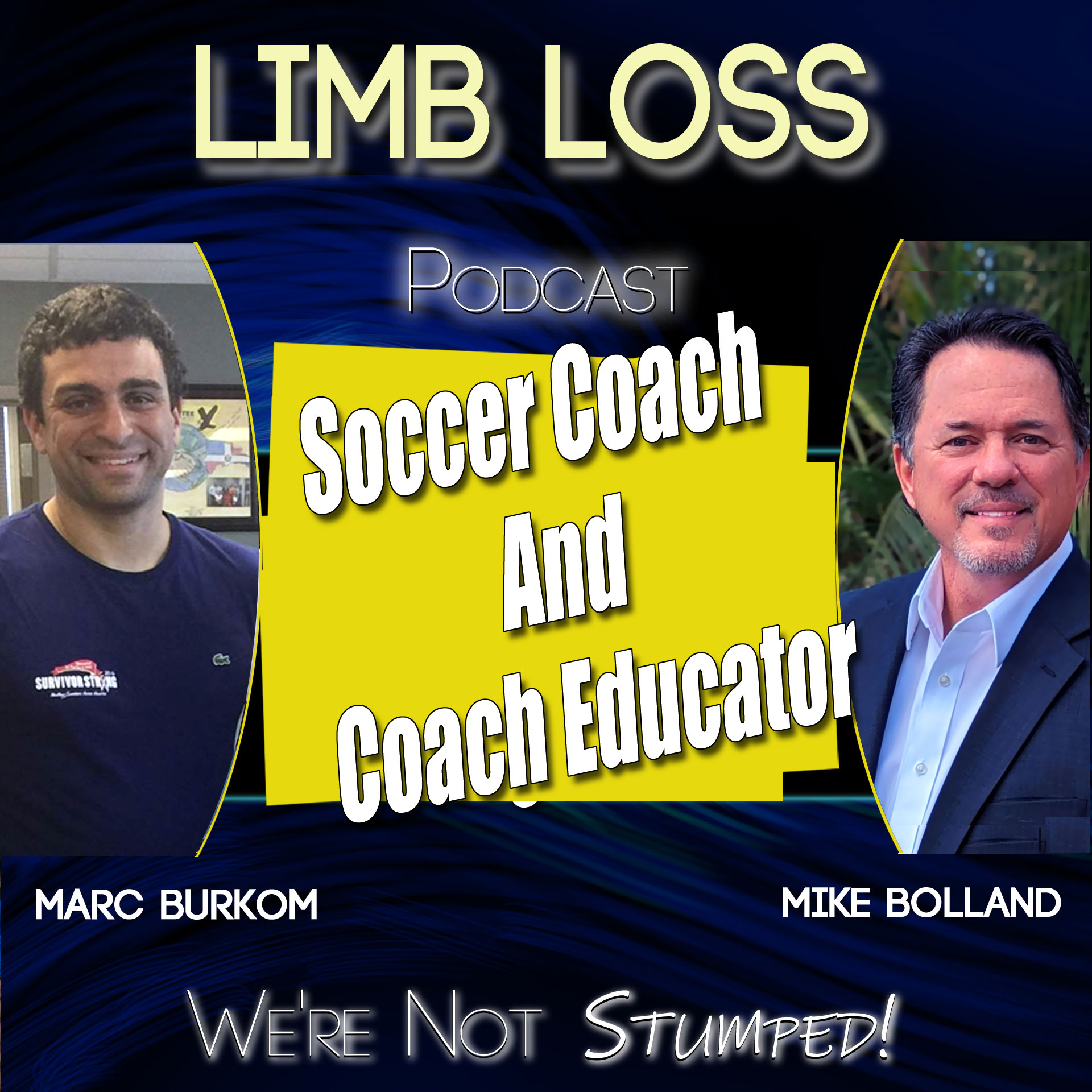
What does it take to turn a life challenge into a lifelong passion for sports and coaching? On this episode of We're Not Stumped, host Mike Bolland talks with Marc Burkom, a double below-knee amputee born with fibular hemimelia who has built a life around athletics, coaching, and helping others reach their potential. Marc shares how his parents made the difficult decision to amputate his feet when he was just two months old — a choice that allowed him to grow up active in sports like soccer, baseball, and basketball. Today, Marc works in coaching education and advocates for expanding opportunities for adaptive and amputee athletes. In this conversation, Marc and Mike discuss growing up with prosthetics, the role sports played in building confidence, coaching amputee soccer, adaptive sports like amputee basketball, and how prosthetic technology has evolved over the years.