⭐ Topic #1: Are you thinking about starting your own podcast but not sure where to begin?
So many people reach out asking how to get started. And while podcasting isn’t terribly difficult, those first few episodes can feel time-consuming and a bit overwhelming.
Here’s an easier way to try it out: 👉 Come guest-host a solo episode of We’re Not Stumped and share your personal story.
These are single-person episodes — no guests allowed — giving you the space to speak openly and authentically. Episodes are 10–15 minutes long, making this a simple, low-pressure introduction to podcasting. All you need to do is record on your own device (yes, your phone works great) and tell your story or share insights from your experience. I’ll handle the intro and outro, along with all final edits, to ensure the episode matches the tone and quality of the show.
⭐ Important Note Final go-live decisions are solely at the discretion of Mike Bolland and the We’re Not Stumped podcast.
Topics must stay within the limb loss or disabled communities, including:
- Personal stories from individuals with limb loss or limb differences
- Experiences or insights from living with a disability
- Stories from disability advocates or support communities
- Perspectives from prosthetists, clinicians, and innovators serving these communities
If you want to test-drive podcasting — while inspiring and uplifting others — this is the perfect opportunity.
⭐ Topic Update #2: Am I Attending the Amputee Coalition Event?
Short answer: No, I’m not. In this video, I share a quick update about why I won’t be attending the Amputee Coalition event this year.
📩 Interested in hosting a solo episode and sharing your story? Reach out!
Listen on Apple Podcasts
Watch on YouTube
Listen on Spotify
Podcast host Mike Bolland is looking to connect with individuals willing to share their experiences with prosthetists and prosthetic care. If you’ve ever faced challenges with a prosthetist, received a prosthetic that didn’t meet your needs, or discovered a provider who went above and beyond, your story can make a difference. On his show, We’re Not Stumped, Mike engages in open, honest conversations about life with limb loss, prosthetics, and advocacy. His mission is to give a voice to the limb loss community, spotlight real experiences — both the good and the bad — and work toward improving the system for everyone. Mike invites you to be part of this important dialogue, knowing that your insights could help others navigate their own prosthetic journeys with greater confidence and support. 📩 Interested in being a guest? Visit: https://werenotstumped.com/were-not-stumped-limb-loss-podcast-guest-guide/
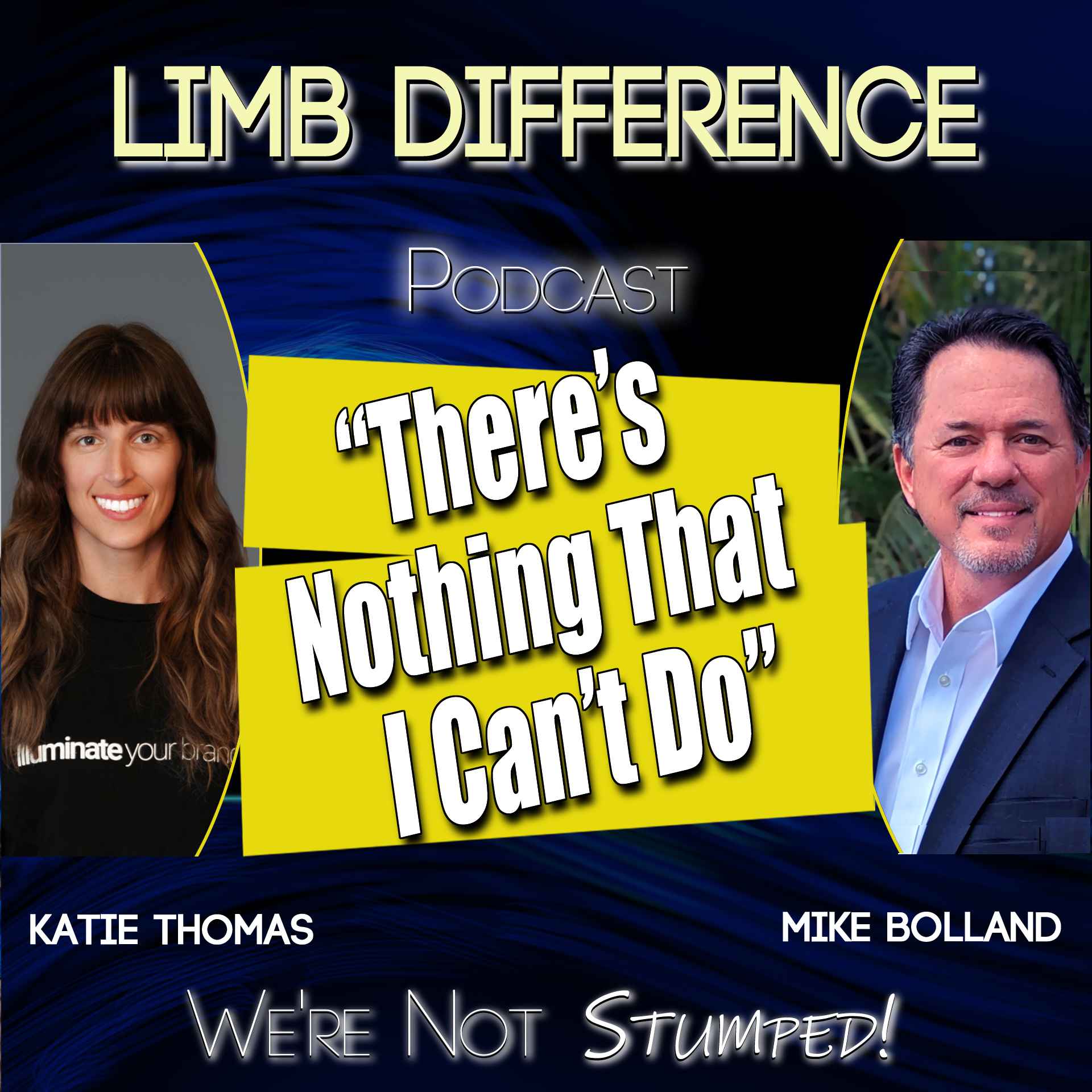
In this heartfelt and uplifting episode of We’re Not Stumped, host Mike Bolland welcomes Katie Thomas for a conversation filled with honesty, humor, and hard-earned wisdom. Born without her right arm below the elbow, Katie began receiving care at Shriners Hospital in Tampa at age 3 and experimented with various prosthetics throughout her childhood. Over time, she discovered that prosthetics were a helpful tool—but not essential for her to live a full, capable life. Now a devoted parent, Katie opens up about raising her son, who has Witteveen Colk syndrome, a rare genetic disorder. She shares her journey through early intervention services, advocating for genetic testing, and ensuring her child receives the support he needs. Her advice to parents? Trust your instincts, push for answers, and never hesitate to speak up for your child.
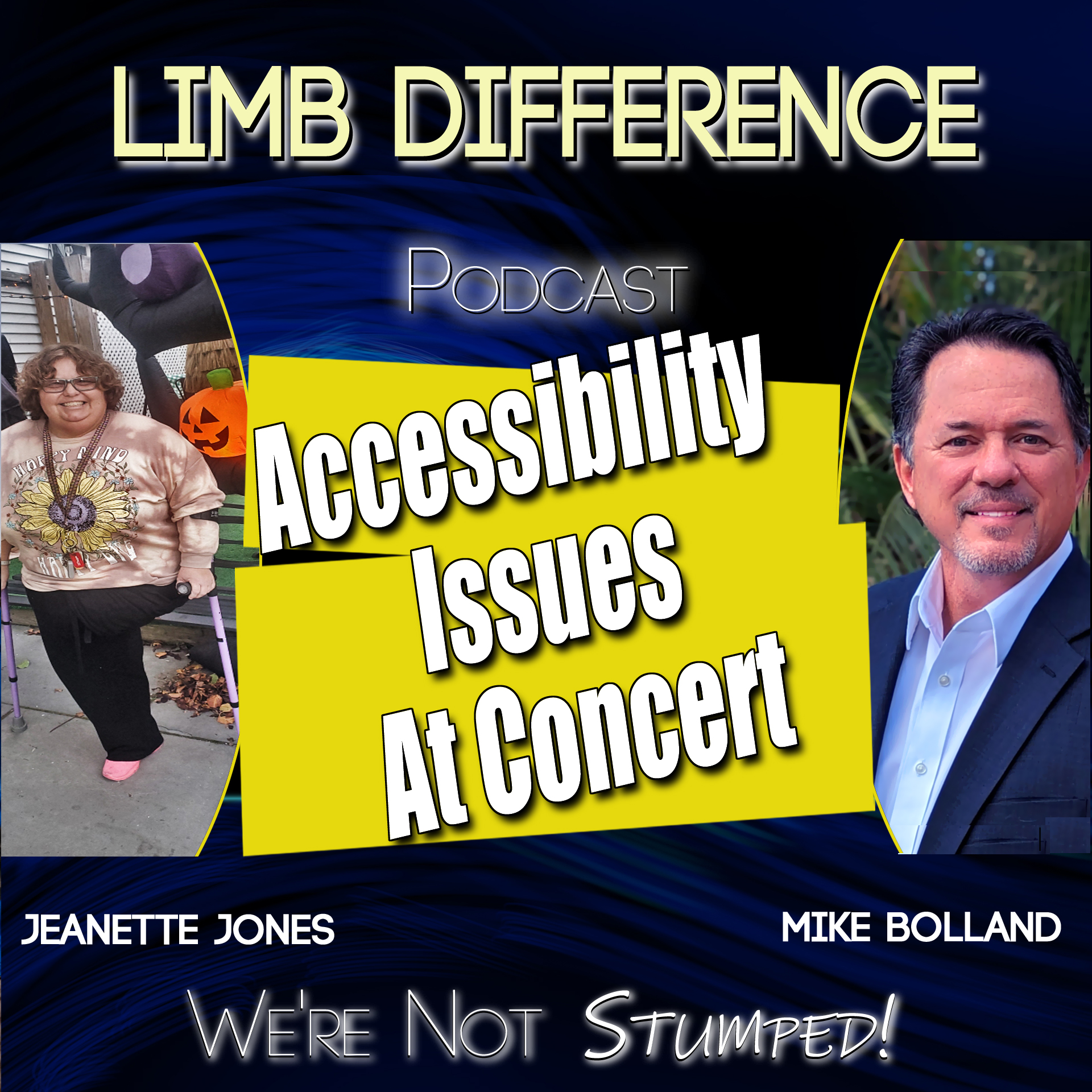
Jeanette Jones returns to the We’re Not Stumped podcast with host Mike Bolland for a powerful conversation that goes beyond music. She shares a shocking and emotional story about the accessibility barriers she and her partner Frank encountered at a Def Leppard concert at the Bethel Woods Center for the Arts. From steep hills to discriminatory treatment by staff, their experience sheds light on how accessibility still falls short—even in 2025. But that’s just the beginning. Jeanette also opens up about her own journey—surviving childhood cancer, transitioning from prosthetics to a wheelchair, and the incredible resilience of her partner Frank after his life-changing accident. This episode is about more than one bad night—it’s a call to action for accessibility, empathy, and real change.