⭐ Topic #1: Are you thinking about starting your own podcast but not sure where to begin?
So many people reach out asking how to get started. And while podcasting isn’t terribly difficult, those first few episodes can feel time-consuming and a bit overwhelming.
Here’s an easier way to try it out: 👉 Come guest-host a solo episode of We’re Not Stumped and share your personal story.
These are single-person episodes — no guests allowed — giving you the space to speak openly and authentically. Episodes are 10–15 minutes long, making this a simple, low-pressure introduction to podcasting. All you need to do is record on your own device (yes, your phone works great) and tell your story or share insights from your experience. I’ll handle the intro and outro, along with all final edits, to ensure the episode matches the tone and quality of the show.
⭐ Important Note Final go-live decisions are solely at the discretion of Mike Bolland and the We’re Not Stumped podcast.
Topics must stay within the limb loss or disabled communities, including:
- Personal stories from individuals with limb loss or limb differences
- Experiences or insights from living with a disability
- Stories from disability advocates or support communities
- Perspectives from prosthetists, clinicians, and innovators serving these communities
If you want to test-drive podcasting — while inspiring and uplifting others — this is the perfect opportunity.
⭐ Topic Update #2: Am I Attending the Amputee Coalition Event?
Short answer: No, I’m not. In this video, I share a quick update about why I won’t be attending the Amputee Coalition event this year.
📩 Interested in hosting a solo episode and sharing your story? Reach out!
Listen on Apple Podcasts
Watch on YouTube
Listen on Spotify
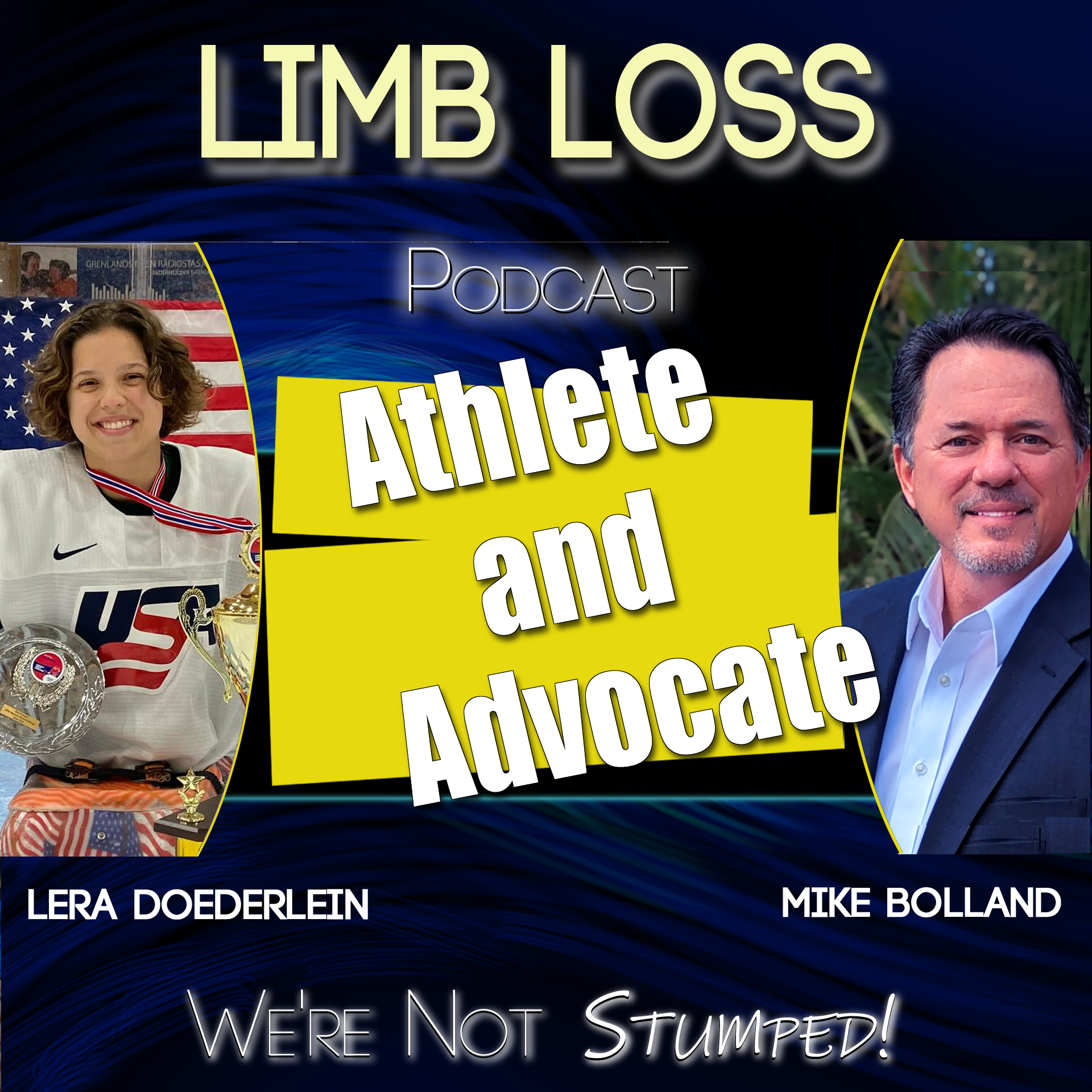
Lera Doederlein joins Mike Bolland on We’re Not Stumped to share a powerful story of choosing possibility. Born with AMC (arthrogryposis multiplex congenita), Lera grew up in Phoenix using braces and forearm crutches while navigating school, friendships, and the quiet realization that sports might look different for her. As a teenager, she made the bold decision to pursue double above-knee amputations in order to gain independence and improve long-term mobility—and it transformed her life. Lera walks us through the realities of recovery and physical therapy, learning to use prosthetics, and the moment a clinician pushed her beyond her comfort zone—encouraging her to run just a week after she started walking. She also shares why community matters so much, from Camp No Limits to Hanger events and amputee boot camps that helped her build confidence and momentum.
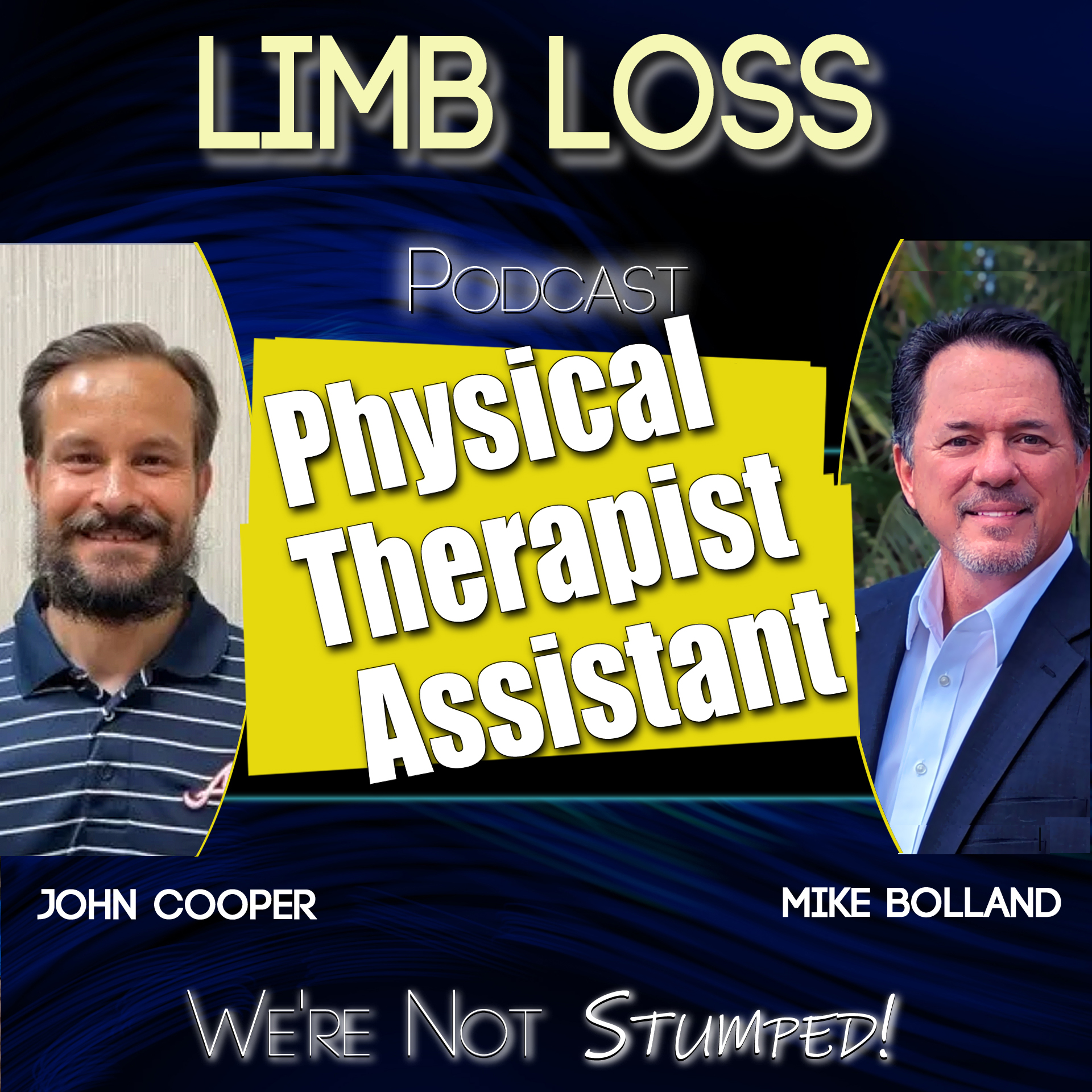
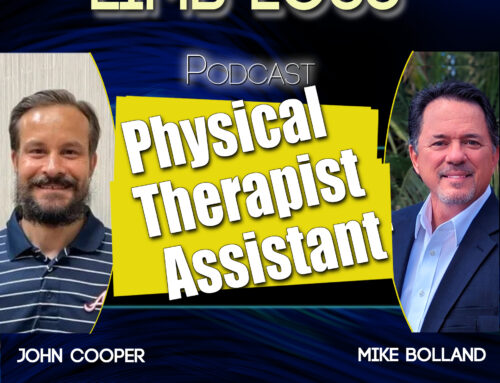
In this inspiring episode of We’re Not Stumped, Mike talks with John Cooper, a physical therapist assistant with 18 years of experience, about his journey into physical therapy and his passion for working with lower-limb amputees. John shares how his grandfather’s recovery from brain surgery sparked his career, and how close collaboration with prosthetists helps him address the real-world challenges amputees face every day. He explains why patience matters in rehab, why quality beats quantity in therapy sessions, and how setbacks can become powerful turning points.
Mike Bolland shares the story behind Enable Review — a new community-powered platform created to help people with limb loss, limb difference, and caregivers find prosthetic, orthotic, and rehabilitation care they can trust. After hearing powerful stories from guests and listeners, Mike explains why real patient experiences matter — and how Enable Review puts those voices front and center. Enable Review isn’t about ads or marketing. It’s about lived experience. If you’ve worked with a prosthetist, orthotist, physical therapist, or rehab clinic, we invite you to be part of our early community. https://enablereview.com/