Because of his aggressive playing style—often sliding headfirst into bases while wearing only shorts—Eric injured his knees. The constant scraping of skin on hard gravel caused deep abrasions and internal injuries. Years and years of wear and tear led to surgeries and more surgeries. At a certain point, Eric had to decide whether to endure the terrible pain and immobility caused by the mounting surgeries or have his right leg amputated. He opted for the latter, and in 2009, Eric had his right leg removed. A few years later, in 2018, he had to have his left leg amputated, resulting in him becoming a bi-lateral, above-knee amputee. Both 2009 and 2018 were the worst and yet best years of his life.
Eric found purpose and meaning. This started with his discovery and involvement in the sport of rowing, specifically adaptive rowing. He found, even though he was a bilateral amputee, that he could row using a machine called an ERG. Eventually, this led him into competition. He competed three times in the World Indoor Rowing Adaptive Championships in Boston, Massachusetts and won a silver medal at his first Championship. He recently finished first in the category of 60-year and older lower leg amputee males. In 2012, he was invited to try out for the United States Paralympic Rowing Team. Though he did not win a spot on the team, he is forever grateful for the opportunity and experience he gained through the leadership, inspiration, and motivation of his fellow athletes.
Links
Eric Gabriel Website: https://gabrieleric42.wixsite.com/website
Eric’s GoFundMe for his house: https://www.gofundme.com/f/save-erics-disability-adaptive-home
GCU Graduation: https://youtu.be/QeZU8J3u2O0
GCU Feature: https://www.youtube.com/watch?v=NXRaKUdYJrI
Duke University Spotlight: https://www.contrastcreative.com/portfolio/all-staff-event/?prev_page=9
ABC11 TV Feature: https://abc11.com/double-amputee-rowing-eric-gabriel-gofundme/6380274/
CW22 Web Feature: https://raleighcw.com/news/22-now/eric-gabriels-amputee-journey
Eric Gabriel on Amplitude Magazine: https://livingwithamplitude.com/tag/eric-gabriel/
Want to be considered as a guest? Fill out the form here: https://werenotstumped.com/contact-amputee-podcast/
Want to learn more about our host Mike Bolland? See his website https://mikebolland.com/
Watch on YouTube
Listen on Spotify

In this episode of We’re Not Stumped, Mike Bolland examines leadership at the Amputee Coalition. Between 2019 and 2022, CEO compensation jumped 107%. Cass Isidro led the organization from February 2023 until August 22, 2025. While reliable sources say she did a good job, Mike discusses why long-term leadership is vital for the limb loss community—highlighting the value of someone deeply committed to the cause rather than viewing the role as a career step. He also shares why he personally would not seek recommendation letters for the Certified Peer Visitor program.
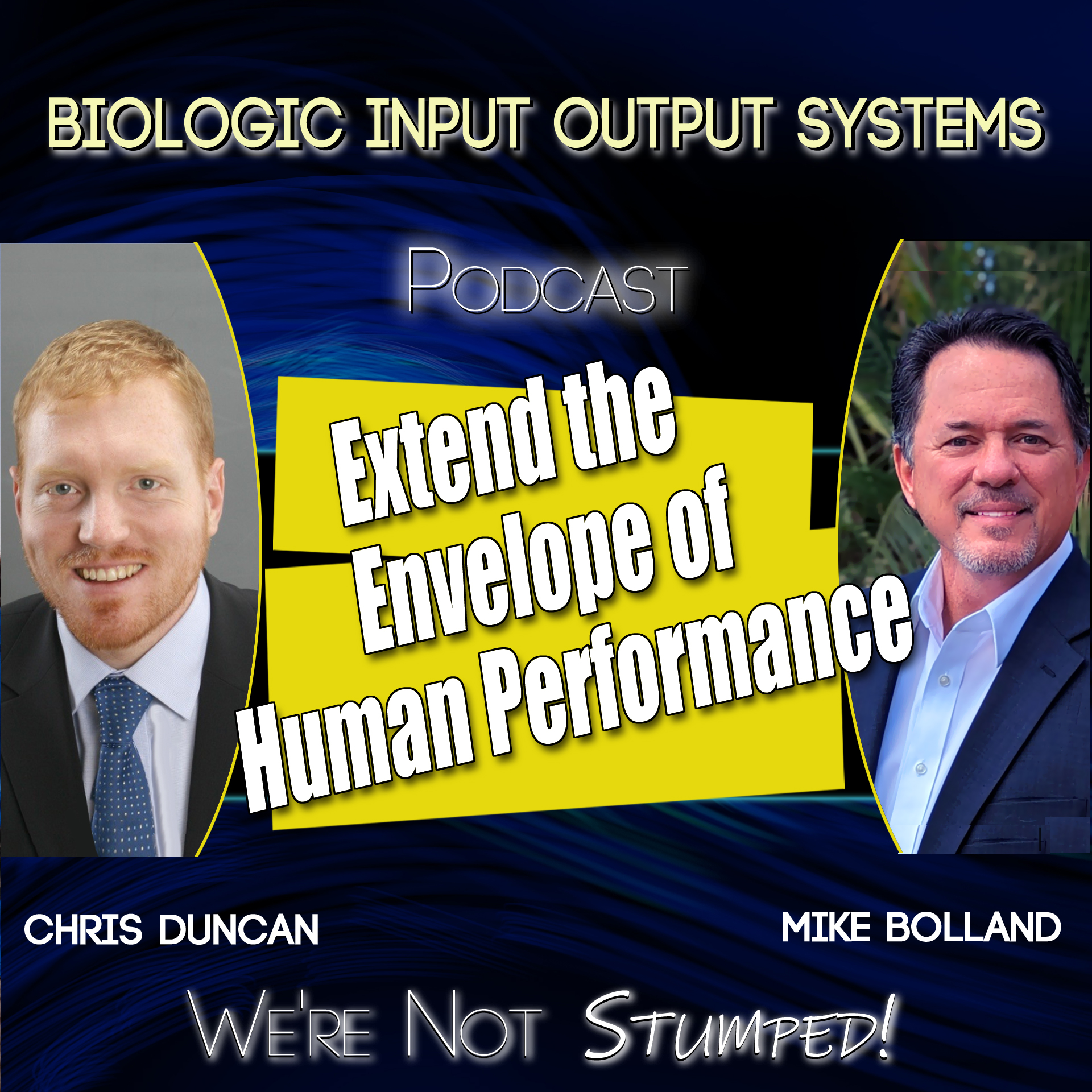
Dr. Christopher Duncan, Chief Medical Officer at Biologic Input Output Systems (BIOS), joins We’re Not Stumped with host Mike Bolland for a deep dive into neurotechnology and the future of prosthetics. With a background in rehabilitation medicine, Christopher explains how BIOS is combining advanced materials, neurophysiology, and machine learning to create prosthetic technology that restores natural movement and touch—far beyond what he calls today’s “Civil War technology.” The discussion also explores data registries, privacy concerns, and partnerships with leading institutions to expand access.
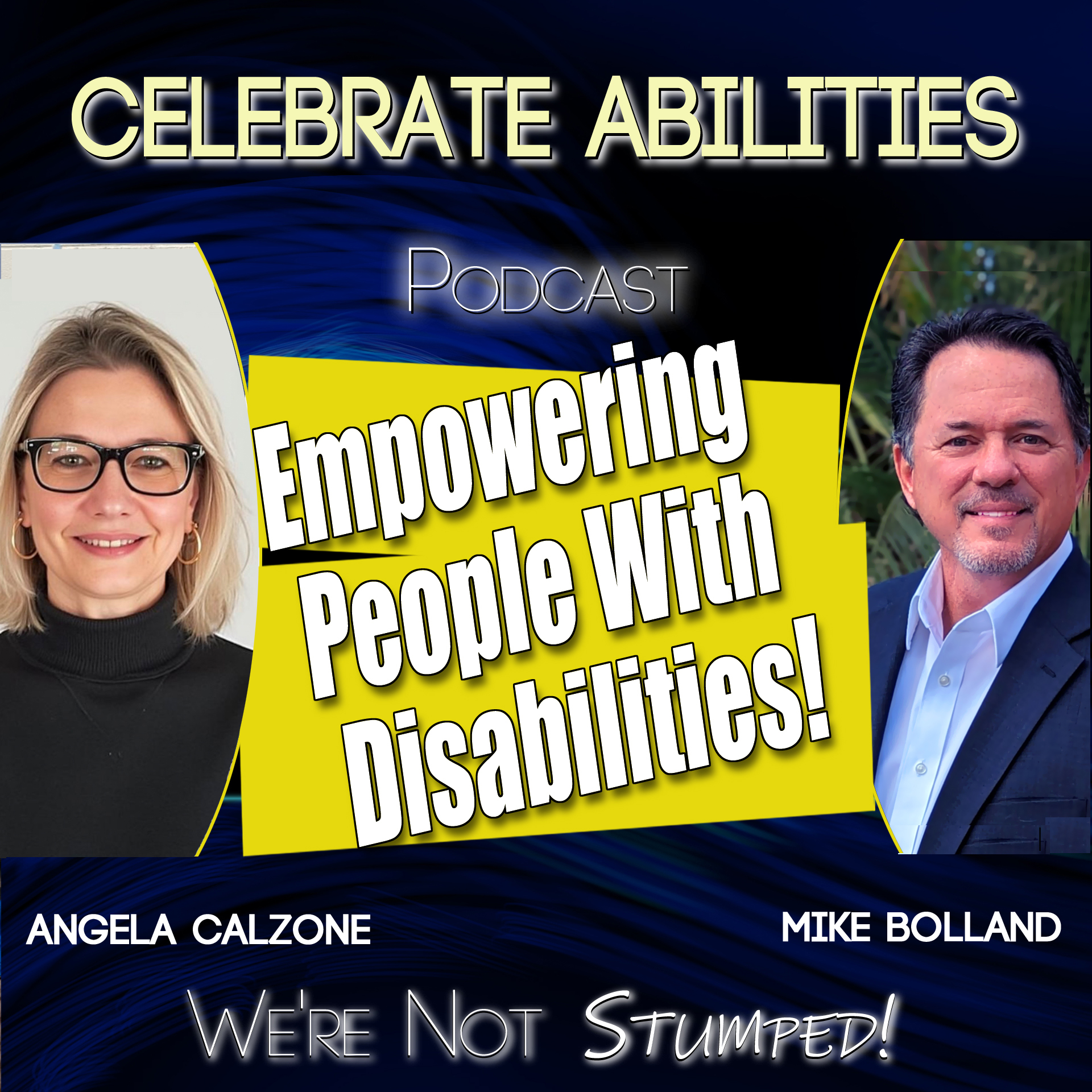
In this inspiring episode of We’re Not Stumped, Mike Bolland sits down with Angela Calzone, President & CEO of Inroads to Opportunities, as the organization celebrates its 66th anniversary. With a bold goal to double the number of individuals served—from 400 to 800—over the next decade, Angela shares her passion for breaking down misconceptions about hiring people with disabilities and her mission to create lasting workforce inclusion. From her 35+ year career in the for-profit sector to leading one of the most impactful nonprofits in the disability community, Angela opens up about the challenges of funding, the critical need for employer partnerships, and the real business benefits of inclusive hiring. She also shares powerful success stories, the impact of Inroads’ vocational training programs, and why their largest-ever fundraiser was a milestone moment for the agency. Whether you’re an employer, advocate, or simply someone who believes in the value of diversity in the workplace, this episode will inspire you to see what’s possible when communities come together to create opportunities.