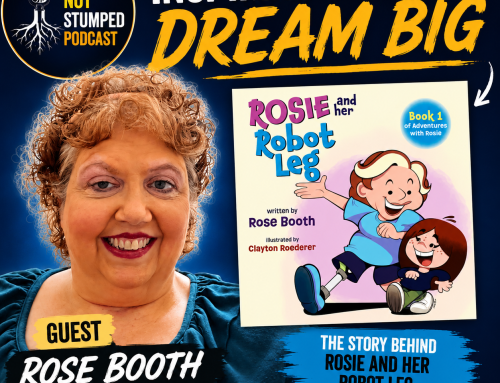
What helps someone build confidence after years of being treated differently? For burn survivor and amputee Kevon Martorell, basketball, self-advocacy, and community have all played a role.
In this episode of We’re Not Stumped, Kevon joins host Mike Bolland to discuss growing up with visible differences, navigating life after amputation, and creating adaptive fitness resources for people with disabilities.
Growing Up as a Burn Survivor
Kevon survived severe burns covering 80% of his body as a toddler. Growing up, he faced bullying, medical complications, and barriers to participating in sports.
He shares how those experiences shaped his confidence and his willingness to speak up for himself. His story offers a personal perspective on the challenges of growing up with visible differences and finding places where you feel included.
Life After Amputation and Learning to Advocate for Yourself
Kevon later underwent a leg amputation, bringing new challenges to his recovery and everyday life. He discusses navigating limb loss and why advocating for your care matters.
Mike and Kevon explore how personal experiences can help people understand their needs, ask questions, and take a more active role in decisions affecting their lives.
Building Confidence Through Basketball
Basketball became an important part of Kevon’s story. He describes how participating in sports helped him develop confidence and find connection.
Their conversation explores what access to movement and adaptive sports can mean for people who have encountered barriers to participation.
Adapt and Triumph: Adaptive Fitness and Nutrition
Kevon’s experiences inspired him to create Adapt and Triumph, an adaptive fitness and nutrition app.
He discusses the motivation behind the app and the importance of developing resources that reflect different bodies and abilities. The conversation considers how fitness can become more welcoming when people’s individual needs are part of the planning.
Learn more at Adapt and Triumph.
What You’ll Hear in This Episode
- Kevon’s experiences growing up as a burn survivor
- Navigating limb loss and life after a leg amputation
- Finding confidence and connection through basketball
- Speaking up and advocating for your care
- The inspiration behind Adapt and Triumph
- Building community for people with disabilities
Listen to Kevon Martorell on We’re Not Stumped
Hear Kevon’s conversation with Mike Bolland for an honest look at recovery, adaptive fitness, and the value of being understood.
What has helped you build confidence or find community? Share your thoughts in the comments.
Explore more disability stories, conversations about limb loss, and experiences with accessibility at We’re Not Stumped.
Listen on Apple Podcasts
Watch on YouTube
Listen on Spotify
Are you thinking about starting your own podcast but not sure where to begin? So many people reach out asking how to get started. And while podcasting isn’t terribly difficult, those first few episodes can feel time-consuming and a bit overwhelming. Here’s an easier way to try it out: 👉 Come guest-host a solo episode of We’re Not Stumped and share your personal story. These are single-person episodes — no guests allowed — giving you the space to speak openly and authentically. Episodes are 10–15 minutes long, making this a simple, low-pressure introduction to podcasting. All you need to do is record on your own device (yes, your phone works great) and tell your story or share insights from your experience. I’ll handle the intro and outro, along with all final edits, to ensure the episode matches the tone and quality of the show.
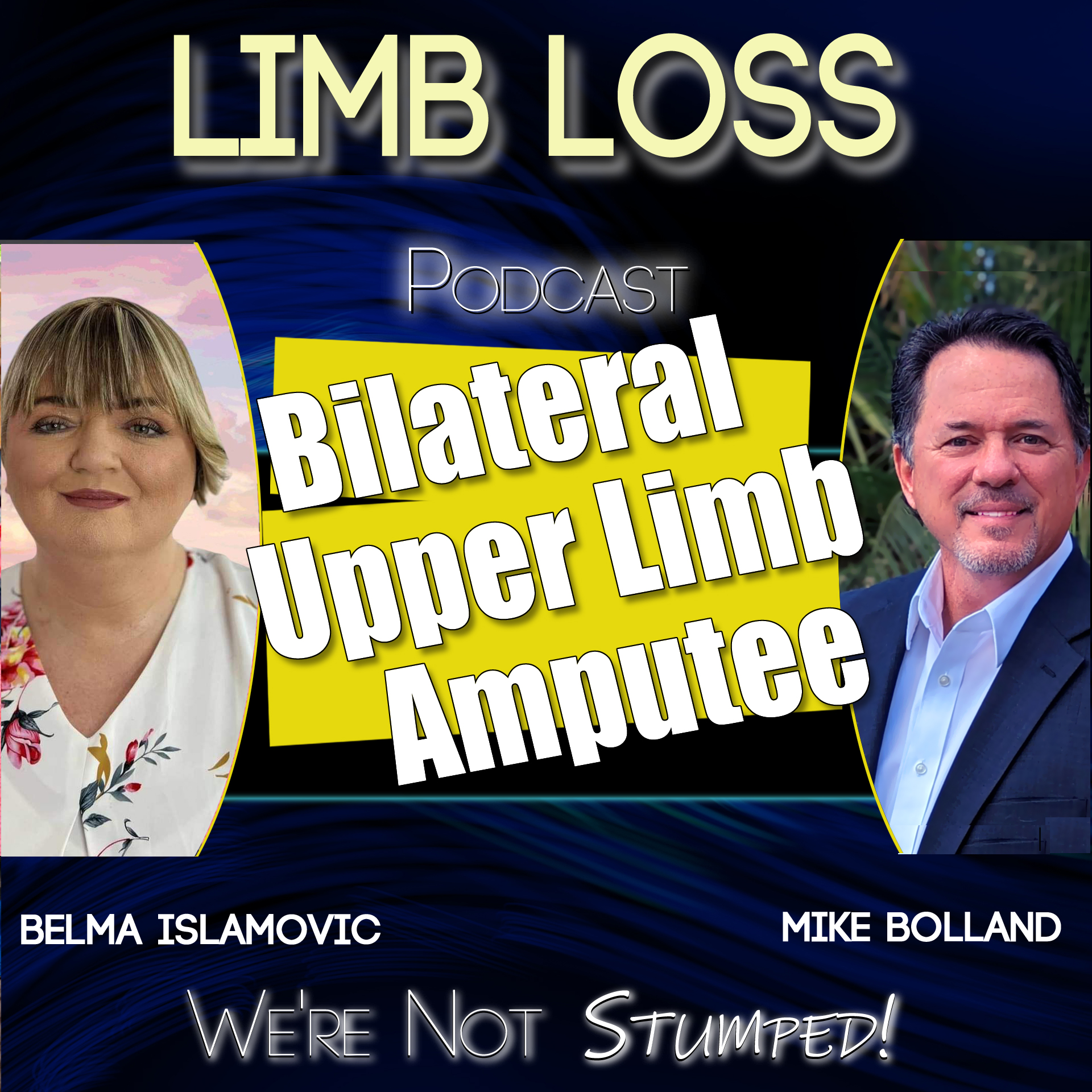
In this inspiring episode of We’re Not Stumped, host Mike Bolland welcomes Belma Islamovic, a double above-elbow amputee, community advocate, and proud member of the Dallas Amputee Network. Mike and Belma first met at Empower Fest in Arizona, and today she shares her remarkable story of survival, resilience, and hope. Belma recounts: • Surviving a devastating explosion during the Bosnian War • Her long medical journey from Bosnia to Italy and ultimately to the United States • Adapting to life without prosthetics and mastering daily tasks using her feet • The emotional and mental health struggles she overcame through support and therapy • Her connection with the Dallas Amputee Network and the power of community Belma’s story is a powerful reminder of human strength, compassion, and the importance of support networks for amputees and trauma survivors.
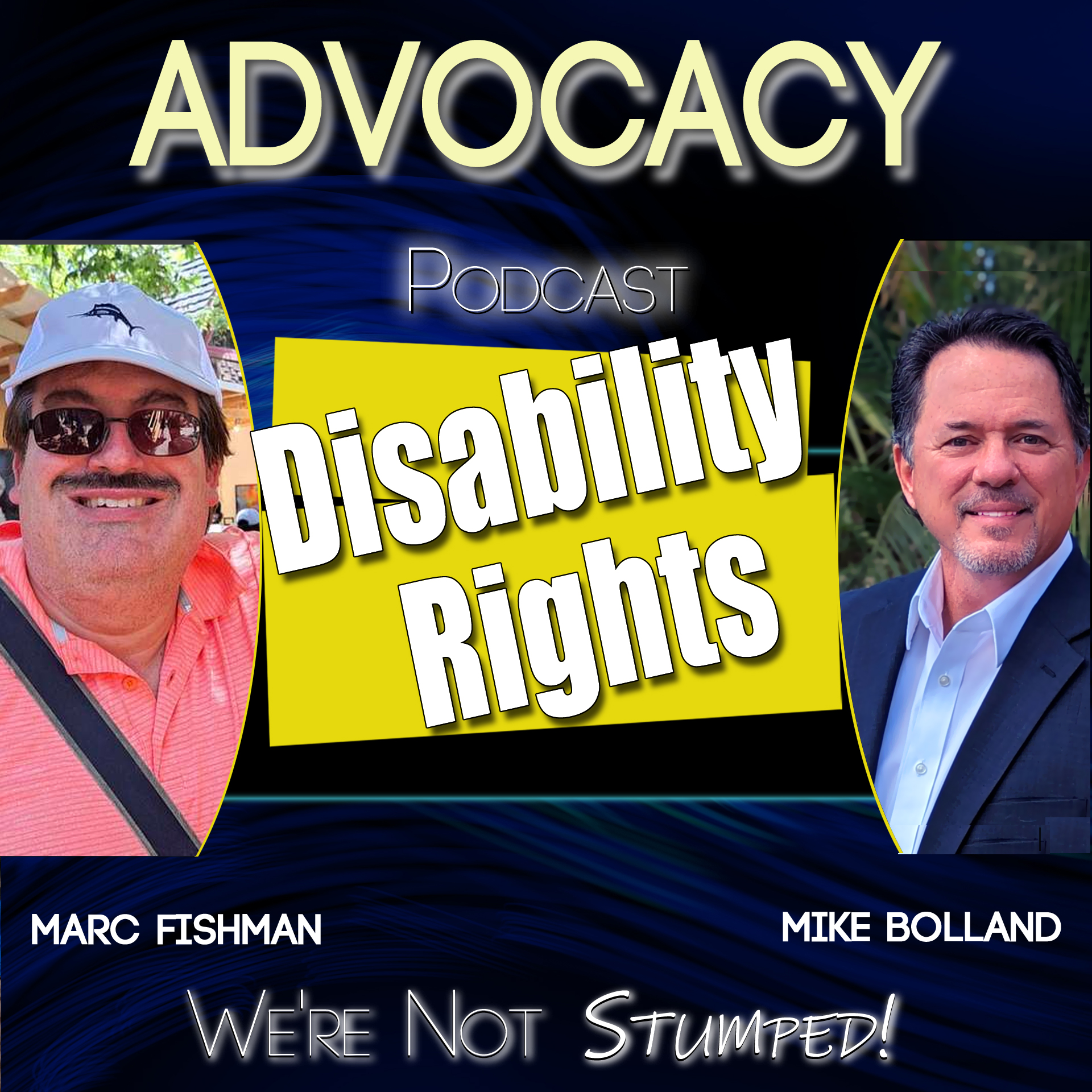
Civil rights advocate Marc Fishman joins host Mike Bolland to shed light on a critical but overlooked issue: the routine denial of disability accommodations in America’s family courts. After a devastating car accident left him with long-term disabilities and communication challenges, Marc entered a 49-month legal battle—not just for his parental rights, but for his basic ADA protections. He details how New York courts repeatedly refused accommodations like real-time transcription, the federal ADA victories he secured, and how Tennessee v. Lane shaped his fight for access. Marc also reveals the retaliation he faced from judges and public officials and discusses his successful advocacy during COVID helping disabled tenants obtain rent grants. With recent legislative wins offering hope, Marc emphasizes the urgent need for accountability and reform to protect disabled parents nationwide.