
Congenital Amputee Podcast
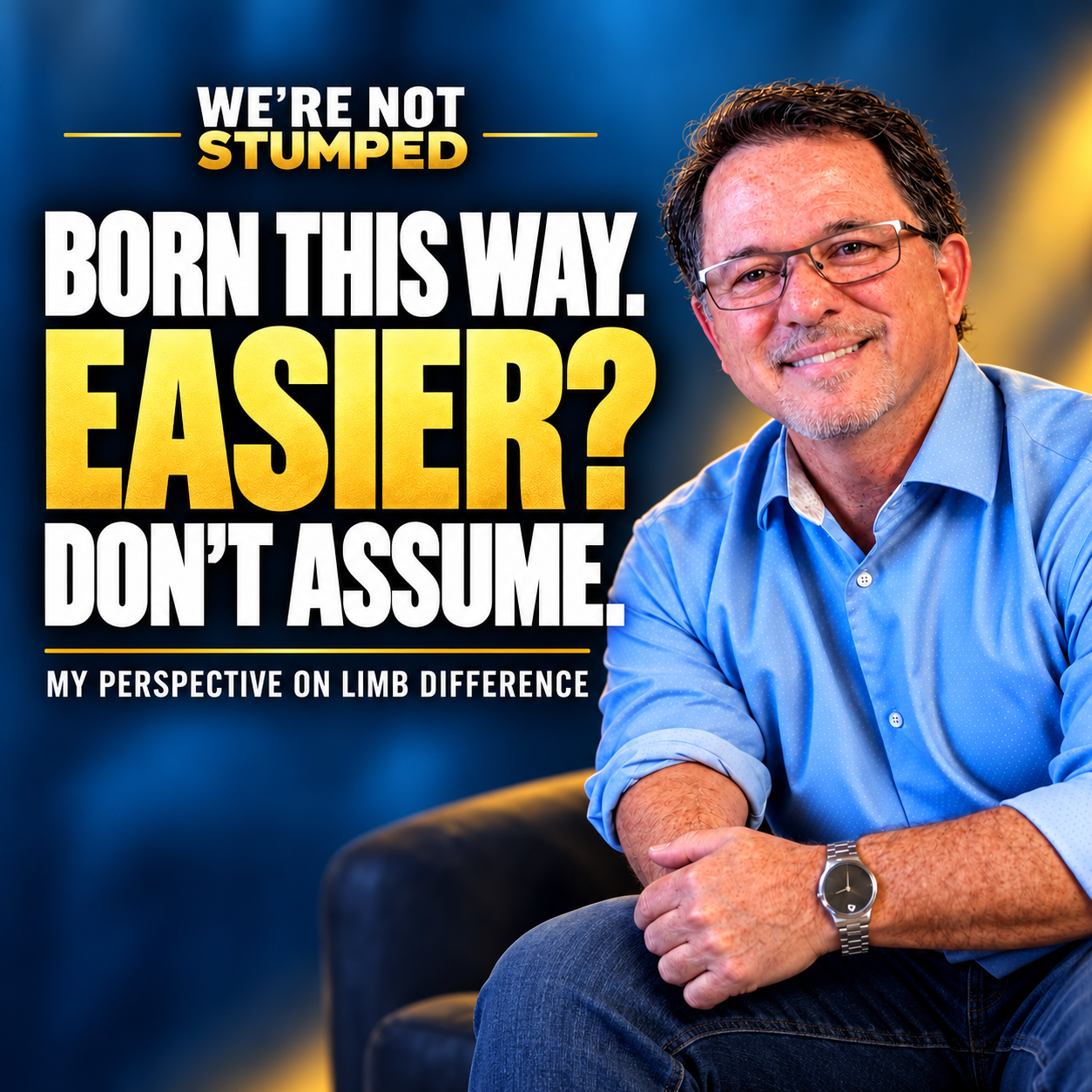
Born With a Limb Difference Doesn’t Always Mean We Have It Easier
Does being born with a limb difference—or experiencing amputation as a child—mean you have it easier? In this solo episode of We’re Not Stumped, host Mike Bolland challenges an assumption that can leave people feeling dismissed within their own community. Born without a right hand, Mike shares why physical adaptation tells only part of the story. Through his podcast and community work, he’s met people whose experiences include bullying, employment barriers, relationship challenges, and depression. While these experiences don’t all reflect his own journey, they deserve acknowledgment. Acquiring a disability later in life brings its own challenges, including grief and adjustment. Recognizing those experiences doesn’t require minimizing the challenges of congenital limb difference or childhood limb loss. This episode invites us to listen more closely, question what we assume about others, and support one another without ranking whose journey is harder.
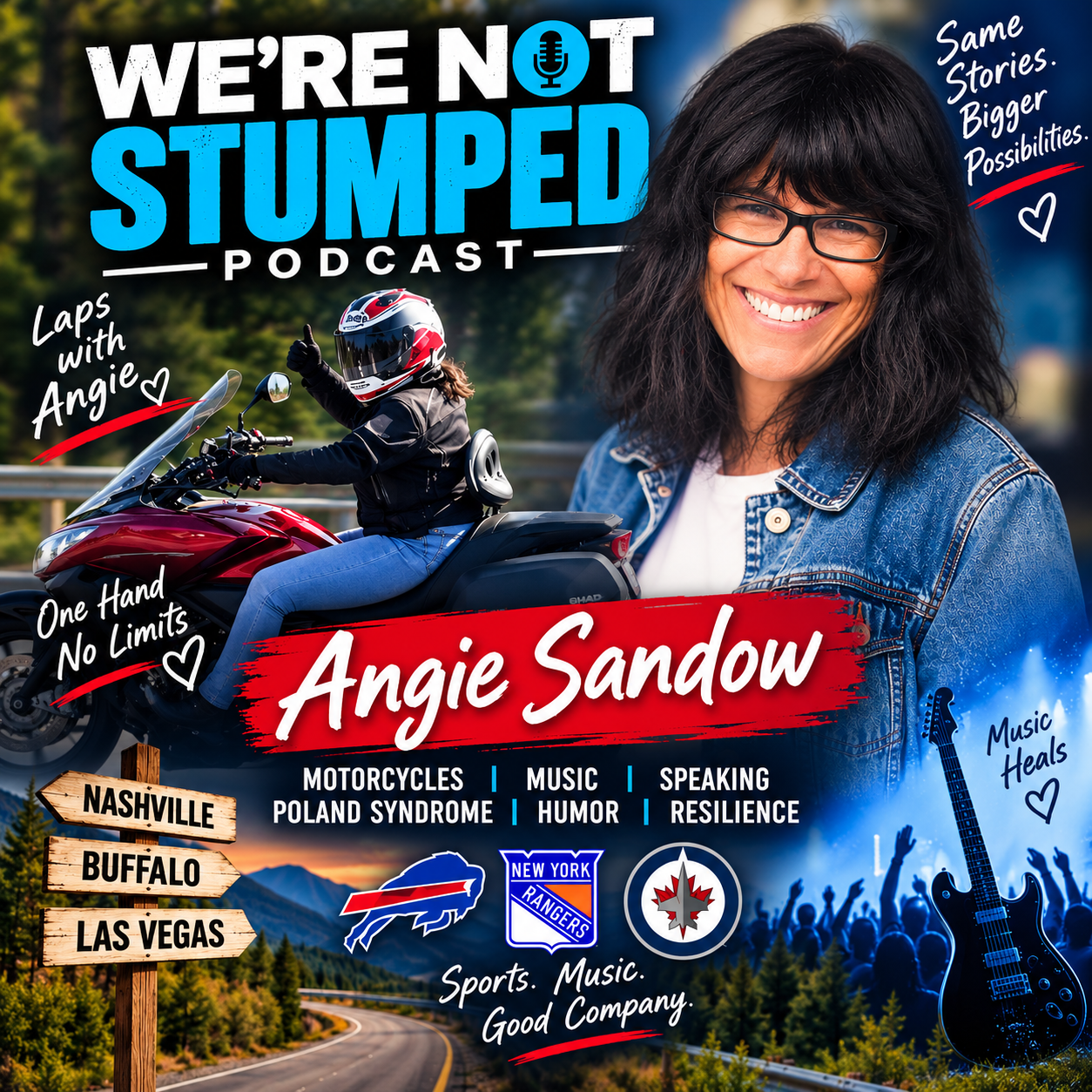
Angie Sandow: Poland Syndrome, Motorcycles, Music & Living With One Hand
Angie Sandow was born with one hand and Poland syndrome—but that hasn't stopped her from riding motorcycles, playing guitar, performing onstage, and finding plenty of reasons to laugh along the way. In this episode of We’re Not Stumped, Mike Bolland reconnects with Angie for a candid and often funny conversation about growing up with a limb difference, dealing with bullying and unwanted attention, and learning to turn difficult experiences into something positive. Angie shares how music became an important part of her life, including performing with bands and using a custom prosthetic guitar holder. She also talks about becoming a one-handed motorcycle rider and the modifications that allow her to ride, including moving the throttle to the left side.
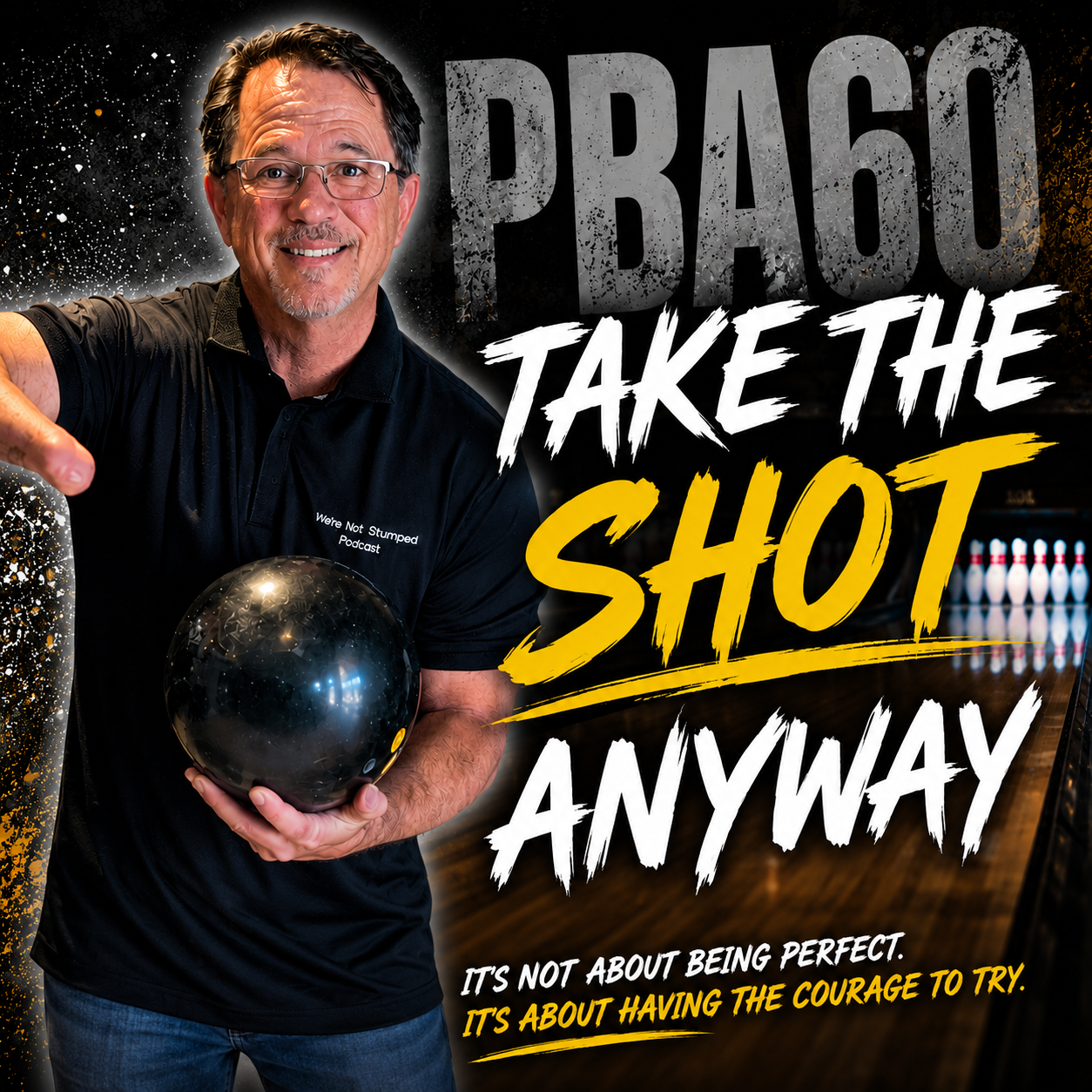
What if success isn’t measured by where you finish—but by having the courage to start?
What if success isn't measured by where you finish—but by having the courage to start? After more than 35 years away from professional bowling, I returned to compete in the PBA60 World Series of Bowling at age 61. I knew the odds weren't in my favor. My body had changed. The equipment had changed. The competition had changed. But this episode isn't really about bowling. It's about the voice inside all of us that says we're too old, too late, or not good enough to chase something that matters. In this solo episode of We're Not Stumped, I share the emotions behind my comeback, the challenges I faced on the lanes, and the unexpected lesson that came from finishing far below where I had hoped. That lesson became a phrase I can't stop thinking about: Take the Shot Anyway. Because you don't need the perfect hand. You just need the courage to use the one you've been dealt.

Answering Your Most Frequently Asked Questions
Over the years, I've been asked a lot of questions—some serious, some funny, and some I've heard more times than I can count. In this solo episode of the We're Not Stumped Podcast, I'm answering five of the questions I get asked a lot. Do I wear a prosthesis? How do I bowl with one hand? Have I always had a positive attitude? Do people still stare? And what keeps me motivated? I'll share some stories from growing up with a limb difference, becoming the first person with limb loss to compete on the PBA Tour, overcoming cancer, and why I've learned that attitude isn't something you're born with—it's something you choose every day.

What the TV Stories Didn’t Show | The Real Reason Behind My PBA Comeback
Over the past few days, I was fortunate to be featured by ABC15 and Arizona's Family as I prepare for my return to PBA competition after more than 30 years away from the sport. The television stories were fantastic, but as anyone who has ever done an interview knows, there's always more that doesn't make the final cut. In this special solo episode of the We're Not Stumped podcast, I share some of the stories, organizations, and experiences that didn't make it into the TV segments, including: • The mission behind the We're Not Stumped podcast • Joe & Marie Bolland's Helping Hands and supporting people with limb loss and limb differences • Enable Review and helping people make informed prosthetic care decisions • Why this comeback is about much more than bowling
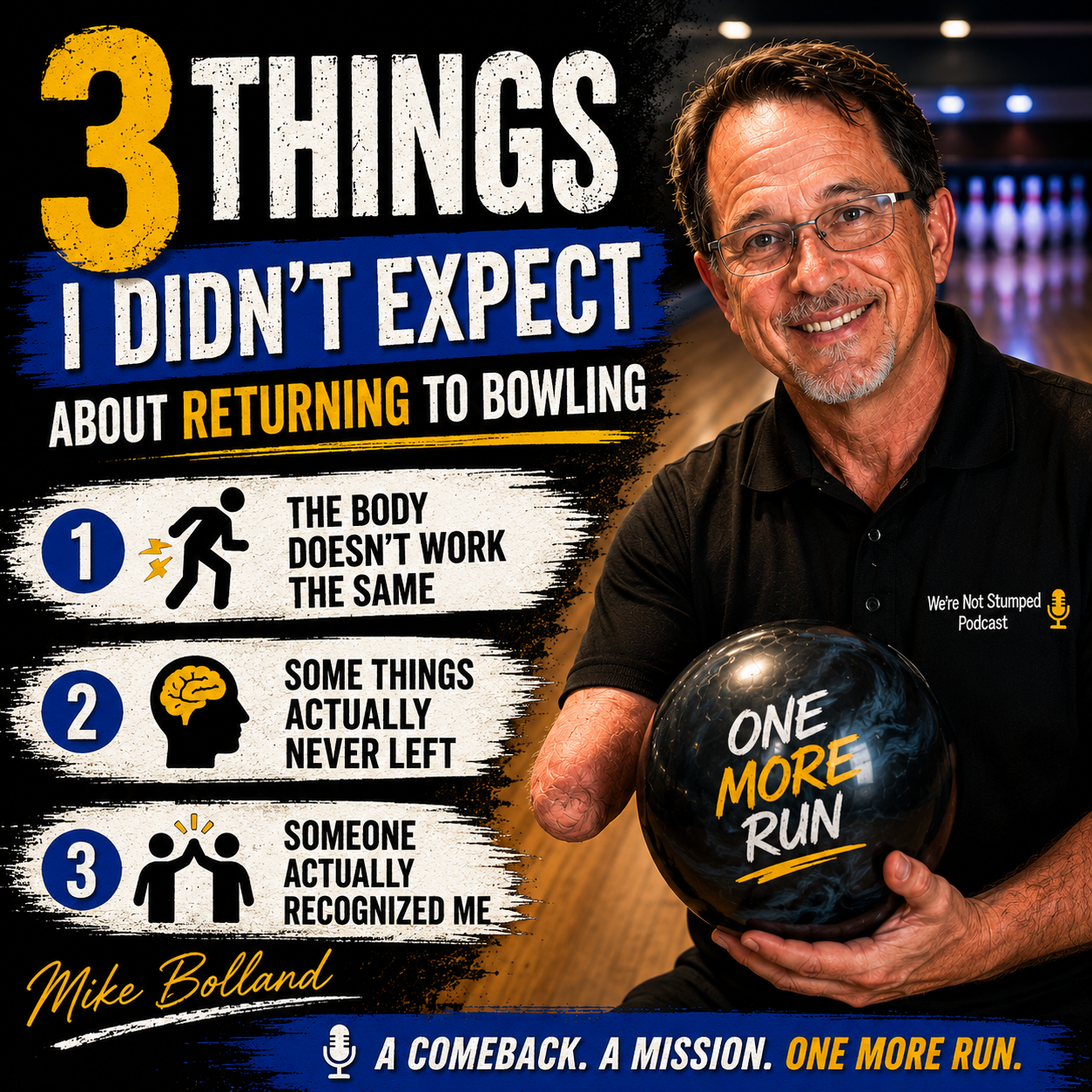
Things I Didn’t Expect About Returning to Bowling After 30 Years
After more than 30 years away from competitive bowling, I’m discovering that some things have changed—and some things haven’t. In this solo episode of We’re Not Stumped, I share three things that surprised me as I prepare for my return to competition at the 2026 PBA60 World Championship. The body doesn’t work quite the same at 61. Some instincts and memories never really leave. And one unexpected encounter reminded me that people still remember my days on the PBA Tour. This episode isn’t about scores or equipment. It’s about rediscovering a part of my life I thought was behind me and finding out what’s still possible when you decide to take one more run. As the first person with limb loss to compete on the PBA Tour, I hope this conversation encourages you to revisit a dream, try something again, or simply remember that it’s never too late to surprise yourself.
About Congenital Amputees
A “congenital amputee” is an individual who is born with one or more limbs missing or underdeveloped. In congenital amputation, the absence of a limb occurs during the prenatal development of the fetus and is typically due to genetic factors or developmental issues in the womb.
Congenital amputations can affect any limb, including the arms and legs, and they can vary in severity. Common causes and factors contributing to congenital amputations include:
- Genetic Factors: Some congenital limb differences are linked to genetic mutations or conditions that affect limb development during early fetal development.
- Teratogens: Exposure to teratogenic substances or environmental factors during pregnancy can disrupt normal limb development, leading to congenital amputations.
- Vascular or Blood Flow Issues: Insufficient blood flow to the developing limbs during pregnancy can result in limb malformation or amputation.
- Amniotic Band Syndrome: In some cases, fibrous bands in the amniotic sac can entangle and constrict fetal limbs, causing limb differences.
- Congenital Disorders: Certain congenital disorders, such as ectrodactyly (also known as “lobster claw hand”), thalidomide syndrome, or Holt-Oram syndrome, can result in congenital limb differences.
Congenital amputees face unique challenges related to their limb differences, but they often learn to adapt and find ways to perform daily activities and pursue their goals. Depending on the severity and location of the limb difference, some individuals may benefit from assistive devices, prosthetic limbs, orthotic devices, or surgical interventions to improve their functionality and quality of life.
Supportive environments, education, and access to healthcare and rehabilitation services are essential for individuals with congenital amputations to thrive and fully participate in society. Advocacy groups and organizations dedicated to limb differences often provide valuable resources and support to individuals and their families.