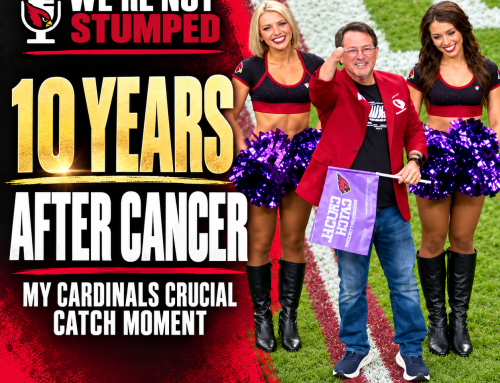
In this compelling episode of We’re Not Stumped, host Mike Bolland welcomes the incredible team behind the Hozhoni Foundation to share their inspiring mission and groundbreaking work. Joining Mike are CEO Antonia Klopstein, COO Lex Heerding, Employment Program Head Michele Eisenberg, and Art Manager Shay Vigil. Together, they discuss how the foundation empowers individuals with disabilities through innovative programs that promote independence, creativity, and community engagement.
The Hozhoni Foundation has been a beacon of hope and opportunity for decades, dedicated to improving the lives of individuals with intellectual and developmental disabilities. This episode delves deep into their holistic approach, combining employment programs, art initiatives, and personalized care to help individuals achieve their fullest potential. Antonia Klopstein and Lex Heerding explain the foundation’s long-standing commitment to fostering a supportive and inclusive environment where everyone can thrive.
Michele Eisenberg highlights the transformative impact of the Employment Program, which equips participants with essential skills and places them in meaningful jobs within the community. The program not only enhances independence but also fosters connections between participants and local businesses.
Art Manager Shay Vigil takes us inside the Hozhoni Art Studio, a vibrant space where creativity flourishes. Learn how art serves as both a therapeutic outlet and a powerful means of self-expression for the foundation’s participants. Shay shares heartwarming stories of artists who have gained confidence, recognition, and a sense of purpose through their work.
Throughout the episode, the Hozhoni team emphasizes the importance of celebrating every individual’s unique talents and abilities. They discuss the challenges faced by the disability community and how the foundation continues to adapt and innovate to meet evolving needs.
Whether you’re an advocate for inclusion, someone looking for inspiration, or simply curious about how organizations like Hozhoni make a difference, this episode offers valuable insights and heartfelt stories.
Learn more about the Hozhoni Foundation and how you can support their mission: https://www.hozhoni.com/
#HozhoniFoundation #DisabilityEmpowerment #Inclusion #ArtTherapy #EmploymentPrograms #Inspiration #WeAreNotStumped
Listen on Apple Podcasts
Watch on YouTube
Listen on Spotify
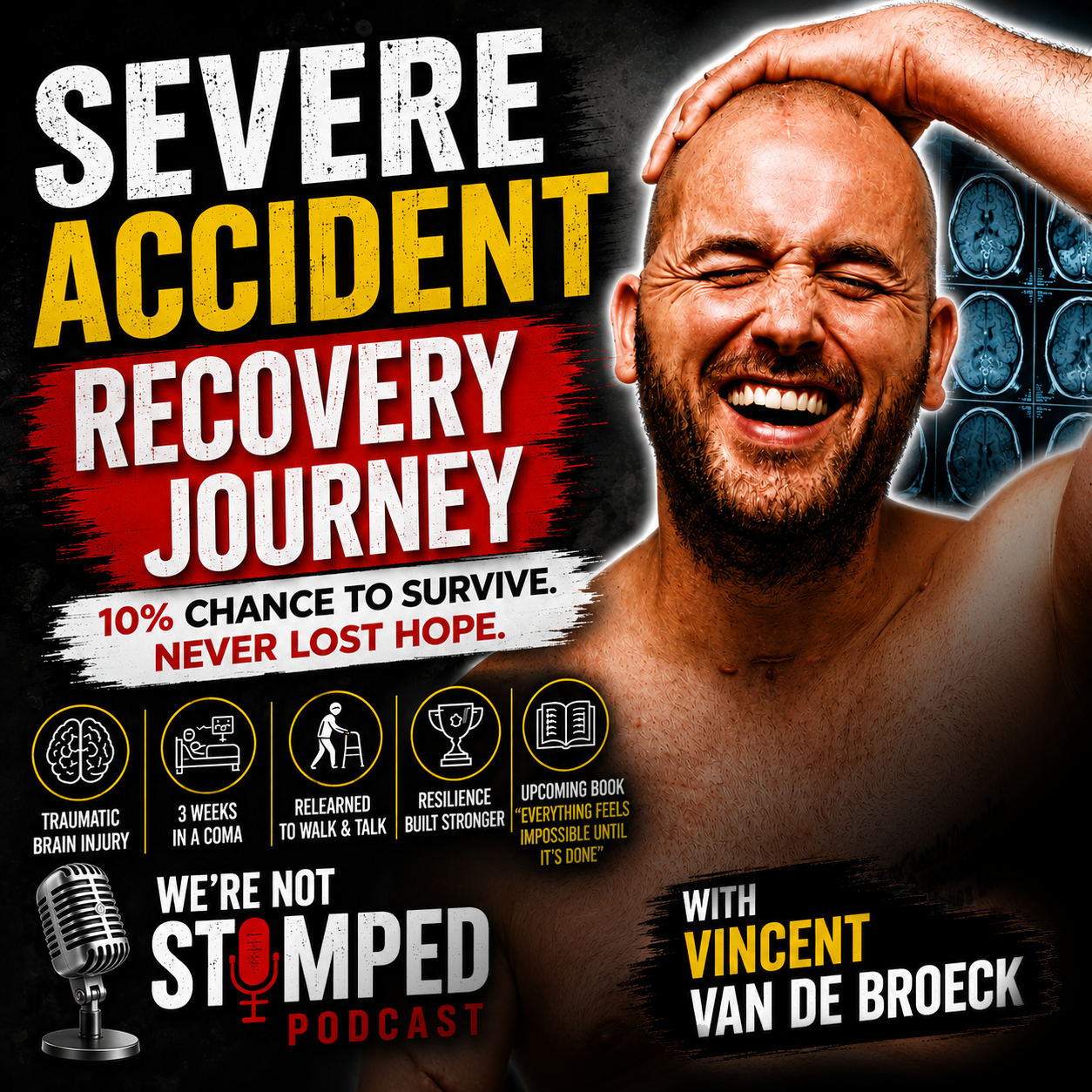
In this episode of We’re Not Stumped, host Mike Bolland talks with Vincent about his extraordinary recovery—relearning how to walk, talk, eat, and handle everyday tasks most of us take for granted. Vincent shares what it was really like to gradually wake from a coma, the difficult prognosis his family faced, and the extensive damage to his skull that eventually required a custom 3D-printed implant. He also discusses the people who refused to give up on him, particularly his wife and family, who lived through weeks of uncertainty while Vincent was unconscious. Through his recovery, Vincent came to see resilience not simply as something you're born with, but as something you can develop and strengthen. That experience also helped shape the ideas behind his book, Everything Feels Impossible Until It’s Done
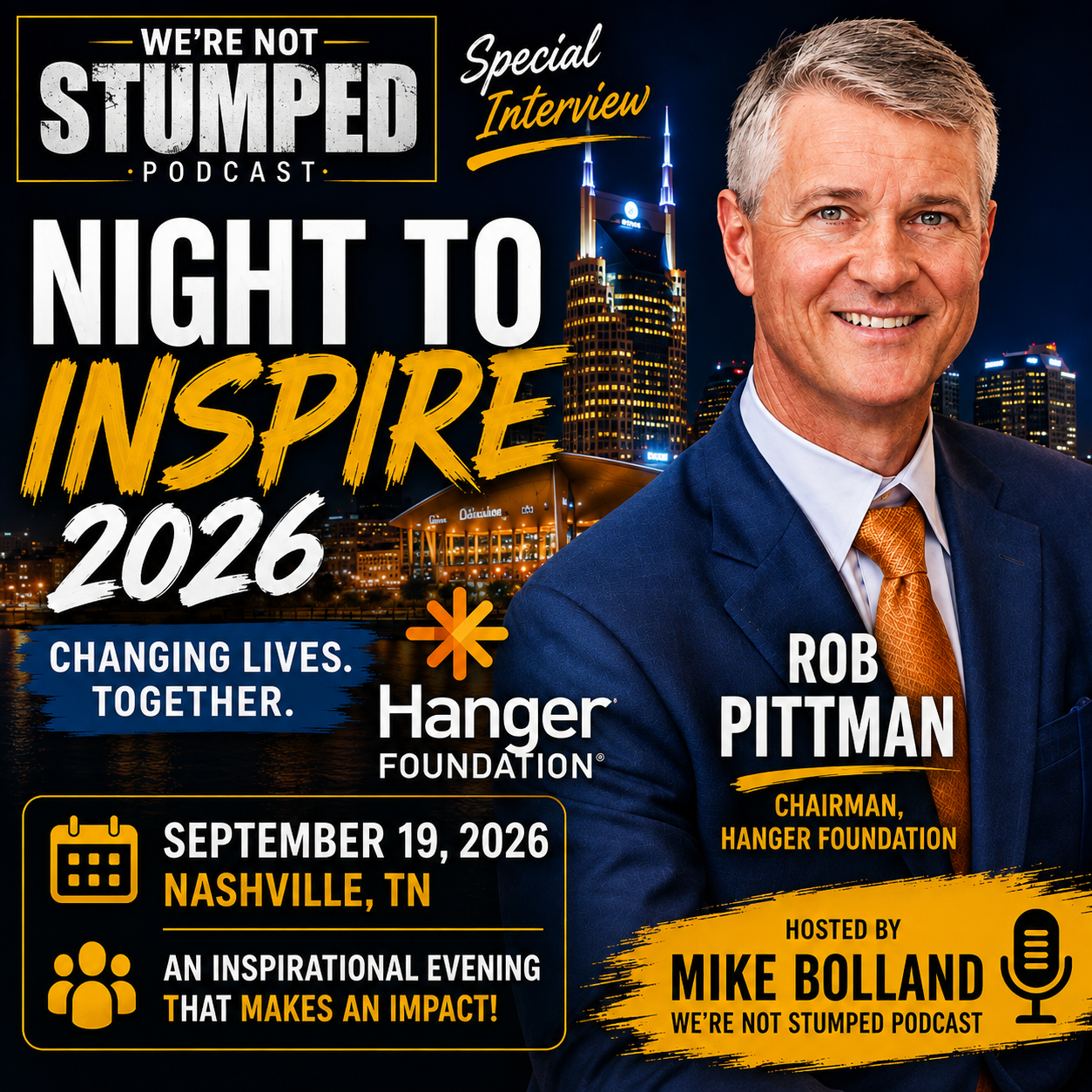
What happens when the limb loss community, prosthetics professionals, nonprofits, and supporters come together for a weekend built around giving back? In this episode of We’re Not Stumped, Mike Bolland talks with Rob Pittman of Hanger, Chairman of the Hanger Foundation’s Night to Inspire, about the upcoming 2026 Night to Inspire in Nashville, Tennessee. Now in its third year, Night to Inspire is expanding into a full weekend experience designed to raise funds, build awareness, and support organizations helping people with limb loss, limb difference, and mobility challenges.
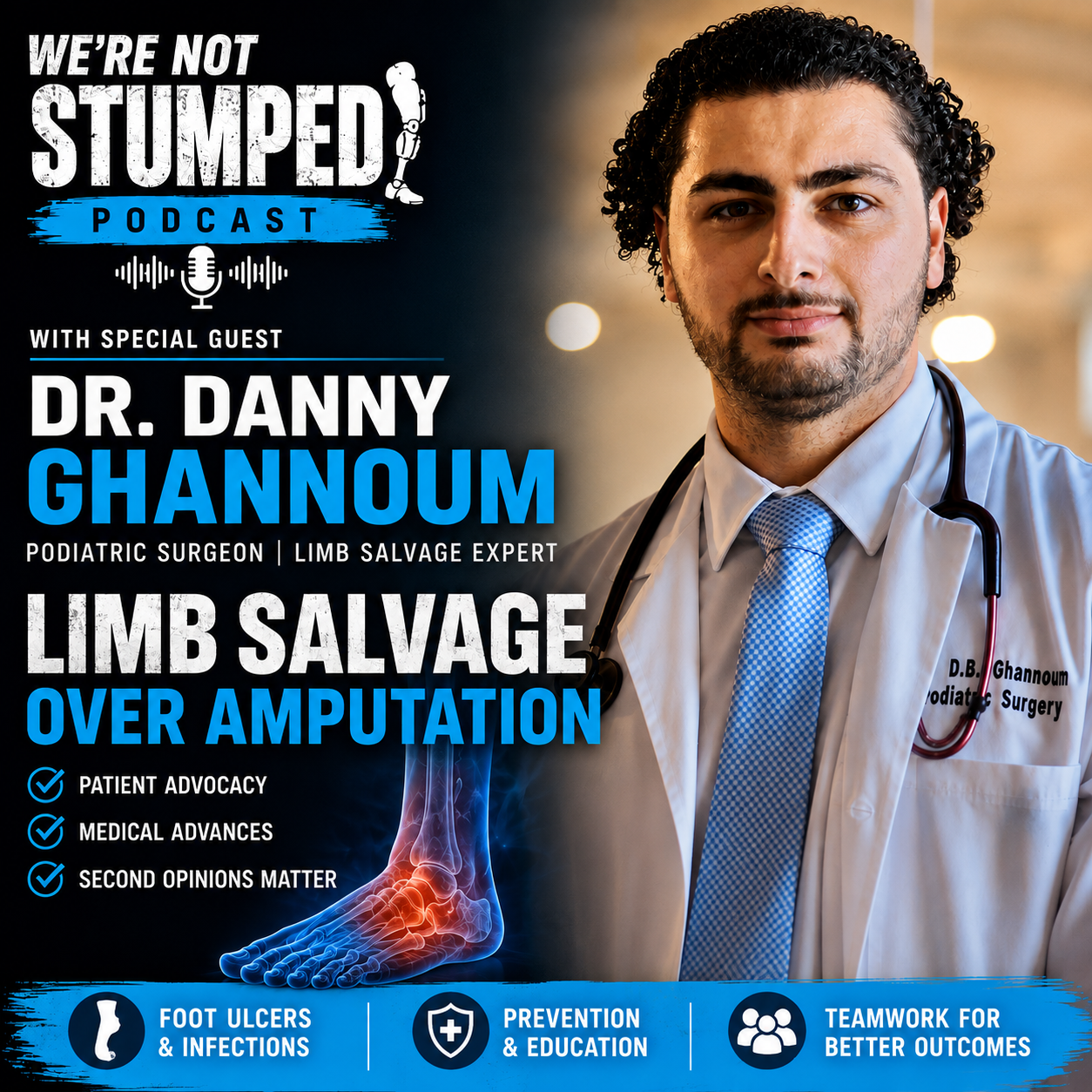
When should a limb be saved—and when might amputation provide a better quality of life? On this episode of We’re Not Stumped, Mike Bolland talks with podiatric surgeon Dr. Danny Ghannoum about limb salvage, diabetic foot complications, Charcot neuroarthropathy, bone infections, and the difficult decisions that can lead to lower-limb amputation. Dr. Ghannoum explains how diabetes, peripheral neuropathy, poor circulation, foot ulcers, and osteomyelitis can put a limb at risk. He also shares complex patient cases that illustrate an important point: saving a limb isn't always the same as achieving the best outcome for the patient.