What happens when lived experience meets entrepreneurship?
In this episode of We’re Not Stumped, Mike Bolland sits down with Owen Kent, an entrepreneur living with muscular dystrophy who is reshaping the future of assistive technology.
After facing limited access to effective rehabilitation tools, Owen co-founded a company to develop a simple, home-based exoskeleton designed to make recovery more accessible. From customer discovery and design thinking to universal design principles, Owen shares how building technology for underserved communities requires more than innovation — it requires empathy.
We dive into:
• Developing a reflex knee brace for post-surgery recovery
• The RAMP (Robotic Assisted Mobility and Manipulation Platform)
• Robotic wheelchairs with advanced AI and robotic arms
• Partnering with the University of Pittsburgh to advance mobility technology
• Why qualitative feedback matters more than traditional KPIs
• The future of robotics in independent living
This conversation is a powerful look at how assistive tech, AI, and robotics are unlocking independence for people with disabilities and the aging population.
If you’re passionate about innovation, accessibility, entrepreneurship, or the future of mobility — this episode is for you.
🎧 Subscribe to We’re Not Stumped for more stories of resilience, innovation, and inclusive design.
Listen on Apple Podcasts
Watch on YouTube
Listen on Spotify
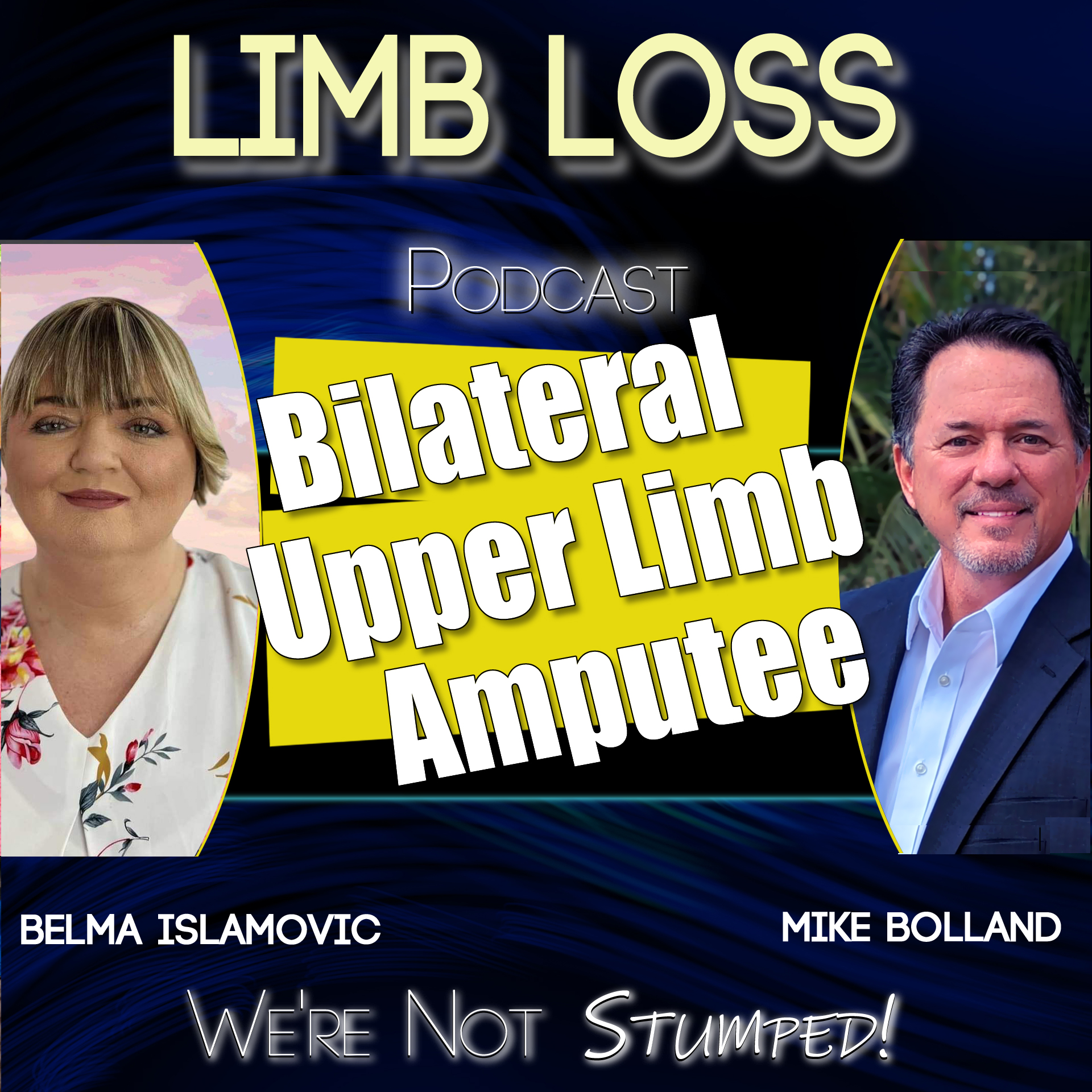
In this inspiring episode of We’re Not Stumped, host Mike Bolland welcomes Belma Islamovic, a double above-elbow amputee, community advocate, and proud member of the Dallas Amputee Network. Mike and Belma first met at Empower Fest in Arizona, and today she shares her remarkable story of survival, resilience, and hope. Belma recounts: • Surviving a devastating explosion during the Bosnian War • Her long medical journey from Bosnia to Italy and ultimately to the United States • Adapting to life without prosthetics and mastering daily tasks using her feet • The emotional and mental health struggles she overcame through support and therapy • Her connection with the Dallas Amputee Network and the power of community Belma’s story is a powerful reminder of human strength, compassion, and the importance of support networks for amputees and trauma survivors.
Civil rights advocate Marc Fishman joins host Mike Bolland to shed light on a critical but overlooked issue: the routine denial of disability accommodations in America’s family courts. After a devastating car accident left him with long-term disabilities and communication challenges, Marc entered a 49-month legal battle—not just for his parental rights, but for his basic ADA protections. He details how New York courts repeatedly refused accommodations like real-time transcription, the federal ADA victories he secured, and how Tennessee v. Lane shaped his fight for access. Marc also reveals the retaliation he faced from judges and public officials and discusses his successful advocacy during COVID helping disabled tenants obtain rent grants. With recent legislative wins offering hope, Marc emphasizes the urgent need for accountability and reform to protect disabled parents nationwide.
Today, I’m honored to sit down once again with Brooke Brown — an “ink weaver of life, faith, and fiction,” an honors graduate of ASU’s Walter Cronkite School of Journalism, Ms. Wheelchair Arizona 2022, and founder of Brooke’s Butterfly Touch, a ministry that helps individuals discover the power and purpose of their own stories. Brooke is also the author of Rolling in Grace: Volume 1 — A Foundation of Faith and Imagination, now available in audio format. Having read it myself, I can promise you: it’s full of relatable, uplifting, and beautifully practical stories. Living with cerebral palsy and using an augmentative communication app, Brooke demonstrates that every voice — every single one — can inspire hope, healing, and opportunity. This is her second appearance on the show, so after watching, don’t forget to visit WereNotStumped.com to catch her first episode.