
General Amputee and Limb Difference Resources Podcast
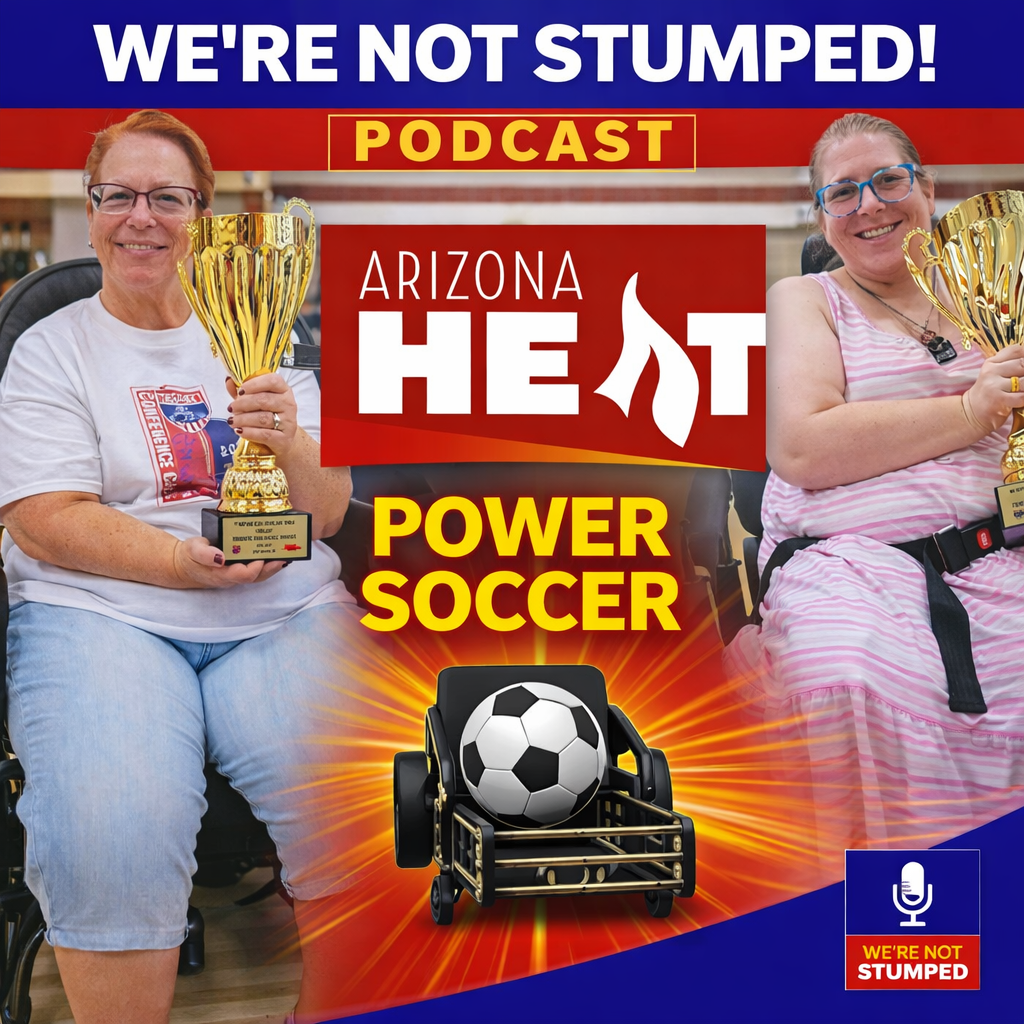
Stacy & Courtney Walker | Arizona Heat Power Soccer Mother-Daughter Duo Headed to Nationals
Stacy and Courtney Walker are proving that teamwork knows no limits. As the only known mother-daughter duo in wheelchair power soccer, they proudly represent Arizona Heat Power Soccer—competing, training, and pushing boundaries together on and off the court. Their journey is about more than just the game. It’s about resilience, family, and the power of adaptive sports to change lives. On this episode of We’re Not Stumped, host Mike Bolland sits down with Stacy and Courtney to share their story—how they got involved in power soccer, what it’s like competing side by side, and what being part of Arizona Heat Power Soccer truly means. Now, they’re working toward their next big goal: competing at Power Soccer Nationals.
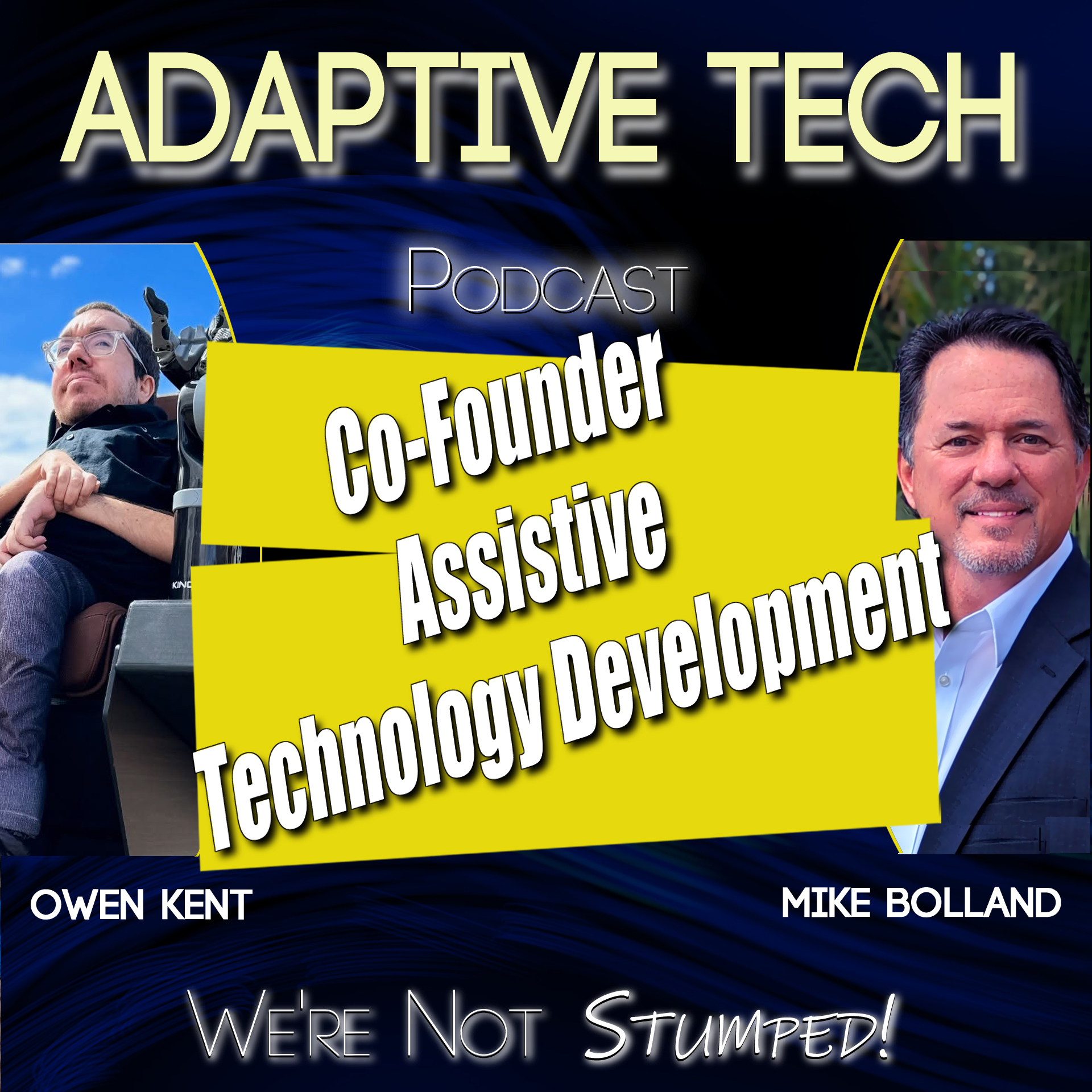
From Muscular Dystrophy to Robotics Founder: Building the Future of Assistive Technology
What happens when lived experience meets entrepreneurship? In this episode of We’re Not Stumped, Mike Bolland sits down with Owen Kent, an entrepreneur living with muscular dystrophy who is reshaping the future of assistive technology. After facing limited access to effective rehabilitation tools, Owen co-founded a company to develop a simple, home-based exoskeleton designed to make recovery more accessible. From customer discovery and design thinking to universal design principles, Owen shares how building technology for underserved communities requires more than innovation — it requires empathy.
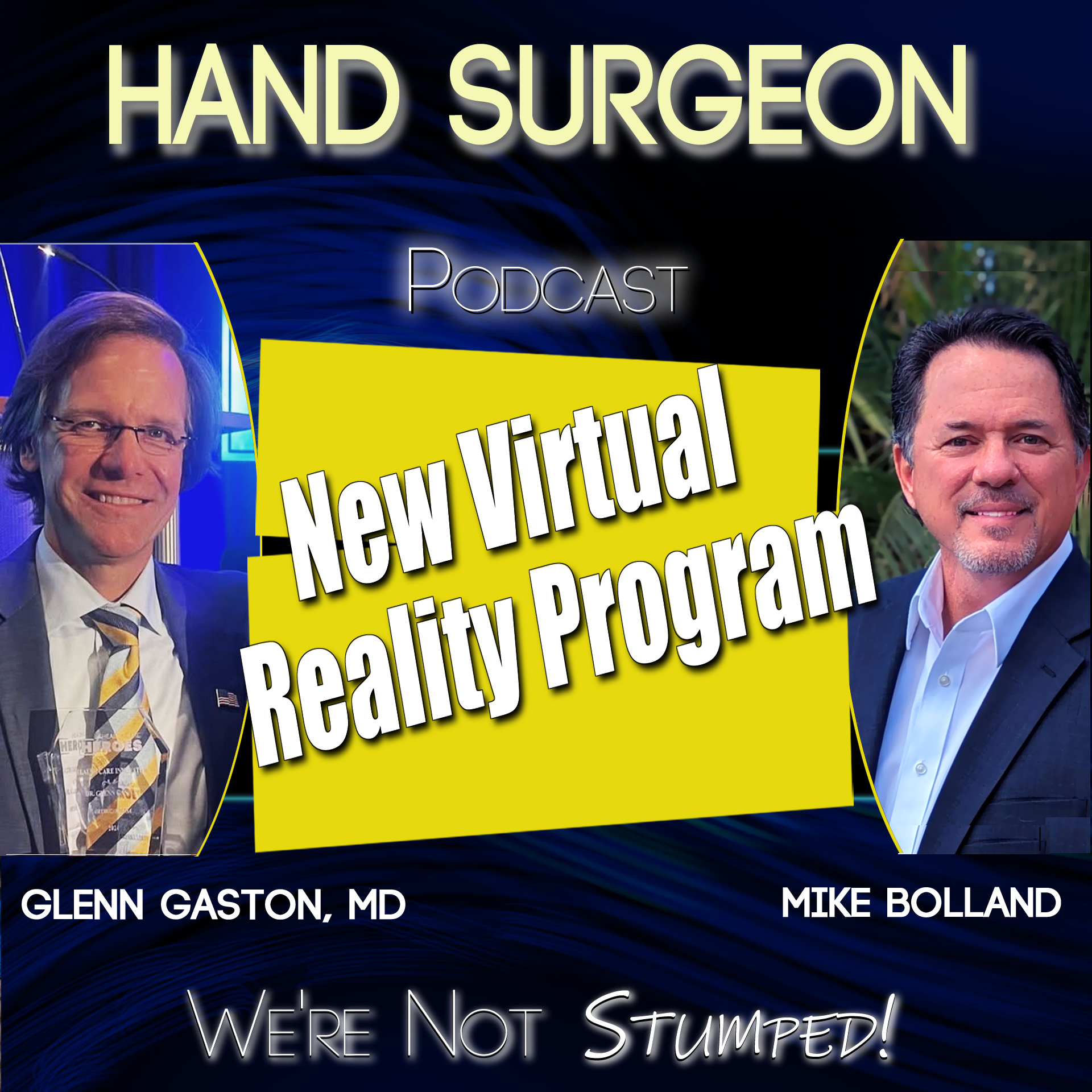
Starfish Surgery + VR Therapy: Breakthrough Treatments for Phantom Limb Pain | Dr. Glenn Gaston
What if surgery and virtual reality could dramatically reduce phantom limb pain? On this episode of We’re Not Stumped, host Mike Bolland sits down with Dr. Glenn Gaston, orthopedic hand and upper-extremity surgeon, to explore groundbreaking innovations in amputee care — including the Starfish Procedure and a virtual reality treatment for phantom limb pain. Dr. Gaston shares how a life-changing patient experience led him to build a dedicated amputee clinic and push beyond century-old methods of care He also shares his journey into amputee care, the inspiration behind his innovations, and why collaboration between surgeons, prosthetists, therapists, and mental health professionals is shaping the future of limb loss recovery.
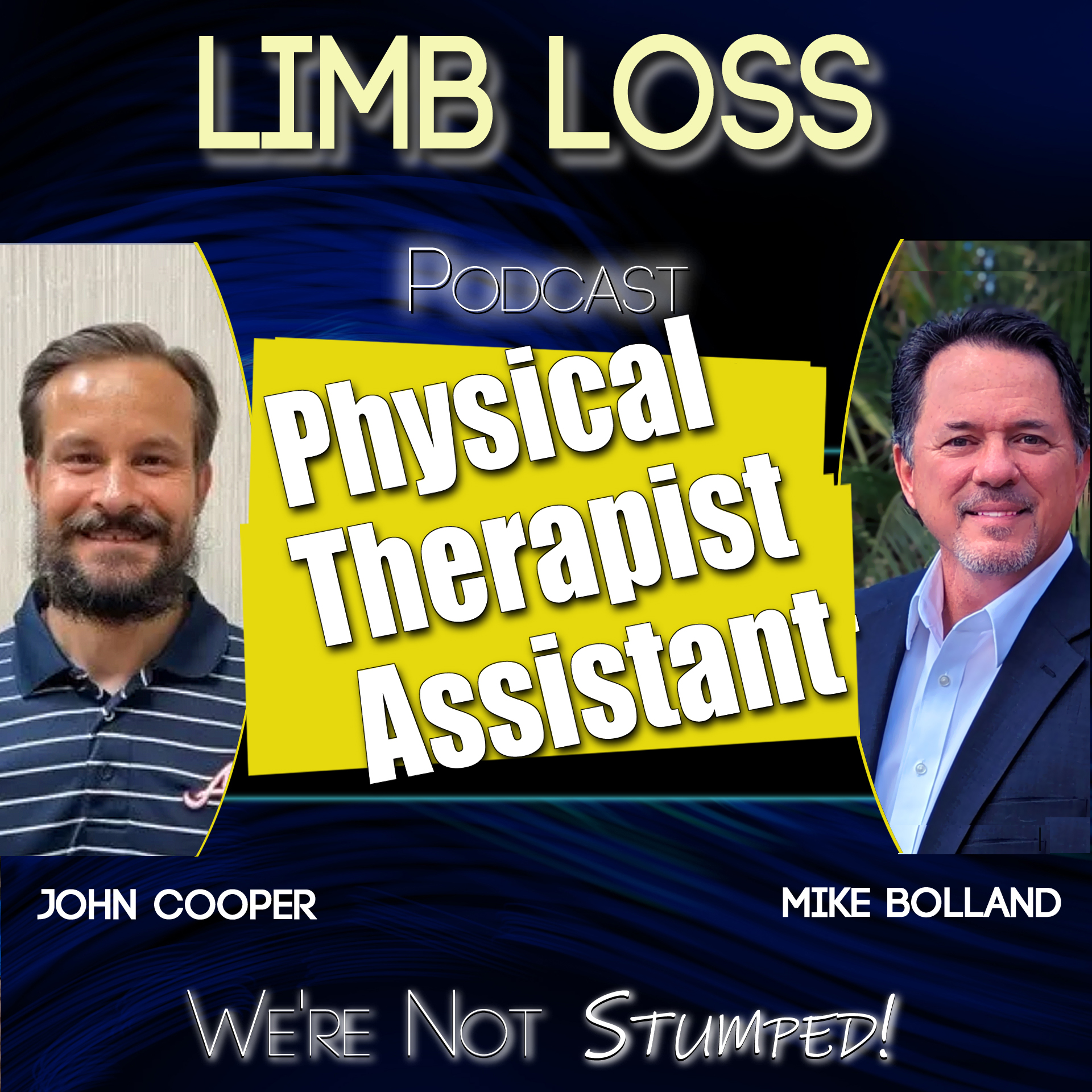
From Setbacks to Strength: Supporting Amputees Through Physical Therapy & Collaboration
In this inspiring episode of We’re Not Stumped, Mike talks with John Cooper, a physical therapist assistant with 18 years of experience, about his journey into physical therapy and his passion for working with lower-limb amputees. John shares how his grandfather’s recovery from brain surgery sparked his career, and how close collaboration with prosthetists helps him address the real-world challenges amputees face every day. He explains why patience matters in rehab, why quality beats quantity in therapy sessions, and how setbacks can become powerful turning points.
Enable Review Launch: A Community-Powered Platform for Prosthetic & Rehab Care
Mike Bolland shares the story behind Enable Review — a new community-powered platform created to help people with limb loss, limb difference, and caregivers find prosthetic, orthotic, and rehabilitation care they can trust. After hearing powerful stories from guests and listeners, Mike explains why real patient experiences matter — and how Enable Review puts those voices front and center. Enable Review isn’t about ads or marketing. It’s about lived experience. If you’ve worked with a prosthetist, orthotist, physical therapist, or rehab clinic, we invite you to be part of our early community. https://enablereview.com/
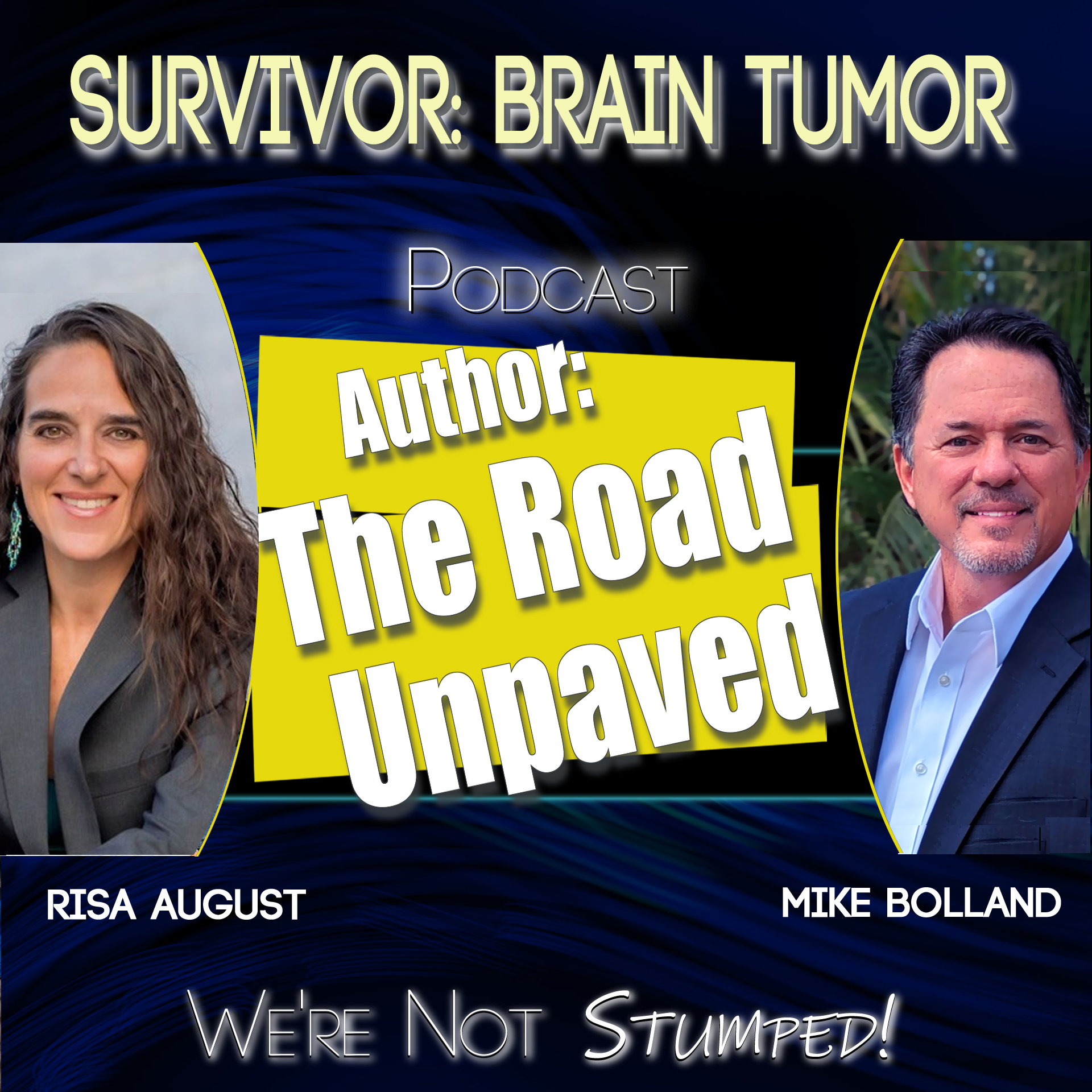
Cancer Survivor Turns Diagnosis Into Purpose | Risa August
Host Mike Bolland sits down with Risa August — cancer survivor, author, patient advocate, and TEDx speaker — to talk about transforming adversity into impact. Risa shares her journey after being diagnosed with acromegaly, the life-altering treatments she endured, and how she rebuilt her life with courage, mindset, and purpose. From losing her identity to riding 1,845 miles from Canada to Mexico, Risa proves that resilience can create extraordinary new beginnings. This conversation is about more than survival — it’s about finding purpose, shifting your mindset, and helping others rise after life’s greatest challenges.
About General Amputee and Limb Difference Resources
“General amputee resources” refer to a broad range of information, services, organizations, and support systems available to individuals who have experienced limb loss or limb differences, as well as their families and caregivers. These resources aim to provide assistance, education, guidance, and community to help amputees adapt to their circumstances, regain independence, and improve their overall quality of life. Here are some examples of general amputee resources:
- Amputee Support Groups: These are local or online communities where amputees can connect with others who have had similar experiences, share advice, and provide emotional support.
- Rehabilitation Services: Rehabilitation centers and physical therapists provide specialized care and training to help amputees regain strength, mobility, and function. Occupational therapists assist with adapting to daily life.
- Educational Materials: Websites, books, and brochures provide information about living with limb loss, prosthetic care, mobility techniques, and maintaining a healthy lifestyle.
- Advocacy Organizations: Nonprofit organizations and advocacy groups, such as the Amputee Coalition, offer resources, education, and advocacy to promote the rights and well-being of amputees.
- Financial Assistance Programs: Some organizations and foundations provide financial assistance or grants to help amputees access necessary prosthetic devices and services.
- Peer Mentoring Programs: These programs match experienced amputees with newly amputated individuals to provide guidance, support, and encouragement during the recovery and adjustment process.
- Government Agencies: Government departments or agencies may offer disability benefits, vocational rehabilitation programs, and resources to assist amputees in securing employment and accessing healthcare services.
- Adaptive Sports and Recreation: Organizations dedicated to adaptive sports and recreational activities offer opportunities for amputees to participate in various physical activities and competitions.
These general amputee resources are essential for individuals adjusting to life after limb loss, as they can provide guidance, support, and practical solutions to help amputees lead fulfilling and independent lives. The specific resources available may vary by location, so individuals are encouraged to explore the options relevant to their needs and circumstances.