
General Amputee and Limb Difference Resources Podcast
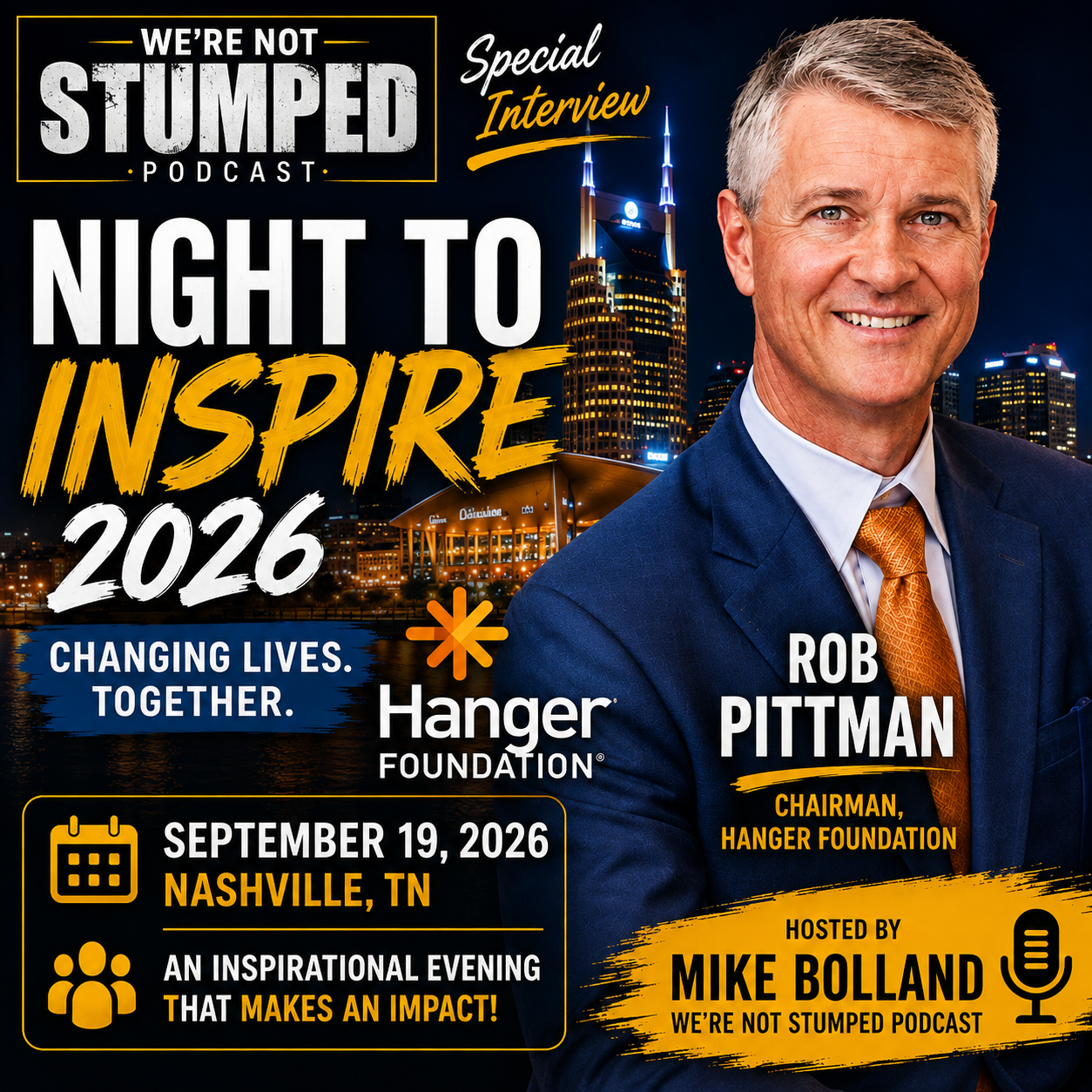
Hanger Foundation’s Night to Inspire 2026: Rob Pittman on Supporting the Limb Loss Community
What happens when the limb loss community, prosthetics professionals, nonprofits, and supporters come together for a weekend built around giving back? In this episode of We’re Not Stumped, Mike Bolland talks with Rob Pittman of Hanger, Chairman of the Hanger Foundation’s Night to Inspire, about the upcoming 2026 Night to Inspire in Nashville, Tennessee. Now in its third year, Night to Inspire is expanding into a full weekend experience designed to raise funds, build awareness, and support organizations helping people with limb loss, limb difference, and mobility challenges.
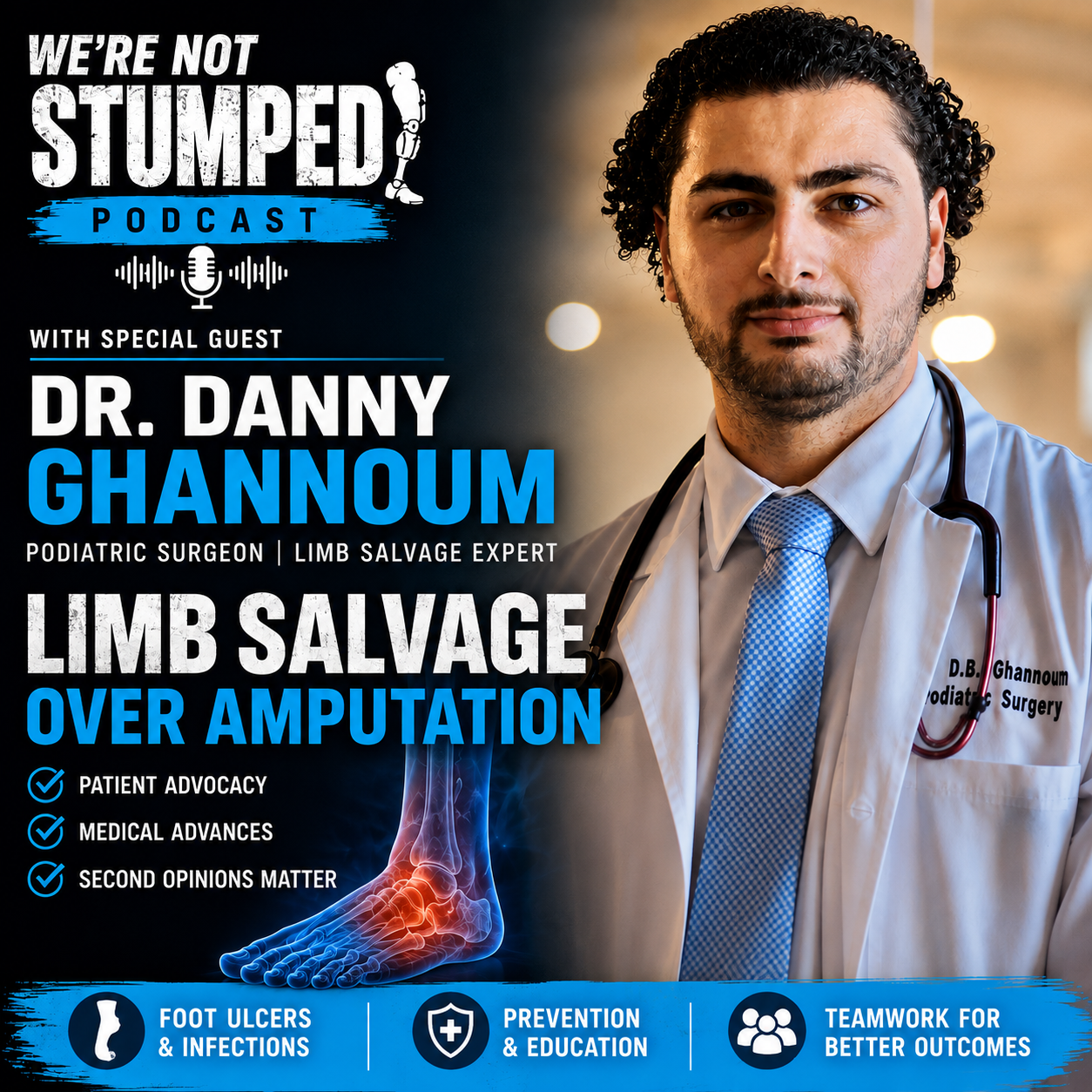
Limb Salvage vs. Amputation: When Is Saving the Limb Not the Best Outcome
When should a limb be saved—and when might amputation provide a better quality of life? On this episode of We’re Not Stumped, Mike Bolland talks with podiatric surgeon Dr. Danny Ghannoum about limb salvage, diabetic foot complications, Charcot neuroarthropathy, bone infections, and the difficult decisions that can lead to lower-limb amputation. Dr. Ghannoum explains how diabetes, peripheral neuropathy, poor circulation, foot ulcers, and osteomyelitis can put a limb at risk. He also shares complex patient cases that illustrate an important point: saving a limb isn't always the same as achieving the best outcome for the patient.
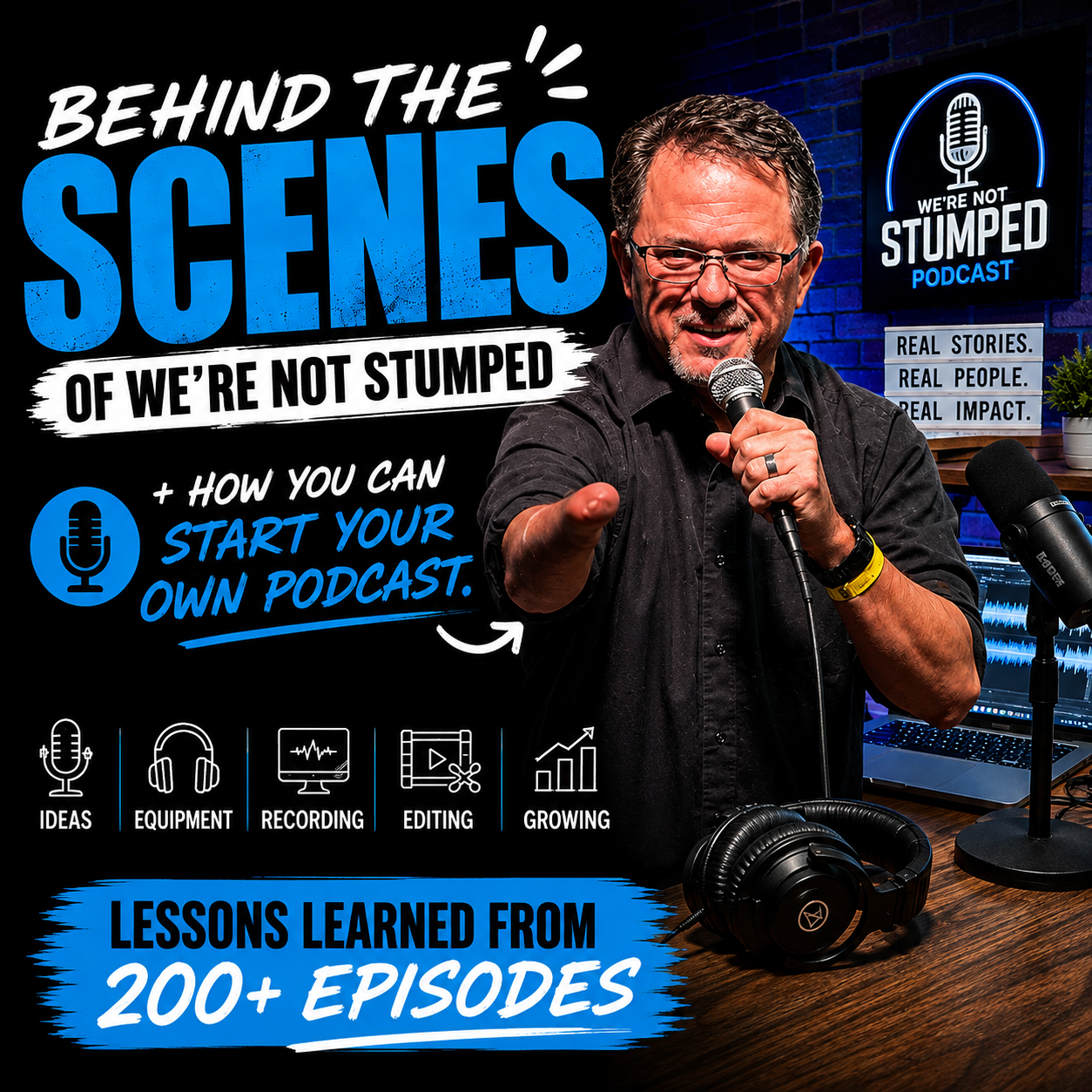
What Really Goes Into Producing the We’re Not Stumped Podcast
What does it really take to produce a podcast? In this special solo episode of We're Not Stumped, I'm taking you behind the scenes to share how the podcast started, what happens before and after every interview, and the lessons I've learned from producing more than 200 episodes. I'll talk about: Why I decided to start the podcast My recording setup and workflow Editing What I'd do differently if I were starting today Advice for anyone thinking about launching their own podcast Whether you're interested in podcasting, storytelling, or simply curious about what goes into creating We're Not Stumped, I hope this episode gives you a new perspective—and maybe the confidence to start your own show.
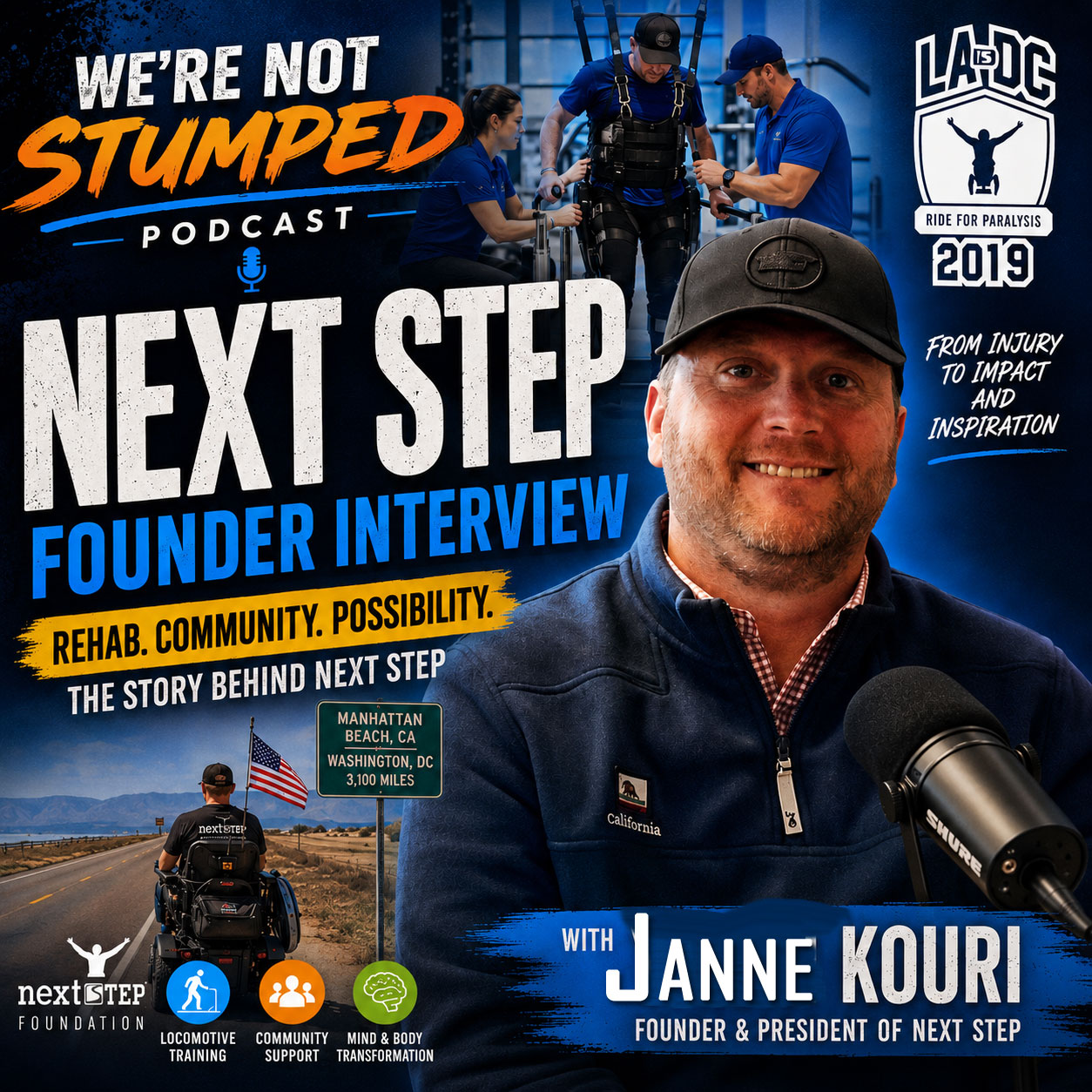
Janne Kouri Founder of NextStep and Loncaro
In this episode of the We're Not Stumped podcast, host Mike Bolland sits down with Janne Kouri, entrepreneur, founder of NextStep, and co-founder of Lencaro Finnish Long Drink. Janne shares the incredible story of how a spinal cord injury from a swimming accident in 2006 changed the course of his life. After spending two months in the ICU battling paralysis, pneumonia, and a 104-degree fever, he traveled more than 2,000 miles to receive groundbreaking activity-based rehabilitation that wasn't covered by insurance—but changed everything. That experience inspired him to create NextStep, a nonprofit rehabilitation center that helps people living with paralysis access advanced therapy long after traditional insurance benefits end.
Hope, Mobility, and Giving Back | Amputee Aid & A Leg Forever
Access to the resources, support, and equipment needed after limb loss can change a person's life—but for many, those essentials remain out of reach. In this episode of We're Not Stumped, host Mike Bolland spotlights Amputee Aid and A Leg Forever, two organizations dedicated to helping people with limb loss reclaim independence, confidence, and hope. While each organization has its own unique mission, both are committed to removing barriers by providing financial assistance, equipment, peer support, and other critical resources that help individuals move forward after amputation. Mike discusses why a supportive community can make all the difference during recovery and beyond. Whether you're living with limb loss, supporting someone who is, or simply looking for stories of compassion, advocacy, and resilience, this episode highlights how generosity and community can create lasting change.
Why Confidence Matters More Than the Prosthetic
What does it really take to learn to walk again after an amputation? In this episode of We're Not Stumped, Mike Bolland welcomes physical therapist John Lottes, DPT, Clinical Supervisor at First Step Physical Therapy and an adjunct professor who specializes in prosthetic rehabilitation. John shares how an unexpected career path led him to working with individuals with limb loss and explains why the biggest hurdle in recovery often isn't physical—it's confidence. Together, Mike and John discuss the importance of celebrating small victories, building trust with your rehabilitation team, and developing the mindset needed to regain independence.
About General Amputee and Limb Difference Resources
“General amputee resources” refer to a broad range of information, services, organizations, and support systems available to individuals who have experienced limb loss or limb differences, as well as their families and caregivers. These resources aim to provide assistance, education, guidance, and community to help amputees adapt to their circumstances, regain independence, and improve their overall quality of life. Here are some examples of general amputee resources:
- Amputee Support Groups: These are local or online communities where amputees can connect with others who have had similar experiences, share advice, and provide emotional support.
- Rehabilitation Services: Rehabilitation centers and physical therapists provide specialized care and training to help amputees regain strength, mobility, and function. Occupational therapists assist with adapting to daily life.
- Educational Materials: Websites, books, and brochures provide information about living with limb loss, prosthetic care, mobility techniques, and maintaining a healthy lifestyle.
- Advocacy Organizations: Nonprofit organizations and advocacy groups, such as the Amputee Coalition, offer resources, education, and advocacy to promote the rights and well-being of amputees.
- Financial Assistance Programs: Some organizations and foundations provide financial assistance or grants to help amputees access necessary prosthetic devices and services.
- Peer Mentoring Programs: These programs match experienced amputees with newly amputated individuals to provide guidance, support, and encouragement during the recovery and adjustment process.
- Government Agencies: Government departments or agencies may offer disability benefits, vocational rehabilitation programs, and resources to assist amputees in securing employment and accessing healthcare services.
- Adaptive Sports and Recreation: Organizations dedicated to adaptive sports and recreational activities offer opportunities for amputees to participate in various physical activities and competitions.
These general amputee resources are essential for individuals adjusting to life after limb loss, as they can provide guidance, support, and practical solutions to help amputees lead fulfilling and independent lives. The specific resources available may vary by location, so individuals are encouraged to explore the options relevant to their needs and circumstances.