
General Amputee and Limb Difference Resources Podcast
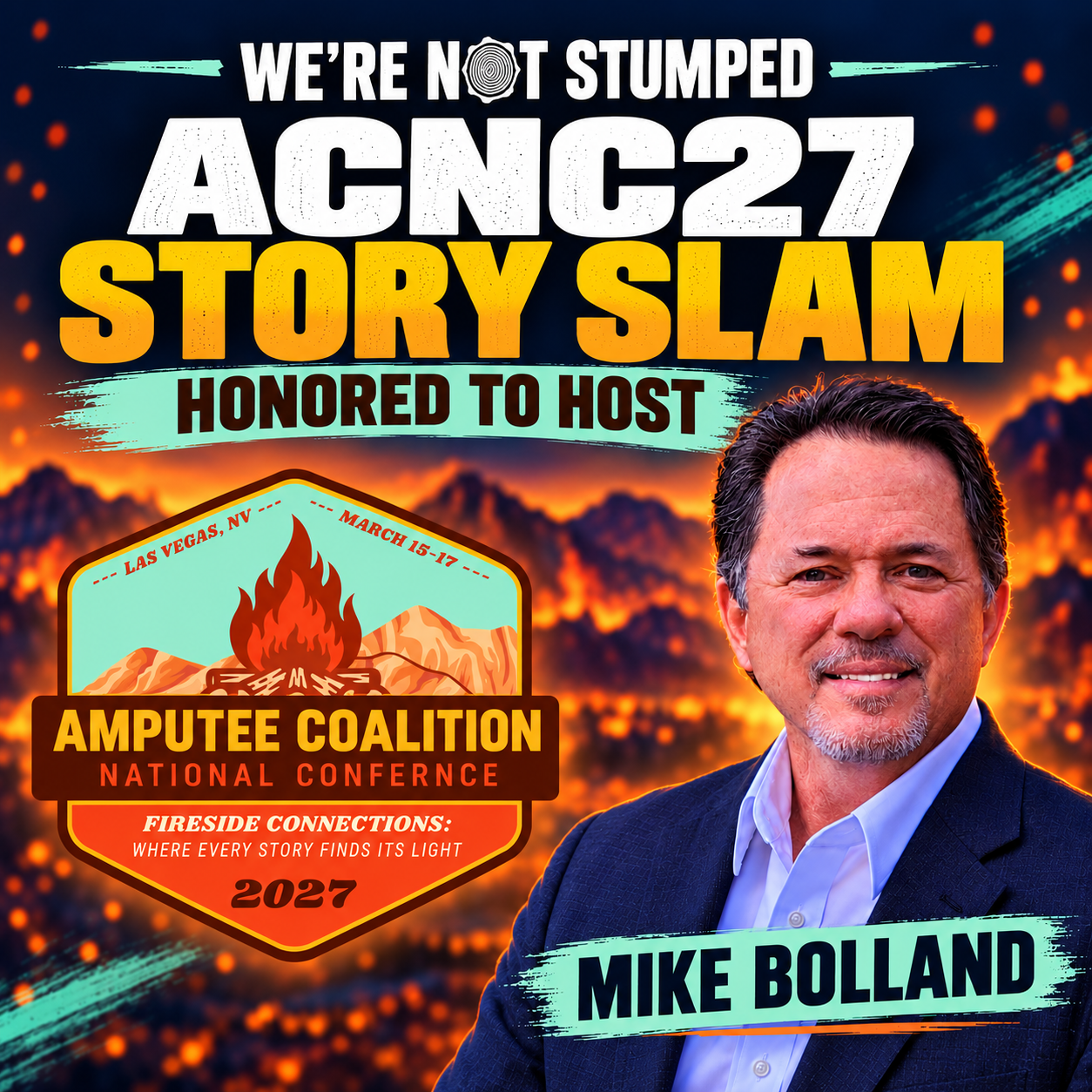
Your Story Belongs: Amputee Coalition Story Slam
Everyone has a story worth sharing—and at the 2027 Amputee Coalition National Conference, those stories will take center stage. It’s an honor for We're Not Stumped host Mike Bolland to serve as host and help create a welcoming space for the community’s voices. “Story Slam: Where Every Story Finds Its Light” brings the community together for an evening of laughter, connection, and five-minute stories. Twenty storytellers will be selected at random to share a moment from their lives. There’s no competition, no judging, and no expectation that a story must be inspirational or about limb loss or limb difference. In this episode of We’re Not Stumped, Mike Bolland introduces the event and shares what attendees can look forward to.
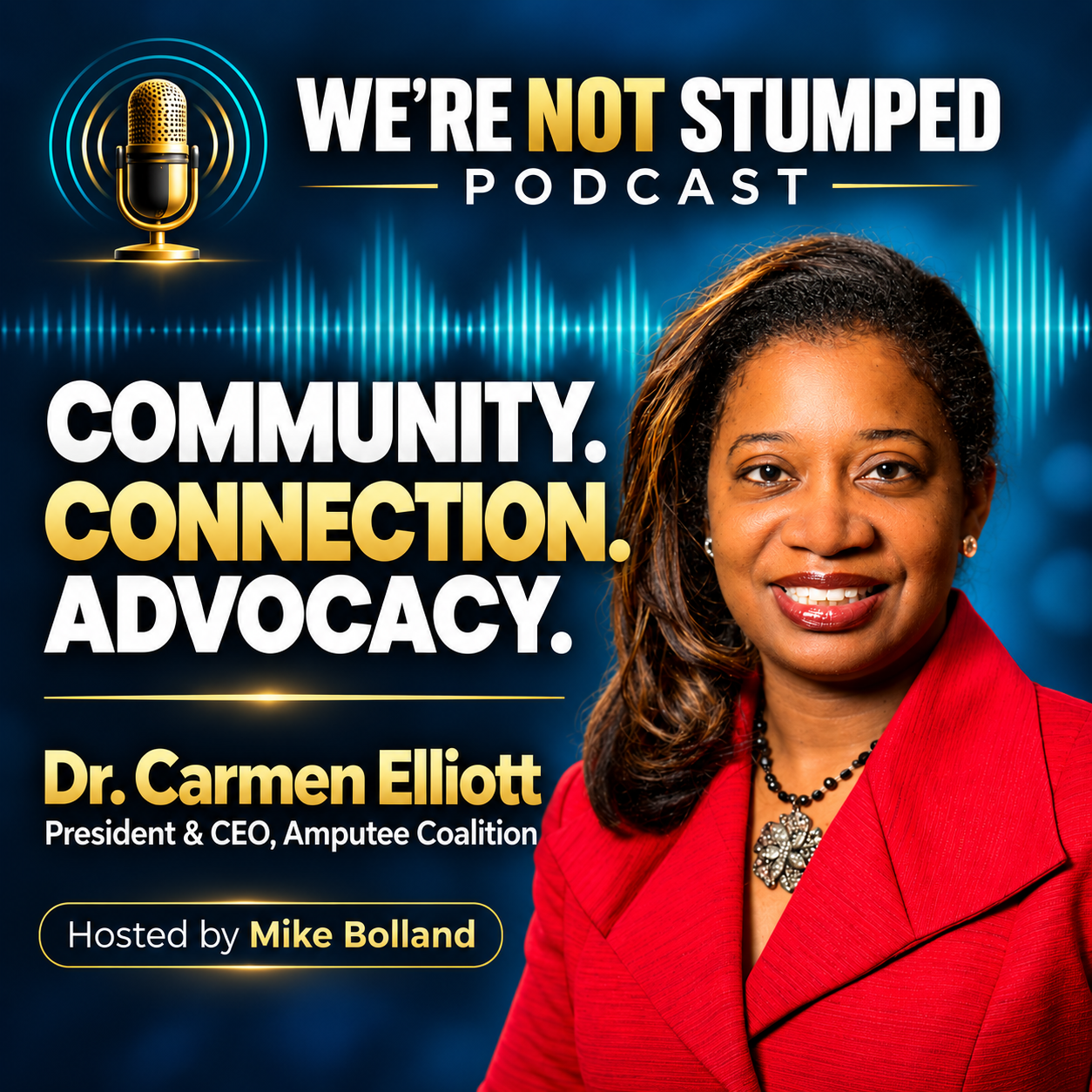
Community, Connection & Advocacy with Amputee Coalition CEO Dr. Carmen Elliott
Dr. Carmen Elliott, the new President and CEO of the Amputee Coalition, joins Mike Bolland for a conversation about community, advocacy, and helping people with limb loss and limb difference find the support they need. Carmen shares how her family’s experiences with healthcare access and limb loss shaped her commitment to this work. Together, they explore the value of peer support, access to prosthetics, and including families and caregivers in the conversation. They also discuss support groups, certified peer visitors, AC Connect, and the upcoming “Fireside Connections” conference.
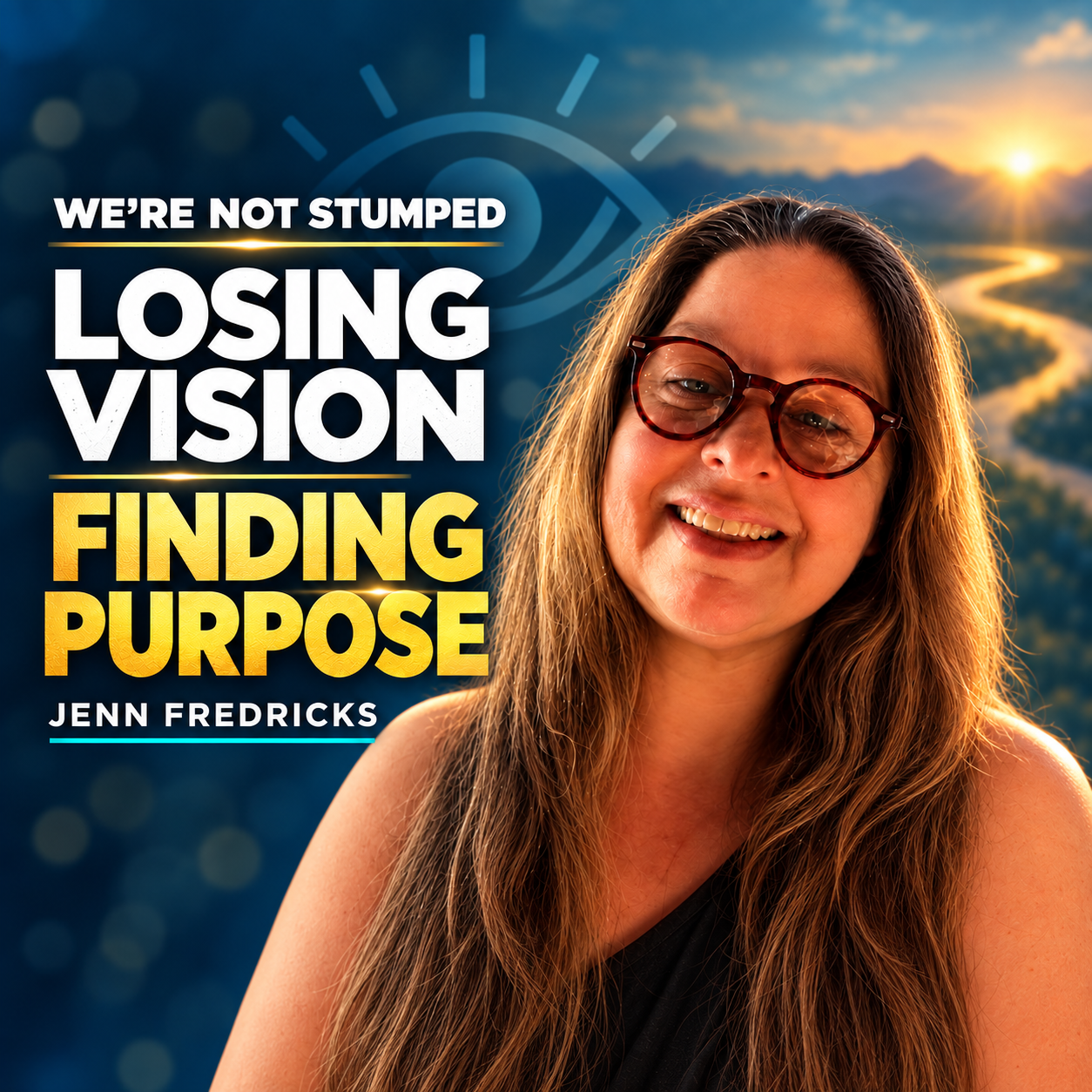
Losing Vision, Finding Purpose with Jennifer Frederick
How do you move forward when vision loss changes your career, independence, and plans for the future? In this episode of We’re Not Stumped, Mike Bolland speaks with Jennifer Frederick about living with permanent vision loss and learning to advocate for herself along the way. Jennifer explains how changes in her vision eventually forced her to leave a career in crisis management. She also discusses the challenges she now faces while looking for work, including interview practices that have left her questioning whether she is being treated fairly as a person with a disability. The conversation explores Jenn’s decision not to undergo surgery for her detached retinas, the importance of seeking medical attention when your vision changes, and the need to take ownership of your healthcare.
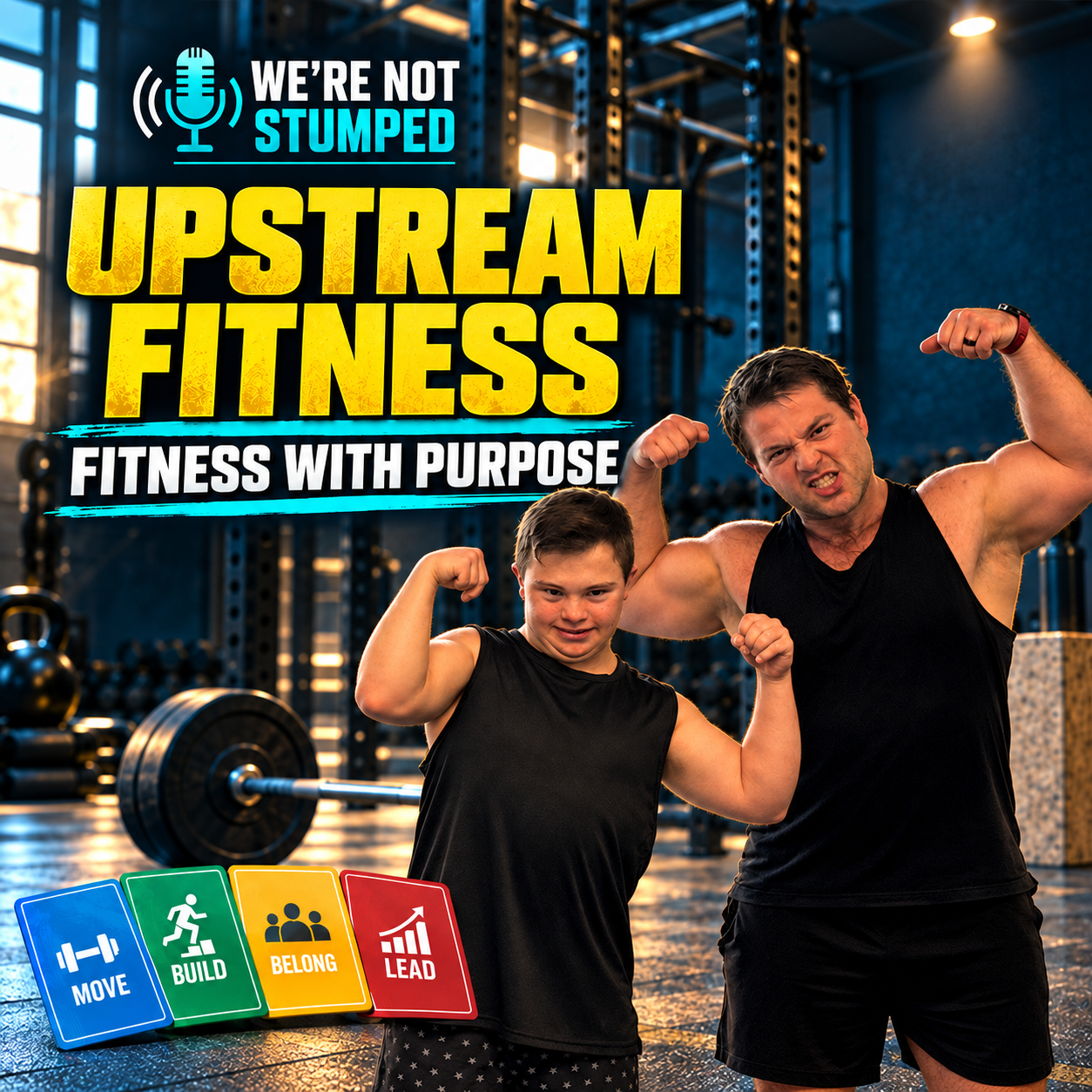
Down Syndrome, Fitness & Meaningful Employment | Coach Cam’s Journey
What happens when we stop deciding what someone is capable of—and give them the opportunity to lead? In this episode of We’re Not Stumped, Mike Bolland speaks with Nathan Kennedy of Upstream Fitness, Chris Kocurek, and Chris’s son, Coach Cameron “Coach Cam” Kocurek. Cameron, who has Down syndrome, began gymnastics as a child and went on to compete through Special Olympics and unified gymnastics. Today, he is using the confidence and skills he developed as an athlete to help coach others at Upstream Fitness. Nathan explains how Upstream Fitness uses movement, games, coaching cards, and step-by-step instruction to make exercise accessible for people with intellectual and developmental disabilities. Chris shares Cameron’s journey from athlete to assistant PE coach—and now toward meaningful employment and greater independence.
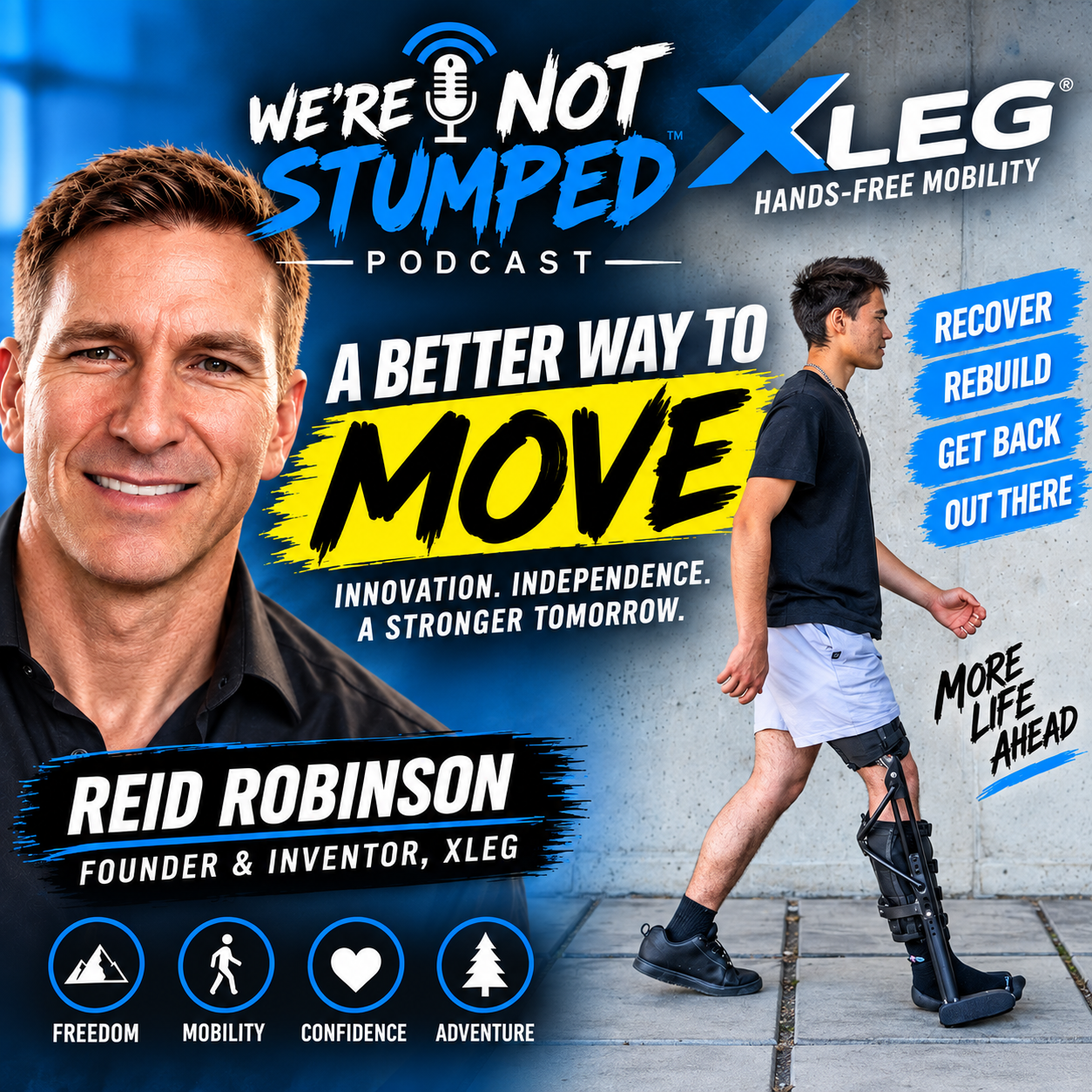
From 13 Surgeries to Inventing the X-Leg with Reid Robinson
After losing control on an icy road in Calgary, Reid Robinson crashed into a tree and suffered devastating injuries to his lower leg. What followed were two and a half years of recovery, 13 surgeries, broken surgical hardware, bone infections, and a difficult decision between amputation and trying once more to save his leg. While recovering, Reid realized that none of the available mobility devices gave him the freedom he needed. So, despite having no welding experience, he taught himself by watching online videos and built his first leg brace from aluminum, crutches, and an IKEA cutting board. That garage-built prototype eventually became the X-Leg, a hands-free knee crutch designed to help people with lower-leg injuries stay active and independent during recovery.
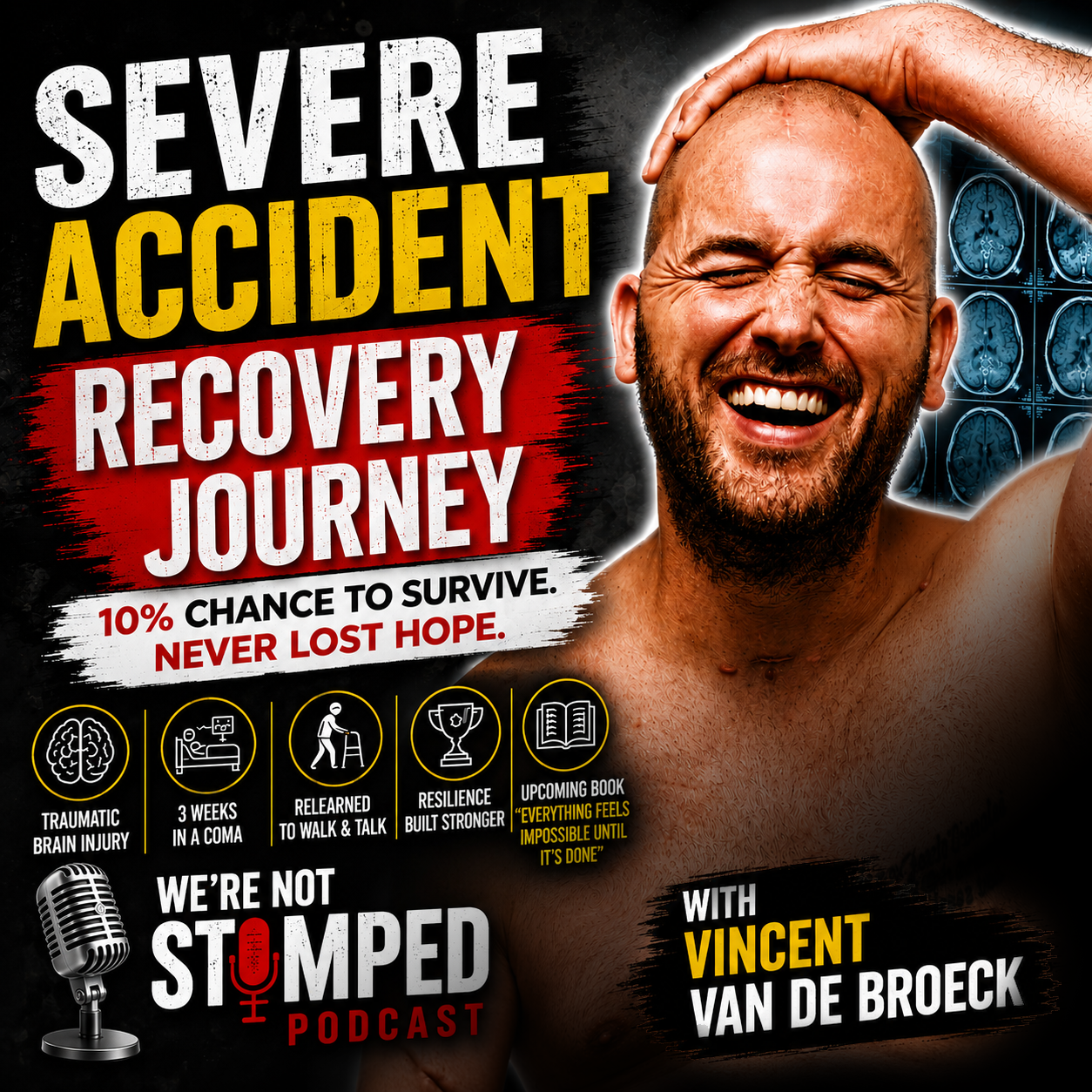
10% Chance of Survival: Vincent Van de Broeck’s TBI & Coma Recovery
In this episode of We’re Not Stumped, host Mike Bolland talks with Vincent about his extraordinary recovery—relearning how to walk, talk, eat, and handle everyday tasks most of us take for granted. Vincent shares what it was really like to gradually wake from a coma, the difficult prognosis his family faced, and the extensive damage to his skull that eventually required a custom 3D-printed implant. He also discusses the people who refused to give up on him, particularly his wife and family, who lived through weeks of uncertainty while Vincent was unconscious. Through his recovery, Vincent came to see resilience not simply as something you're born with, but as something you can develop and strengthen. That experience also helped shape the ideas behind his book, Everything Feels Impossible Until It’s Done
About General Amputee and Limb Difference Resources
“General amputee resources” refer to a broad range of information, services, organizations, and support systems available to individuals who have experienced limb loss or limb differences, as well as their families and caregivers. These resources aim to provide assistance, education, guidance, and community to help amputees adapt to their circumstances, regain independence, and improve their overall quality of life. Here are some examples of general amputee resources:
- Amputee Support Groups: These are local or online communities where amputees can connect with others who have had similar experiences, share advice, and provide emotional support.
- Rehabilitation Services: Rehabilitation centers and physical therapists provide specialized care and training to help amputees regain strength, mobility, and function. Occupational therapists assist with adapting to daily life.
- Educational Materials: Websites, books, and brochures provide information about living with limb loss, prosthetic care, mobility techniques, and maintaining a healthy lifestyle.
- Advocacy Organizations: Nonprofit organizations and advocacy groups, such as the Amputee Coalition, offer resources, education, and advocacy to promote the rights and well-being of amputees.
- Financial Assistance Programs: Some organizations and foundations provide financial assistance or grants to help amputees access necessary prosthetic devices and services.
- Peer Mentoring Programs: These programs match experienced amputees with newly amputated individuals to provide guidance, support, and encouragement during the recovery and adjustment process.
- Government Agencies: Government departments or agencies may offer disability benefits, vocational rehabilitation programs, and resources to assist amputees in securing employment and accessing healthcare services.
- Adaptive Sports and Recreation: Organizations dedicated to adaptive sports and recreational activities offer opportunities for amputees to participate in various physical activities and competitions.
These general amputee resources are essential for individuals adjusting to life after limb loss, as they can provide guidance, support, and practical solutions to help amputees lead fulfilling and independent lives. The specific resources available may vary by location, so individuals are encouraged to explore the options relevant to their needs and circumstances.