
Since the age of three, Kara Skrubis has practiced ballet. Throughout her youth, she traveled the nation, showcasing her ballet prowess. Alongside her performances, she commenced teaching ballet and started her studies as a dance major at University at Buffalo.
However, her trajectory took an unforeseen twist during her inaugural semester at UB. In October 2019, Skrubis awoke to excruciating pain in her left knee, soon accompanied by a concerning “warm lump.” Despite a visit to a local urgent care facility, the ailment remained undiagnosed. It wasn’t until three months later, under the care of an orthopedic specialist, that a tumor was discovered in her left tibia.
At 18 years old, Skrubis received the diagnosis of osteosarcoma, a rare form of bone cancer predominantly affecting teenagers and young adults. While receiving treatment, Skrubis was compelled to take a time off from her studies for a year. Her journey started with chemotherapy in February 2020, followed by the amputation of her left leg in April 2020 to eradicate the cancer. Subsequently, she underwent immunotherapy until June 2021, concluding her treatment regimen with chemotherapy in September 2021.
During her stay in the hospital, Skrubis says her mother, Lisa, 54, found and connected with MIB Agents, a pediatric osteosarcoma nonprofit that provides resources, information and support to patients and families.
Skrubis still practices ballet, but she changed her majors from dance and psychology to psychology and health and human sciences so she can work with other youth diagnosed with cancer.
Links:
MIB Agents: https://www.mibagents.org
People Magazine Article: https://people.com/health/kara-skrubis-talks-continuing-ballet-following-bone-cancer-leg-amputation-i-never-gave-up/
#amputee #amputeelife #amputeestrong #prosthetics #prostheticleg #amputeegirl #amplife #amputation #limbloss #amputees #adaptiveathlete #amputeefitness #prosthetic #motivation #prosthesis #adaptive #oneleg #amputados #amputeewoman #inspiration #osteosarcoma #cancer #sarcoma #bonecancer #cancersucks #childhoodcancer #cancersurvivor #osteosarcomaawareness #childhoodcancerawareness #cancerawareness #cancerfighter #pediatriccancer #bonetumor
Listen on Apple Podcasts
Watch on YouTube
Listen on Spotify

Everyone has a story worth sharing—and at the 2027 Amputee Coalition National Conference, those stories will take center stage. It’s an honor for We're Not Stumped host Mike Bolland to serve as host and help create a welcoming space for the community’s voices. “Story Slam: Where Every Story Finds Its Light” brings the community together for an evening of laughter, connection, and five-minute stories. Twenty storytellers will be selected at random to share a moment from their lives. There’s no competition, no judging, and no expectation that a story must be inspirational or about limb loss or limb difference. In this episode of We’re Not Stumped, Mike Bolland introduces the event and shares what attendees can look forward to.
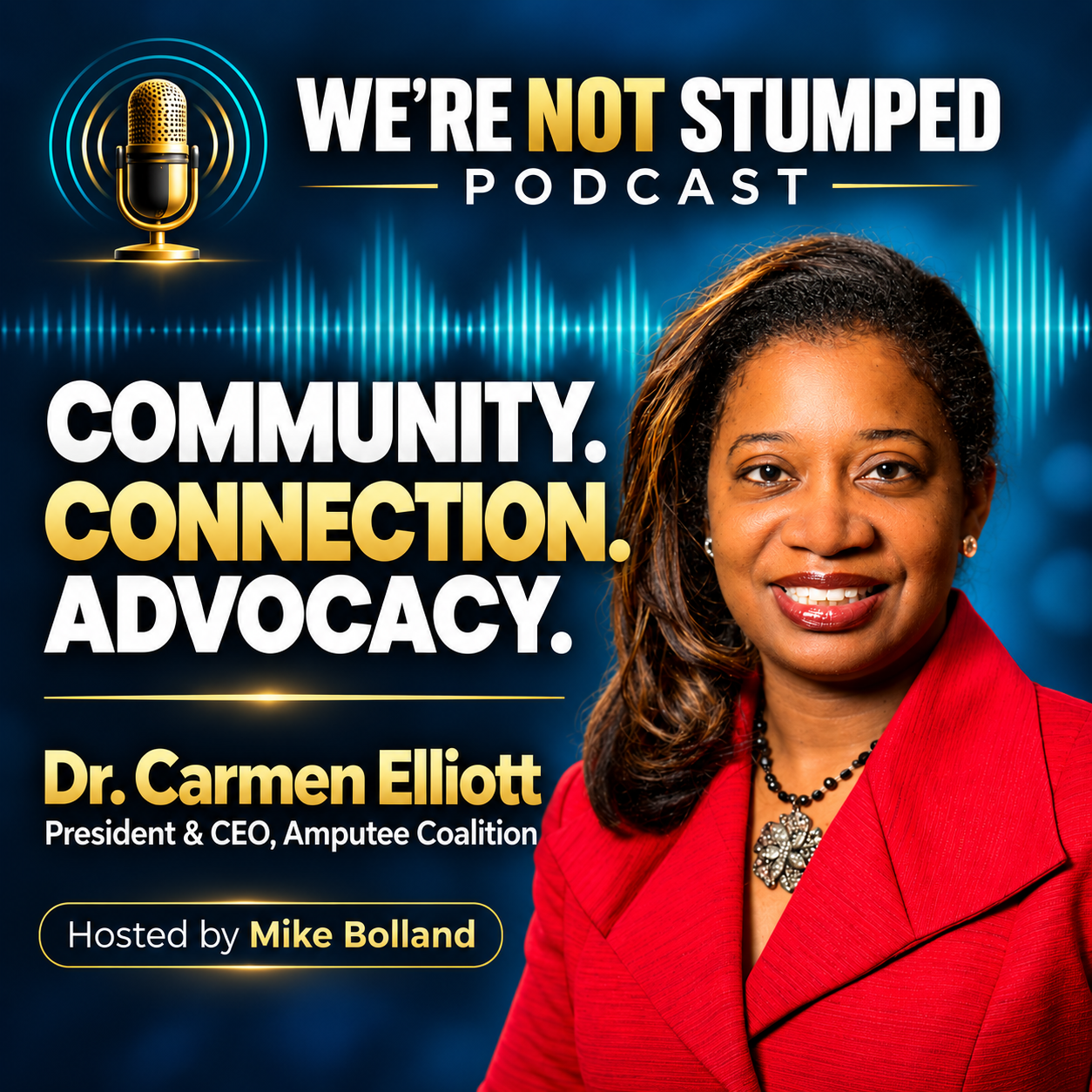
Dr. Carmen Elliott, the new President and CEO of the Amputee Coalition, joins Mike Bolland for a conversation about community, advocacy, and helping people with limb loss and limb difference find the support they need. Carmen shares how her family’s experiences with healthcare access and limb loss shaped her commitment to this work. Together, they explore the value of peer support, access to prosthetics, and including families and caregivers in the conversation. They also discuss support groups, certified peer visitors, AC Connect, and the upcoming “Fireside Connections” conference.
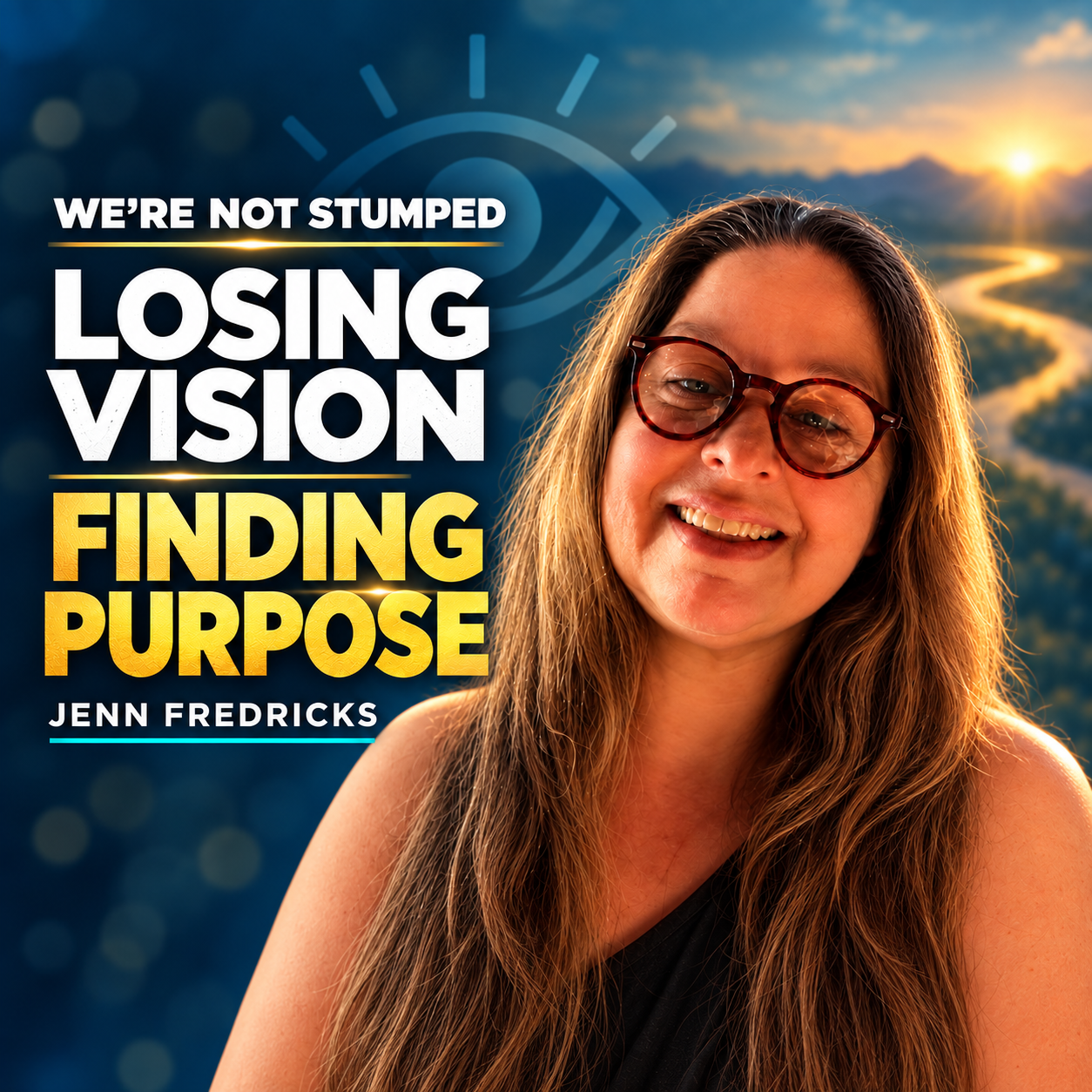
How do you move forward when vision loss changes your career, independence, and plans for the future? In this episode of We’re Not Stumped, Mike Bolland speaks with Jennifer Frederick about living with permanent vision loss and learning to advocate for herself along the way. Jennifer explains how changes in her vision eventually forced her to leave a career in crisis management. She also discusses the challenges she now faces while looking for work, including interview practices that have left her questioning whether she is being treated fairly as a person with a disability. The conversation explores Jenn’s decision not to undergo surgery for her detached retinas, the importance of seeking medical attention when your vision changes, and the need to take ownership of your healthcare.
Leave A Comment