
In this episode of “We’re Not Stumped,” we feature the inspiring Todd Key, a one-legged cyclist who demonstrated extraordinary determination and resilience. Todd’s journey began at age 7 with a severe injury to his right hand, followed by the amputation of his right leg due to muscle cancer at 17. Despite years of frustration and confusion, Todd never gave up.
In 2009, after 33 years of being cancer-free, Todd returned to cycling. Initially riding just to the movies, he quickly fell in love with biking and eventually commuted 12 miles to work. However, the strain on his left side became unbearable as he increased his distances. Not one to be deterred, Todd sought help from Airpark Bikes in Scottsdale. With manager Jason Suarez’s assistance, he customized his bike with a special seat, handlebars, and a prosthetic socket, enabling him to ride up to 100 miles pain-free.
Todd’s goal was to share this system with other amputees, providing them the freedom and joy of cycling. His fulfillment in life then focused on benefiting others. Todd’s perseverance and innovative spirit came to light when he co-headlined the 2011 Tour de Scottsdale, finishing the 70-mile tour just 30 minutes behind the able-bodied champion.
Todd shared his incredible story, the challenges he faced, and his mission to inspire and support other amputees in their cycling journeys.
Listen on Apple Podcasts
Watch on YouTube
Listen on Spotify
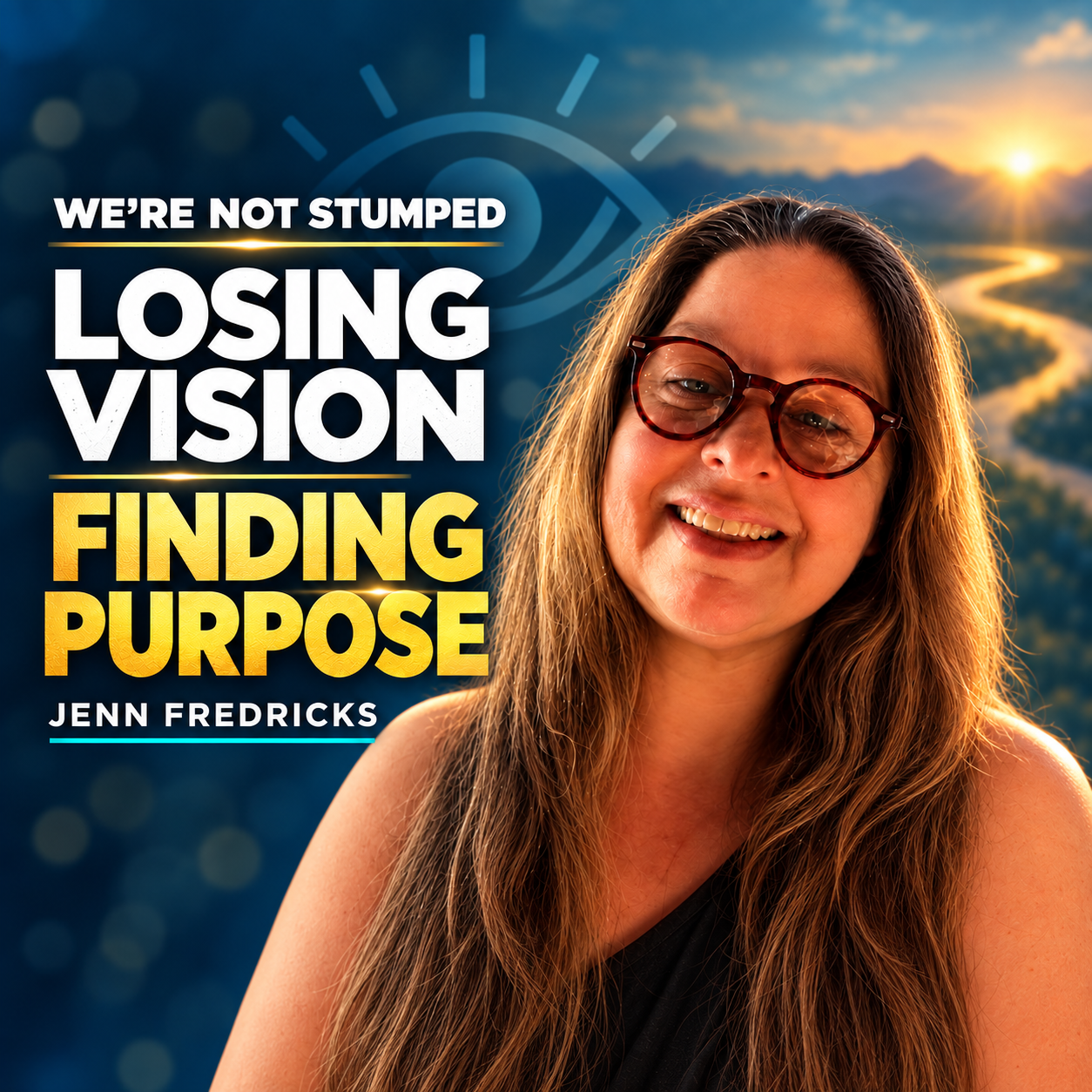
How do you move forward when vision loss changes your career, independence, and plans for the future? In this episode of We’re Not Stumped, Mike Bolland speaks with Jennifer Frederick about living with permanent vision loss and learning to advocate for herself along the way. Jennifer explains how changes in her vision eventually forced her to leave a career in crisis management. She also discusses the challenges she now faces while looking for work, including interview practices that have left her questioning whether she is being treated fairly as a person with a disability. The conversation explores Jenn’s decision not to undergo surgery for her detached retinas, the importance of seeking medical attention when your vision changes, and the need to take ownership of your healthcare.
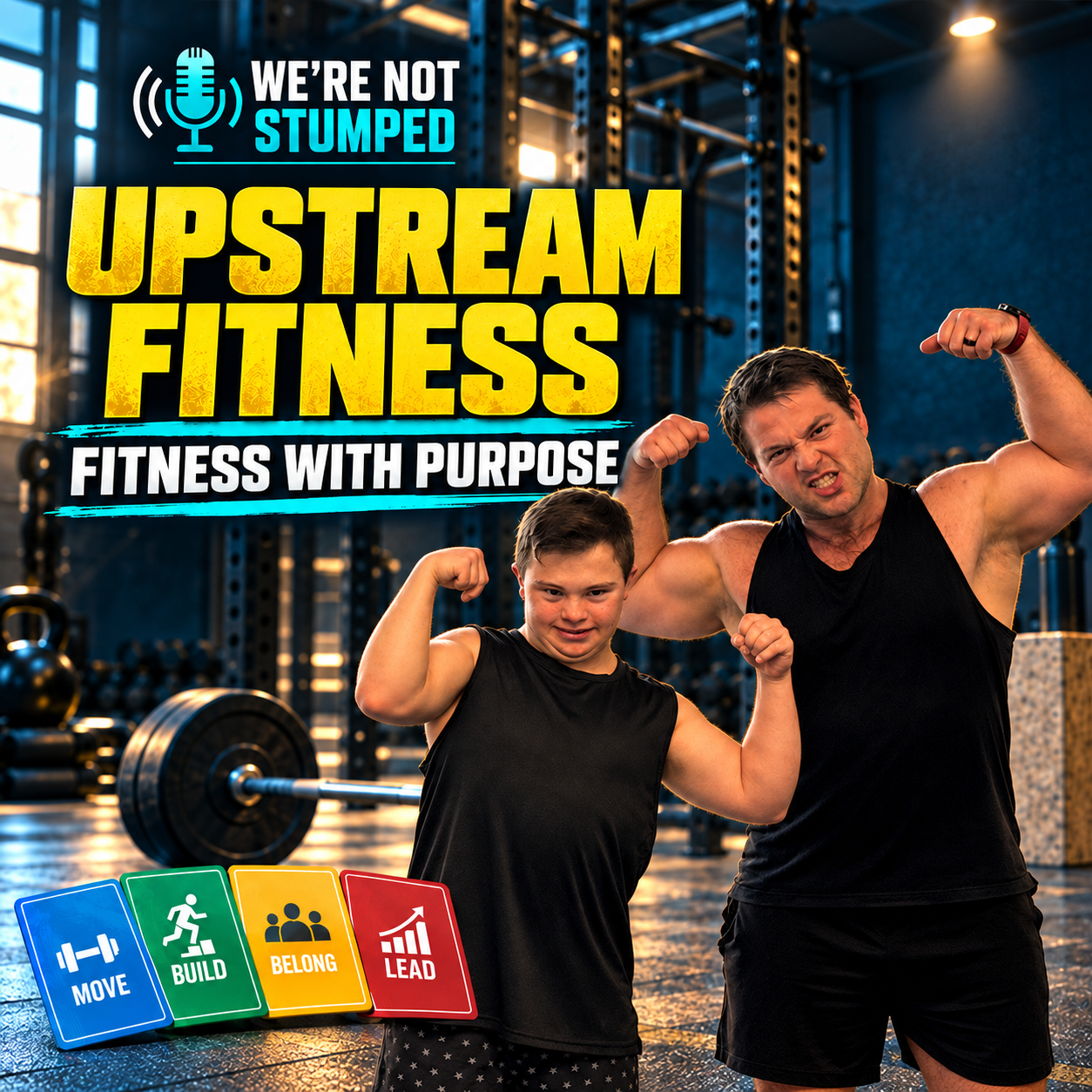
What happens when we stop deciding what someone is capable of—and give them the opportunity to lead? In this episode of We’re Not Stumped, Mike Bolland speaks with Nathan Kennedy of Upstream Fitness, Chris Kocurek, and Chris’s son, Coach Cameron “Coach Cam” Kocurek. Cameron, who has Down syndrome, began gymnastics as a child and went on to compete through Special Olympics and unified gymnastics. Today, he is using the confidence and skills he developed as an athlete to help coach others at Upstream Fitness. Nathan explains how Upstream Fitness uses movement, games, coaching cards, and step-by-step instruction to make exercise accessible for people with intellectual and developmental disabilities. Chris shares Cameron’s journey from athlete to assistant PE coach—and now toward meaningful employment and greater independence.
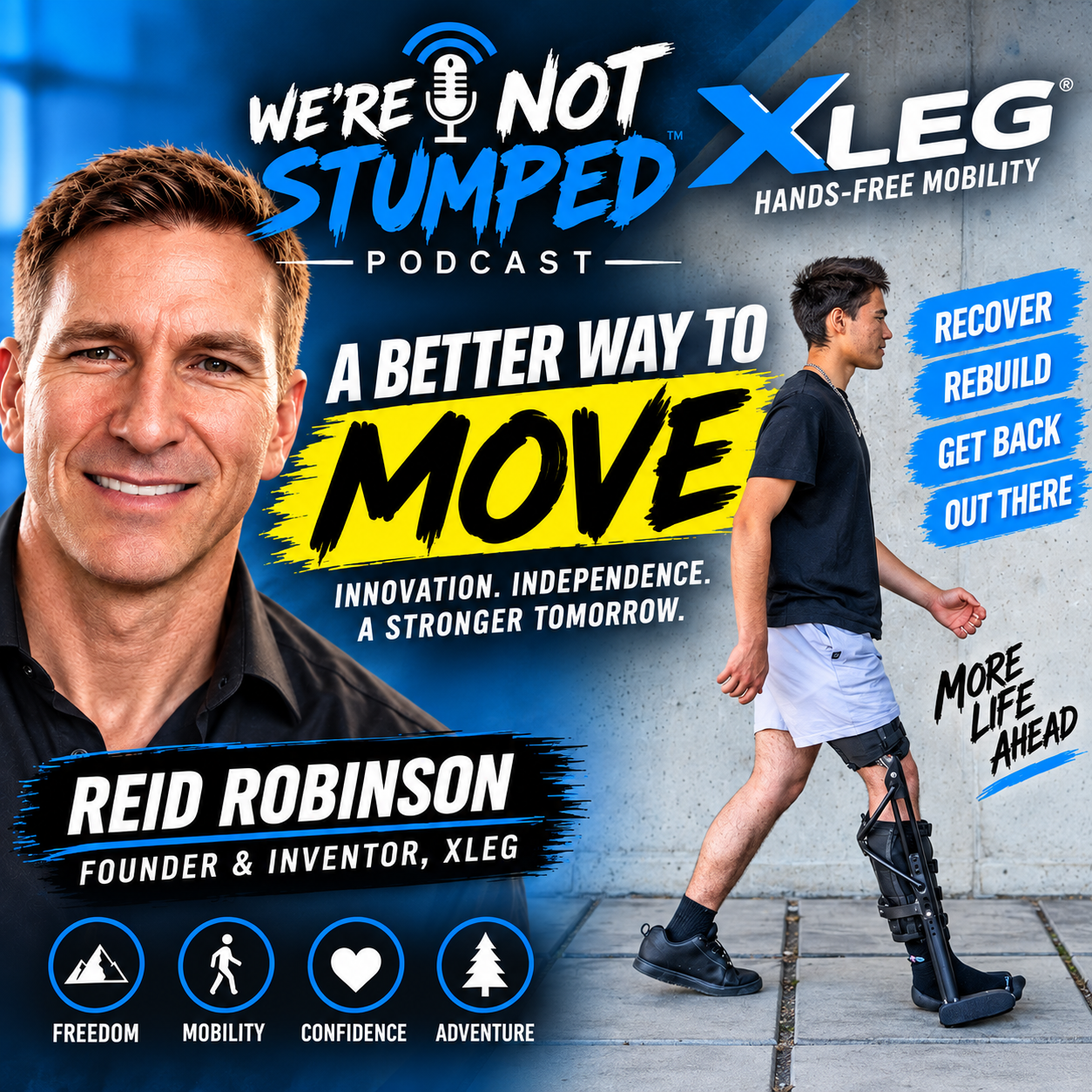
After losing control on an icy road in Calgary, Reid Robinson crashed into a tree and suffered devastating injuries to his lower leg. What followed were two and a half years of recovery, 13 surgeries, broken surgical hardware, bone infections, and a difficult decision between amputation and trying once more to save his leg. While recovering, Reid realized that none of the available mobility devices gave him the freedom he needed. So, despite having no welding experience, he taught himself by watching online videos and built his first leg brace from aluminum, crutches, and an IKEA cutting board. That garage-built prototype eventually became the X-Leg, a hands-free knee crutch designed to help people with lower-leg injuries stay active and independent during recovery.
Leave A Comment