Limb Salvage vs. Amputation: When Is Saving the Limb Not the Best Outcome?
When should a limb be saved—and when might amputation provide a better quality of life?
On this episode of We’re Not Stumped, Mike Bolland talks with podiatric surgeon Dr. Danny Ghannoum about limb salvage, diabetic foot complications, Charcot neuroarthropathy, bone infections, and the difficult decisions that can lead to lower-limb amputation.
Dr. Ghannoum explains how diabetes, peripheral neuropathy, poor circulation, foot ulcers, and osteomyelitis can put a limb at risk. He also shares complex patient cases that illustrate an important point: saving a limb isn’t always the same as achieving the best outcome for the patient.
The conversation explores advances in limb salvage and reconstructive surgery, including bone fusion techniques, while emphasizing the importance of considering each patient’s lifestyle, goals, and quality of life when making treatment decisions.
Mike and Dr. Ghannoum also discuss patient advocacy and second opinions, with Dr. Ghannoum encouraging patients to take an active role as the “quarterback” of their healthcare team.
Topics include:
- Limb salvage vs. amputation
- Diabetes and amputation risk
- Peripheral neuropathy
- Charcot foot / Charcot neuroarthropathy
- Diabetic foot ulcers and infections
- Osteomyelitis
- Below-the-knee amputation
- Limb reconstruction and fusion
- Patient advocacy and second opinions
- Quality of life when making treatment decisions
We’re Not Stumped shares conversations about limb loss, limb difference, prosthetics, adaptive living, advocacy, and the people working to improve outcomes for the limb loss community.
Listen on Apple Podcasts
Watch on YouTube
Listen on Spotify
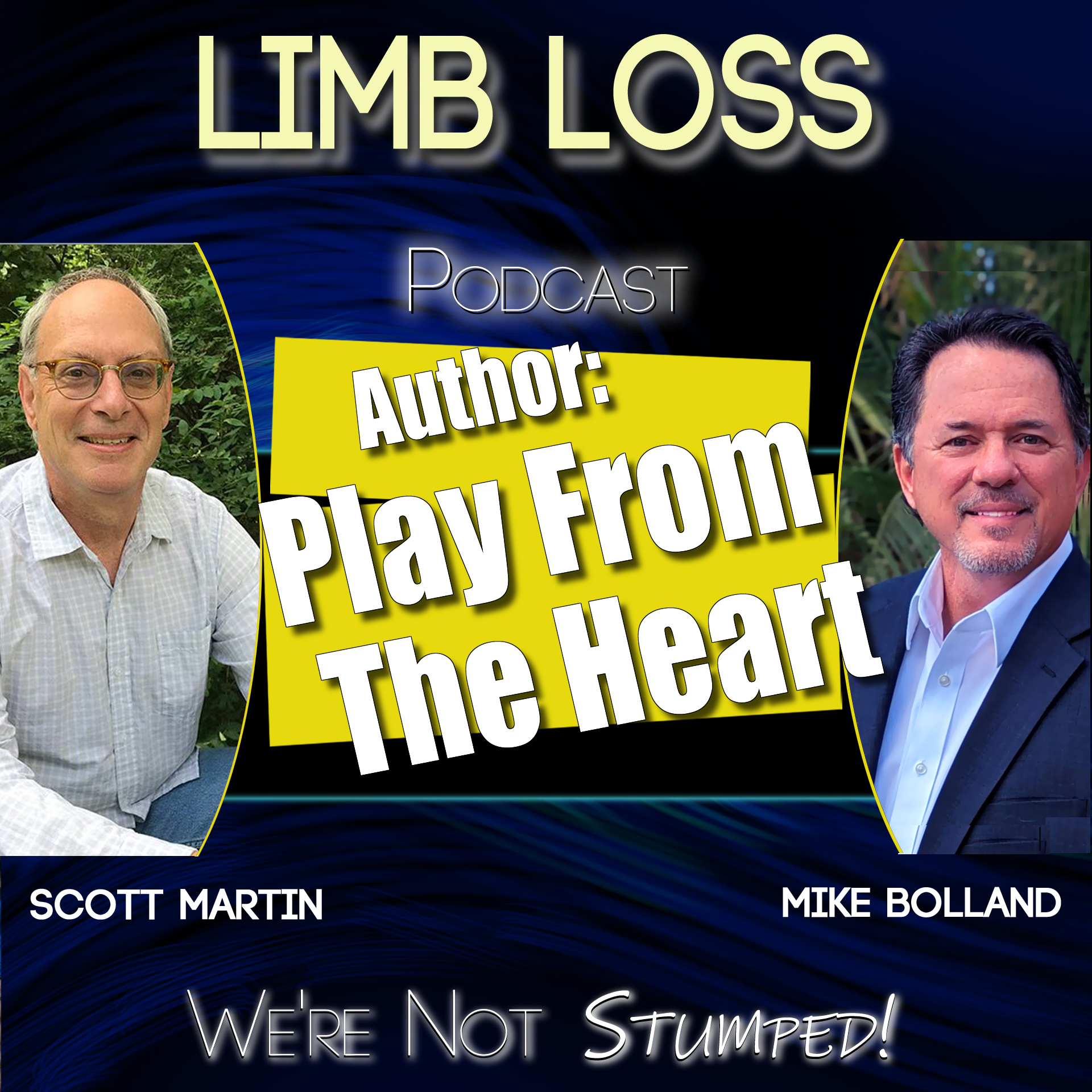
In this deeply moving episode of We’re Not Stumped, host Mike Bolland welcomes Scott Martin, a bilateral hand amputee, soccer coach, and author of the upcoming memoir Play From Your Heart. Scott opens up about the life-altering infection in 1993 that led to the loss of both hands and parts of his feet, and the emotional aftermath that followed. He speaks honestly about denial, detachment, and the five-year struggle with depression that tested his identity, confidence, and purpose.
This special Christmas episode of We’re Not Stumped is a heartfelt reflection from host Mike Bolland on resilience, community, and gratitude during the holiday season. Instead of an interview, Mike takes a few minutes to acknowledge the realities many people in the limb loss and disability community face during the holidays — from accessibility challenges and family dynamics to grief, growth, and adapting to change — all with warmth and a touch of humor. Mike also shares what this podcast has taught him over the past year and gives a heartfelt shout-out to some incredible guests who trusted him with their stories.
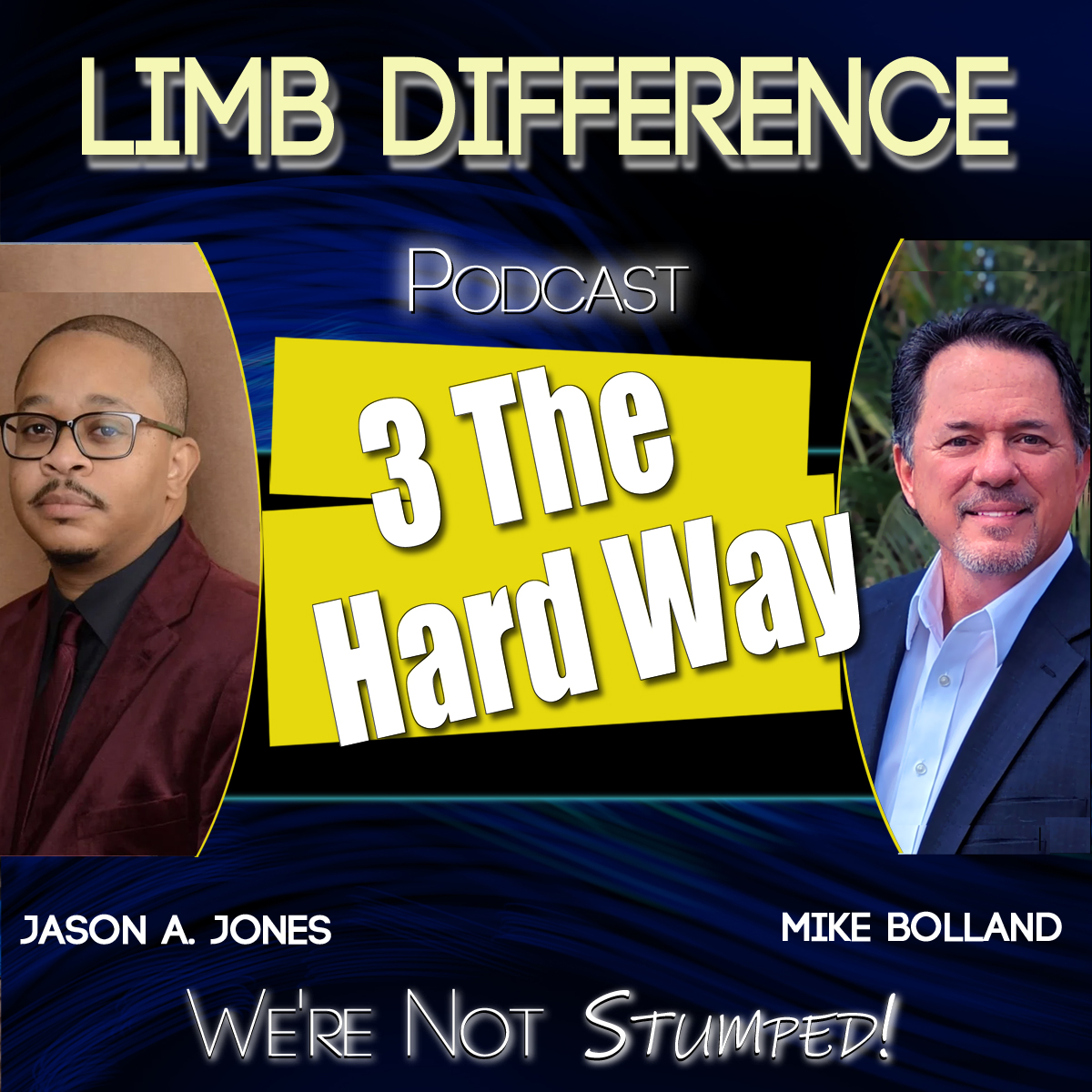
In this inspiring episode of We’re Not Stumped, host Mike Bolland sits down with Jason A. Jones—motivational speaker, author, and founder of Positive Pieces—for a powerful conversation about resilience, mindset, and growing up with a congenital hand difference. Mike and Jason share a unique connection: both were born with a difference in their right hand. Together, they explore the realities of childhood, school, friendships, sports, and the challenges of first impressions when living with a visible disability. Jason reflects on the role his parents played in building confidence and accountability, encouraging him to adapt without excuses and believe in his own abilities. Jason also discusses his motivational memoir, 3 the Hard Way, which chronicles his journey from adolescence through college—including major setbacks like a serious car accident, job loss, and navigating employment with a disability. The conversation dives into the importance of mindset, and how resilience is built through lived experience.