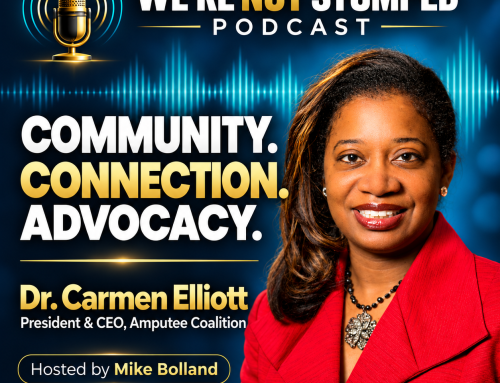
Peripheral Artery Disease (PAD) affects millions worldwide — yet most people don’t recognize the warning signs until it’s too late. In this powerful episode of We’re Not Stumped, host Mike Bolland welcomes Emmy Award-winning journalist and Global PAD Association co-founder Kym McNicholas to explain what PAD is, how it causes poor circulation, and why early detection is critical in preventing amputation.
Kym shares her inspiring journey from covering a medical story to becoming one of the leading advocates for PAD awareness and patient empowerment. She sheds light on how education, proper diagnosis, and access to the right care can literally save limbs — and lives.
In this episode, you’ll learn:
✅ The symptoms and stages of PAD — and why it often goes undiagnosed
✅ How 85% of diabetes-related amputations could be avoided with proper vascular testing
✅ Why getting a second opinion before surgery can make all the difference
✅ How the Global PAD Association (PADHelp.org) supports patients through education, walking programs, and the PAD Hotline (1-833-PAD-LEGS)
✅ Real patient success stories showing how minimally invasive treatments can prevent amputation
If you or someone you love is living with diabetes, circulation issues, or unexplained leg pain, this episode is a must-watch. Awareness is the first step to prevention — and every step counts.
📞 PAD Hotline: 1-833-PAD-LEGS
🌐 Learn more: https://padhelp.org
🎙️ Podcast Website: https://werenotstumped.com
Listen on Apple Podcasts
Watch on YouTube
Listen on Spotify
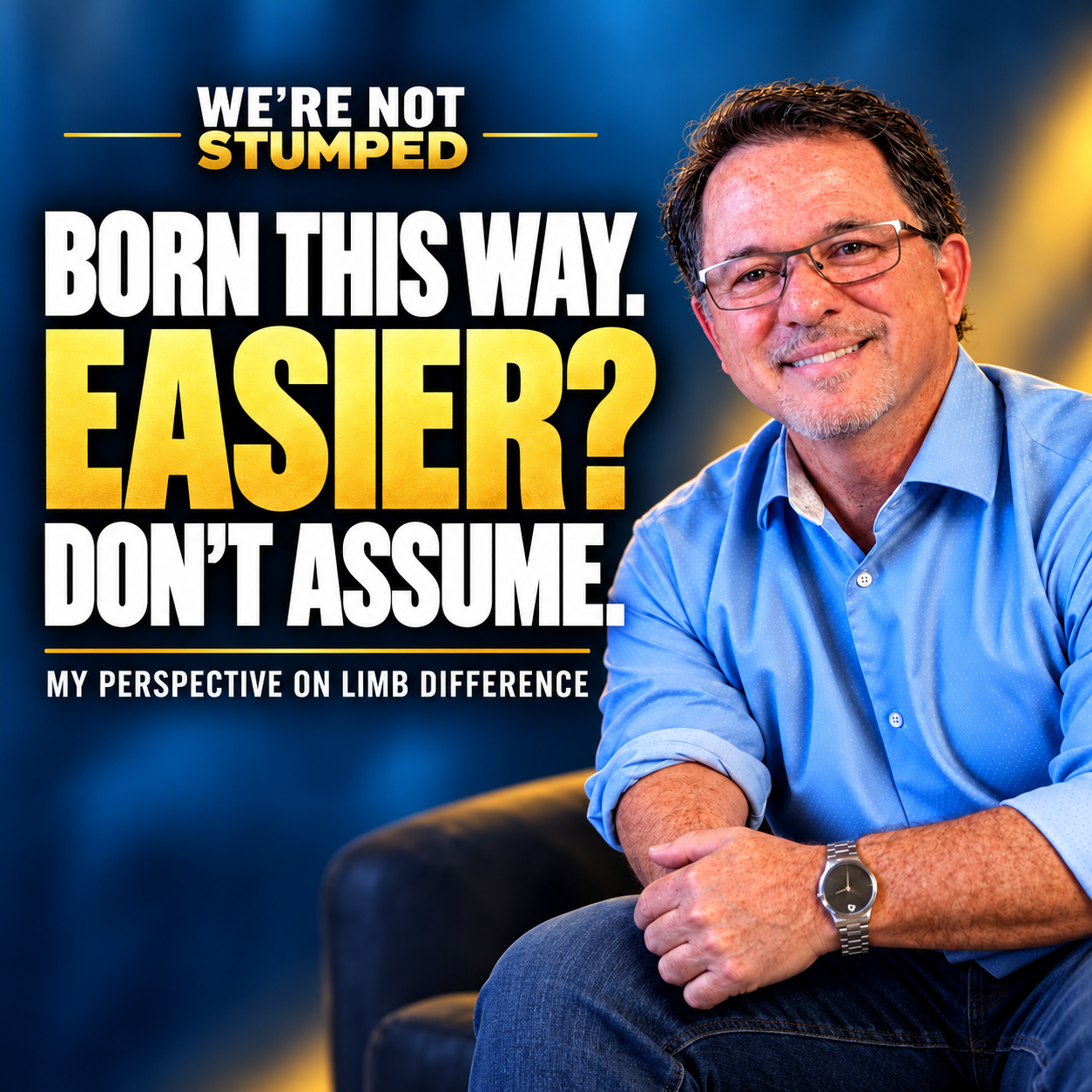
Does being born with a limb difference—or experiencing amputation as a child—mean you have it easier? In this solo episode of We’re Not Stumped, host Mike Bolland challenges an assumption that can leave people feeling dismissed within their own community. Born without a right hand, Mike shares why physical adaptation tells only part of the story. Through his podcast and community work, he’s met people whose experiences include bullying, employment barriers, relationship challenges, and depression. While these experiences don’t all reflect his own journey, they deserve acknowledgment. Acquiring a disability later in life brings its own challenges, including grief and adjustment. Recognizing those experiences doesn’t require minimizing the challenges of congenital limb difference or childhood limb loss. This episode invites us to listen more closely, question what we assume about others, and support one another without ranking whose journey is harder.
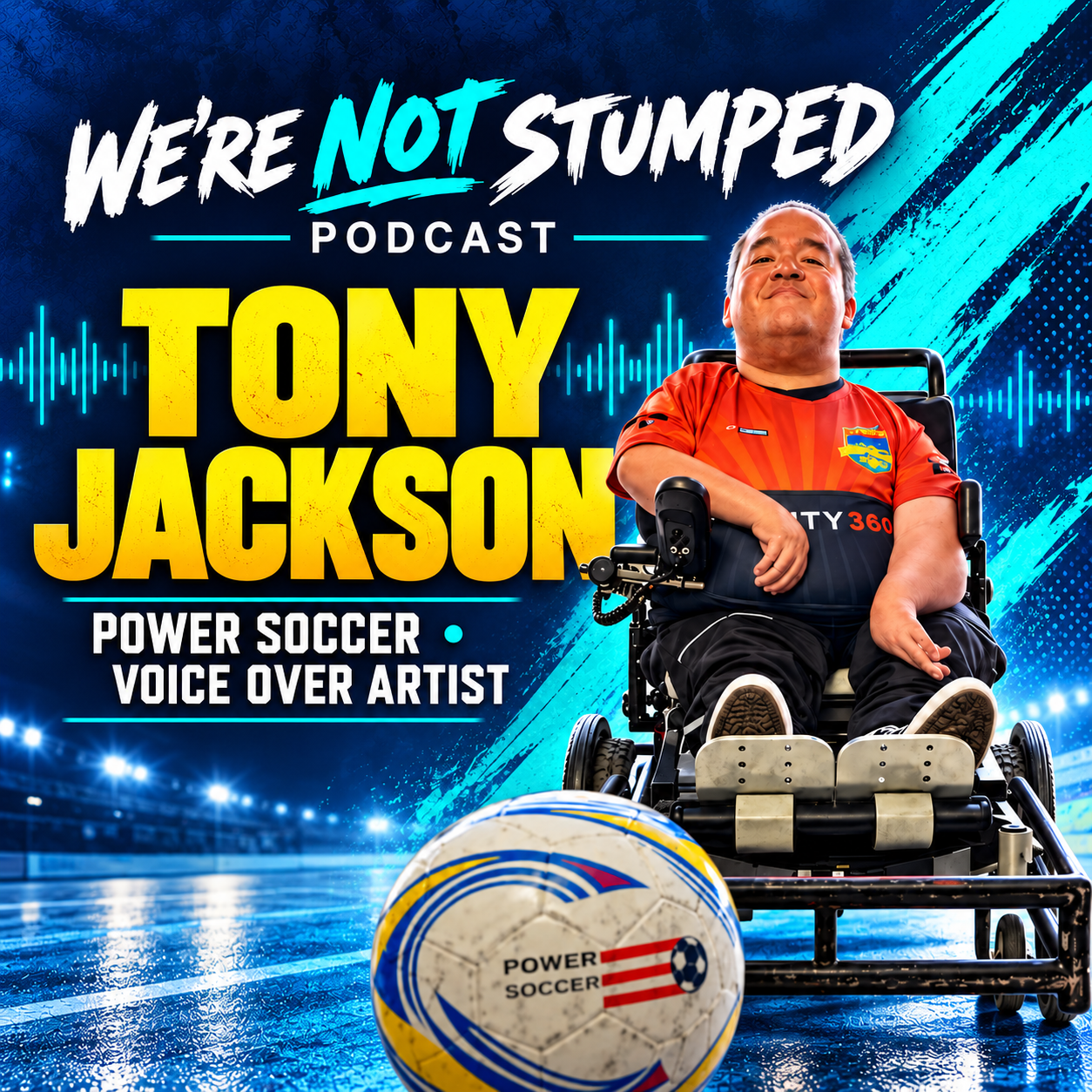
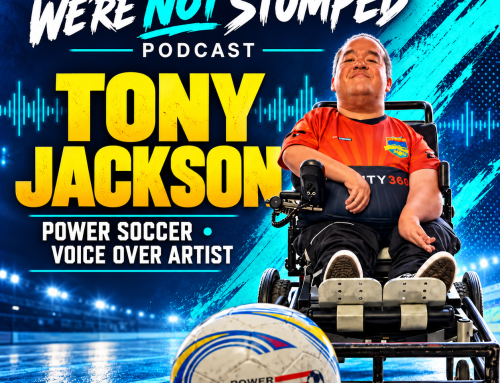
How can voiceover and adaptive sports create opportunities for people with disabilities? Phoenix-based voiceover artist Tony Jackson joins Mike Bolland on We’re Not Stumped to share his experiences behind the microphone and on the power soccer court. Tony serves as the Grant Coordinator and Power Soccer Coordinator at Ability360. We explore his path into voice acting, accessibility in casting, and how adaptive sports build teamwork, confidence, and a sense of belonging.
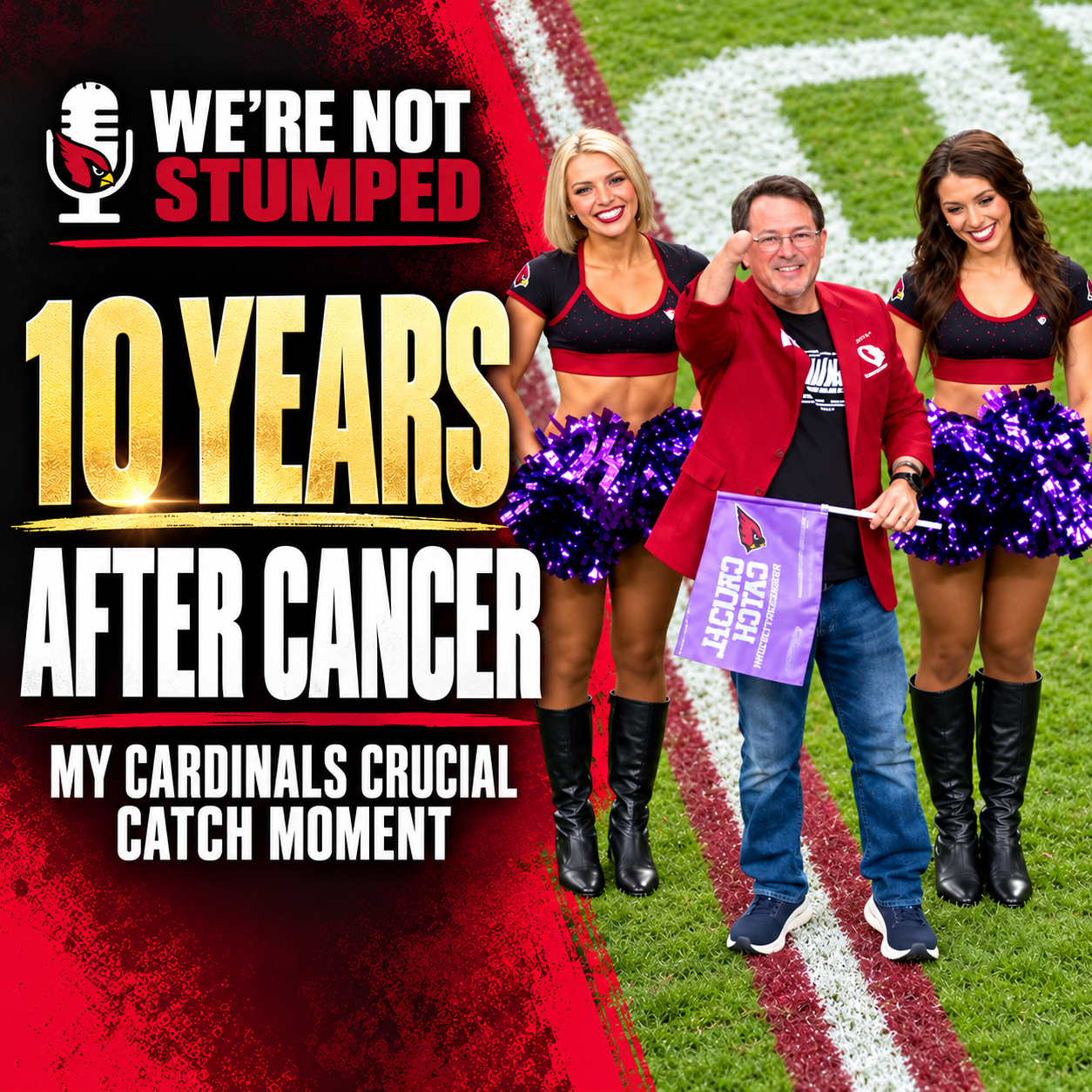
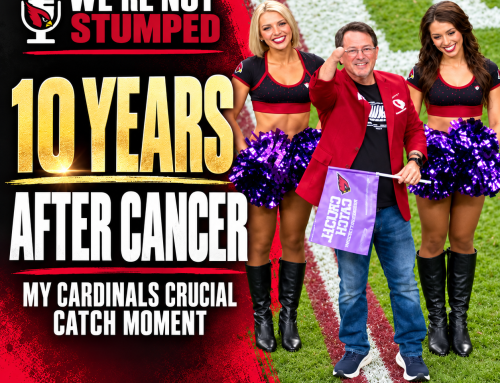
Ten years after cancer surgery, Mike Bolland found himself on the field at an Arizona Cardinals game, representing all cancers during the NFL’s Crucial Catch recognition. In this personal episode of We’re Not Stumped, Mike reflects on the journey from surgery and radiation to pursuing two goals: performing stand-up comedy and bowling on tour one more time. Those decisions helped lead to motivational speaking, a return to competition on the PBA60 Tour, and his message, “Take the Shot Anyway.” Mike also honors the podcast guests who have shared their own cancer journeys, including those who experienced limb loss, and the people whose support helped him through treatment and recovery.