In this episode of We’re Not Stumped, host Mike Bolland sits down with Tim Balz, founder and CEO of Kalogon, (https://www.kalogon.com) to discuss how cutting-edge technology is improving mobility and independence for wheelchair users.
Tim’s journey started in high school when he began refurbishing wheelchairs to help people in need. That passion evolved into a career in assistive technology, leading to the creation of Kalogon—a company developing AI-powered smart cushions designed to prevent pressure injuries and enhance comfort for wheelchair users. These cushions actively redistribute pressure, helping to reduce the risk of pressure sores, discomfort, and long-term health complications that many wheelchair users face.
Throughout the conversation, Tim shares the inspiration behind Kalogon, the science behind its smart cushions, and how his team is using technology, data, and user feedback to create innovative solutions. He also discusses the future of mobility technology, including how AI and personalized care can further improve the quality of life for people with disabilities.
Mike and Tim also explore the challenges of starting a company in the accessibility space, the importance of inclusive design, and how Kalogon is working alongside healthcare professionals and wheelchair users to bring life-changing innovations to the mobility community.
Tune in for an insightful conversation about innovation, advocacy, and the future of assistive technology. Whether you’re a wheelchair user, a caregiver, or simply interested in groundbreaking advancements in mobility, this episode is packed with valuable insights!
0:00 – Intro
0:45 – Tim Balz discusses his early life
2:30 – Tim Balz discusses his early introduction to wheelchairs
3:26 – Tim talks about his parents influence
4:20 – Wheelchair invention that impressed Stephen Hawking
7:15 – Tim Balz talks about landing at SpaceX
11:55 – Tim talks about his passion for helping others
14:00 – Welcome Discount Tire as a sponsor
15:47 – First product from Kalagon
20:18 – Pressure injury threat
23:16 – Smart Wheelchair Seat Success Story
25:05 – Wheelchair Smart Cushion Explained
29:20 – A look to the future
Listen on Apple Podcasts
Watch on YouTube
Listen on Spotify
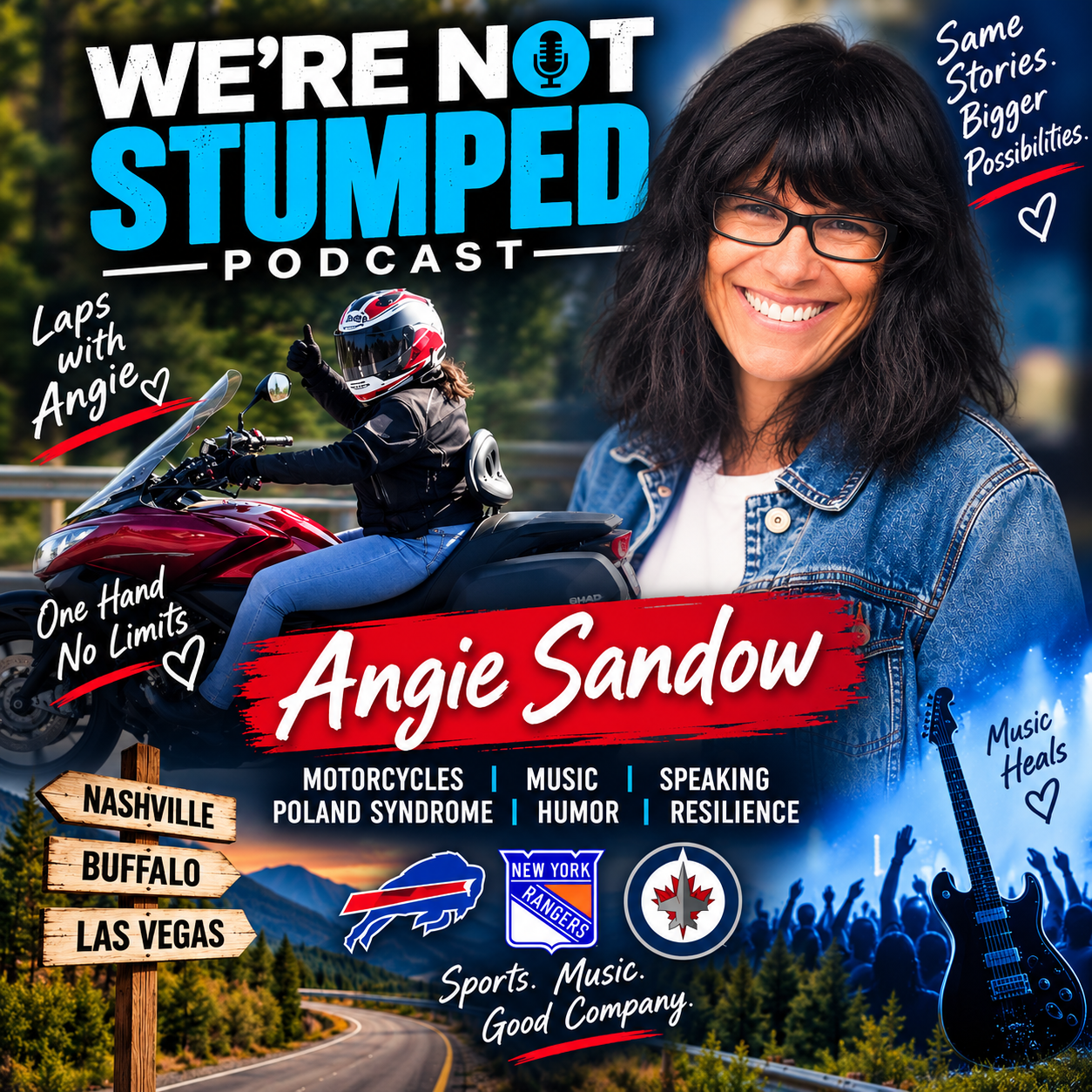
Angie Sandow was born with one hand and Poland syndrome—but that hasn't stopped her from riding motorcycles, playing guitar, performing onstage, and finding plenty of reasons to laugh along the way. In this episode of We’re Not Stumped, Mike Bolland reconnects with Angie for a candid and often funny conversation about growing up with a limb difference, dealing with bullying and unwanted attention, and learning to turn difficult experiences into something positive. Angie shares how music became an important part of her life, including performing with bands and using a custom prosthetic guitar holder. She also talks about becoming a one-handed motorcycle rider and the modifications that allow her to ride, including moving the throttle to the left side.
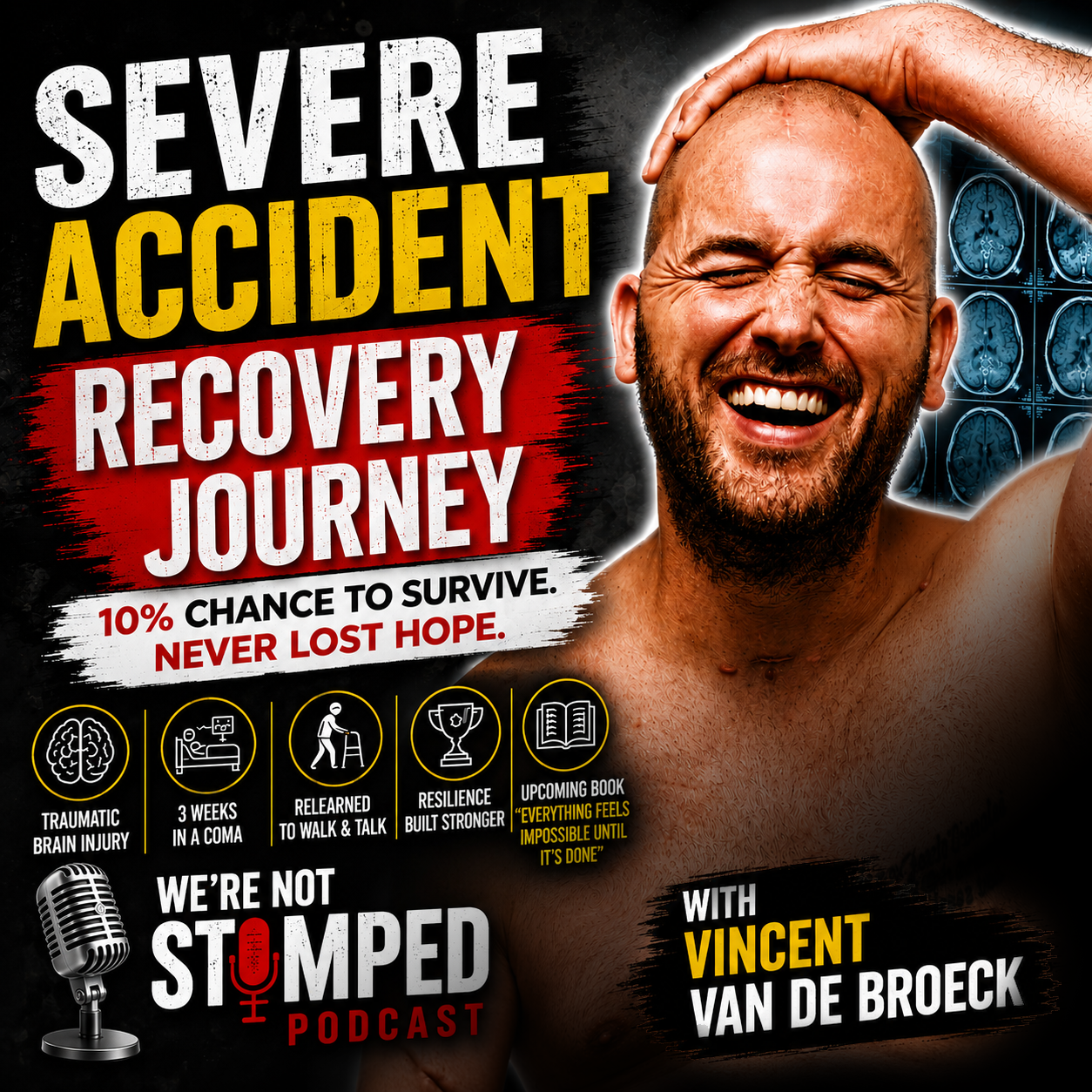
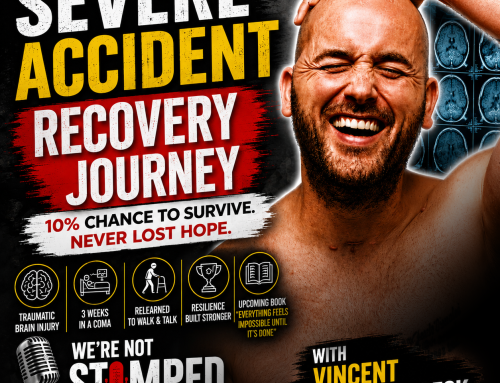
In this episode of We’re Not Stumped, host Mike Bolland talks with Vincent about his extraordinary recovery—relearning how to walk, talk, eat, and handle everyday tasks most of us take for granted. Vincent shares what it was really like to gradually wake from a coma, the difficult prognosis his family faced, and the extensive damage to his skull that eventually required a custom 3D-printed implant. He also discusses the people who refused to give up on him, particularly his wife and family, who lived through weeks of uncertainty while Vincent was unconscious. Through his recovery, Vincent came to see resilience not simply as something you're born with, but as something you can develop and strengthen. That experience also helped shape the ideas behind his book, Everything Feels Impossible Until It’s Done
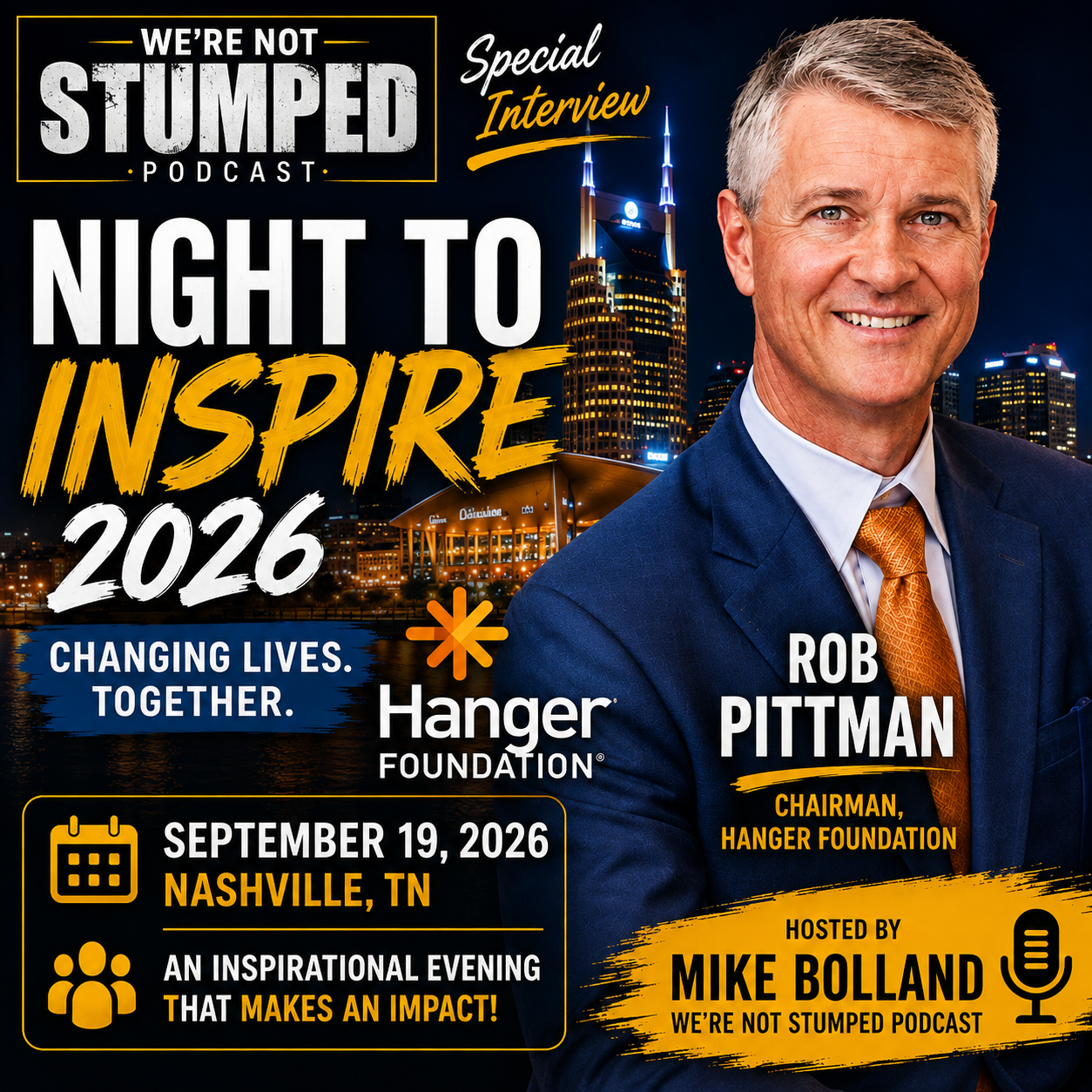
What happens when the limb loss community, prosthetics professionals, nonprofits, and supporters come together for a weekend built around giving back? In this episode of We’re Not Stumped, Mike Bolland talks with Rob Pittman of Hanger, Chairman of the Hanger Foundation’s Night to Inspire, about the upcoming 2026 Night to Inspire in Nashville, Tennessee. Now in its third year, Night to Inspire is expanding into a full weekend experience designed to raise funds, build awareness, and support organizations helping people with limb loss, limb difference, and mobility challenges.