In this episode, we welcome Adrienne Hill, a certified prosthetist orthotist (CPO) and Program Director of the Master’s of Science in Prosthetics and Orthotics at Kennesaw State University. With a background in physics, mathematics, and health administration, Adrienne brings a unique perspective to the field. Her passion for prosthetics and orthotics is deeply personal—both her great-grandfather and father were amputees, inspiring her commitment to improving patient care.
Adrienne has extensive experience as a former area clinic manager, where she provided clinical care, advocated for patients, and mentored future professionals. Now, she is dedicated to shaping the next generation of POP (Prosthetist-Orthotist-Prosthetist) professionals, ensuring they blend traditional care with cutting-edge technology.
As we celebrate POP Month 2025, Adrienne highlights the critical role of prosthetists and orthotists in enhancing mobility, improving lives, and pushing the boundaries of innovation. This annual event raises awareness about the impact of POP professionals and their dedication to helping individuals regain independence.
Join us for an insightful conversation about education, mentorship, and the future of prosthetics and orthotics. Whether you’re a professional in the field, a patient, or simply curious about the latest advancements in assistive technology, this episode is packed with inspiration and expertise. Don’t miss it!
What is POP: https://whatispop.org/
#prosthetics #Orthotics #Pedorthics #POPMonth
Listen on Apple Podcasts
Watch on YouTube
Listen on Spotify
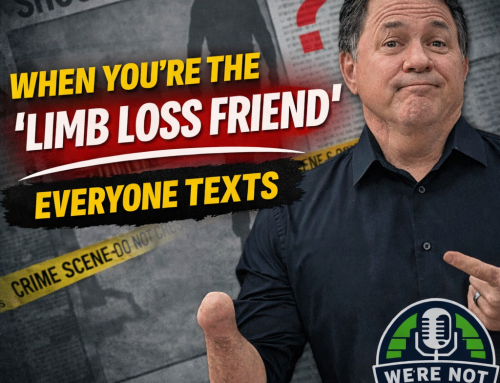
What happens when a story about limb loss hits the news—and suddenly everyone you know is texting you about it? If you’re part of the limb loss community, you already know. In this solo episode of We’re Not Stumped, host Mike Bolland dives into the experience of being “the limb loss friend”—the person others turn to when they don’t fully understand what they’re seeing but want to connect.
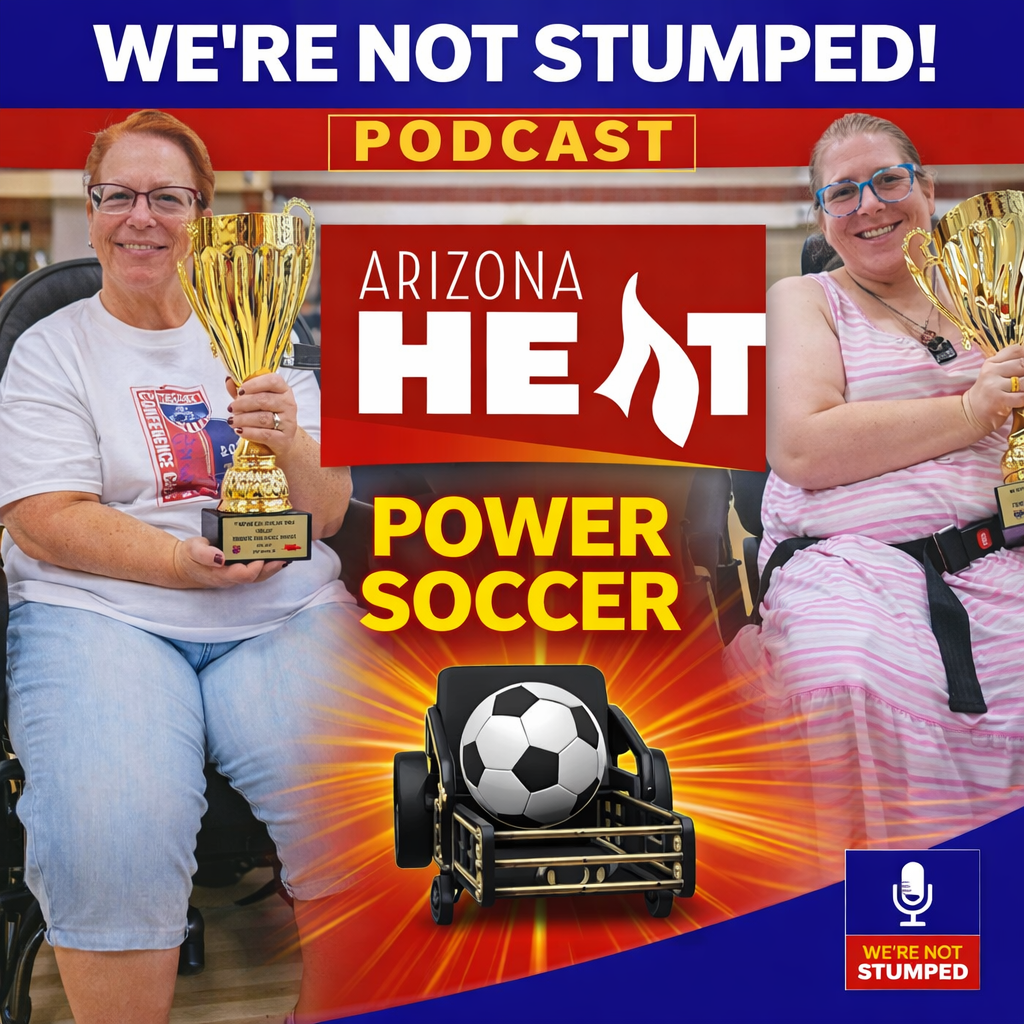
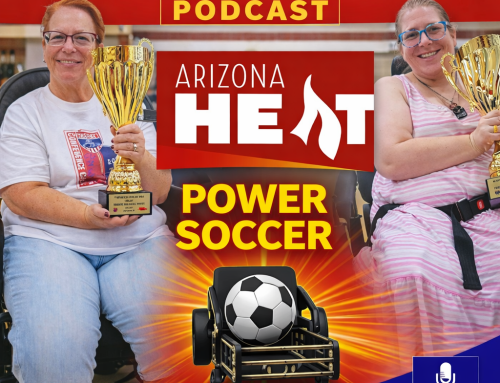
Stacy and Courtney Walker are proving that teamwork knows no limits. As the only known mother-daughter duo in wheelchair power soccer, they proudly represent Arizona Heat Power Soccer—competing, training, and pushing boundaries together on and off the court. Their journey is about more than just the game. It’s about resilience, family, and the power of adaptive sports to change lives. On this episode of We’re Not Stumped, host Mike Bolland sits down with Stacy and Courtney to share their story—how they got involved in power soccer, what it’s like competing side by side, and what being part of Arizona Heat Power Soccer truly means. Now, they’re working toward their next big goal: competing at Power Soccer Nationals.
What does it take to turn a life challenge into a lifelong passion for sports and coaching? On this episode of We're Not Stumped, host Mike Bolland talks with Marc Burkom, a double below-knee amputee born with fibular hemimelia who has built a life around athletics, coaching, and helping others reach their potential. Marc shares how his parents made the difficult decision to amputate his feet when he was just two months old — a choice that allowed him to grow up active in sports like soccer, baseball, and basketball. Today, Marc works in coaching education and advocates for expanding opportunities for adaptive and amputee athletes. In this conversation, Marc and Mike discuss growing up with prosthetics, the role sports played in building confidence, coaching amputee soccer, adaptive sports like amputee basketball, and how prosthetic technology has evolved over the years.