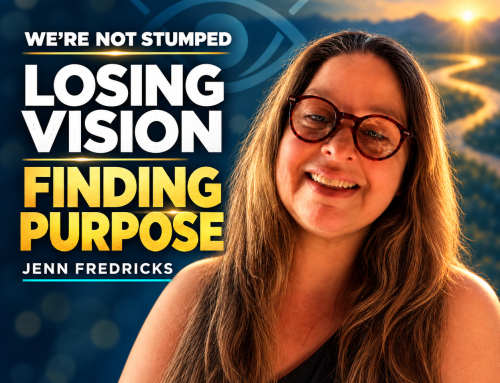
⭐ Topic #1: Are you thinking about starting your own podcast but not sure where to begin?
So many people reach out asking how to get started. And while podcasting isn’t terribly difficult, those first few episodes can feel time-consuming and a bit overwhelming.
Here’s an easier way to try it out: 👉 Come guest-host a solo episode of We’re Not Stumped and share your personal story.
These are single-person episodes — no guests allowed — giving you the space to speak openly and authentically. Episodes are 10–15 minutes long, making this a simple, low-pressure introduction to podcasting. All you need to do is record on your own device (yes, your phone works great) and tell your story or share insights from your experience. I’ll handle the intro and outro, along with all final edits, to ensure the episode matches the tone and quality of the show.
⭐ Important Note Final go-live decisions are solely at the discretion of Mike Bolland and the We’re Not Stumped podcast.
Topics must stay within the limb loss or disabled communities, including:
- Personal stories from individuals with limb loss or limb differences
- Experiences or insights from living with a disability
- Stories from disability advocates or support communities
- Perspectives from prosthetists, clinicians, and innovators serving these communities
If you want to test-drive podcasting — while inspiring and uplifting others — this is the perfect opportunity.
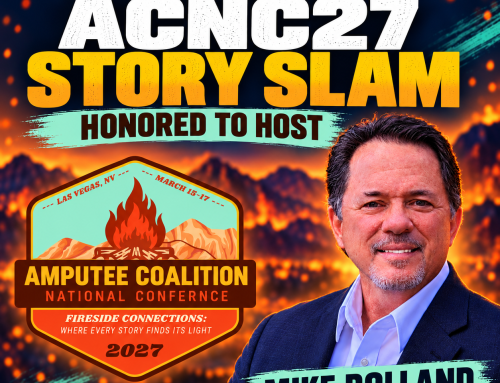
⭐ Topic Update #2: Am I Attending the Amputee Coalition Event?
Short answer: No, I’m not. In this video, I share a quick update about why I won’t be attending the Amputee Coalition event this year.
📩 Interested in hosting a solo episode and sharing your story? Reach out!
Listen on Apple Podcasts
Watch on YouTube
Listen on Spotify
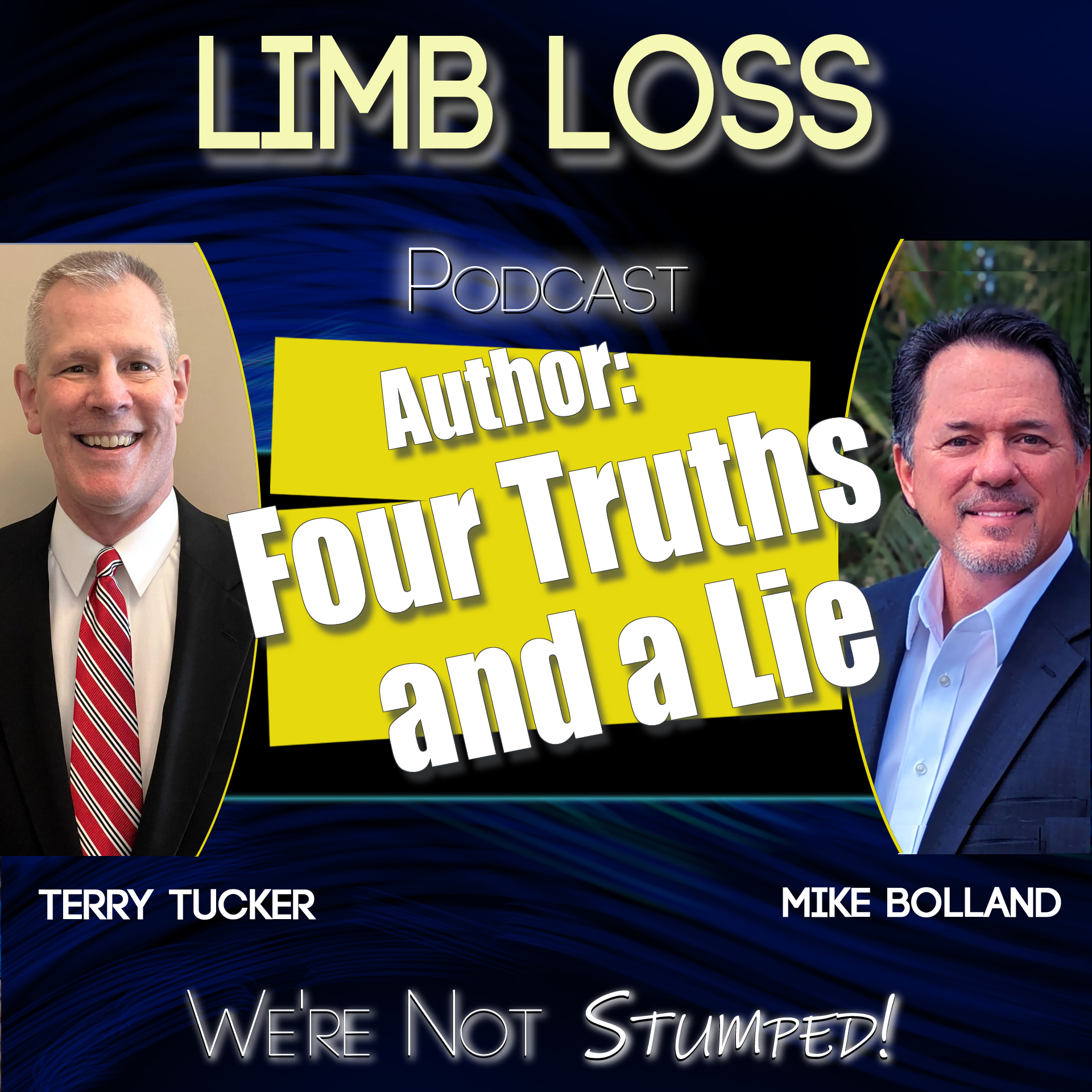
In this powerful and reflective episode of We’re Not Stumped, host Mike Bolland welcomes Terry Tucker, author of Four Truths and a Lie, for a deep conversation about mindset, mental toughness, and what it truly means to live a significant life. Terry shares the philosophy behind his latest book, which challenges common definitions of success rooted in money, status, and material achievement. Instead, he invites listeners to rethink success through the lens of service, responsibility, and impact on others. At the heart of his message is one foundational truth: if you don’t control your mind, it will control you.
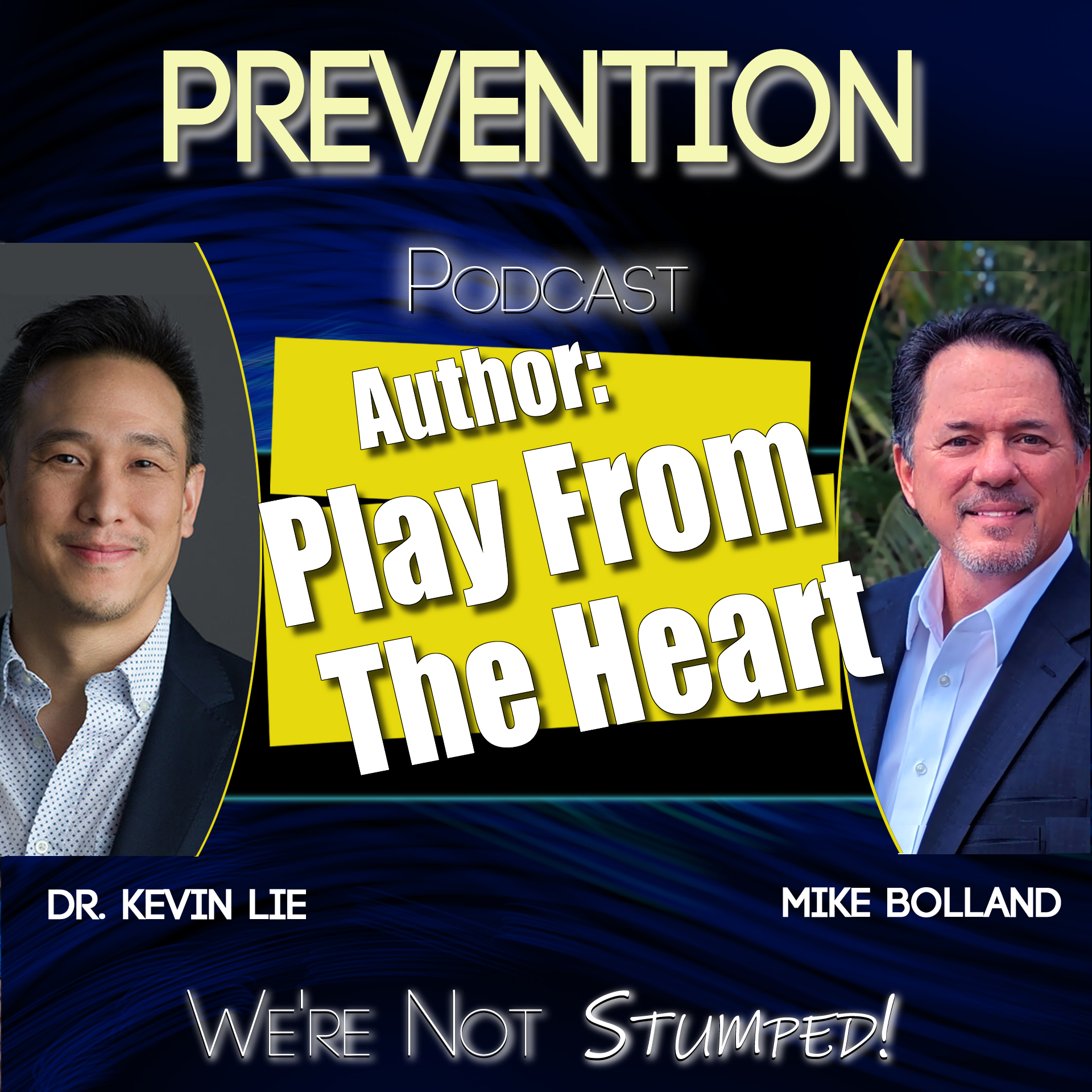
In this eye-opening episode of We’re Not Stumped, host Mike Bolland speaks with Dr. Kevin Lee, a vascular and interventional radiologist at Georgia Endovascular, about why so many amputations don’t have to happen. Dr. Lee explains how misdiagnosed or untreated peripheral artery disease (PAD) is one of the leading causes of limb loss—especially among veterans, older adults, and people living with diabetes. He shares how minimally invasive endovascular procedures can restore blood flow, reduce pain, and help patients avoid amputation when disease is caught early.
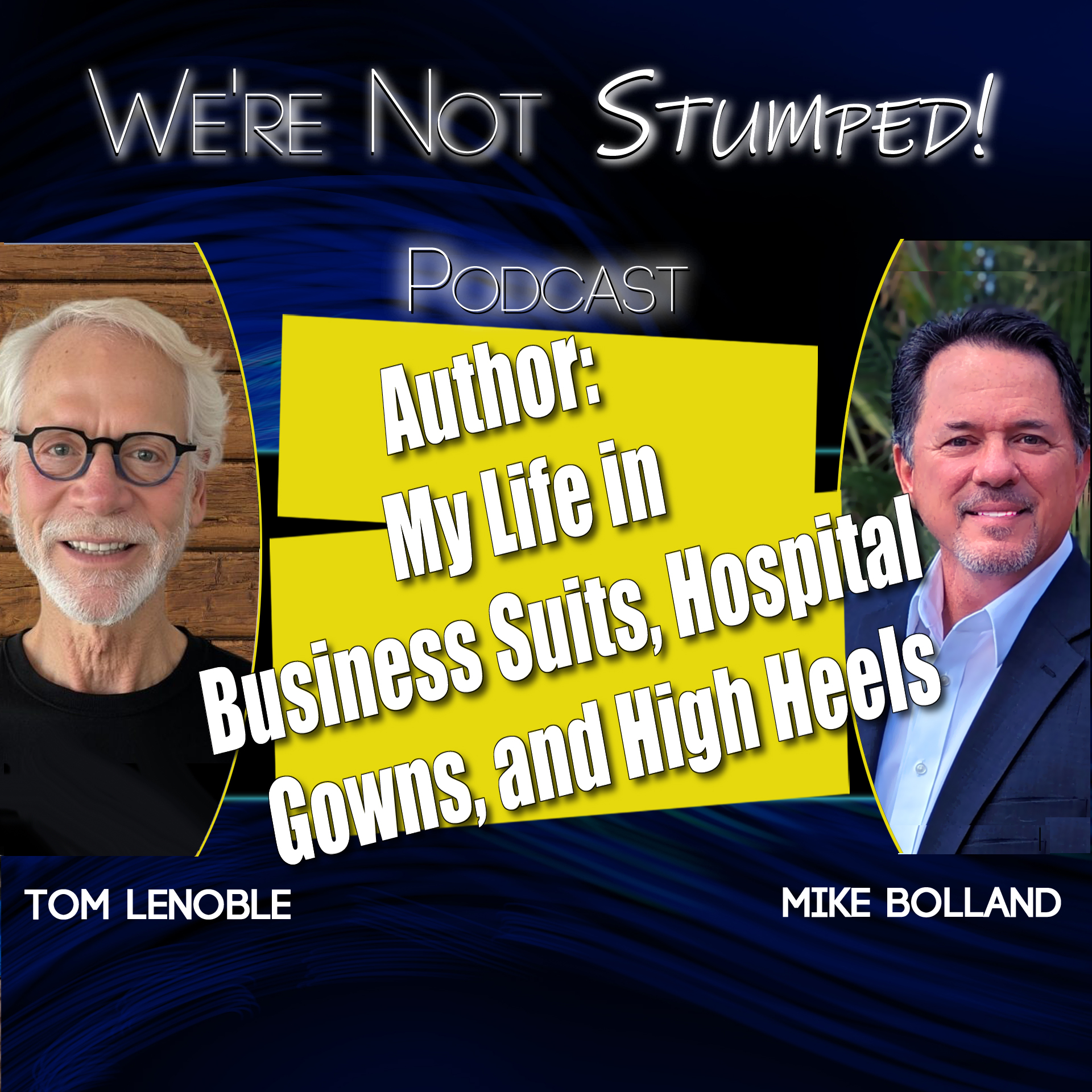
Tom Lenoble’s story is a powerful combination of leadership, resilience, and personal transformation. In this inspiring interview, Tom reflects on his remarkable career leading global customer operations for major brands like MCI, Walmart.com, Palm, and Facebook, where he helped build the company’s first customer operations organization during its explosive early growth. Beyond his Silicon Valley leadership achievements, Tom opens up about surviving two life-threatening illnesses, living with HIV, and battling metastatic cancer for 13 years while continuing to lead, inspire, and thrive. His bestselling memoir, My Life in Business Suits, Hospital Gowns, and High Heels, reveals the deeply human side of his journey — from corporate success to vulnerability, healing, and purpose.