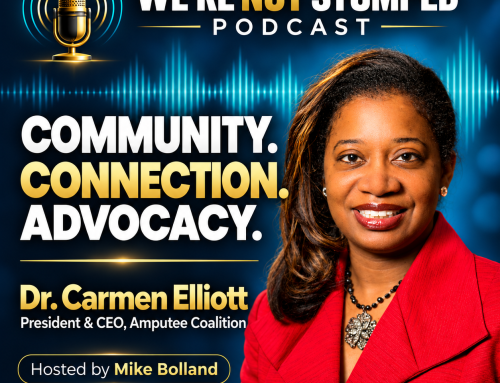
In this episode of the We’re Not Stumped podcast, host Mike Bolland covers three impactful stories from the community, each highlighting different aspects of support, accountability, and innovation.
First, we explore a fundraiser organized to assist a young amputee and their family, providing crucial financial support to manage medical expenses. Mike urges others who may know more about this story to reach out so he can share additional information.
Next, Mike discusses a tragic incident at Grace Hospital, where an amputation error resulted in the removal of the wrong leg, sparking an investigation. This heartbreaking event highlights the need for strict medical oversight and patient safety measures.
Lastly, Mike highlights the work of AbleGamers, a nonprofit organization making gaming accessible for people with disabilities. By creating adaptive gaming technology, #AbleGamers opens up a world of connection, creativity, and independence for people with physical limitations. For #amputees and those in other communities, this innovation fosters social inclusion and empowerment through play.
Together, these stories underscore the resilience within the #amputee community and the allies supporting them—from grassroots efforts to medical advocacy and inclusive tech solutions. Join us for this episode celebrating community, compassion, and empowerment.
Listen on Apple Podcasts
Watch on YouTube
Listen on Spotify
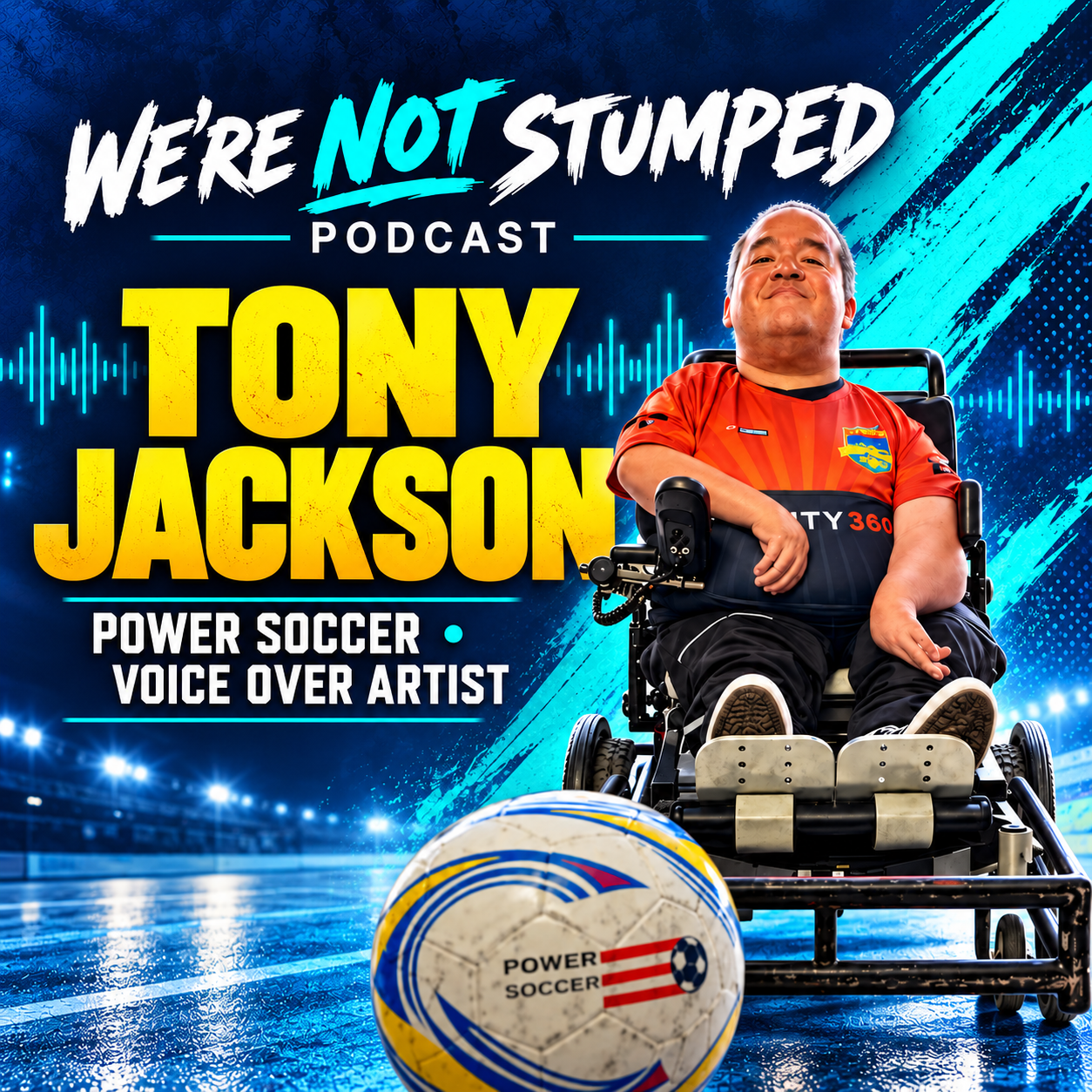
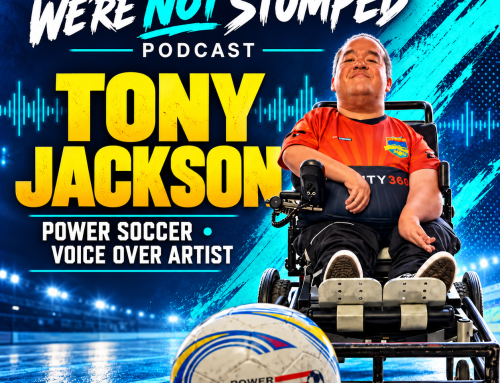
How can voiceover and adaptive sports create opportunities for people with disabilities? Phoenix-based voiceover artist Tony Jackson joins Mike Bolland on We’re Not Stumped to share his experiences behind the microphone and on the power soccer court. Tony serves as the Grant Coordinator and Power Soccer Coordinator at Ability360. We explore his path into voice acting, accessibility in casting, and how adaptive sports build teamwork, confidence, and a sense of belonging.
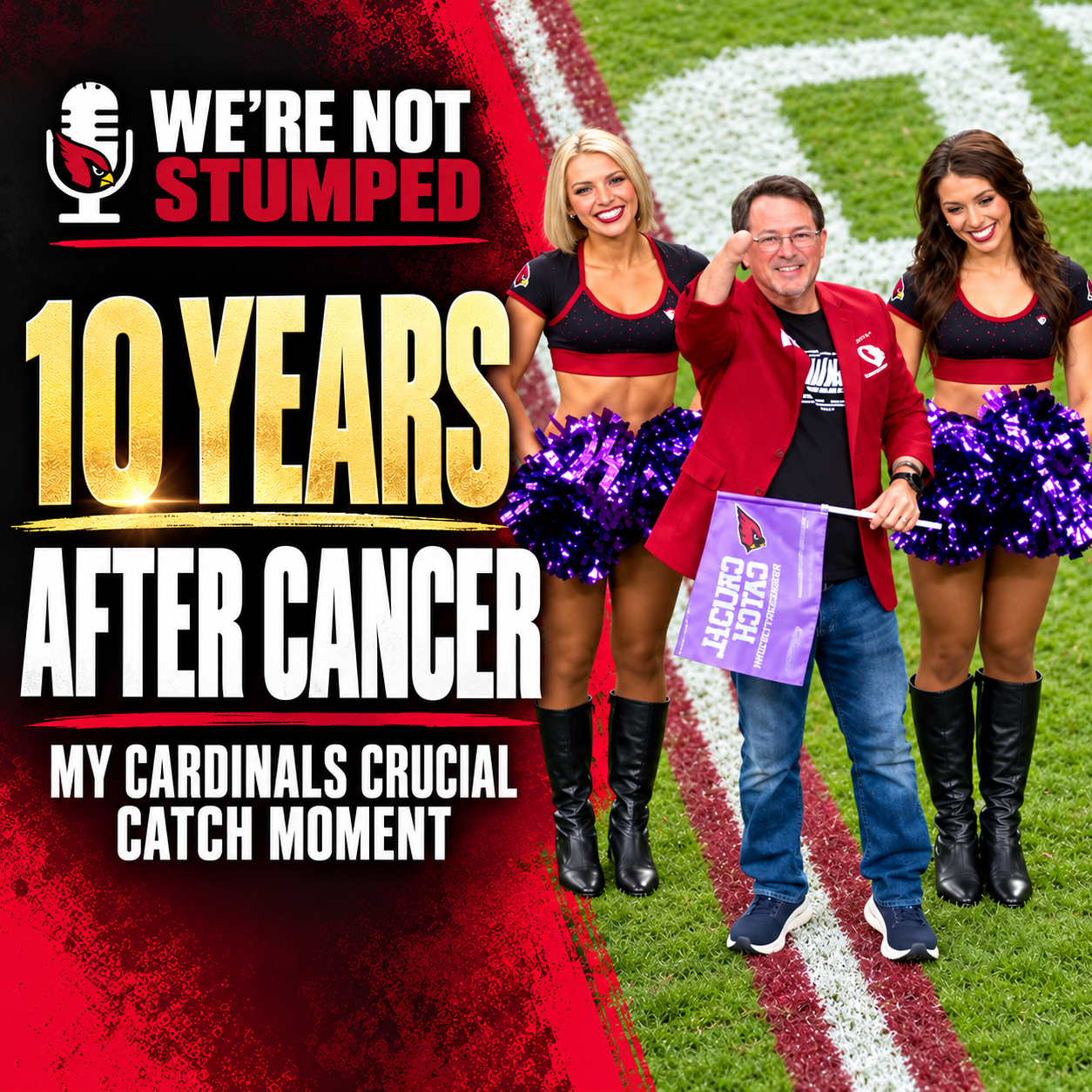
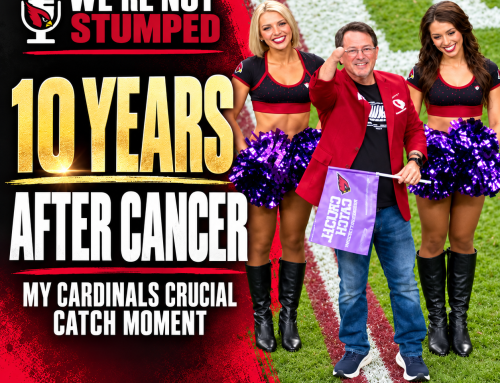
Ten years after cancer surgery, Mike Bolland found himself on the field at an Arizona Cardinals game, representing all cancers during the NFL’s Crucial Catch recognition. In this personal episode of We’re Not Stumped, Mike reflects on the journey from surgery and radiation to pursuing two goals: performing stand-up comedy and bowling on tour one more time. Those decisions helped lead to motivational speaking, a return to competition on the PBA60 Tour, and his message, “Take the Shot Anyway.” Mike also honors the podcast guests who have shared their own cancer journeys, including those who experienced limb loss, and the people whose support helped him through treatment and recovery.
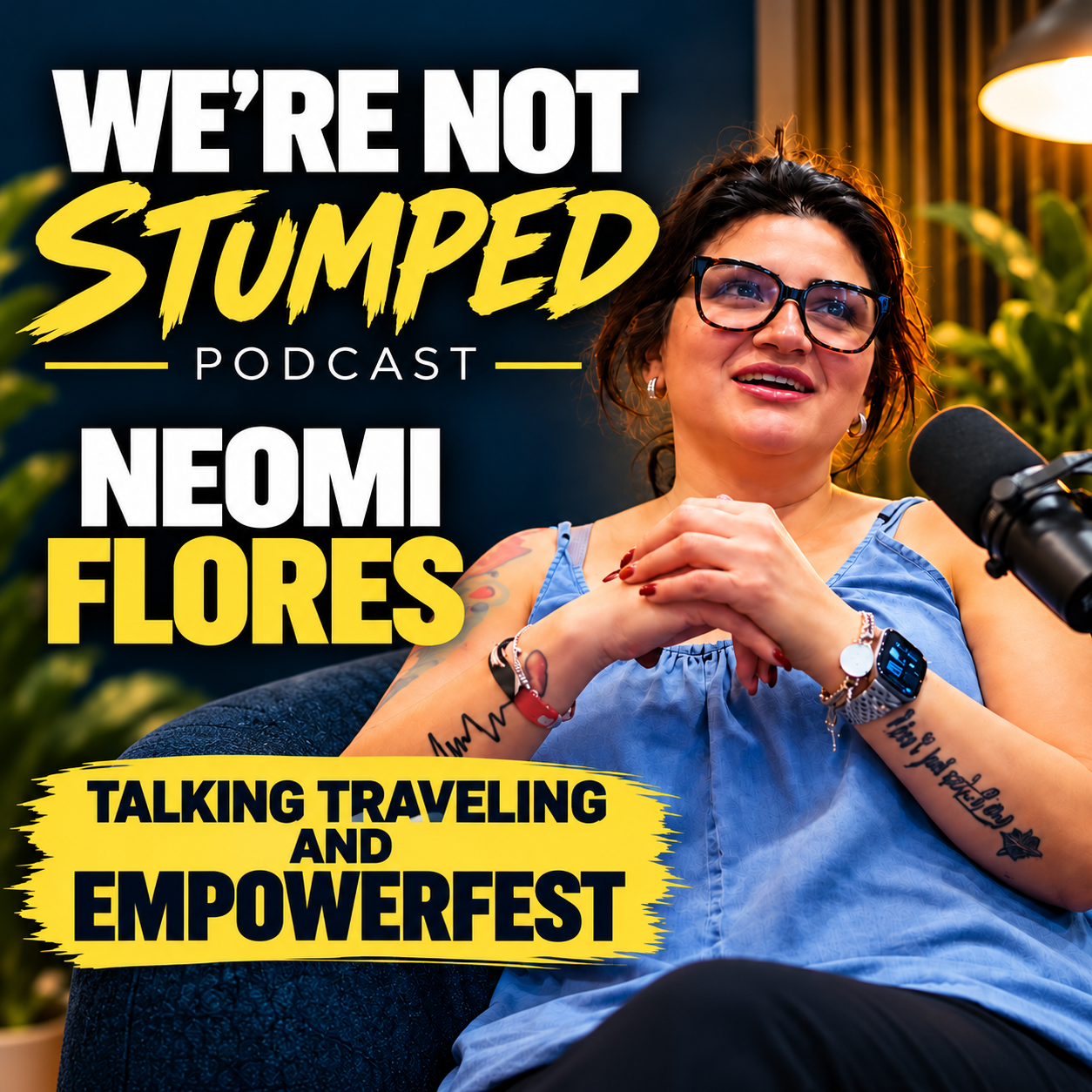
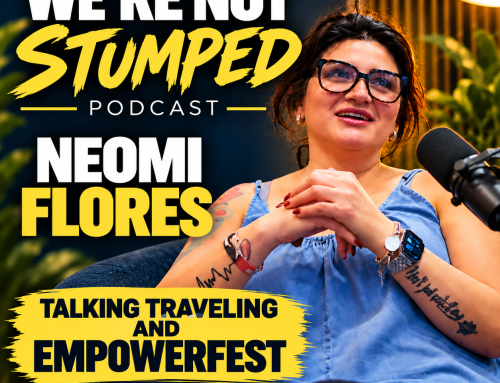
In this episode of We’re Not Stumped, Neomi Flores joins host Mike Bolland for an in-person conversation about traveling and EmpowerFest. Neomi is missing her left leg below the knee and brings her own perspective to the conversation. Neomi and Mike discuss experiences on the road and the connections made through events like EmpowerFest. Recorded together in person, this episode explores the value of meeting people and sharing experiences within the disability community. Have you attended EmpowerFest? What’s your favorite travel experience? We’d love to hear from you.