Because of his aggressive playing style—often sliding headfirst into bases while wearing only shorts—Eric injured his knees. The constant scraping of skin on hard gravel caused deep abrasions and internal injuries. Years and years of wear and tear led to surgeries and more surgeries. At a certain point, Eric had to decide whether to endure the terrible pain and immobility caused by the mounting surgeries or have his right leg amputated. He opted for the latter, and in 2009, Eric had his right leg removed. A few years later, in 2018, he had to have his left leg amputated, resulting in him becoming a bi-lateral, above-knee amputee. Both 2009 and 2018 were the worst and yet best years of his life.
Eric found purpose and meaning. This started with his discovery and involvement in the sport of rowing, specifically adaptive rowing. He found, even though he was a bilateral amputee, that he could row using a machine called an ERG. Eventually, this led him into competition. He competed three times in the World Indoor Rowing Adaptive Championships in Boston, Massachusetts and won a silver medal at his first Championship. He recently finished first in the category of 60-year and older lower leg amputee males. In 2012, he was invited to try out for the United States Paralympic Rowing Team. Though he did not win a spot on the team, he is forever grateful for the opportunity and experience he gained through the leadership, inspiration, and motivation of his fellow athletes.
Links
Eric Gabriel Website: https://gabrieleric42.wixsite.com/website
Eric’s GoFundMe for his house: https://www.gofundme.com/f/save-erics-disability-adaptive-home
GCU Graduation: https://youtu.be/QeZU8J3u2O0
GCU Feature: https://www.youtube.com/watch?v=NXRaKUdYJrI
Duke University Spotlight: https://www.contrastcreative.com/portfolio/all-staff-event/?prev_page=9
ABC11 TV Feature: https://abc11.com/double-amputee-rowing-eric-gabriel-gofundme/6380274/
CW22 Web Feature: https://raleighcw.com/news/22-now/eric-gabriels-amputee-journey
Eric Gabriel on Amplitude Magazine: https://livingwithamplitude.com/tag/eric-gabriel/
Want to be considered as a guest? Fill out the form here: https://werenotstumped.com/contact-amputee-podcast/
Want to learn more about our host Mike Bolland? See his website https://mikebolland.com/
Watch on YouTube
Listen on Spotify
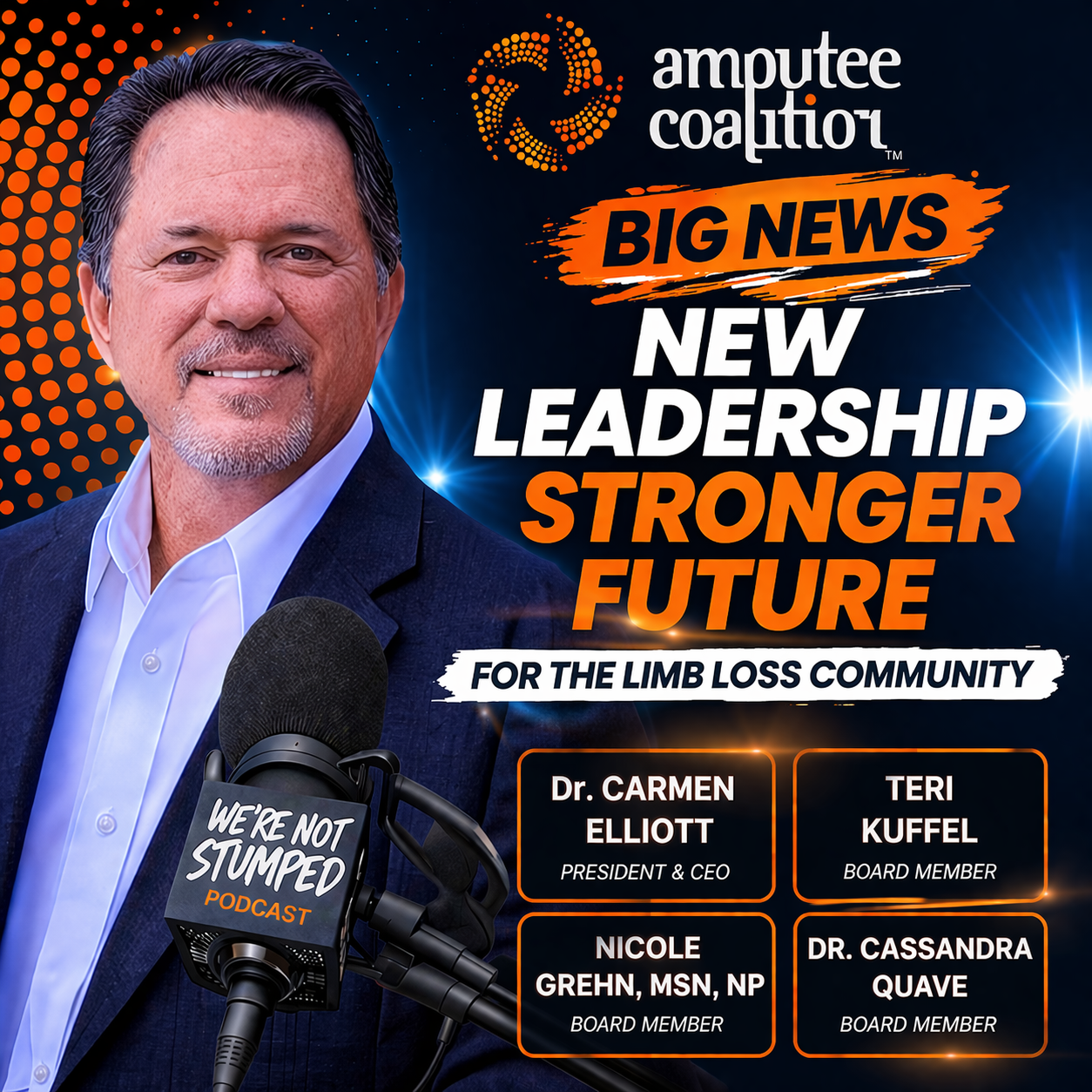
What do the new leadership changes at the Amputee Coalition mean for the limb loss community? In this episode of We’re Not Stumped, host Mike Bolland breaks down the latest updates, including the appointment of Dr. Carmen Elliott as President & CEO and the addition of new Board Members: Teri Kuffel Nicole Grehn, MSN, NP Dr. Cassandra Quave With backgrounds in healthcare, policy, research, and lived experience, this new leadership team brings a wide range of perspectives that could shape the future of care, advocacy, and support for people living with limb loss and limb difference.
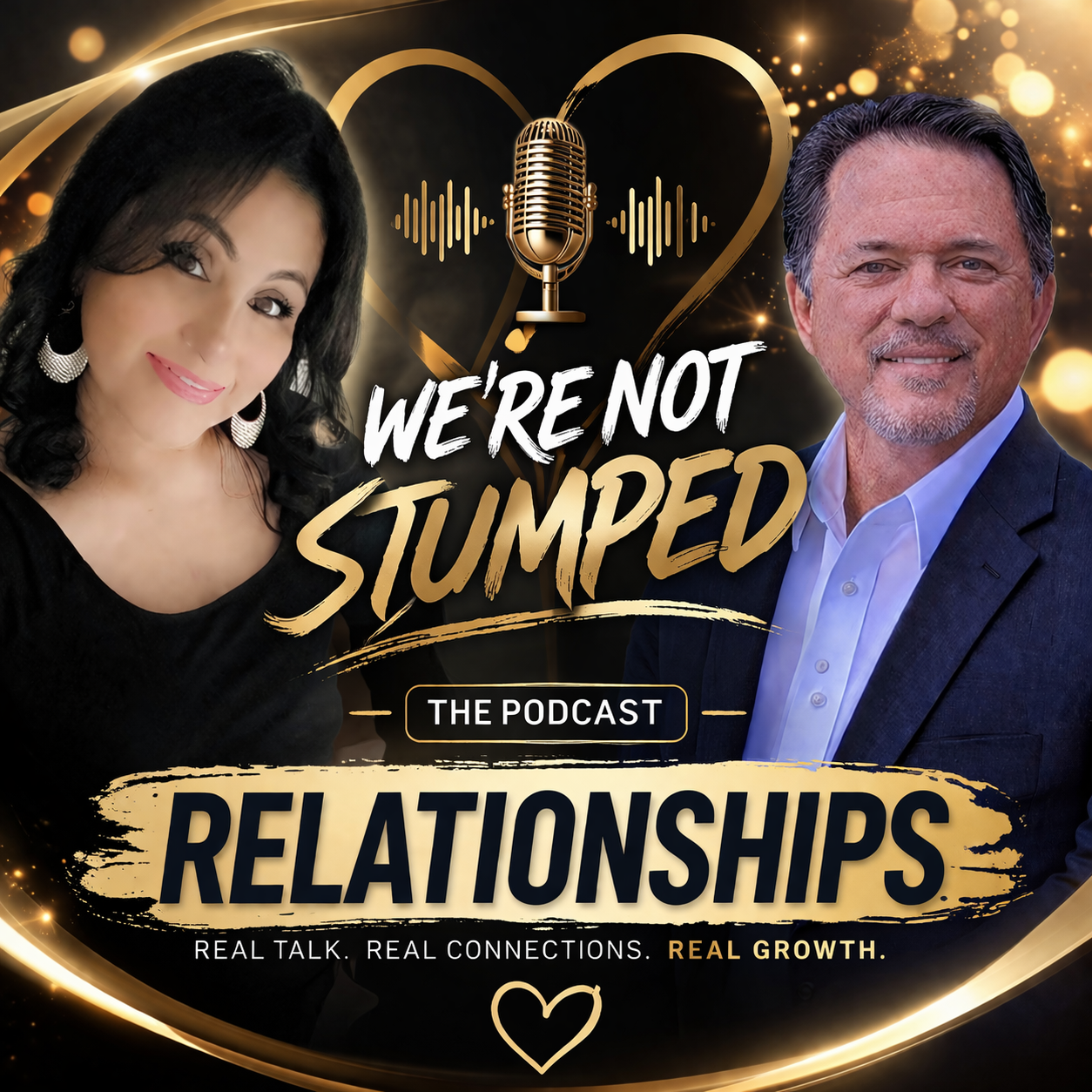
What is dating really like after limb loss? In this powerful episode of We’re Not Stumped, host Mike Bolland sits down with Neomi Flores to talk about relationships, confidence, and the realities of dating as an amputee. Neomi shares her deeply personal journey after losing her leg in 2022—including the emotional recovery, navigating self-confidence, and the challenges of putting herself back out there in the dating world.
What does real support look like in the limb loss community? In this solo episode of We’re Not Stumped, Mike Bolland shares the missions behind Joe & Marie’s Helping Hands and Enable Review—a platform where amputees share real experiences about prosthetists and clinics to help others make more informed decisions. Plus, Joe & Marie’s Helping Hands is currently seeking board members (Treasurer, Secretary, and Social Media Manager). If you’ve been looking for a way to give back, this could be your opportunity. Learn more about Joe & Marie’s Helping Hands: https://joeandmariehelpinghands.org/joe-and-maries-helping-hands-mission/ Explore Enable Review: https://enablereview.com/our-mission/