Because of his aggressive playing style—often sliding headfirst into bases while wearing only shorts—Eric injured his knees. The constant scraping of skin on hard gravel caused deep abrasions and internal injuries. Years and years of wear and tear led to surgeries and more surgeries. At a certain point, Eric had to decide whether to endure the terrible pain and immobility caused by the mounting surgeries or have his right leg amputated. He opted for the latter, and in 2009, Eric had his right leg removed. A few years later, in 2018, he had to have his left leg amputated, resulting in him becoming a bi-lateral, above-knee amputee. Both 2009 and 2018 were the worst and yet best years of his life.
Eric found purpose and meaning. This started with his discovery and involvement in the sport of rowing, specifically adaptive rowing. He found, even though he was a bilateral amputee, that he could row using a machine called an ERG. Eventually, this led him into competition. He competed three times in the World Indoor Rowing Adaptive Championships in Boston, Massachusetts and won a silver medal at his first Championship. He recently finished first in the category of 60-year and older lower leg amputee males. In 2012, he was invited to try out for the United States Paralympic Rowing Team. Though he did not win a spot on the team, he is forever grateful for the opportunity and experience he gained through the leadership, inspiration, and motivation of his fellow athletes.
Links
Eric Gabriel Website: https://gabrieleric42.wixsite.com/website
Eric’s GoFundMe for his house: https://www.gofundme.com/f/save-erics-disability-adaptive-home
GCU Graduation: https://youtu.be/QeZU8J3u2O0
GCU Feature: https://www.youtube.com/watch?v=NXRaKUdYJrI
Duke University Spotlight: https://www.contrastcreative.com/portfolio/all-staff-event/?prev_page=9
ABC11 TV Feature: https://abc11.com/double-amputee-rowing-eric-gabriel-gofundme/6380274/
CW22 Web Feature: https://raleighcw.com/news/22-now/eric-gabriels-amputee-journey
Eric Gabriel on Amplitude Magazine: https://livingwithamplitude.com/tag/eric-gabriel/
Want to be considered as a guest? Fill out the form here: https://werenotstumped.com/contact-amputee-podcast/
Want to learn more about our host Mike Bolland? See his website https://mikebolland.com/
Watch on YouTube
Listen on Spotify
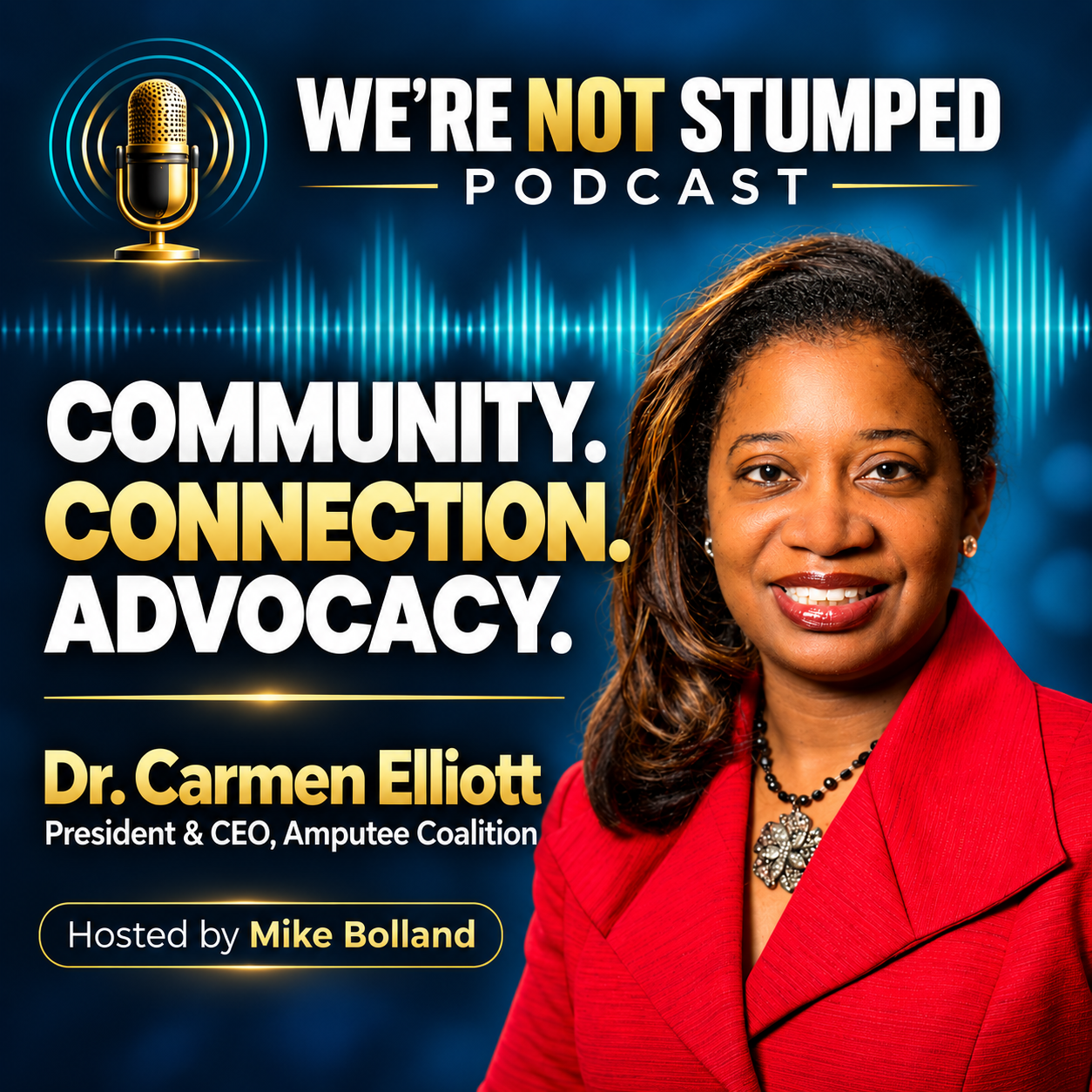
Dr. Carmen Elliott, the new President and CEO of the Amputee Coalition, joins Mike Bolland for a conversation about community, advocacy, and helping people with limb loss and limb difference find the support they need. Carmen shares how her family’s experiences with healthcare access and limb loss shaped her commitment to this work. Together, they explore the value of peer support, access to prosthetics, and including families and caregivers in the conversation. They also discuss support groups, certified peer visitors, AC Connect, and the upcoming “Fireside Connections” conference.
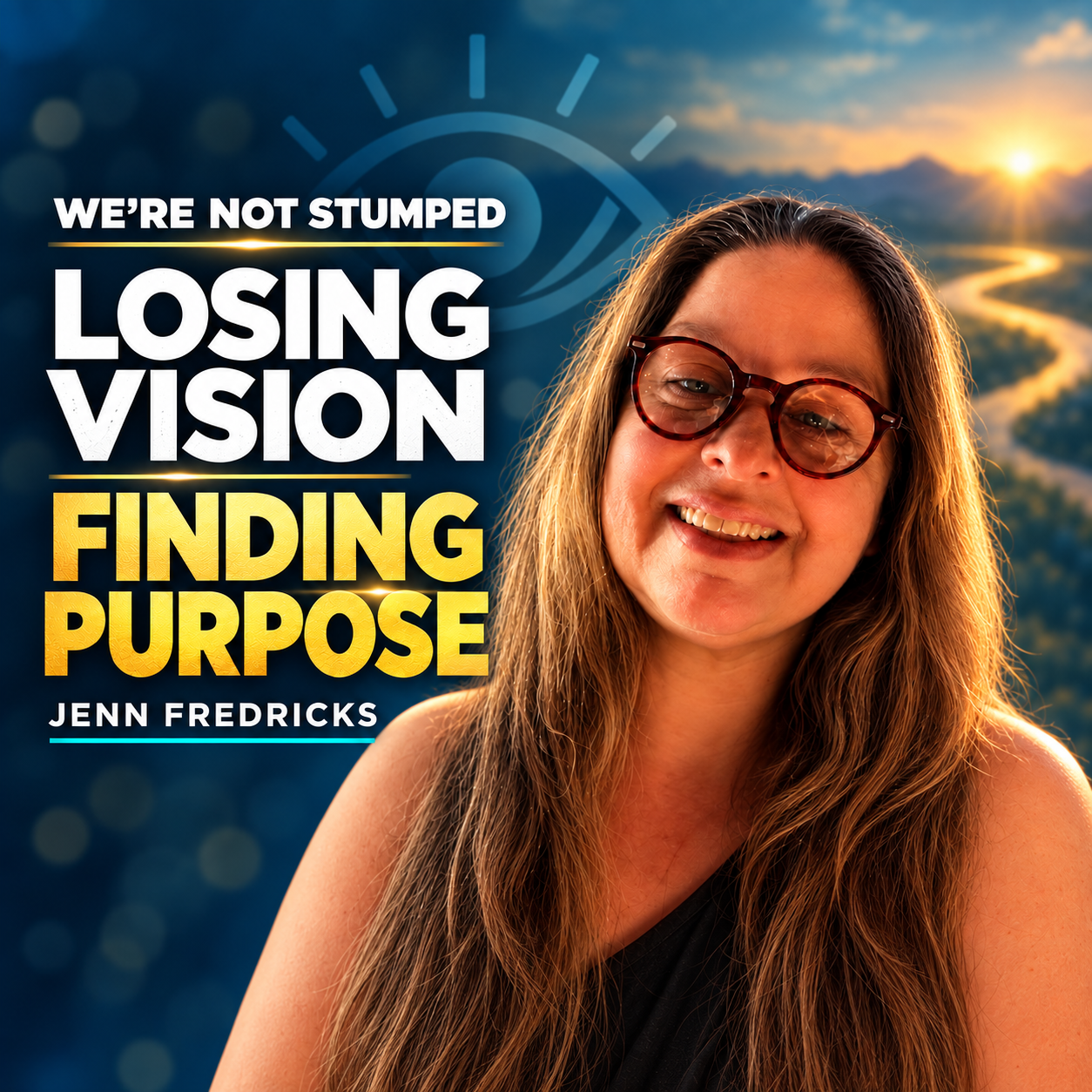
How do you move forward when vision loss changes your career, independence, and plans for the future? In this episode of We’re Not Stumped, Mike Bolland speaks with Jennifer Frederick about living with permanent vision loss and learning to advocate for herself along the way. Jennifer explains how changes in her vision eventually forced her to leave a career in crisis management. She also discusses the challenges she now faces while looking for work, including interview practices that have left her questioning whether she is being treated fairly as a person with a disability. The conversation explores Jenn’s decision not to undergo surgery for her detached retinas, the importance of seeking medical attention when your vision changes, and the need to take ownership of your healthcare.
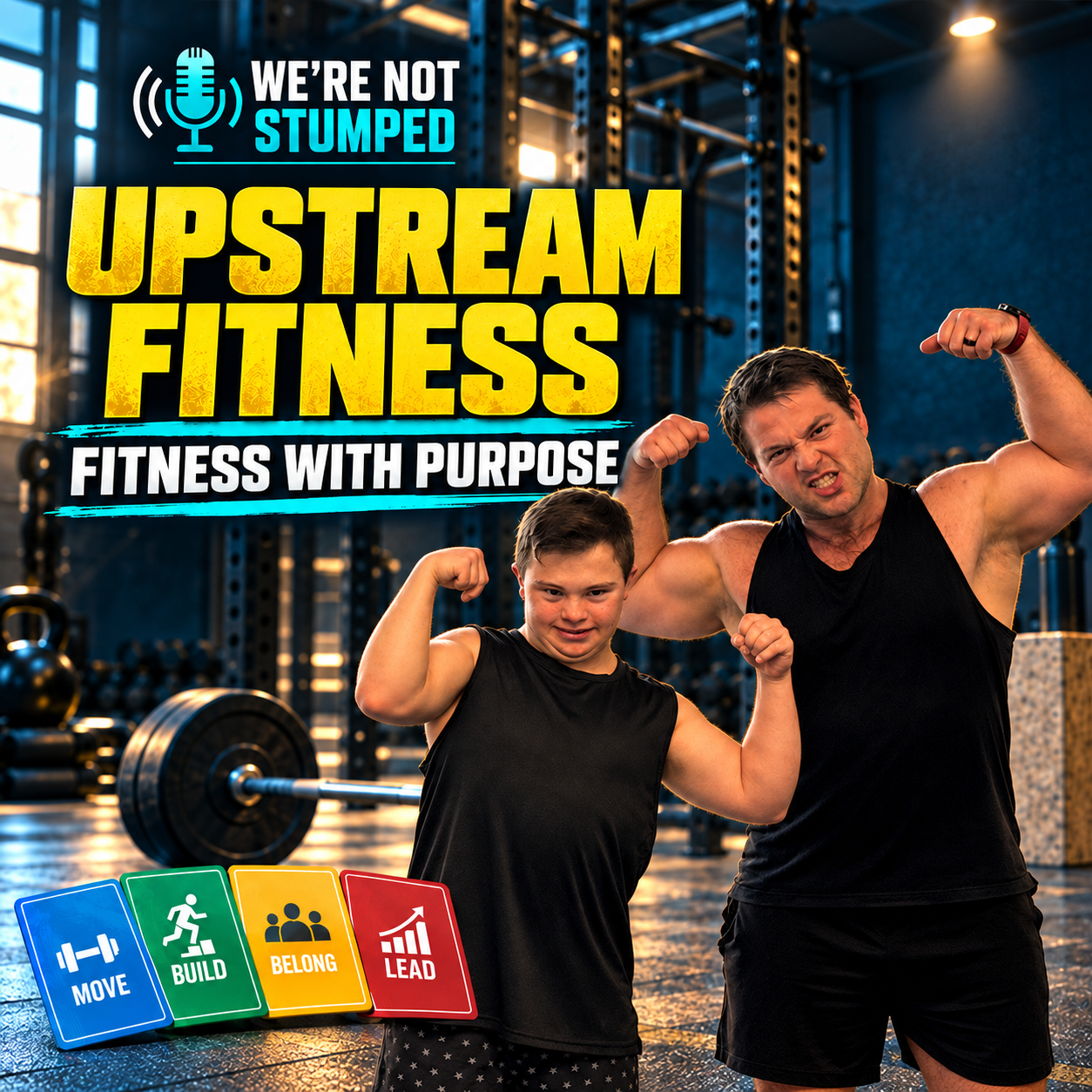
What happens when we stop deciding what someone is capable of—and give them the opportunity to lead? In this episode of We’re Not Stumped, Mike Bolland speaks with Nathan Kennedy of Upstream Fitness, Chris Kocurek, and Chris’s son, Coach Cameron “Coach Cam” Kocurek. Cameron, who has Down syndrome, began gymnastics as a child and went on to compete through Special Olympics and unified gymnastics. Today, he is using the confidence and skills he developed as an athlete to help coach others at Upstream Fitness. Nathan explains how Upstream Fitness uses movement, games, coaching cards, and step-by-step instruction to make exercise accessible for people with intellectual and developmental disabilities. Chris shares Cameron’s journey from athlete to assistant PE coach—and now toward meaningful employment and greater independence.