
In this episode of the We’re Not Stumped podcast, I have the pleasure of hosting Dr. Eric Gabriel, a bi-lateral above-knee amputee for the second time. Born and raised in Levittown, Long Island, NY, one of the first pre-planned housing developments in the United States, Eric enjoyed a childhood filled with school and baseball. Later in life, he discovered a passion for softball and played competitively for 18 years, starting in his late teens. Despite the enjoyment, his aggressive playing style, which often included sliding headfirst into bases while wearing shorts, led to significant knee injuries. The constant abrasions and internal damage resulted in numerous surgeries over the years.
Eventually, Eric faced a difficult decision: endure the severe pain and immobility from his surgeries or have his right leg amputated. He chose the latter and underwent the procedure in 2009. A few years later, in 2018, he had his left leg amputated, becoming a bi-lateral above-knee amputee. Although these years were among the most challenging, they also brought profound transformation.
Eric found new purpose and meaning through adaptive rowing. Despite his amputations, he discovered he could row using a machine called an ERG, which led him into competitive rowing. He competed three times in the World Indoor Rowing Adaptive Championships in Boston, Massachusetts, earning a silver medal in his first championship. Recently, he placed first in the category for 60-year and older lower leg amputee males. In 2012, Eric was invited to try out for the United States Paralympic Rowing Team. Although he didn’t secure a spot on the team, he remains deeply grateful for the experience and the inspiration and motivation from his fellow athletes.
Links
Eric Gabriel Website: https://gabrieleric42.wixsite.com/website
GCU Graduation: https://youtu.be/QeZU8J3u2O0
GCU Feature: https://www.youtube.com/watch?v=NXRaKUdYJrI
Duke University Spotlight: https://www.contrastcreative.com/portfolio/all-staff-event/?prev_page=9
ABC11 TV Feature: https://abc11.com/double-amputee-rowing-eric-gabriel-gofundme/6380274/
CW22 Web Feature: https://raleighcw.com/news/22-now/eric-gabriels-amputee-journey
Eric Gabriel on Amplitude Magazine: https://livingwithamplitude.com/tag/eric-gabriel/
#bilateralamputee #adaptiveathlete #amputee #limbloss
Listen on Apple Podcasts
Watch on YouTube
Listen on Spotify
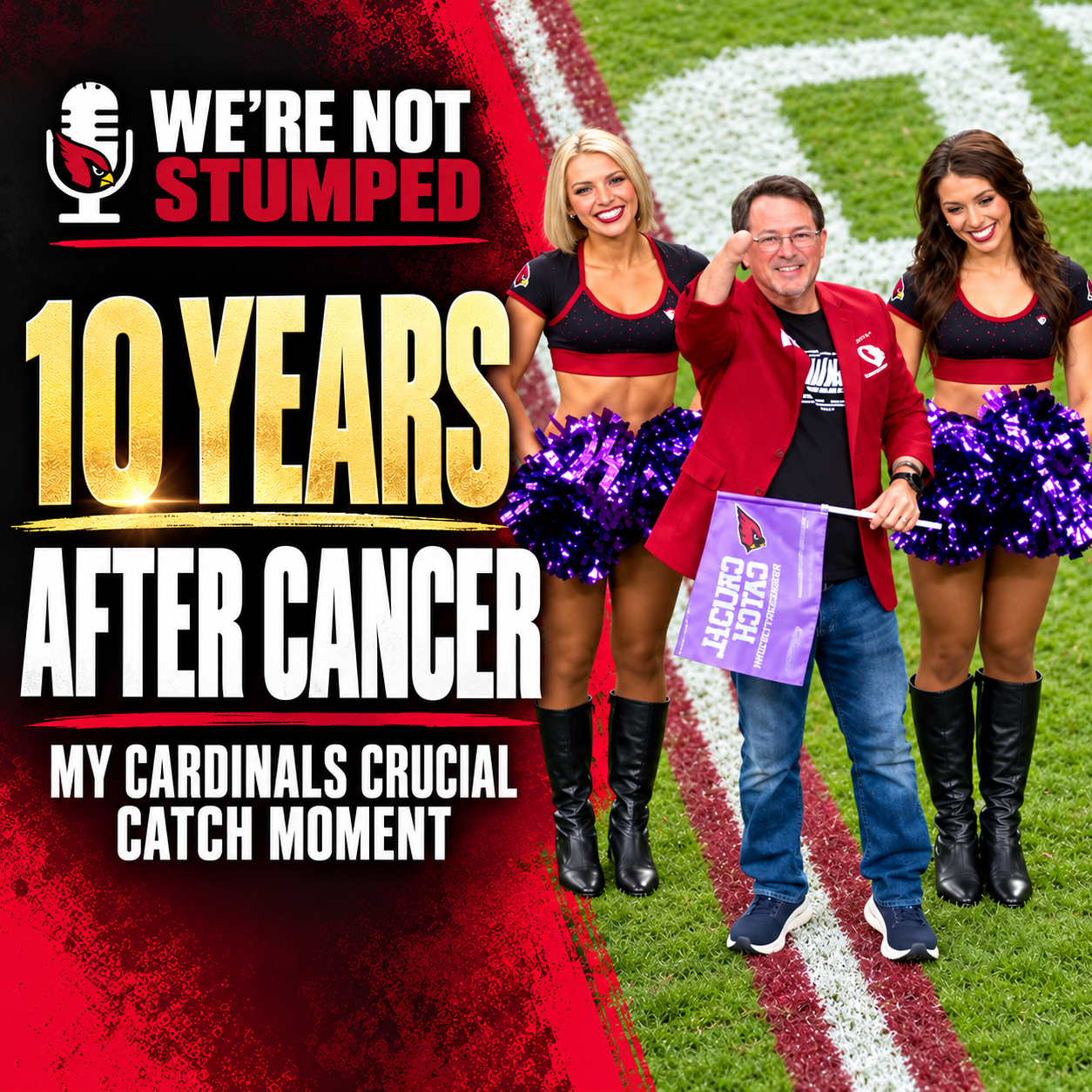
Ten years after cancer surgery, Mike Bolland found himself on the field at an Arizona Cardinals game, representing all cancers during the NFL’s Crucial Catch recognition. In this personal episode of We’re Not Stumped, Mike reflects on the journey from surgery and radiation to pursuing two goals: performing stand-up comedy and bowling on tour one more time. Those decisions helped lead to motivational speaking, a return to competition on the PBA60 Tour, and his message, “Take the Shot Anyway.” Mike also honors the podcast guests who have shared their own cancer journeys, including those who experienced limb loss, and the people whose support helped him through treatment and recovery.
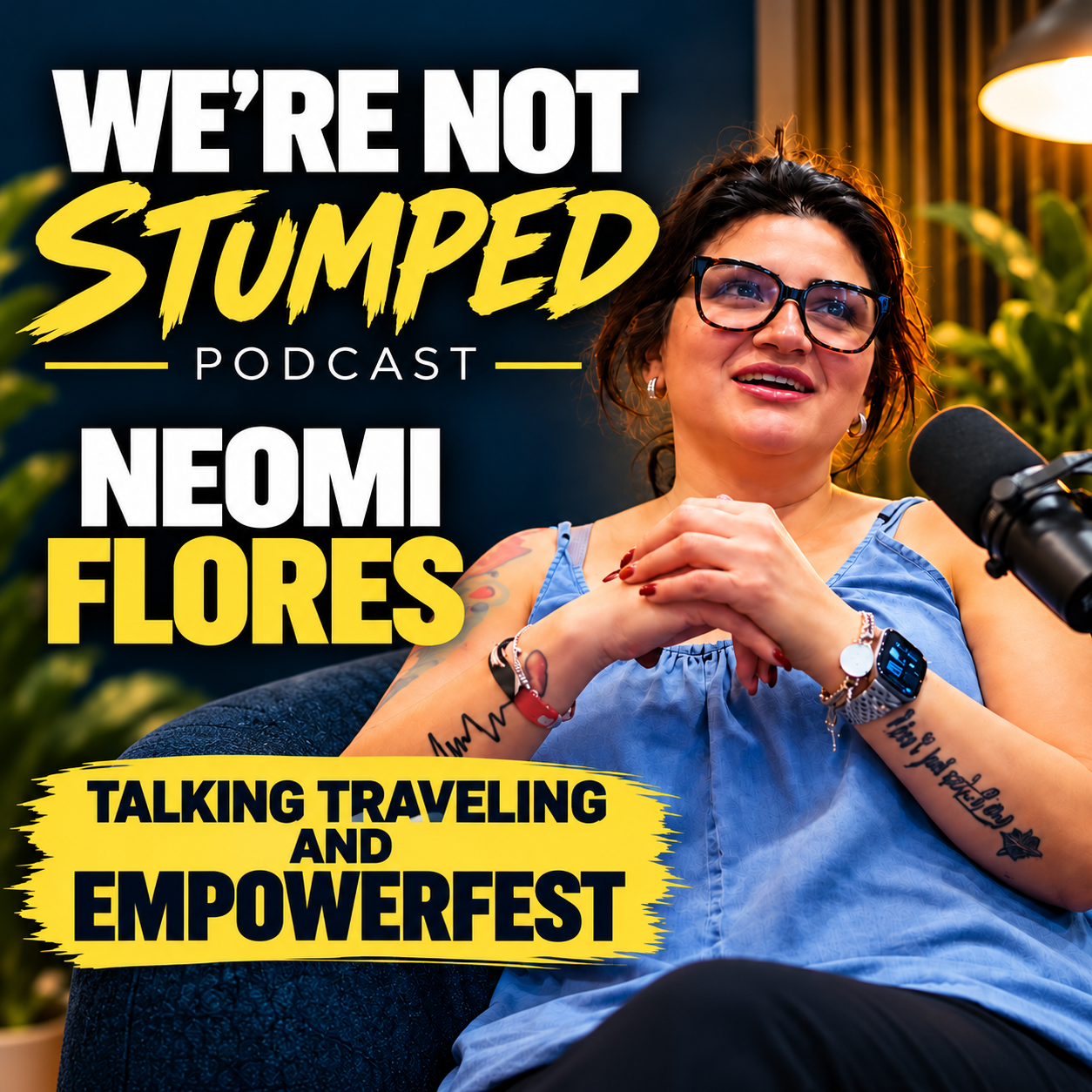
In this episode of We’re Not Stumped, Neomi Flores joins host Mike Bolland for an in-person conversation about traveling and EmpowerFest. Neomi is missing her left leg below the knee and brings her own perspective to the conversation. Neomi and Mike discuss experiences on the road and the connections made through events like EmpowerFest. Recorded together in person, this episode explores the value of meeting people and sharing experiences within the disability community. Have you attended EmpowerFest? What’s your favorite travel experience? We’d love to hear from you.
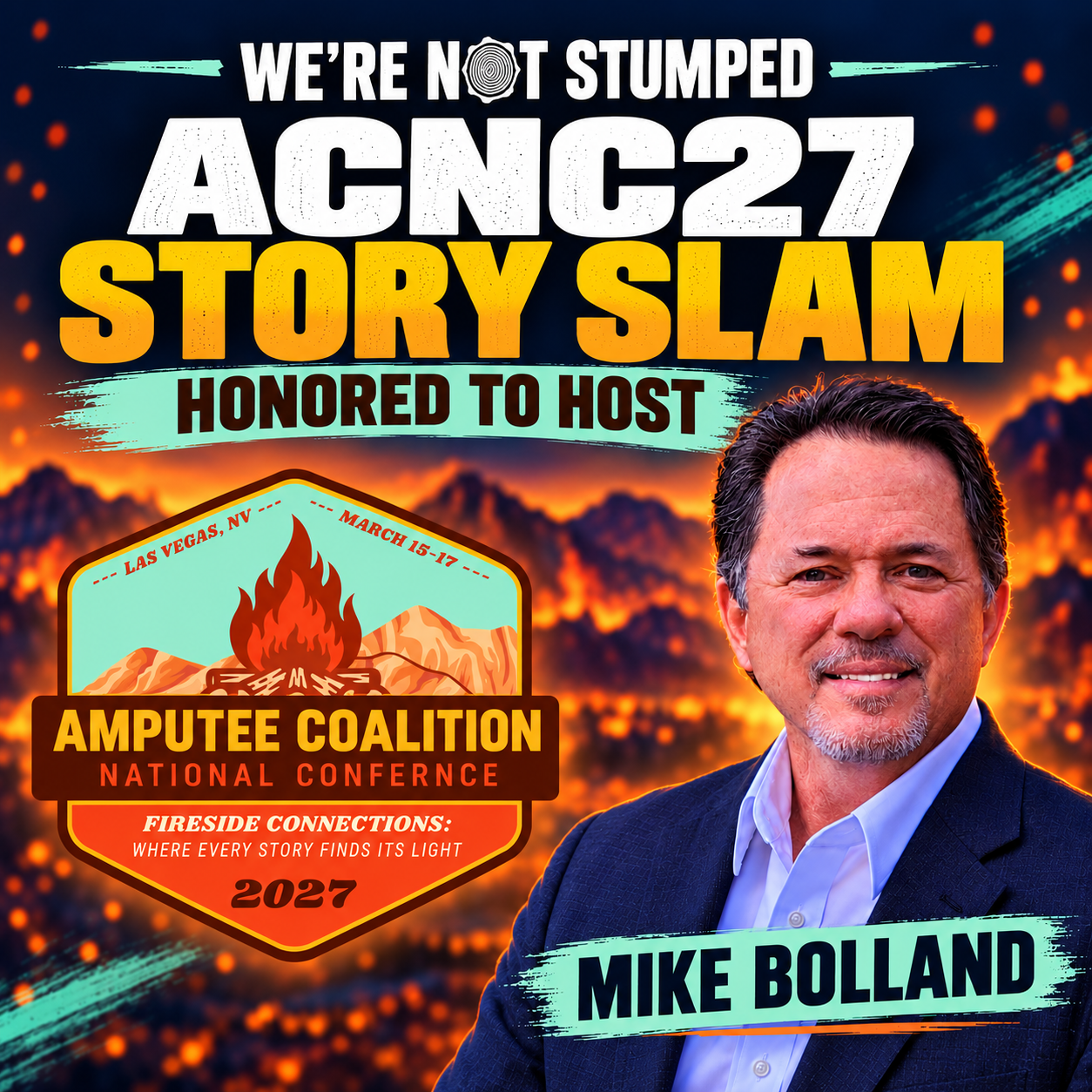
Everyone has a story worth sharing—and at the 2027 Amputee Coalition National Conference, those stories will take center stage. It’s an honor for We're Not Stumped host Mike Bolland to serve as host and help create a welcoming space for the community’s voices. “Story Slam: Where Every Story Finds Its Light” brings the community together for an evening of laughter, connection, and five-minute stories. Twenty storytellers will be selected at random to share a moment from their lives. There’s no competition, no judging, and no expectation that a story must be inspirational or about limb loss or limb difference. In this episode of We’re Not Stumped, Mike Bolland introduces the event and shares what attendees can look forward to.
Leave A Comment