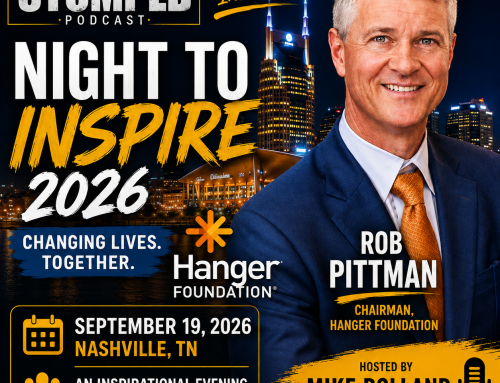
In this episode of We’re Not Stumped, Mike Bolland sits down with Karen Morales, a wheelchair user and leader of Fora Travel’s Accessibility Initiative, to discuss how the travel industry can become more inclusive for everyone.
After becoming a wheelchair user in 2020, Karen quickly discovered that planning an accessible trip often meant endless phone calls, unanswered questions, and uncertainty about whether hotels, transportation, and attractions would truly meet her needs. Rather than accepting those challenges, she helped create an initiative that’s training hundreds of travel advisors to better serve travelers with disabilities and other accessibility needs.
Mike and Karen discuss:
- Why accessible travel is about confidence—not limitations.
- The biggest obstacles travelers with disabilities still face.
- How hotels and airlines can create better experiences.
- Why accessible travel benefits far more people than you might think.
- Practical advice for planning your first accessible trip.
Karen also shares how adaptive skiing and travel helped her reclaim a sense of freedom after becoming a wheelchair user, and why she believes everyone deserves the opportunity to explore the world.
Whether you’re living with a disability, traveling with a loved one, or work in the travel industry, this conversation offers practical insights and an inspiring reminder that travel should be accessible to everyone.
- Karen IG — https://www.instagram.com/gojoyward/
- Karen LinkedIn — https://www.linkedin.com/in/karen-morales-157b412/
- Fora IG — https://www.instagram.com/foratravel/?hl=en
- Fora LinkedIn — https://www.linkedin.com/company/foratravel/
- Fora Website — https://www.foratravel.com/
- Karen Fora Page — https://www.foratravel.com/advisor/karen-morales
Listen on Apple Podcasts
Watch on YouTube
Listen on Spotify
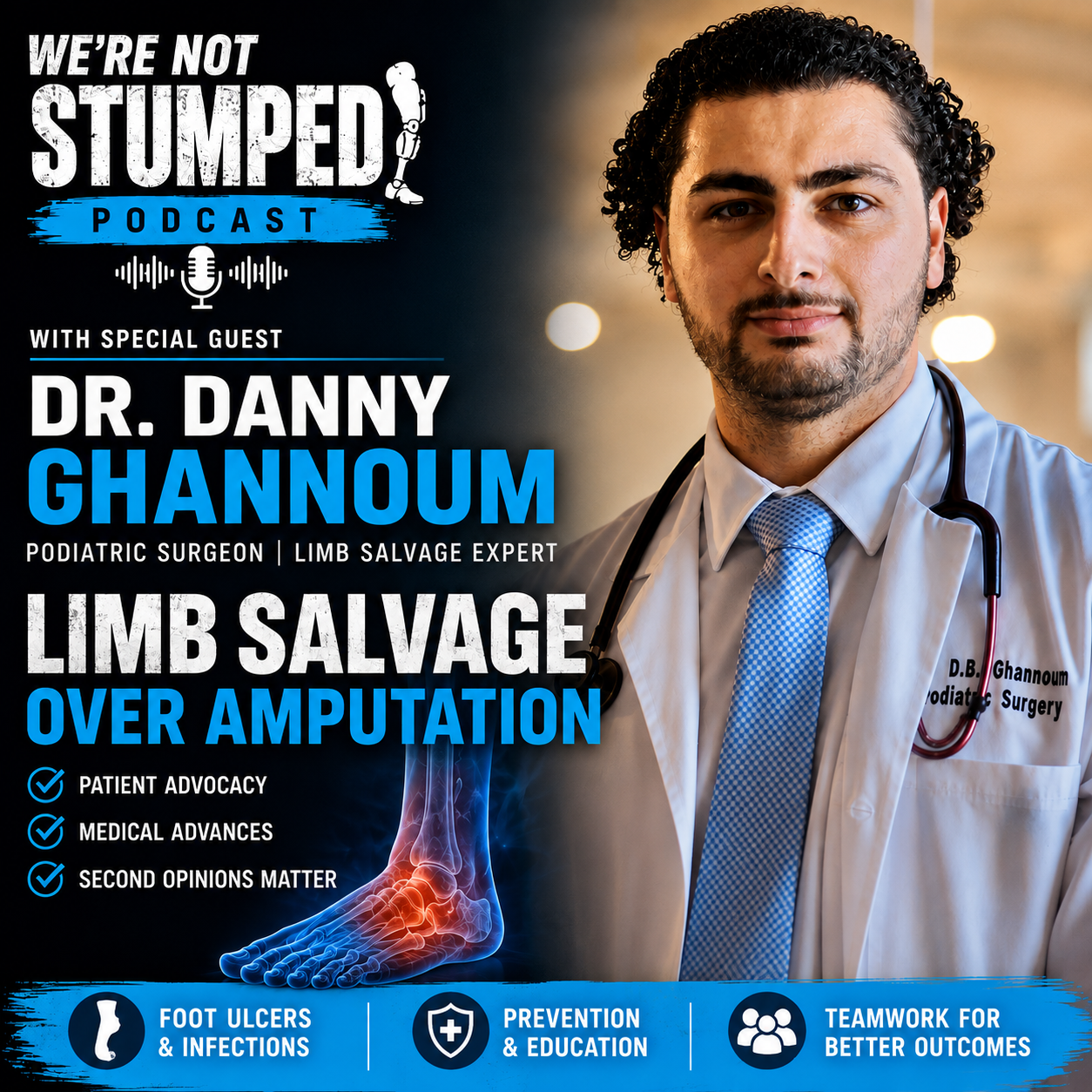
When should a limb be saved—and when might amputation provide a better quality of life? On this episode of We’re Not Stumped, Mike Bolland talks with podiatric surgeon Dr. Danny Ghannoum about limb salvage, diabetic foot complications, Charcot neuroarthropathy, bone infections, and the difficult decisions that can lead to lower-limb amputation. Dr. Ghannoum explains how diabetes, peripheral neuropathy, poor circulation, foot ulcers, and osteomyelitis can put a limb at risk. He also shares complex patient cases that illustrate an important point: saving a limb isn't always the same as achieving the best outcome for the patient.
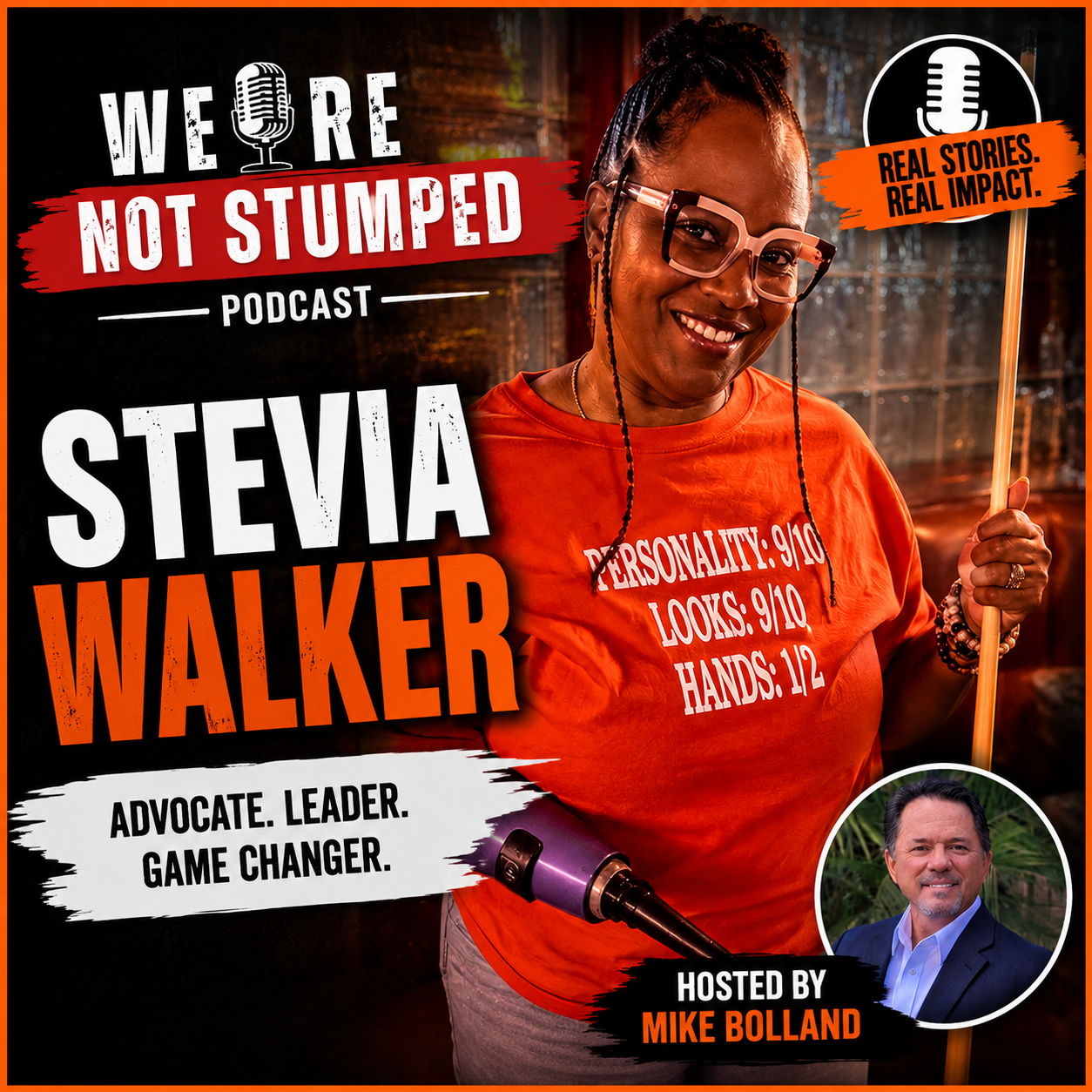
What are you actually allowed to ask someone with a service dog? Do service dogs need paperwork? And what happens when businesses get the rules wrong? In this episode of We’re Not Stumped, Mike Bolland talks with upper-limb amputee Stevia Walker about service animals, disability, prosthetics, self-advocacy, and life after limb loss. Stevia shares an encounter at a hotel where employees demanded documentation for her service dog and incorrectly assumed the dog was an emotional support animal. She discusses what people and businesses should understand about service animals and why these interactions matter.
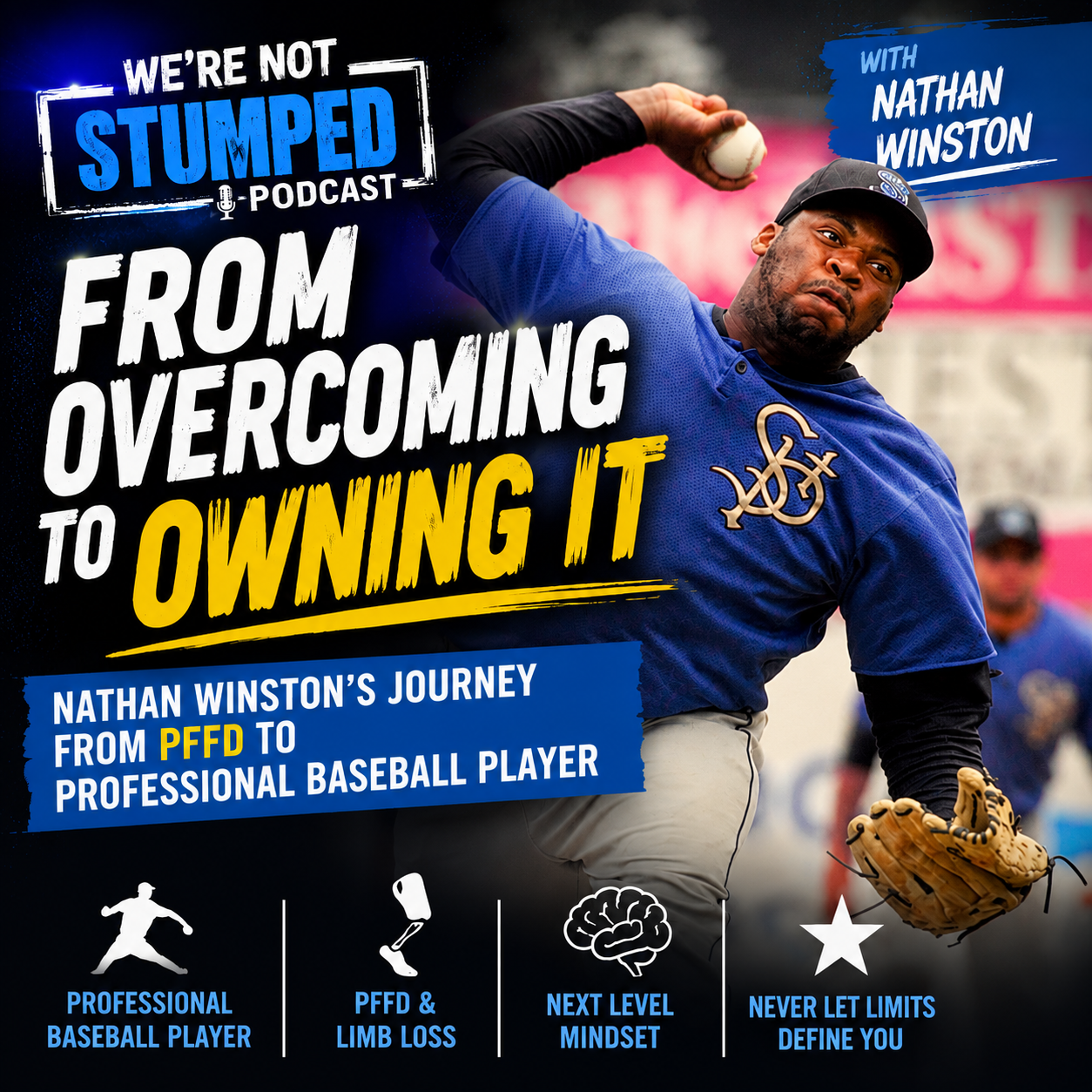
What does it take to overcome a challenge you've faced since birth? In this episode of We're Not Stumped, Mike Bolland welcomes Nathan Winston, who was born with Proximal Femoral Focal Deficiency (PFFD), a rare limb difference that led to the amputation of his left leg at the age of four. Nathan shares his incredible journey from adapting to life with a prosthetic to excelling in football, basketball, and baseball. His determination eventually carried him to the Little League World Series and into the ranks of professional baseball. Along the way, Nathan reflects on the challenges he faced, the resilience he developed, and the mindset that helped him keep moving forward—even when the path wasn't easy.