Here’s the actual quote from a company called the LN4 Hand Project:
“A prosthetic hand is an invaluable asset to an individual without an upper limb.
An upper limb prosthesis can determine whether or not an individual is able to be employed, contribute to household duties, or provide an increased sense of independence.”
As a successful one-handed person—a podcaster, speaker, nonprofit founder, and former pro bowler—I have to say, that sentence overlooks the truth: people with limb differences are capable with or without a device.
And it’s not just the language. Companies like Taska Prosthetics create videos that show one-handed people doing things like washing apples, as if that’s the pinnacle of independence.
While I love and appreciate prosthetics, we can do better. In this podcast, I break down the problem with this kind of messaging, share my lived experience, and challenge the assumption that a prosthesis defines your ability to succeed.
👉 Let’s flip the script—from limitation to liberation.
🔗 Learn more about my story: https://mikebolland.com
🎙 Host of We’re Not Stumped
📣 Drop a comment if you’re living proof that one hand is more than enough.
Listen on Apple Podcasts
Watch on YouTube
Listen on Spotify
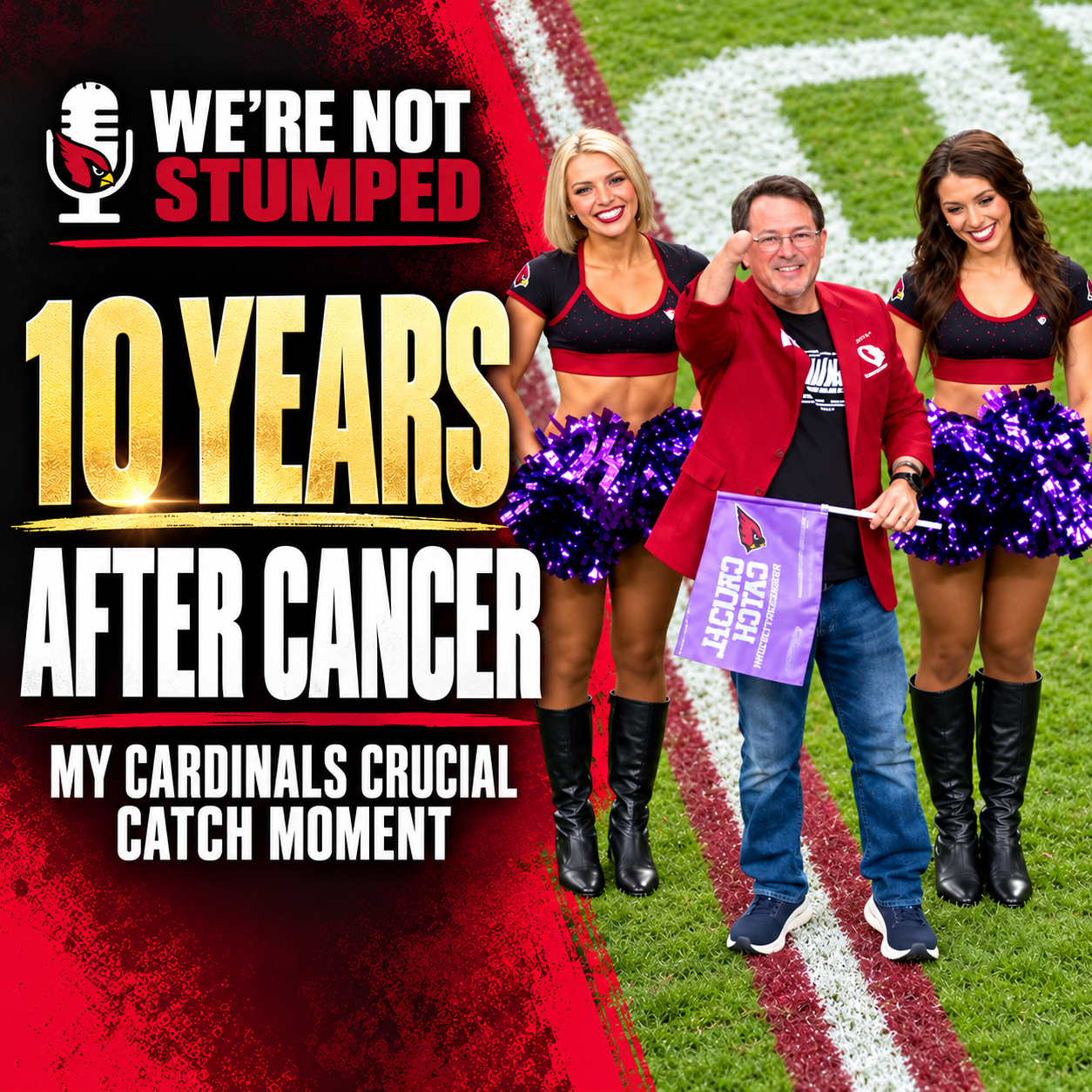
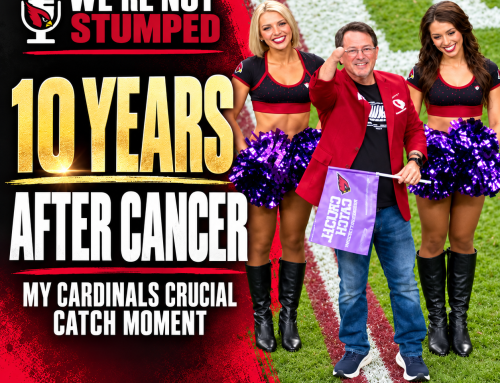
Ten years after cancer surgery, Mike Bolland found himself on the field at an Arizona Cardinals game, representing all cancers during the NFL’s Crucial Catch recognition. In this personal episode of We’re Not Stumped, Mike reflects on the journey from surgery and radiation to pursuing two goals: performing stand-up comedy and bowling on tour one more time. Those decisions helped lead to motivational speaking, a return to competition on the PBA60 Tour, and his message, “Take the Shot Anyway.” Mike also honors the podcast guests who have shared their own cancer journeys, including those who experienced limb loss, and the people whose support helped him through treatment and recovery.
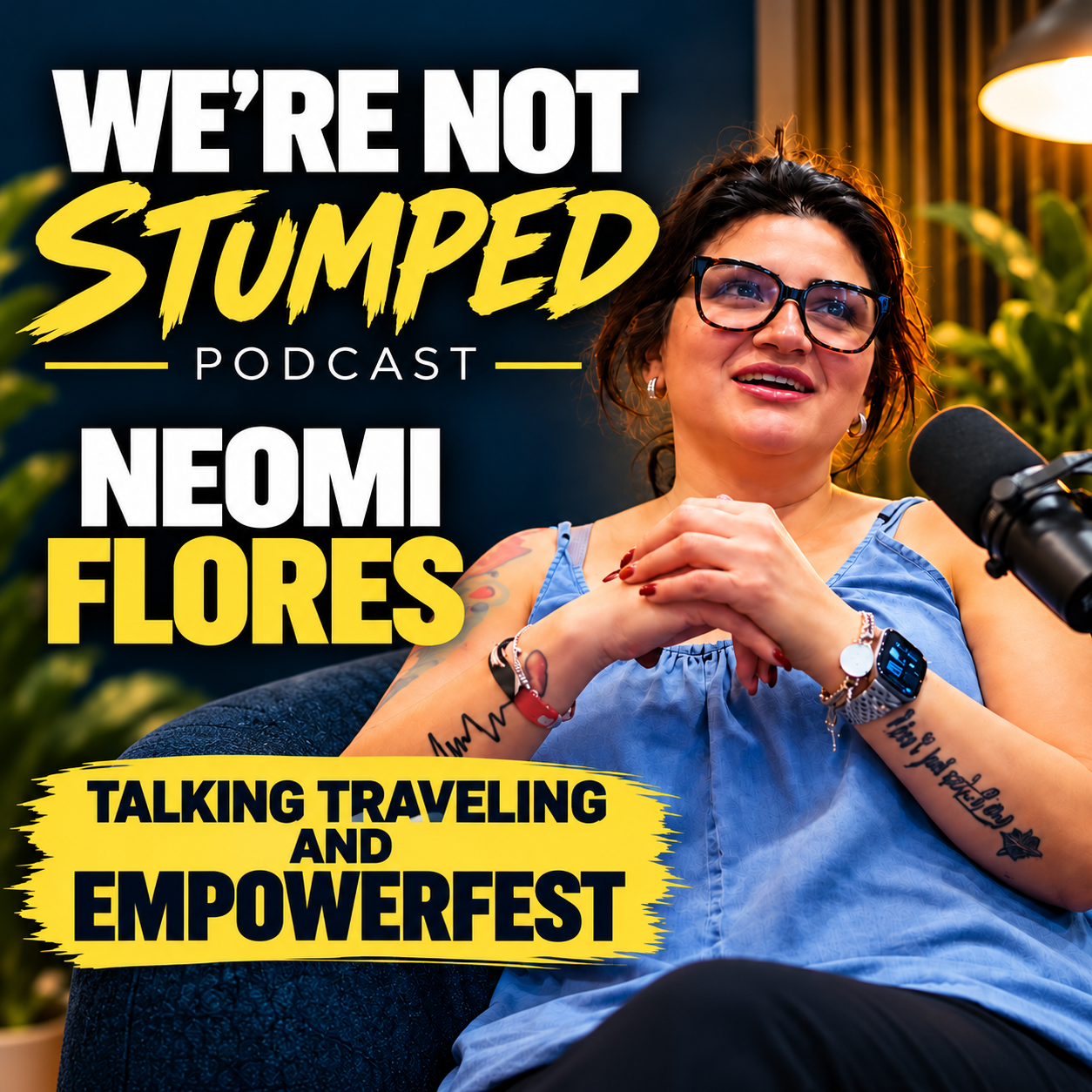
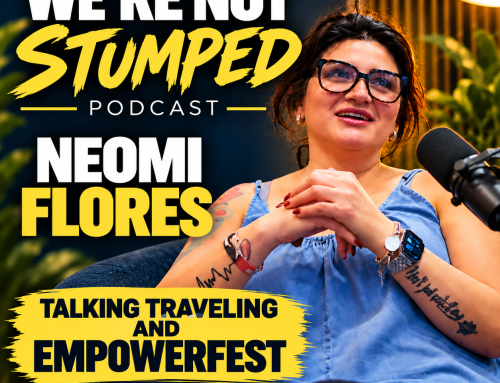
In this episode of We’re Not Stumped, Neomi Flores joins host Mike Bolland for an in-person conversation about traveling and EmpowerFest. Neomi is missing her left leg below the knee and brings her own perspective to the conversation. Neomi and Mike discuss experiences on the road and the connections made through events like EmpowerFest. Recorded together in person, this episode explores the value of meeting people and sharing experiences within the disability community. Have you attended EmpowerFest? What’s your favorite travel experience? We’d love to hear from you.
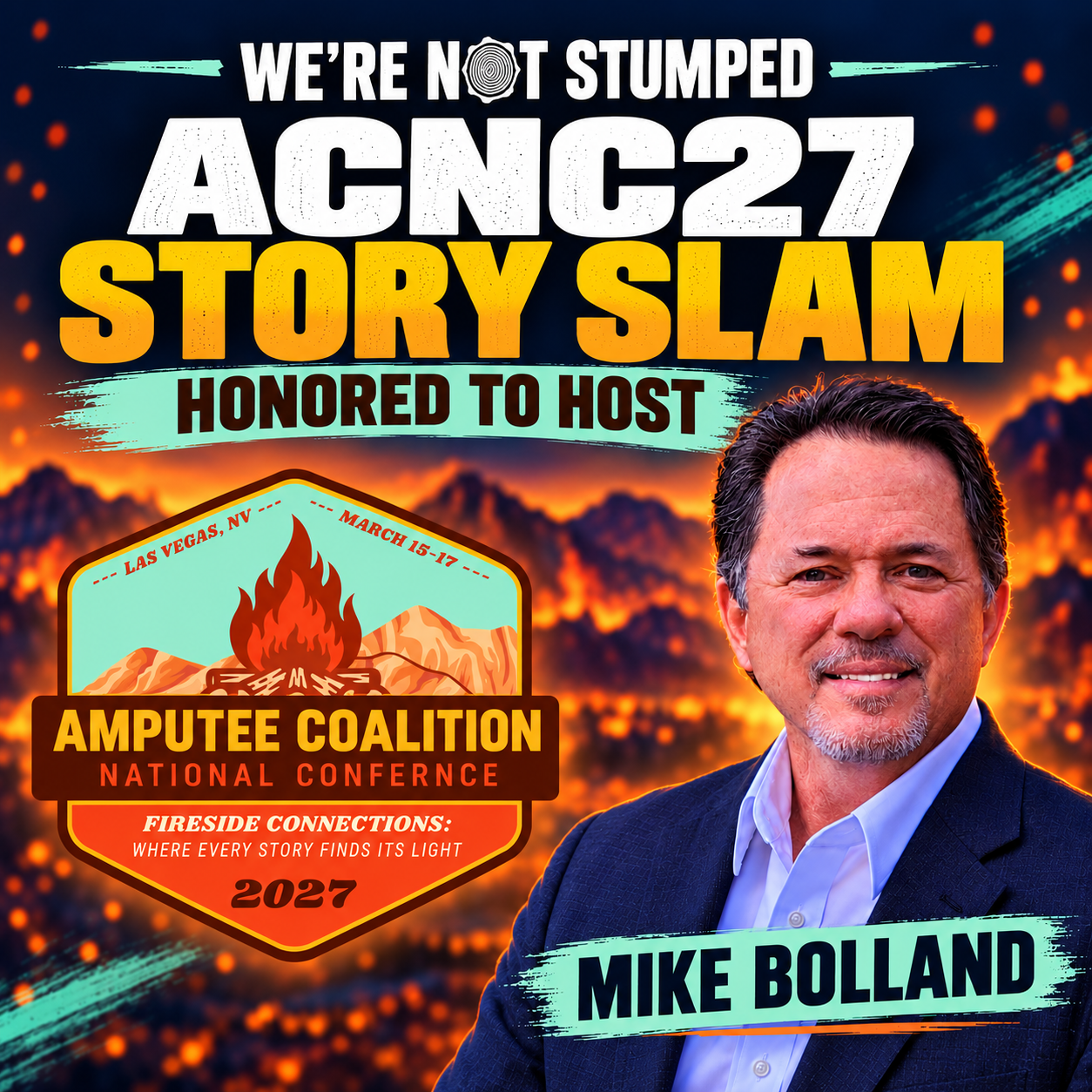
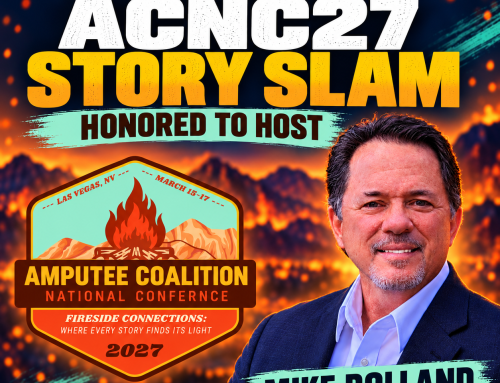
Everyone has a story worth sharing—and at the 2027 Amputee Coalition National Conference, those stories will take center stage. It’s an honor for We're Not Stumped host Mike Bolland to serve as host and help create a welcoming space for the community’s voices. “Story Slam: Where Every Story Finds Its Light” brings the community together for an evening of laughter, connection, and five-minute stories. Twenty storytellers will be selected at random to share a moment from their lives. There’s no competition, no judging, and no expectation that a story must be inspirational or about limb loss or limb difference. In this episode of We’re Not Stumped, Mike Bolland introduces the event and shares what attendees can look forward to.