Here’s the actual quote from a company called the LN4 Hand Project:
“A prosthetic hand is an invaluable asset to an individual without an upper limb.
An upper limb prosthesis can determine whether or not an individual is able to be employed, contribute to household duties, or provide an increased sense of independence.”
As a successful one-handed person—a podcaster, speaker, nonprofit founder, and former pro bowler—I have to say, that sentence overlooks the truth: people with limb differences are capable with or without a device.
And it’s not just the language. Companies like Taska Prosthetics create videos that show one-handed people doing things like washing apples, as if that’s the pinnacle of independence.
While I love and appreciate prosthetics, we can do better. In this podcast, I break down the problem with this kind of messaging, share my lived experience, and challenge the assumption that a prosthesis defines your ability to succeed.
👉 Let’s flip the script—from limitation to liberation.
🔗 Learn more about my story: https://mikebolland.com
🎙 Host of We’re Not Stumped
📣 Drop a comment if you’re living proof that one hand is more than enough.
Listen on Apple Podcasts
Watch on YouTube
Listen on Spotify
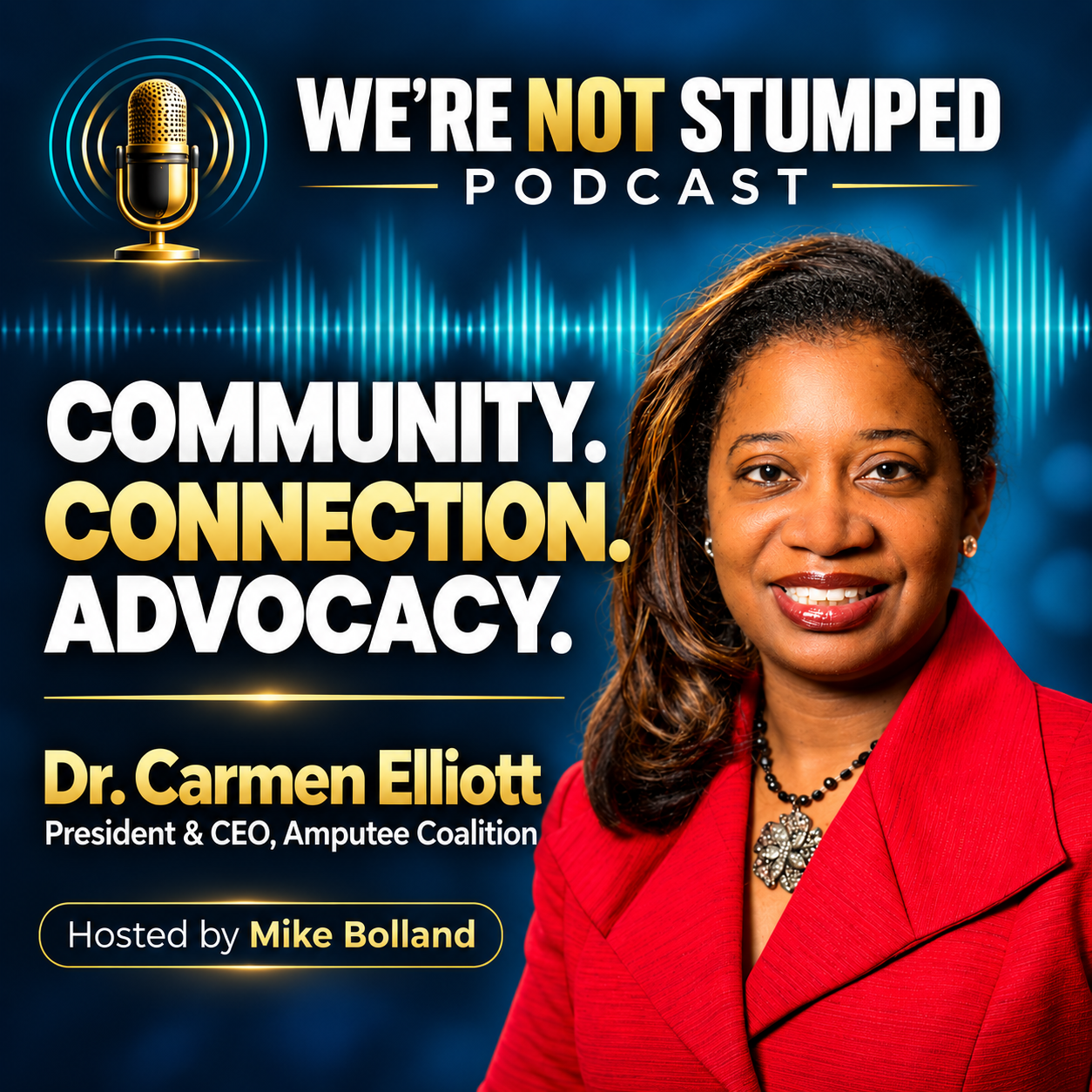
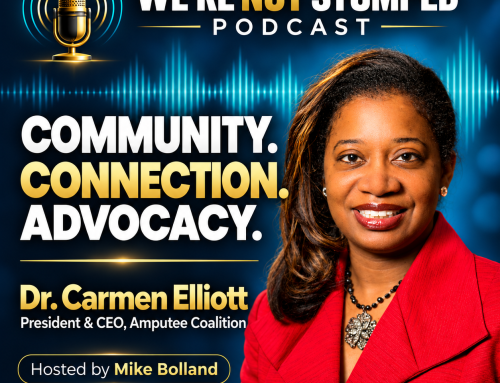
Dr. Carmen Elliott, the new President and CEO of the Amputee Coalition, joins Mike Bolland for a conversation about community, advocacy, and helping people with limb loss and limb difference find the support they need. Carmen shares how her family’s experiences with healthcare access and limb loss shaped her commitment to this work. Together, they explore the value of peer support, access to prosthetics, and including families and caregivers in the conversation. They also discuss support groups, certified peer visitors, AC Connect, and the upcoming “Fireside Connections” conference.
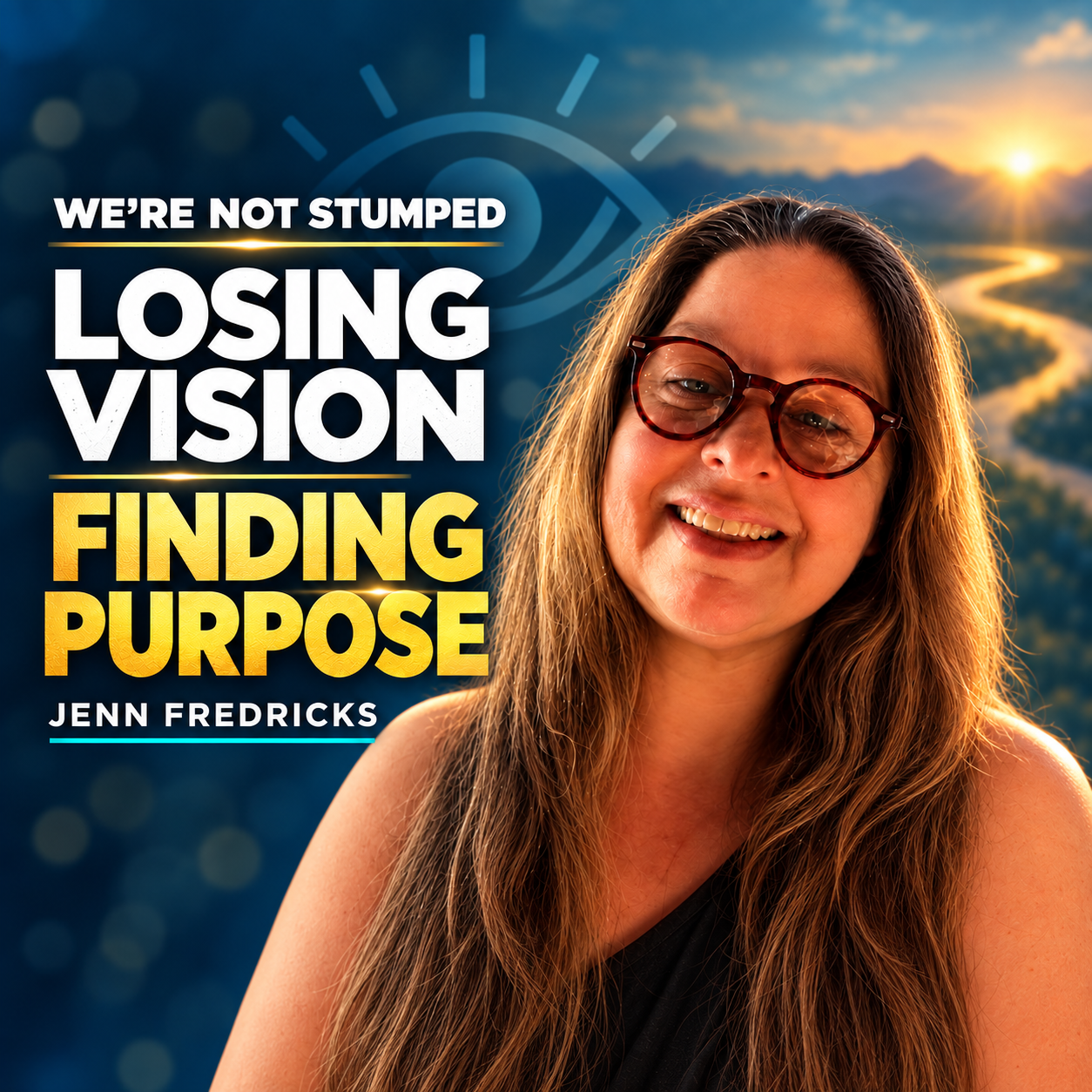
How do you move forward when vision loss changes your career, independence, and plans for the future? In this episode of We’re Not Stumped, Mike Bolland speaks with Jennifer Frederick about living with permanent vision loss and learning to advocate for herself along the way. Jennifer explains how changes in her vision eventually forced her to leave a career in crisis management. She also discusses the challenges she now faces while looking for work, including interview practices that have left her questioning whether she is being treated fairly as a person with a disability. The conversation explores Jenn’s decision not to undergo surgery for her detached retinas, the importance of seeking medical attention when your vision changes, and the need to take ownership of your healthcare.
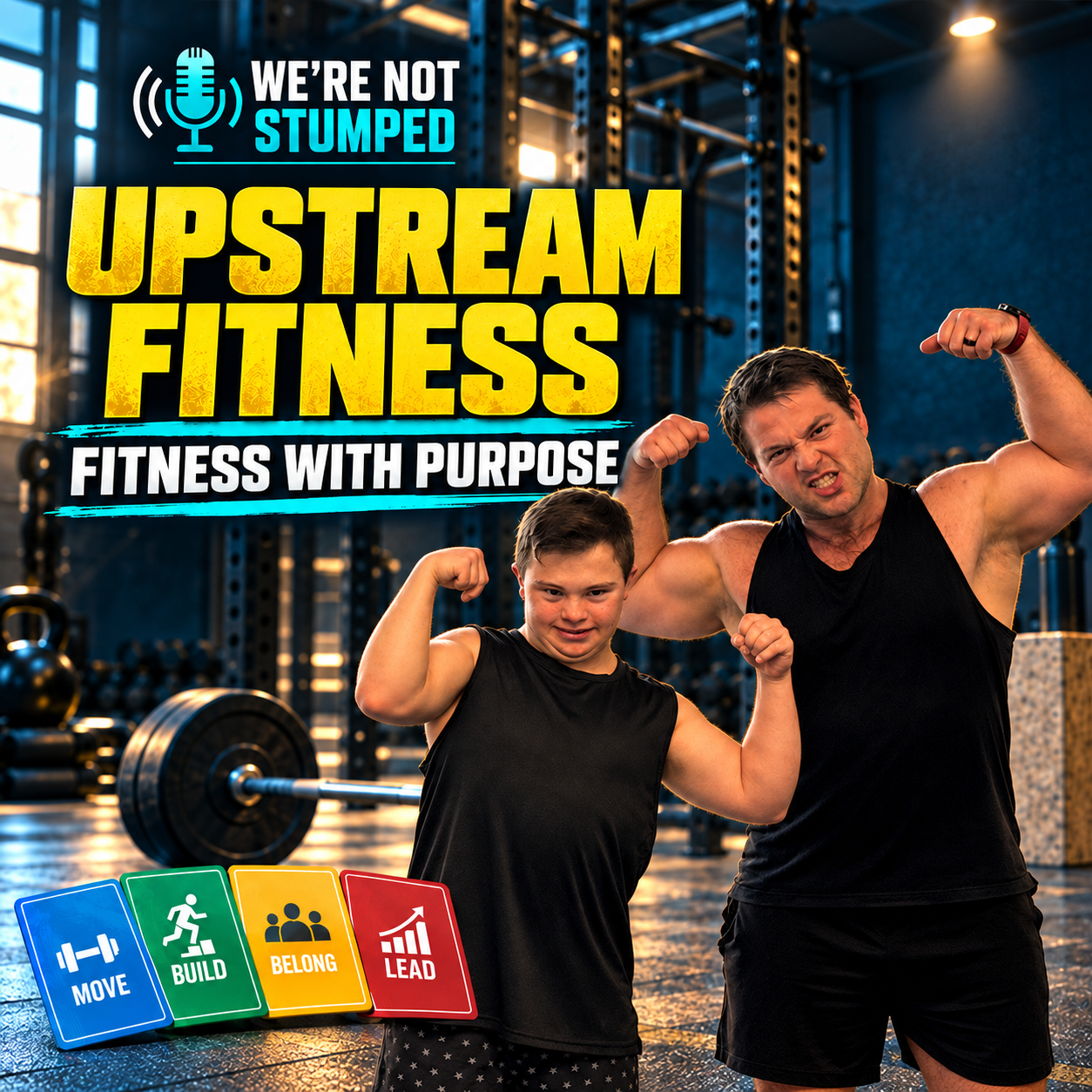
What happens when we stop deciding what someone is capable of—and give them the opportunity to lead? In this episode of We’re Not Stumped, Mike Bolland speaks with Nathan Kennedy of Upstream Fitness, Chris Kocurek, and Chris’s son, Coach Cameron “Coach Cam” Kocurek. Cameron, who has Down syndrome, began gymnastics as a child and went on to compete through Special Olympics and unified gymnastics. Today, he is using the confidence and skills he developed as an athlete to help coach others at Upstream Fitness. Nathan explains how Upstream Fitness uses movement, games, coaching cards, and step-by-step instruction to make exercise accessible for people with intellectual and developmental disabilities. Chris shares Cameron’s journey from athlete to assistant PE coach—and now toward meaningful employment and greater independence.