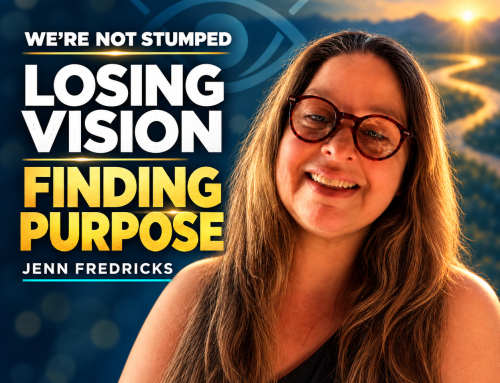
Here’s the actual quote from a company called the LN4 Hand Project:
“A prosthetic hand is an invaluable asset to an individual without an upper limb.
An upper limb prosthesis can determine whether or not an individual is able to be employed, contribute to household duties, or provide an increased sense of independence.”
As a successful one-handed person—a podcaster, speaker, nonprofit founder, and former pro bowler—I have to say, that sentence overlooks the truth: people with limb differences are capable with or without a device.
And it’s not just the language. Companies like Taska Prosthetics create videos that show one-handed people doing things like washing apples, as if that’s the pinnacle of independence.
While I love and appreciate prosthetics, we can do better. In this podcast, I break down the problem with this kind of messaging, share my lived experience, and challenge the assumption that a prosthesis defines your ability to succeed.
👉 Let’s flip the script—from limitation to liberation.
🔗 Learn more about my story: https://mikebolland.com
🎙 Host of We’re Not Stumped
📣 Drop a comment if you’re living proof that one hand is more than enough.
Listen on Apple Podcasts
Watch on YouTube
Listen on Spotify
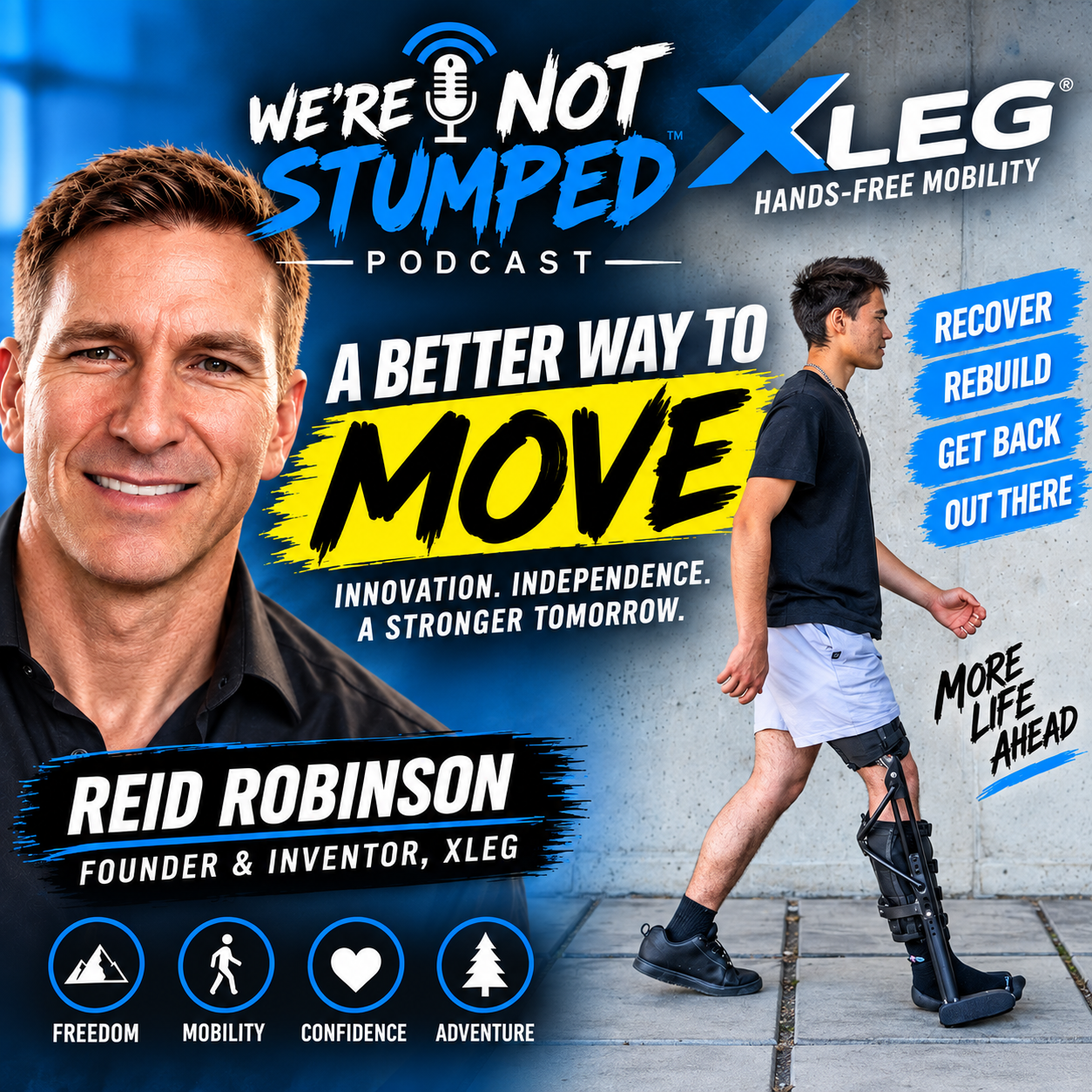
After losing control on an icy road in Calgary, Reid Robinson crashed into a tree and suffered devastating injuries to his lower leg. What followed were two and a half years of recovery, 13 surgeries, broken surgical hardware, bone infections, and a difficult decision between amputation and trying once more to save his leg. While recovering, Reid realized that none of the available mobility devices gave him the freedom he needed. So, despite having no welding experience, he taught himself by watching online videos and built his first leg brace from aluminum, crutches, and an IKEA cutting board. That garage-built prototype eventually became the X-Leg, a hands-free knee crutch designed to help people with lower-leg injuries stay active and independent during recovery.
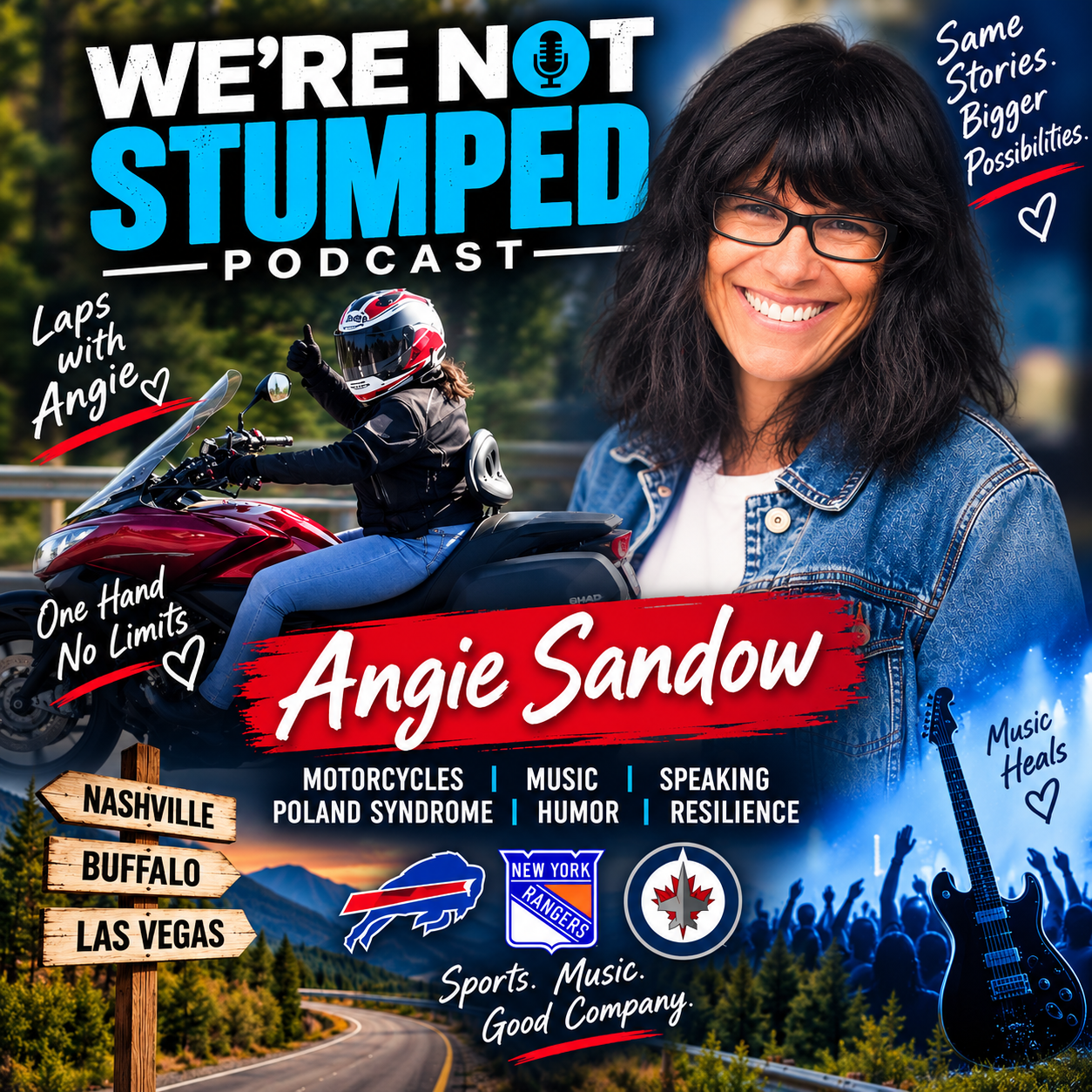
Angie Sandow was born with one hand and Poland syndrome—but that hasn't stopped her from riding motorcycles, playing guitar, performing onstage, and finding plenty of reasons to laugh along the way. In this episode of We’re Not Stumped, Mike Bolland reconnects with Angie for a candid and often funny conversation about growing up with a limb difference, dealing with bullying and unwanted attention, and learning to turn difficult experiences into something positive. Angie shares how music became an important part of her life, including performing with bands and using a custom prosthetic guitar holder. She also talks about becoming a one-handed motorcycle rider and the modifications that allow her to ride, including moving the throttle to the left side.
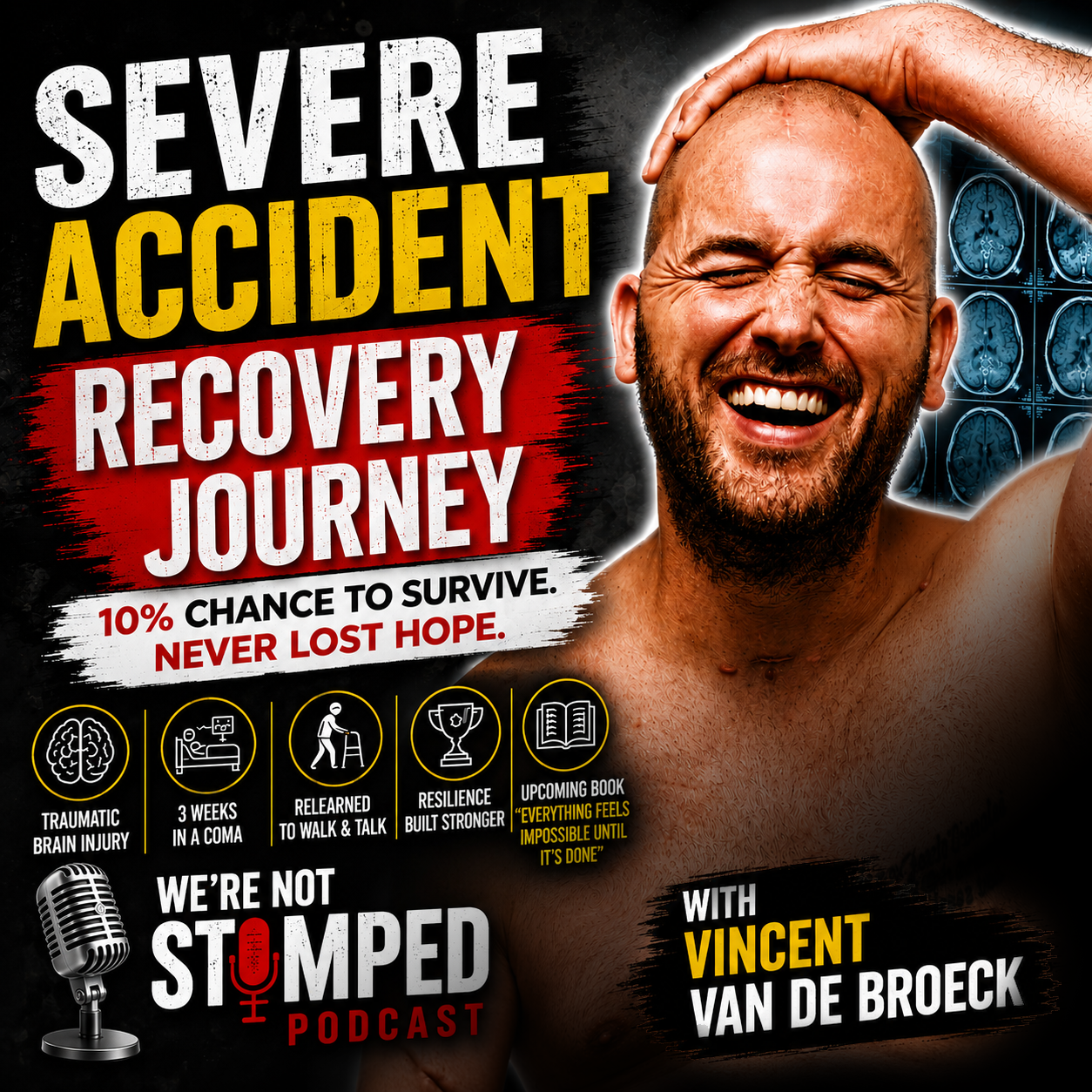
In this episode of We’re Not Stumped, host Mike Bolland talks with Vincent about his extraordinary recovery—relearning how to walk, talk, eat, and handle everyday tasks most of us take for granted. Vincent shares what it was really like to gradually wake from a coma, the difficult prognosis his family faced, and the extensive damage to his skull that eventually required a custom 3D-printed implant. He also discusses the people who refused to give up on him, particularly his wife and family, who lived through weeks of uncertainty while Vincent was unconscious. Through his recovery, Vincent came to see resilience not simply as something you're born with, but as something you can develop and strengthen. That experience also helped shape the ideas behind his book, Everything Feels Impossible Until It’s Done