“You’re lucky—you were born that way.”
“At least you lost your limb when you were young.”
Within the limb loss community, these statements can overlook a significant part of someone’s life. Adapting physically is only one part of living with a limb difference or limb loss – and this applies to people of all ages. The emotional and social challenges deserve equal consideration.
In this solo episode of We’re Not Stumped, I share my perspective as someone born without a right hand and challenge the assumption that people born with limb differences—or who experienced amputation as children—automatically have it easier. and I share a recent experience that shapes this conversation.
Through my podcast and community work, I’ve met people whose experiences include bullying, barriers to employment, difficulties forming relationships, and years of depression. While those experiences don’t all describe my own journey, they deserve to be heard and acknowledged.
Acquiring a disability later in life brings its own challenges, including grieving what someone has lost. Recognizing those challenges doesn’t require us to minimize someone else’s.
Each journey carries challenges that may not be visible from the outside. We build a stronger community when we listen to those experiences without deciding who has it easier.
Before we tell someone they’re lucky, let’s ask what their experience has actually been.
Listen on Apple Podcasts
Watch on YouTube
Listen on Spotify
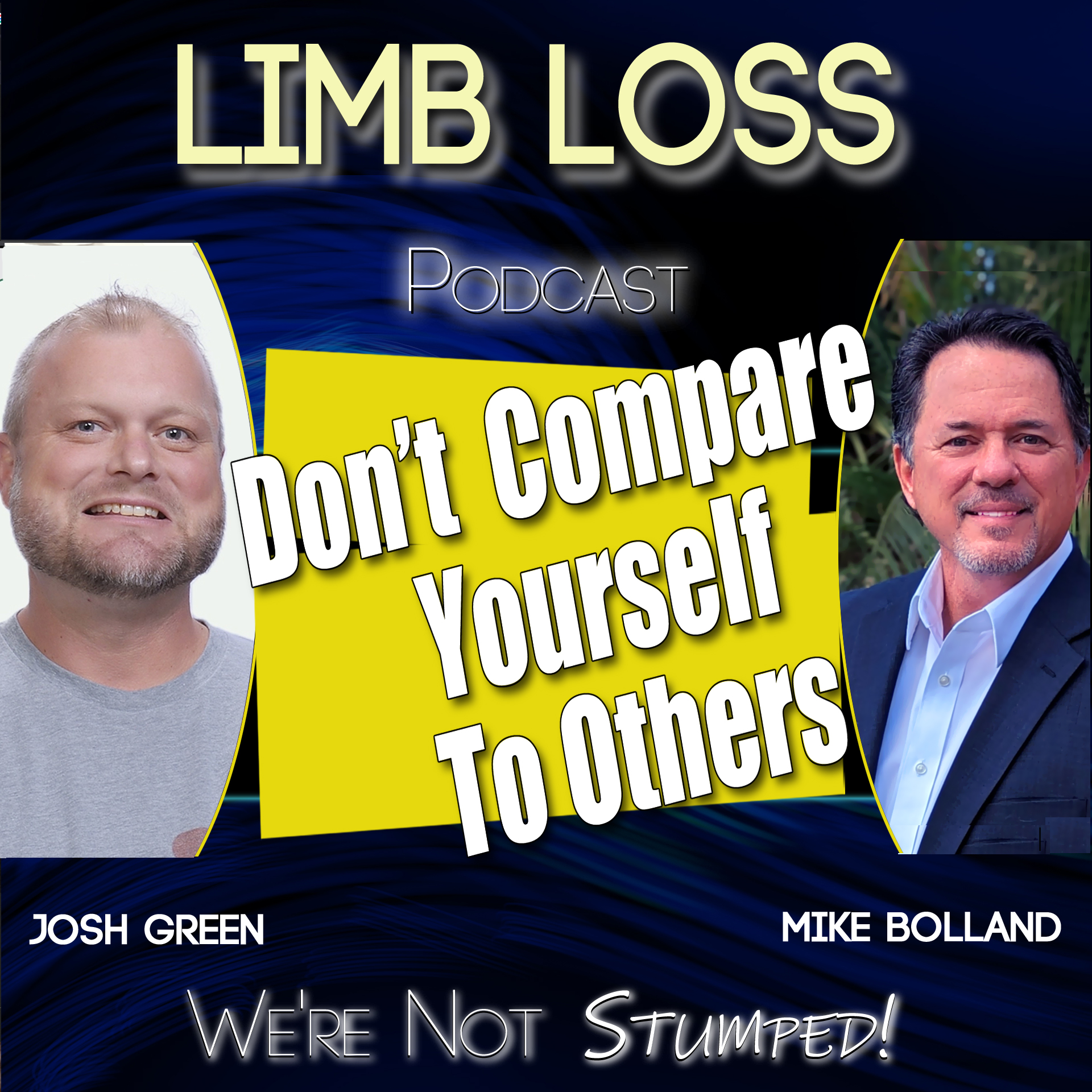
In this powerful episode of We’re Not Stumped, host Mike Bolland sits down with Josh Green, an above-knee amputee, patient advocate, and founder of the Northeast Ohio Amputee Support Group. Josh lost his leg at just 4 years old and has since turned his life experiences into a mission to uplift and educate others in the limb loss community. Josh opens up about growing up with a prosthetic, how his parents’ positive outlook helped him build confidence, and how sports played a major role in his development. Later in life, he faced new challenges but found strength by connecting with other amputees and realizing the power of community. From overcoming early challenges to empowering others through advocacy and education, Josh Green’s story is one of resilience, leadership, and unwavering positivity.
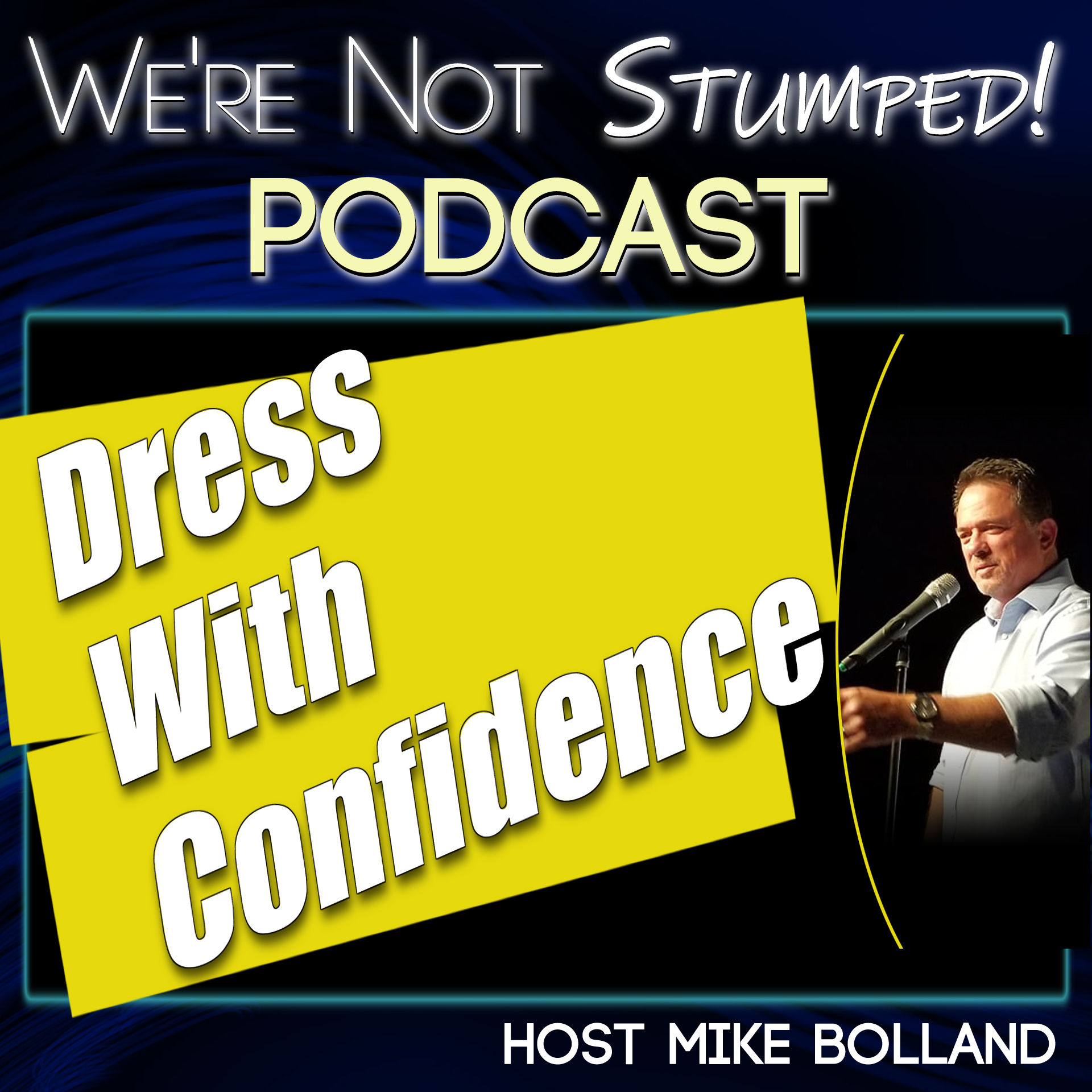
In this episode of We’re Not Stumped, host Mike Bolland — born without his right hand — shares a powerful message about why he feels dressing well matters for the limb loss and disability community. This isn’t about vanity — it’s about confidence, self-respect, and advocacy. Mike explains how personal style can change the way we feel about ourselves and the way others see us. From challenging stereotypes to promoting positive representation, dressing with pride is one way to say: “I belong here — just as I am.” 🎙️ In this episode, Mike discusses: Why appearance and self-expression are empowering after limb loss or disability How dressing well helps break stereotypes and reshape public perception The connection between confidence, mental health, and advocacy How showing up with pride inspires others in the community 👕 Dressing well isn’t about perfection — it’s about showing pride in who you are. Because when we show up confidently, we make it easier for others to do the same.

Peripheral Artery Disease (PAD) affects millions worldwide — yet most people don’t recognize the warning signs until it’s too late. In this powerful episode of We’re Not Stumped, host Mike Bolland welcomes Emmy Award-winning journalist and Global PAD Association co-founder Kym McNicholas to explain what PAD is, how it causes poor circulation, and why early detection is critical in preventing amputation. Kym shares her inspiring journey from covering a medical story to becoming one of the leading advocates for PAD awareness and patient empowerment. She sheds light on how education, proper diagnosis, and access to the right care can literally save limbs — and lives.