“You’re lucky—you were born that way.”
“At least you lost your limb when you were young.”
Within the limb loss community, these statements can overlook a significant part of someone’s life. Adapting physically is only one part of living with a limb difference or limb loss – and this applies to people of all ages. The emotional and social challenges deserve equal consideration.
In this solo episode of We’re Not Stumped, I share my perspective as someone born without a right hand and challenge the assumption that people born with limb differences—or who experienced amputation as children—automatically have it easier. and I share a recent experience that shapes this conversation.
Through my podcast and community work, I’ve met people whose experiences include bullying, barriers to employment, difficulties forming relationships, and years of depression. While those experiences don’t all describe my own journey, they deserve to be heard and acknowledged.
Acquiring a disability later in life brings its own challenges, including grieving what someone has lost. Recognizing those challenges doesn’t require us to minimize someone else’s.
Each journey carries challenges that may not be visible from the outside. We build a stronger community when we listen to those experiences without deciding who has it easier.
Before we tell someone they’re lucky, let’s ask what their experience has actually been.
Listen on Apple Podcasts
Watch on YouTube
Listen on Spotify
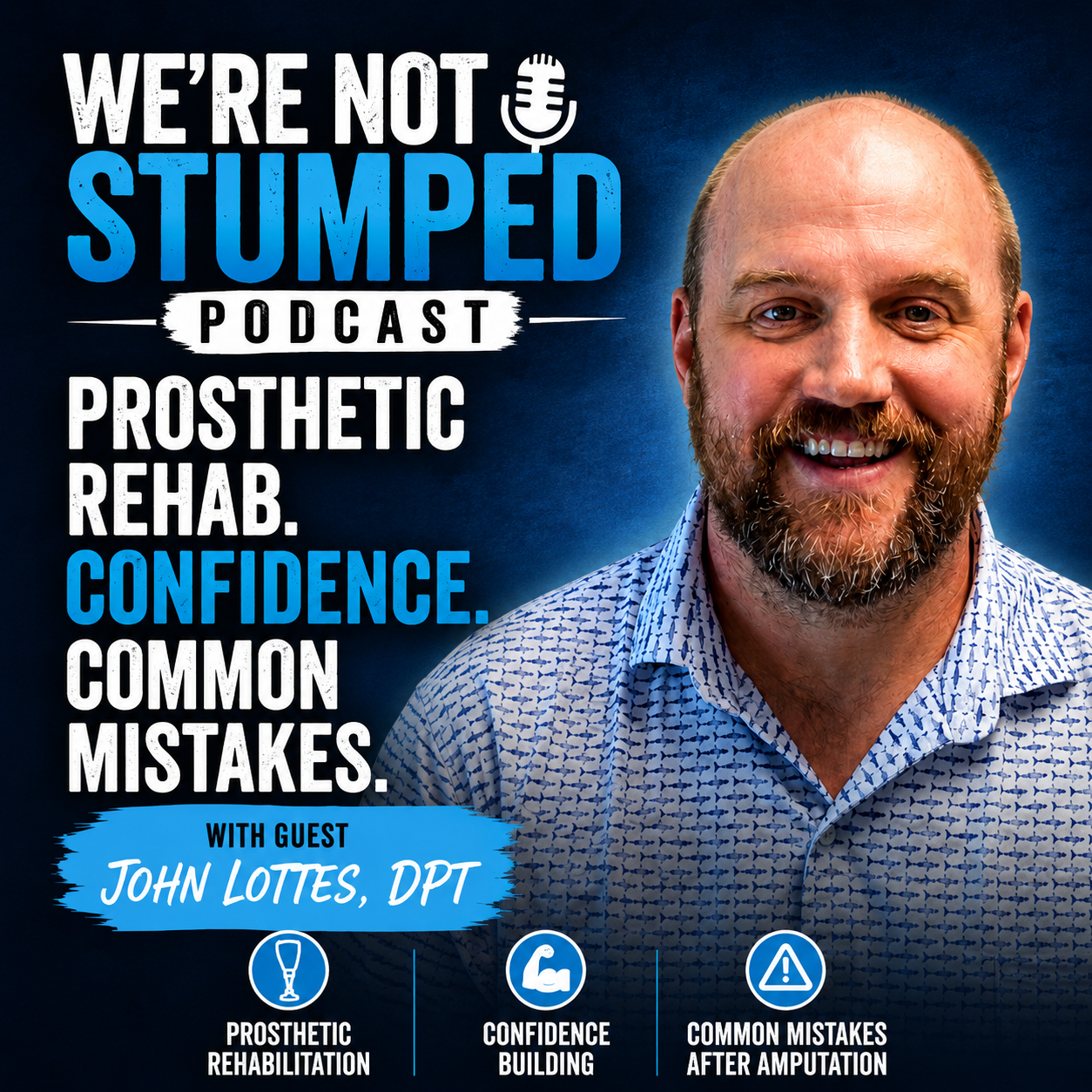
What does it really take to learn to walk again after an amputation? In this episode of We're Not Stumped, Mike Bolland welcomes physical therapist John Lottes, DPT, Clinical Supervisor at First Step Physical Therapy and an adjunct professor who specializes in prosthetic rehabilitation. John shares how an unexpected career path led him to working with individuals with limb loss and explains why the biggest hurdle in recovery often isn't physical—it's confidence. Together, Mike and John discuss the importance of celebrating small victories, building trust with your rehabilitation team, and developing the mindset needed to regain independence.
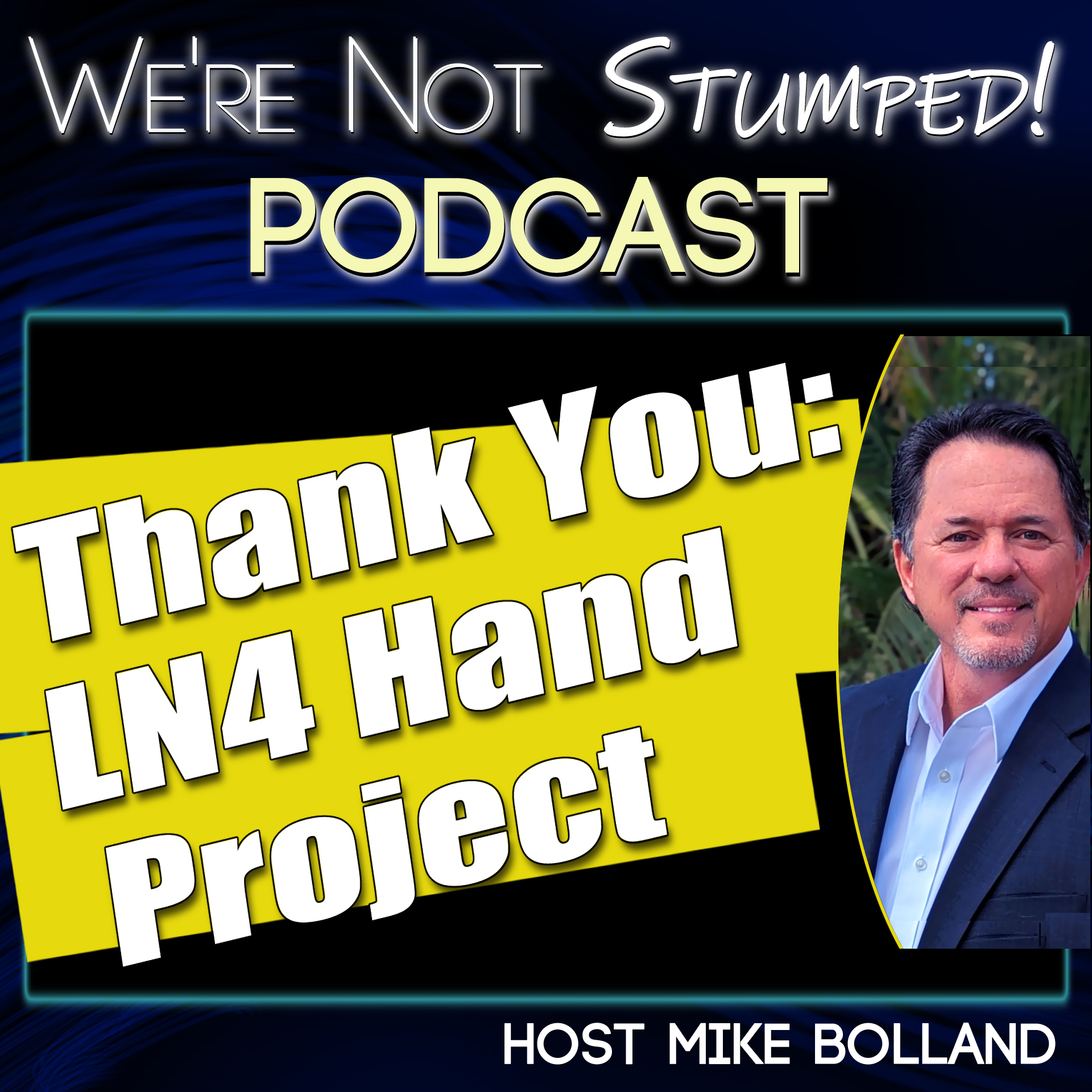
Sometimes, the biggest changes don't happen in a lab—they happen with a few carefully chosen words. In this episode of the We're Not Stumped podcast, I want to personally thank the LN-4 Hand Project (https://ln4handproject.org/) for updating its mission statement to better reflect the entire upper limb limb loss community. For many years, organizations have understandably focused on a specific group of individuals. But recognizing and including everyone living with upper limb loss and limb difference sends a powerful message: you belong, your story matters, and you are seen. As someone born without a right hand, this change means a great deal to me personally, and I believe it represents an important step toward greater inclusion across our community.
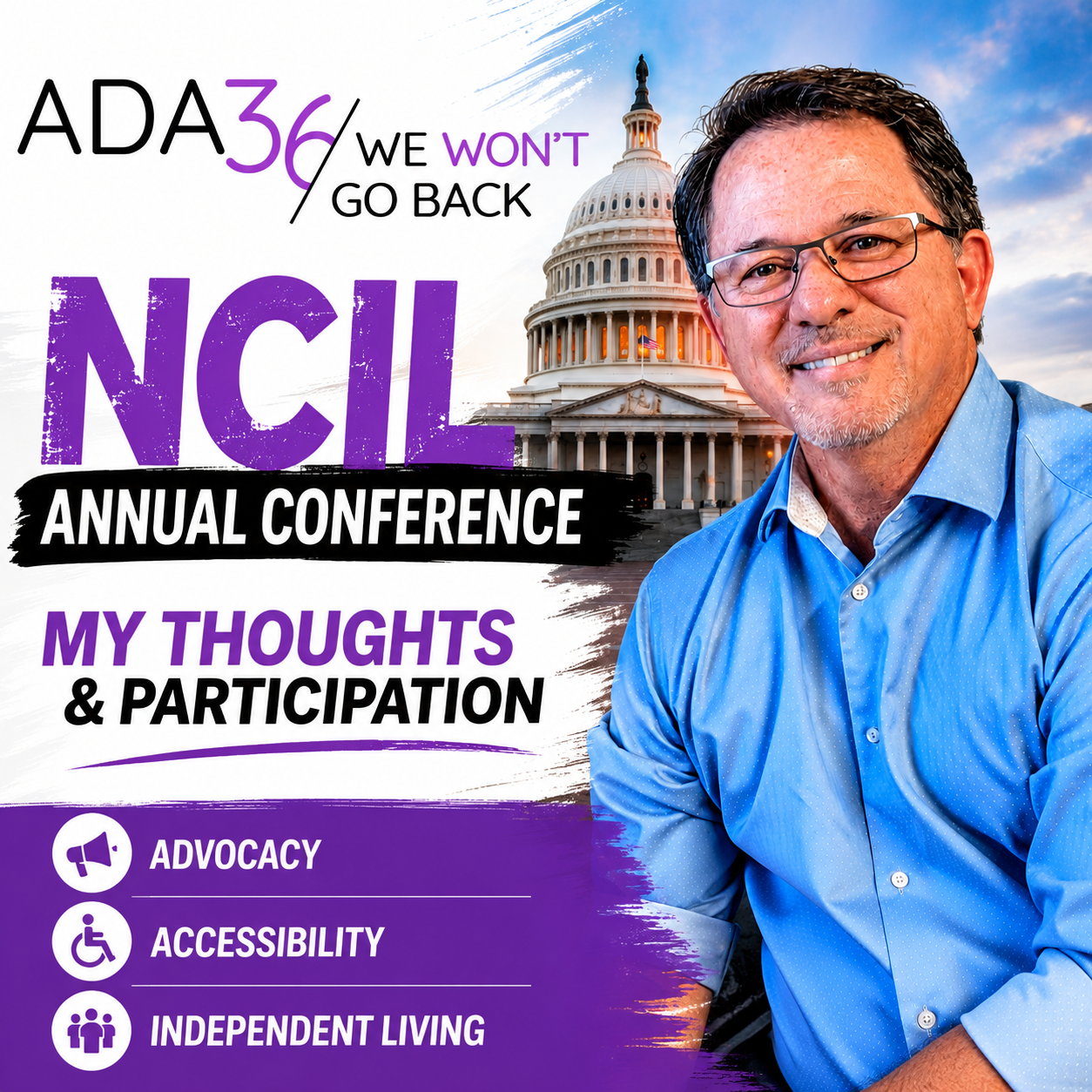
What happens when disability advocates from across the country come together to shape the future of independent living and accessibility? In this solo episode of We're Not Stumped, I share my personal reflections after attending the National Council on Independent Living (NCIL) Annual Conference in Washington, D.C., where I represented Ability360 as a member of its Board of Directors. From celebrating ADA36: We Won't Go Back to hearing powerful stories from advocates, policymakers, and leaders in the disability community, the conference reinforced why protecting and advancing disability rights remains so important.