
In this episode of We’re Not Stumped, host Mike Bolland sits down with Christopher Rodriguez, CEO of Ability360, to discuss the organization’s powerful role in promoting independence for individuals with disabilities. Learn about the wide range of programs and resources Ability360 offers, from adaptive sports to advocacy, and how they are transforming lives by empowering people to live fully and independently. Tune in for an inspiring conversation about inclusion, accessibility, and the future of disability support.
Website: https://ability360.org/
Ability360 is a 501 (c)(3) non-profit corporation. Through its comprehensive programs, Ability360 touches the lives of individuals with disabilities and addresses the disability concerns of their family members, co-workers and employers.
Ability360 began in 1977 as the Arizona Congress for Action (ACA), a group of people with diverse physical disabilities who launched a grassroots effort to educate the community about disability-related issues in Central Arizona. In 1978, Congress enacted Independent Living Center legislation as part of the amended Rehabilitation Act of 1973. In 1981, Ability360 received funding and began services.
With more than 130 staff members and volunteers, more than 1,500 personal care attendants and hundreds of volunteers, Ability360 has offices in Phoenix, Gilbert/Mesa, Glendale, Tucson, along with Coolidge, and provides services throughout Maricopa, Pima, Pinal, and Gila Counties. Ability360 programs are made possible through grants, fee-for-service contracts, and individual and corporate contributions.
#disabilityawareness #disabledcommunity #disabledandproud #limbloss #disabilityadvocate #disability
Listen on Apple Podcasts
Watch on YouTube
Listen on Spotify
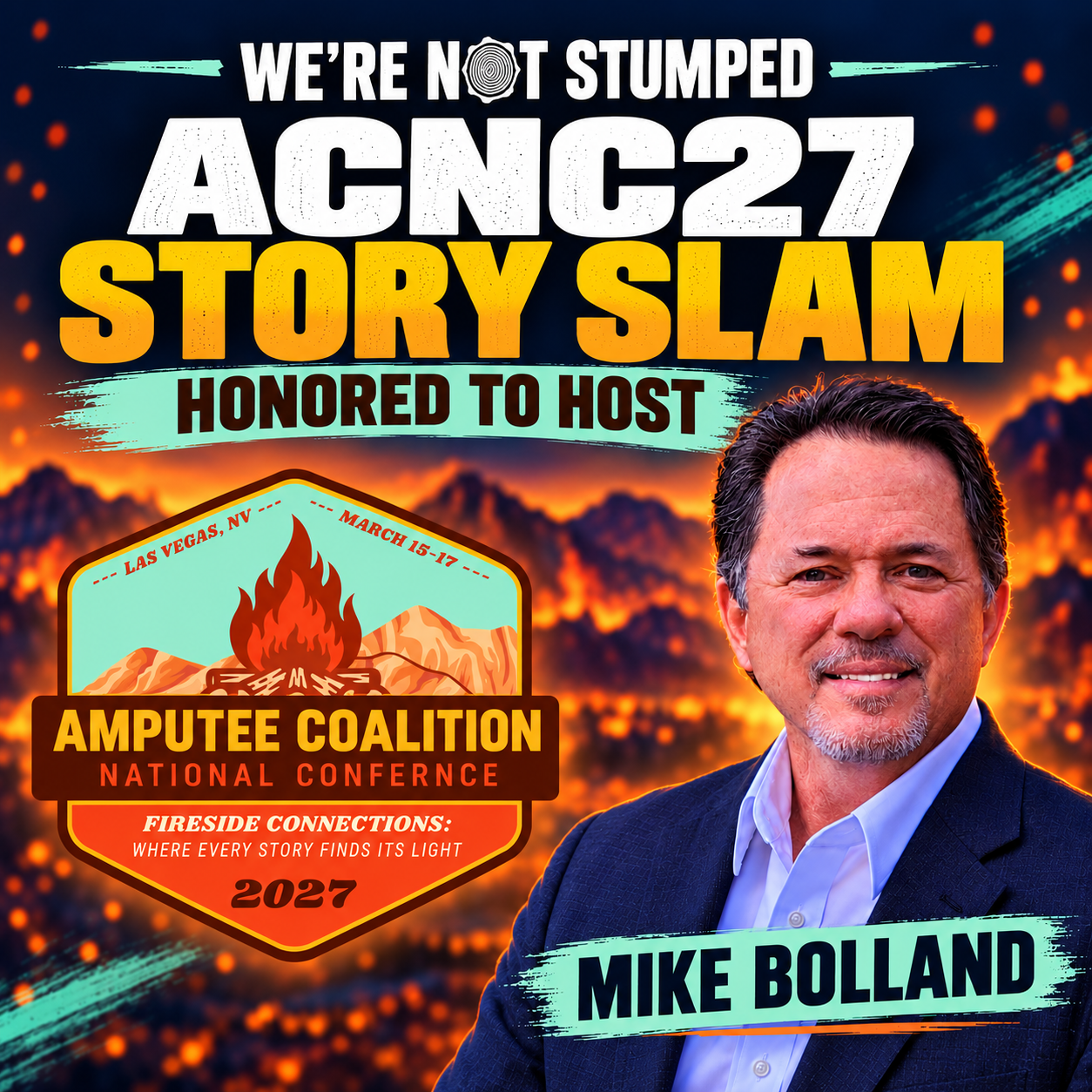
Everyone has a story worth sharing—and at the 2027 Amputee Coalition National Conference, those stories will take center stage. It’s an honor for We're Not Stumped host Mike Bolland to serve as host and help create a welcoming space for the community’s voices. “Story Slam: Where Every Story Finds Its Light” brings the community together for an evening of laughter, connection, and five-minute stories. Twenty storytellers will be selected at random to share a moment from their lives. There’s no competition, no judging, and no expectation that a story must be inspirational or about limb loss or limb difference. In this episode of We’re Not Stumped, Mike Bolland introduces the event and shares what attendees can look forward to.
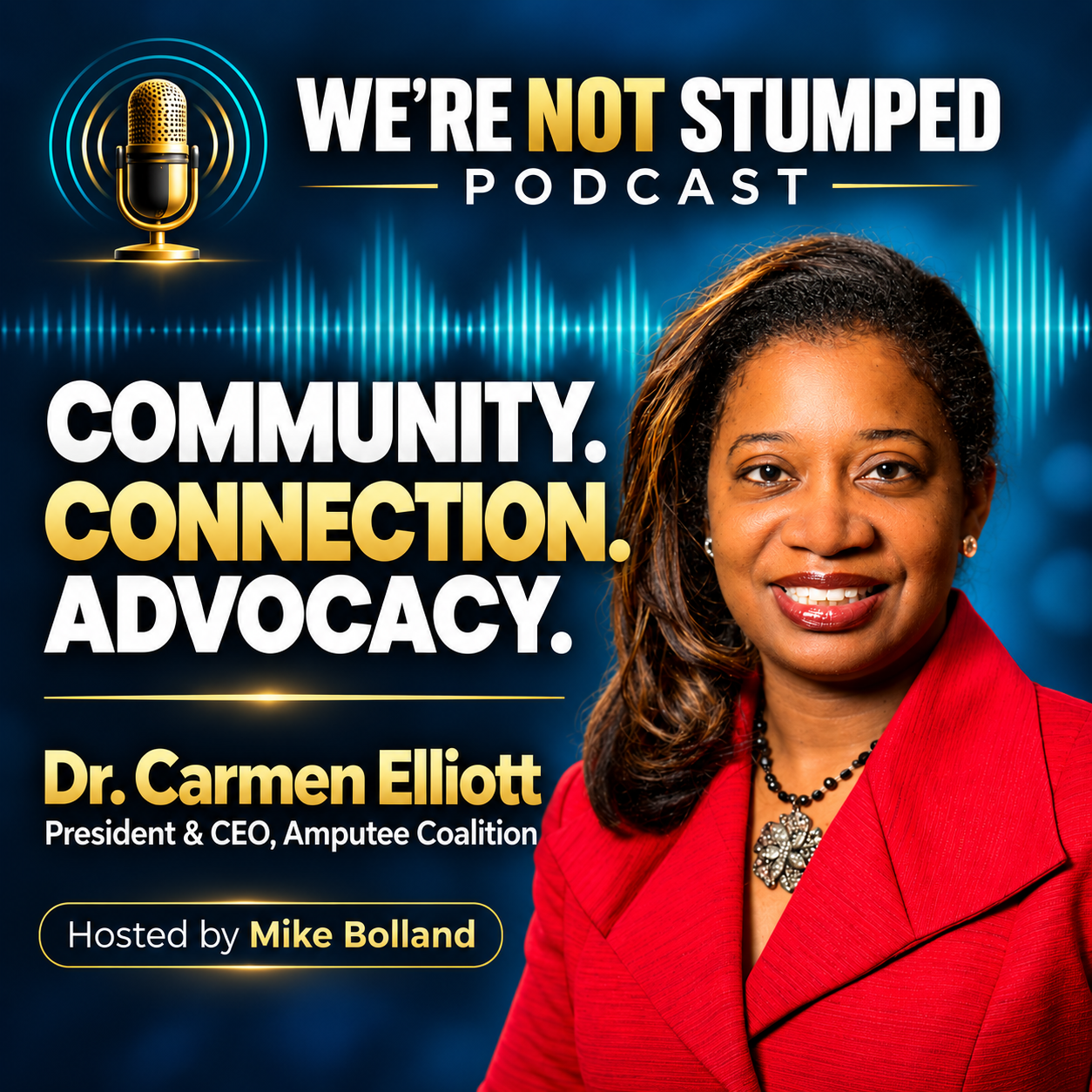
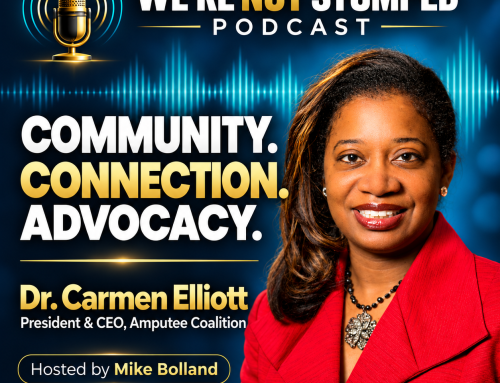
Dr. Carmen Elliott, the new President and CEO of the Amputee Coalition, joins Mike Bolland for a conversation about community, advocacy, and helping people with limb loss and limb difference find the support they need. Carmen shares how her family’s experiences with healthcare access and limb loss shaped her commitment to this work. Together, they explore the value of peer support, access to prosthetics, and including families and caregivers in the conversation. They also discuss support groups, certified peer visitors, AC Connect, and the upcoming “Fireside Connections” conference.
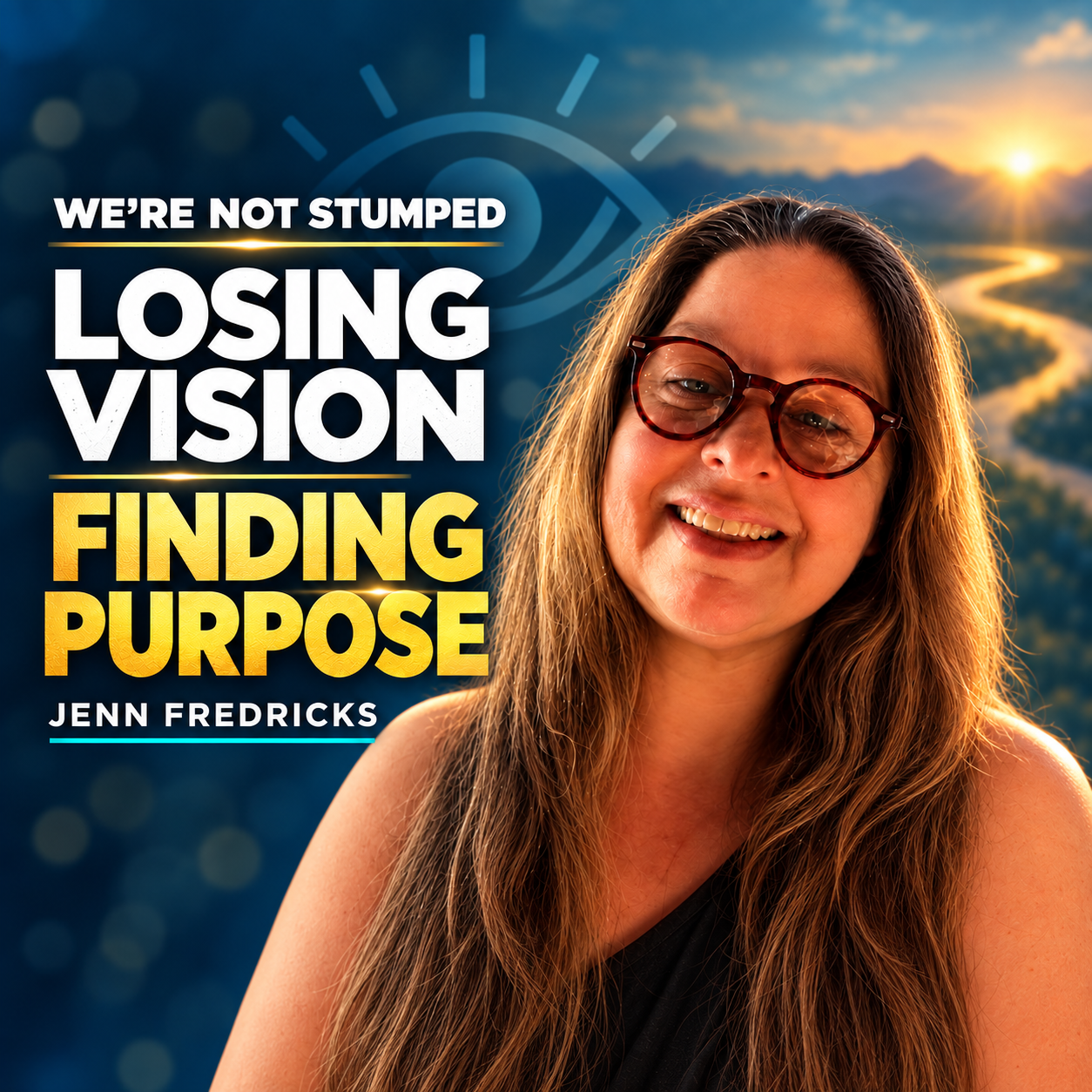
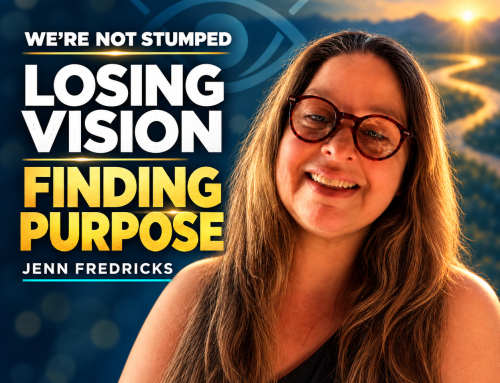
How do you move forward when vision loss changes your career, independence, and plans for the future? In this episode of We’re Not Stumped, Mike Bolland speaks with Jennifer Frederick about living with permanent vision loss and learning to advocate for herself along the way. Jennifer explains how changes in her vision eventually forced her to leave a career in crisis management. She also discusses the challenges she now faces while looking for work, including interview practices that have left her questioning whether she is being treated fairly as a person with a disability. The conversation explores Jenn’s decision not to undergo surgery for her detached retinas, the importance of seeking medical attention when your vision changes, and the need to take ownership of your healthcare.
Leave A Comment