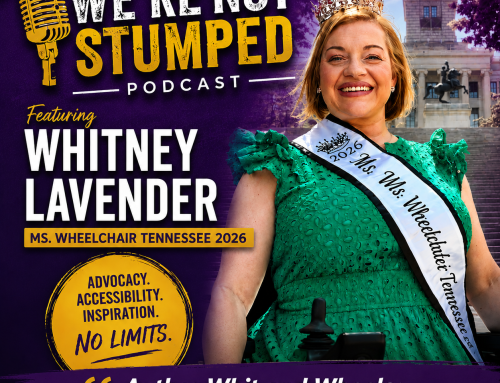
In this powerful and reflective episode of We’re Not Stumped, host Mike Bolland welcomes Terry Tucker, author of Four Truths and a Lie, for a deep conversation about mindset, mental toughness, and what it truly means to live a significant life.
Terry shares the philosophy behind his latest book, which challenges common definitions of success rooted in money, status, and material achievement. Instead, he invites listeners to rethink success through the lens of service, responsibility, and impact on others. At the heart of his message is one foundational truth: if you don’t control your mind, it will control you.
Building on lessons from his earlier work, Sustainable Excellence, Terry explains how the four truths in the book—shaped by real-life adversity including cancer and amputation—serve as a framework for resilience. He emphasizes the importance of deliberately stepping outside your comfort zone, embracing discomfort, and taking daily actions that strengthen mental toughness.
Mike and Terry also explore the difference between success and significance, the dangers of tying self-worth to achievement, and why true fulfillment comes from giving rather than acquiring. Through stories, philosophy, and lived experience, Terry offers practical wisdom for anyone navigating hardship or searching for deeper purpose.
In this episode, you’ll hear about:
- The core philosophy behind Four Truths and a Lie
- Mental toughness and controlling your mindset
- Success versus significance
- Finding purpose through service to others
- Building resilience through daily discomfort
- Lessons learned through adversity and personal challenge
This episode is a must-listen for anyone questioning traditional ideas of success or looking to build a more meaningful, purpose-driven life.
Terry’s new book on Amazon: https://www.amazon.com/Four-Truths-Lie-Ancient-Purpose/dp/B0FPGTK7TG
🎙️ Subscribe to We’re Not Stumped for inspiring conversations about resilience, disability, and turning life’s toughest challenges into growth and impact.
Listen on Apple Podcasts
Watch on YouTube
Listen on Spotify
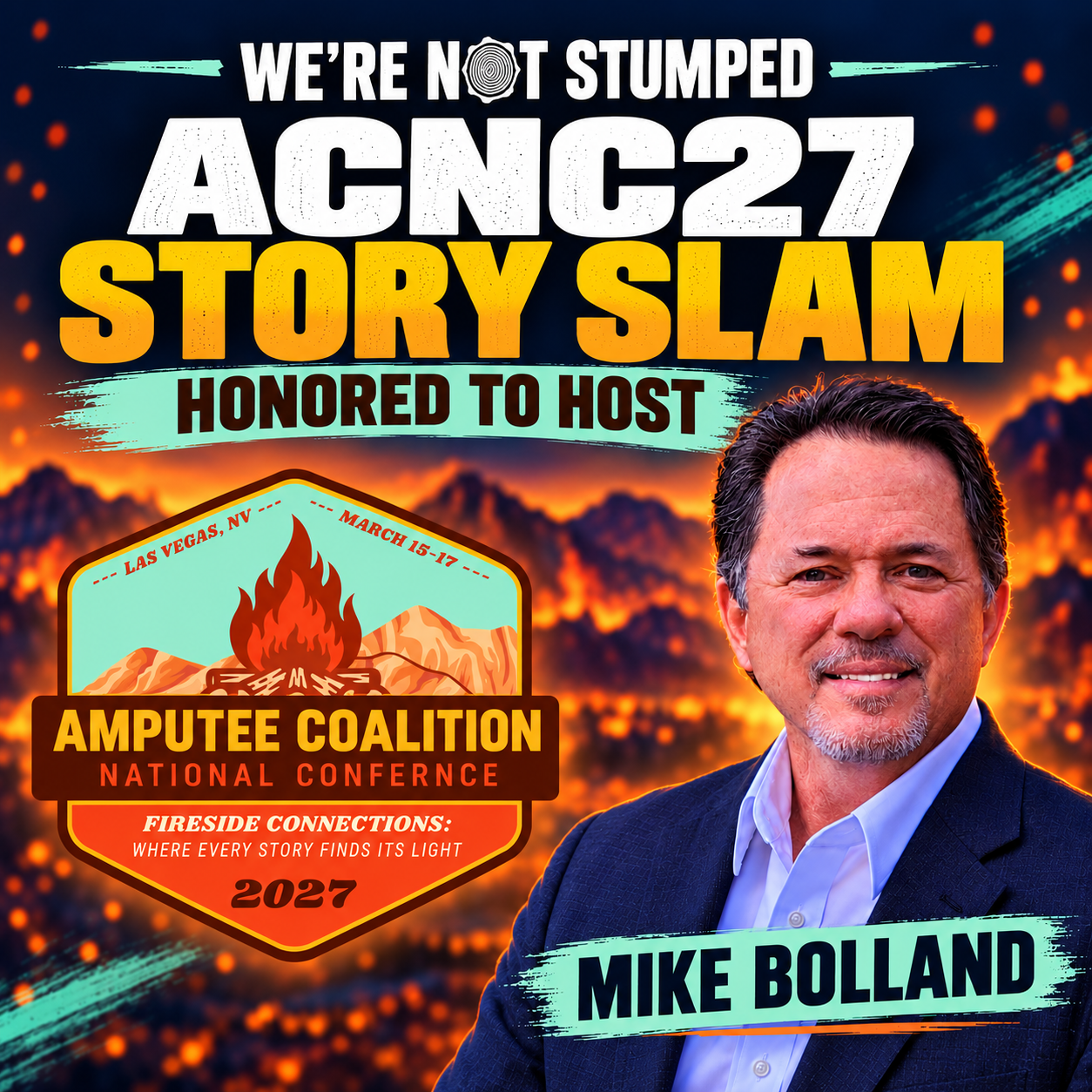
Everyone has a story worth sharing—and at the 2027 Amputee Coalition National Conference, those stories will take center stage. It’s an honor for We're Not Stumped host Mike Bolland to serve as host and help create a welcoming space for the community’s voices. “Story Slam: Where Every Story Finds Its Light” brings the community together for an evening of laughter, connection, and five-minute stories. Twenty storytellers will be selected at random to share a moment from their lives. There’s no competition, no judging, and no expectation that a story must be inspirational or about limb loss or limb difference. In this episode of We’re Not Stumped, Mike Bolland introduces the event and shares what attendees can look forward to.
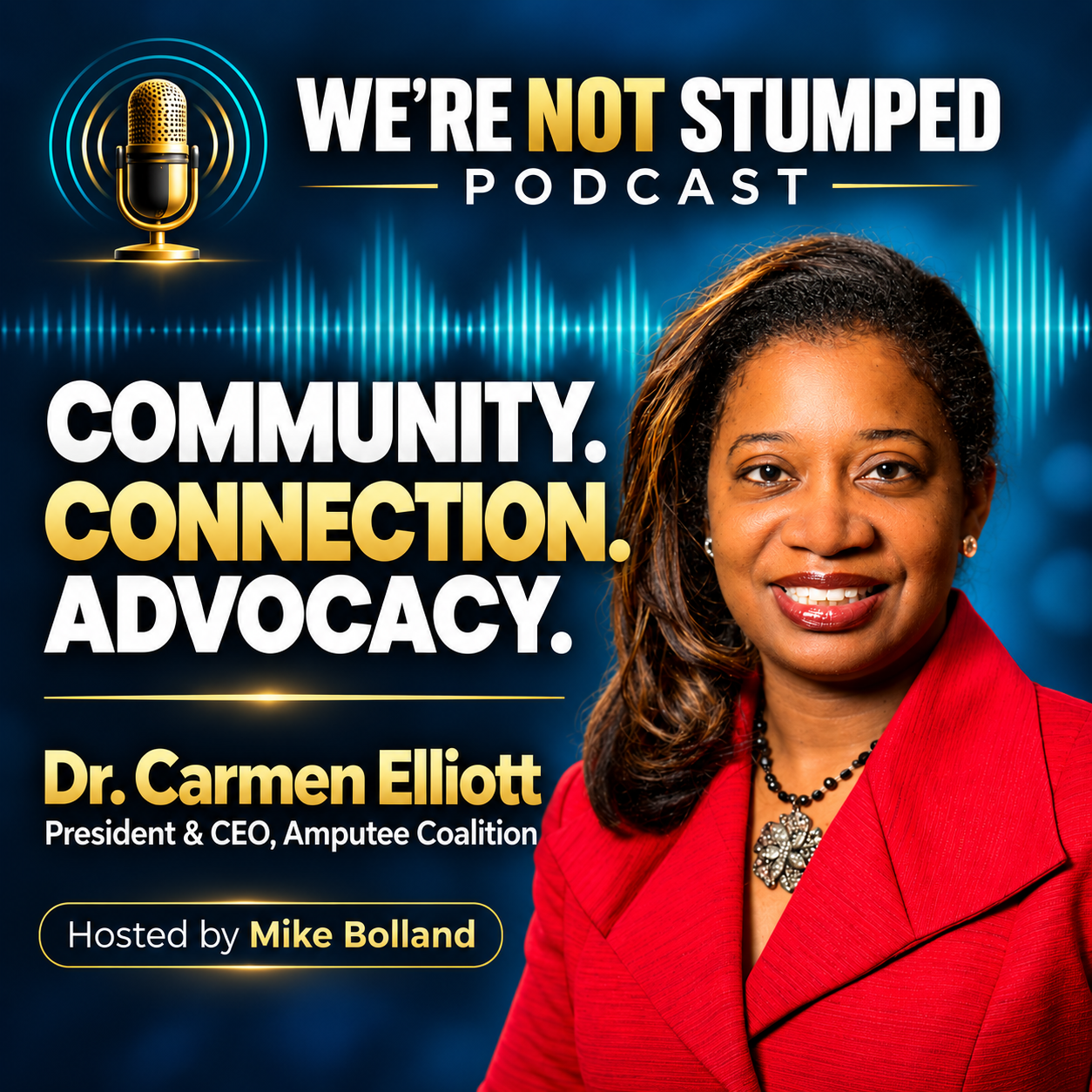
Dr. Carmen Elliott, the new President and CEO of the Amputee Coalition, joins Mike Bolland for a conversation about community, advocacy, and helping people with limb loss and limb difference find the support they need. Carmen shares how her family’s experiences with healthcare access and limb loss shaped her commitment to this work. Together, they explore the value of peer support, access to prosthetics, and including families and caregivers in the conversation. They also discuss support groups, certified peer visitors, AC Connect, and the upcoming “Fireside Connections” conference.
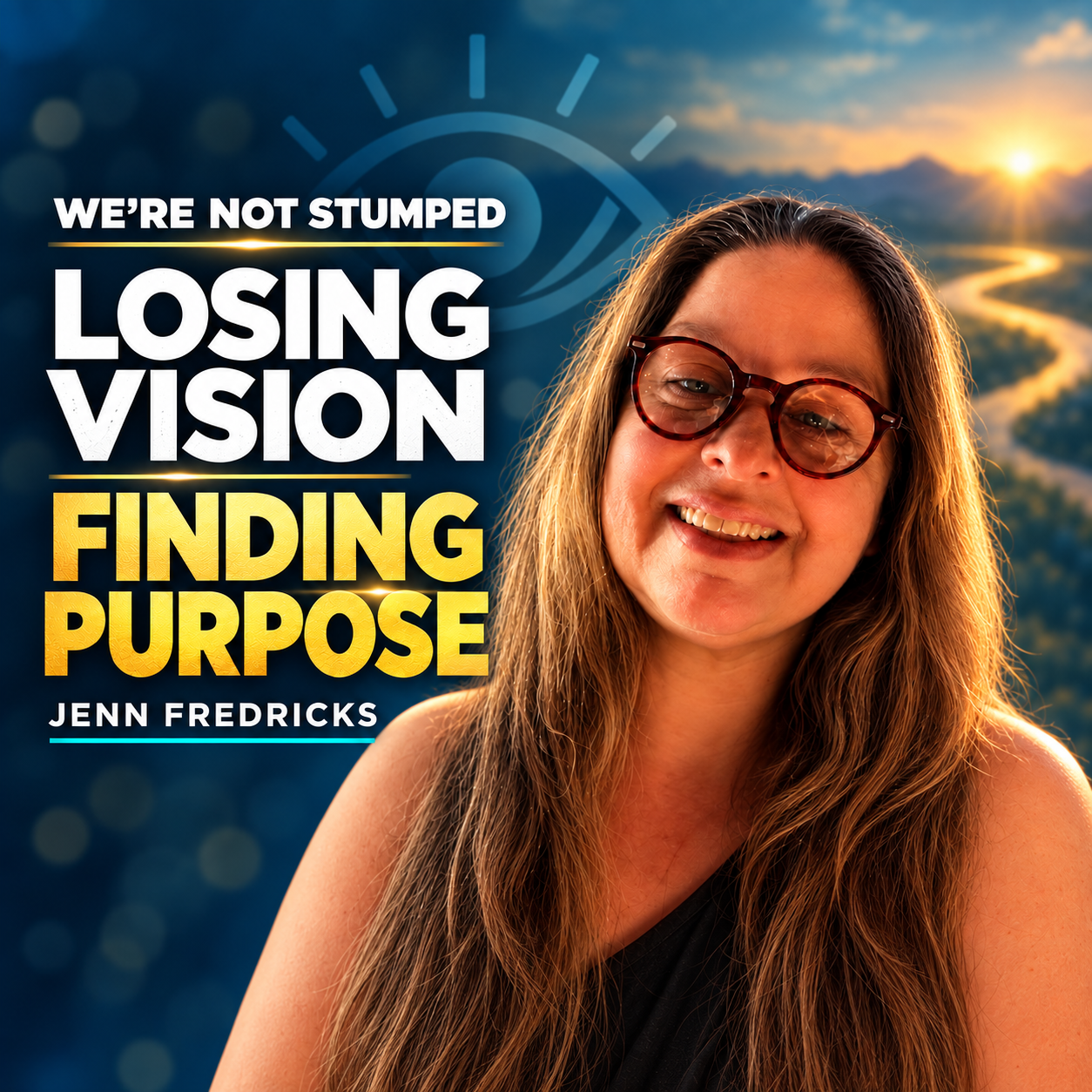
How do you move forward when vision loss changes your career, independence, and plans for the future? In this episode of We’re Not Stumped, Mike Bolland speaks with Jennifer Frederick about living with permanent vision loss and learning to advocate for herself along the way. Jennifer explains how changes in her vision eventually forced her to leave a career in crisis management. She also discusses the challenges she now faces while looking for work, including interview practices that have left her questioning whether she is being treated fairly as a person with a disability. The conversation explores Jenn’s decision not to undergo surgery for her detached retinas, the importance of seeking medical attention when your vision changes, and the need to take ownership of your healthcare.