What happens when a life-changing accident forces you to redefine everything you thought was possible?
On this episode of the We’re Not Stumped podcast, I sit down with Dr. Kirsten Ludwig—a biomedical researcher, educator, former professional polo player, and advocate for disability inclusion in healthcare.
In 2021, Dr. Ludwig was paralyzed from the neck down during a horseback riding accident. Through determination, rehabilitation, and an incredible commitment to recovery, she became what she describes as a walking quadriplegic. Today, she combines her lived experience with her work as an Associate Professor of Biomedical Science at the Kaiser Permanente Bernard J. Tyson School of Medicine, helping educate future physicians about disability, accessibility, and patient-centered care.
In this episode, we discuss:
* 🐎 Her career as a professional polo player
* 🧬 Her work in biomedical research and medical education
* 💪 The horseback riding accident that changed her life
* 🎯 How setting one recovery goal at a time helped her regain independence
* ♿ Why disability inclusion belongs in every healthcare curriculum
* ❤️ Advice for anyone facing a life-changing injury
Dr. Ludwig’s story is one of resilience, hope, and purpose. Whether you’re living with a disability, working in healthcare, or simply looking for inspiration, this conversation is one you won’t want to miss.
🎙️ Subscribe to We’re Not Stumped for more conversations with people who are redefining what’s possible in the disability community.
#Disability #SpinalCordInjury #WalkingQuadriplegic #Healthcare #MedicalEducation #AdaptiveLiving #Accessibility #Resilience #DisabilityAdvocate #WereNotStumped
Listen on Apple Podcasts
Watch on YouTube
Listen on Spotify
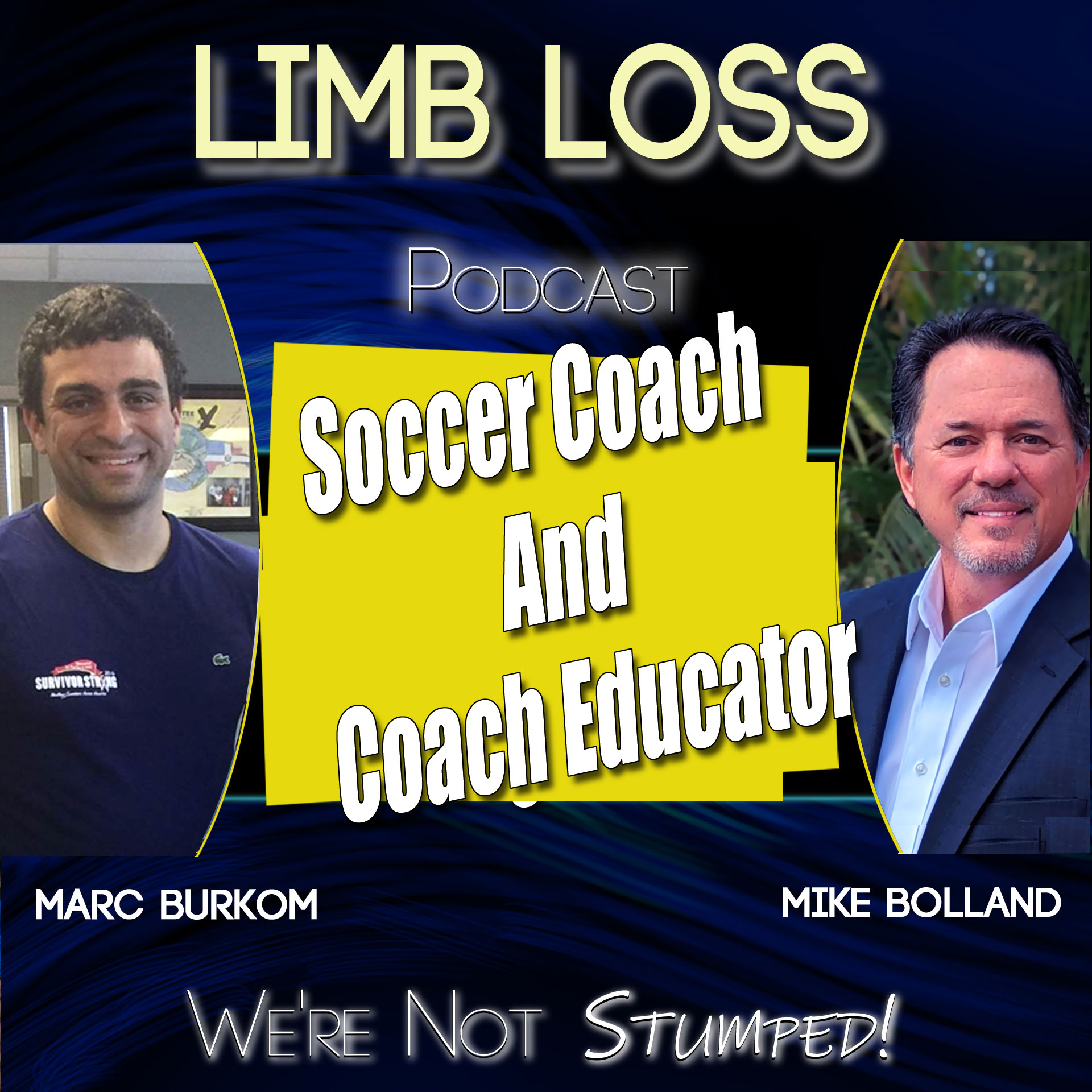
What does it take to turn a life challenge into a lifelong passion for sports and coaching? On this episode of We're Not Stumped, host Mike Bolland talks with Marc Burkom, a double below-knee amputee born with fibular hemimelia who has built a life around athletics, coaching, and helping others reach their potential. Marc shares how his parents made the difficult decision to amputate his feet when he was just two months old — a choice that allowed him to grow up active in sports like soccer, baseball, and basketball. Today, Marc works in coaching education and advocates for expanding opportunities for adaptive and amputee athletes. In this conversation, Marc and Mike discuss growing up with prosthetics, the role sports played in building confidence, coaching amputee soccer, adaptive sports like amputee basketball, and how prosthetic technology has evolved over the years.
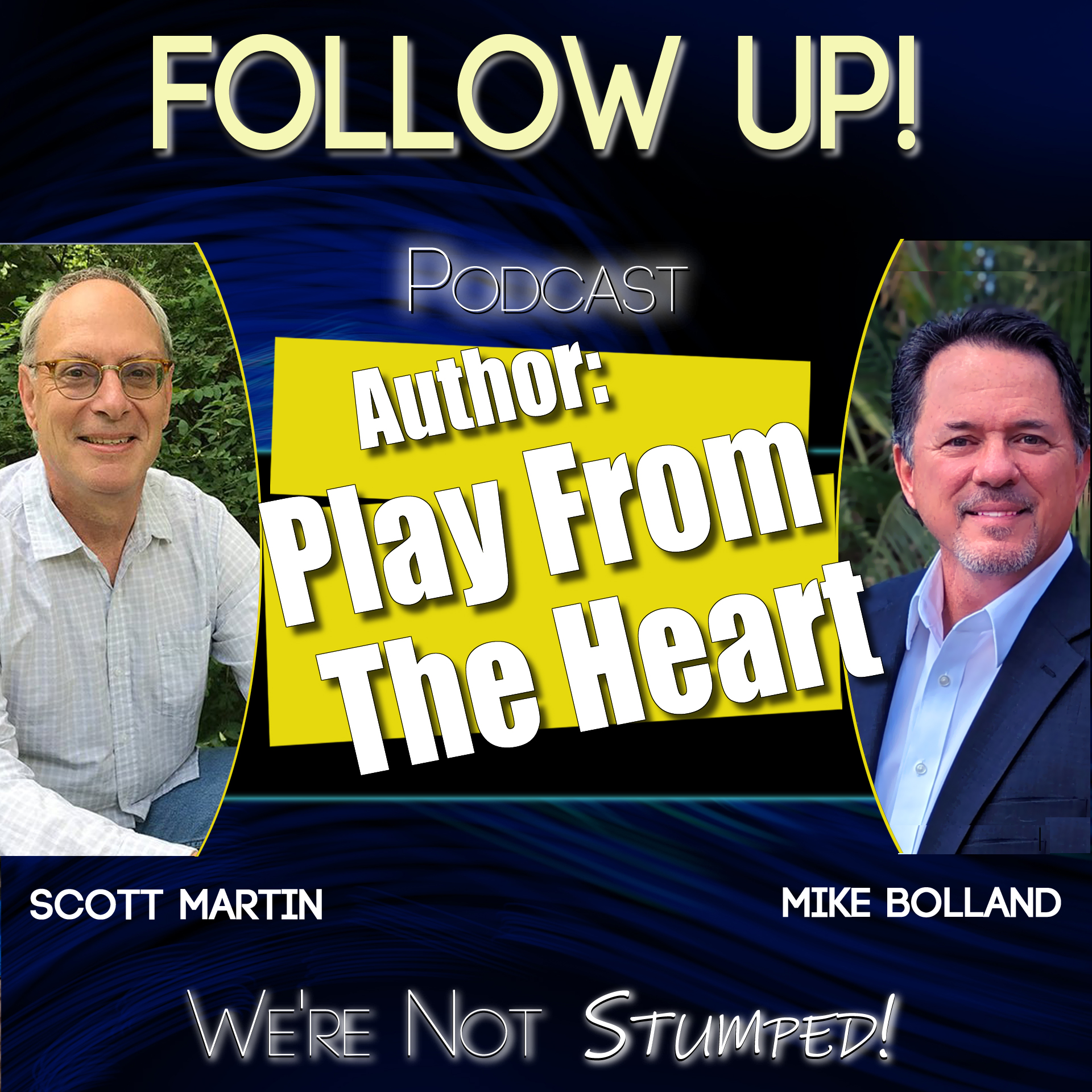
In this deeply moving episode of We’re Not Stumped, host Mike Bolland welcomes Scott Martin, a bilateral hand amputee, soccer coach, and author of the upcoming memoir Play From Your Heart. Scott opens up about the life-altering infection in 1993 that led to the loss of both hands and parts of his feet, and the emotional aftermath that followed. He speaks honestly about denial, detachment, and the five-year struggle with depression that tested his identity, confidence, and purpose.
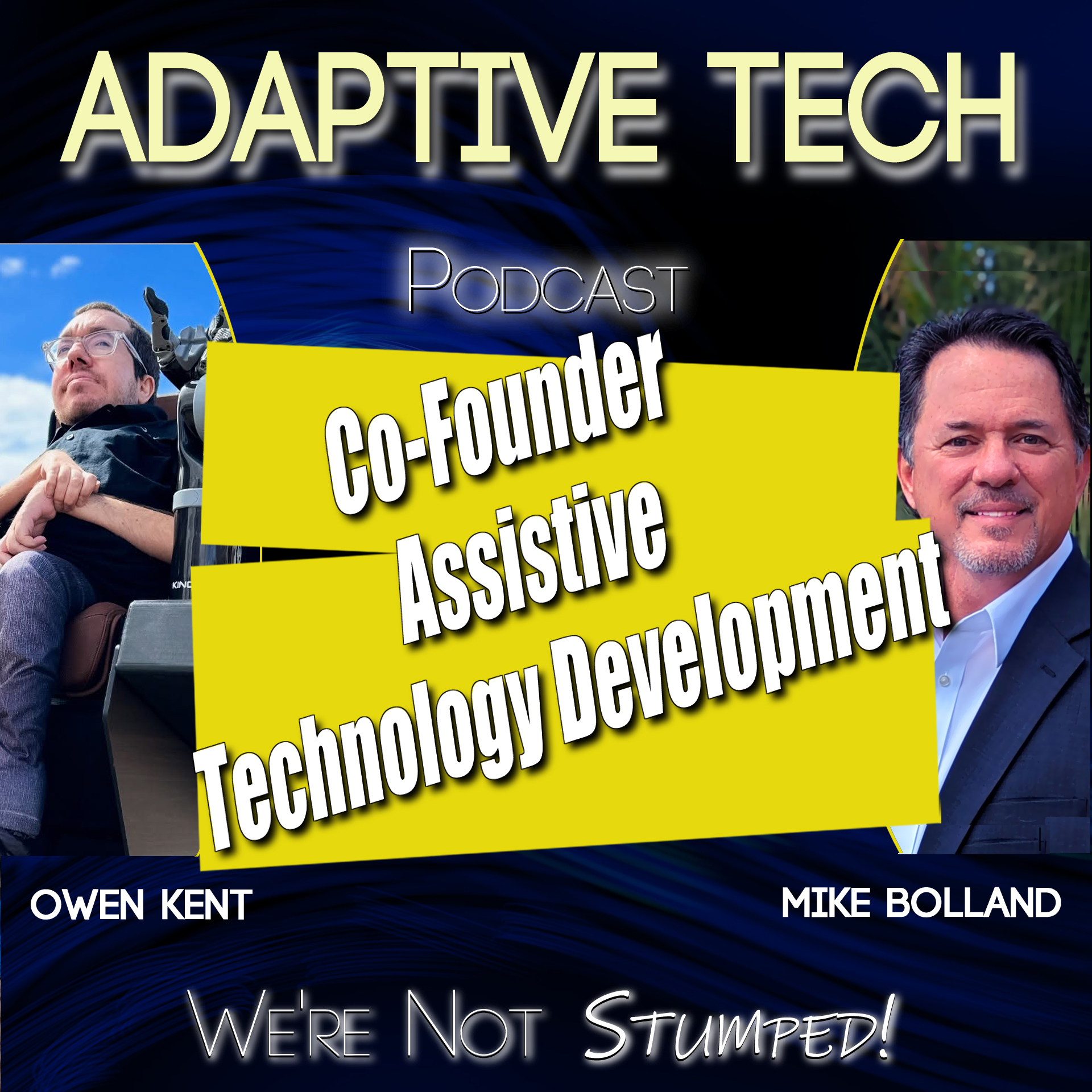
What happens when lived experience meets entrepreneurship? In this episode of We’re Not Stumped, Mike Bolland sits down with Owen Kent, an entrepreneur living with muscular dystrophy who is reshaping the future of assistive technology. After facing limited access to effective rehabilitation tools, Owen co-founded a company to develop a simple, home-based exoskeleton designed to make recovery more accessible. From customer discovery and design thinking to universal design principles, Owen shares how building technology for underserved communities requires more than innovation — it requires empathy.