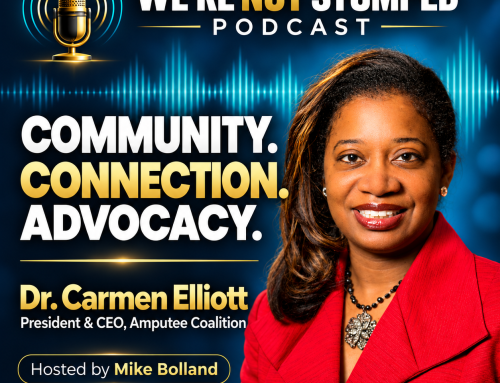
What happens when people underestimate your potential your entire life—and you refuse to let them define your future?
In this episode of the We’re Not Stumped podcast, I sit down with Denny Burke, a licensed master social worker, disability advocate, and speaker who has spent his life proving that disability does not determine what someone can achieve.
Growing up legally blind and facing additional disabilities, Denny endured bullying, low expectations, and barriers that could have shaped the rest of his life. Instead, with the encouragement of mentors and his own determination, he became the first person in his immediate family to graduate from college and is now dedicated to helping others find their voice through self-advocacy and social work.
In this episode, we discuss:
👁️ Growing up legally blind and overcoming childhood adversity
🎓 Becoming the first in his family to graduate from college
💙 Why self-advocacy is one of the most important life skills
🧒 His passion for helping children and families through social work
♿ Challenging misconceptions about people with disabilities
💼 Creating more inclusive workplaces and communities
✈️ Accessible travel and advocating for disabled travelers
❤️ Family, mentoring, volunteering, and giving back
Denny’s story is a powerful reminder that disability is one part of who someone is—not a limit on what they can accomplish. Whether you’re living with a disability, supporting someone who is, or simply looking for an inspiring conversation about resilience and inclusion, this episode is for you.
🎙️ Subscribe to We’re Not Stumped for more conversations highlighting resilience, advocacy, adaptive living, and the people making a difference in the disability community.
#DisabilityAdvocacy #SelfAdvocacy #DisabilityInclusion #SocialWork #LegalBlindness #AdaptiveLiving #Accessibility #Inclusion #WereNotStumped #DisabilityPodcast
Listen on Apple Podcasts
Watch on YouTube
Listen on Spotify
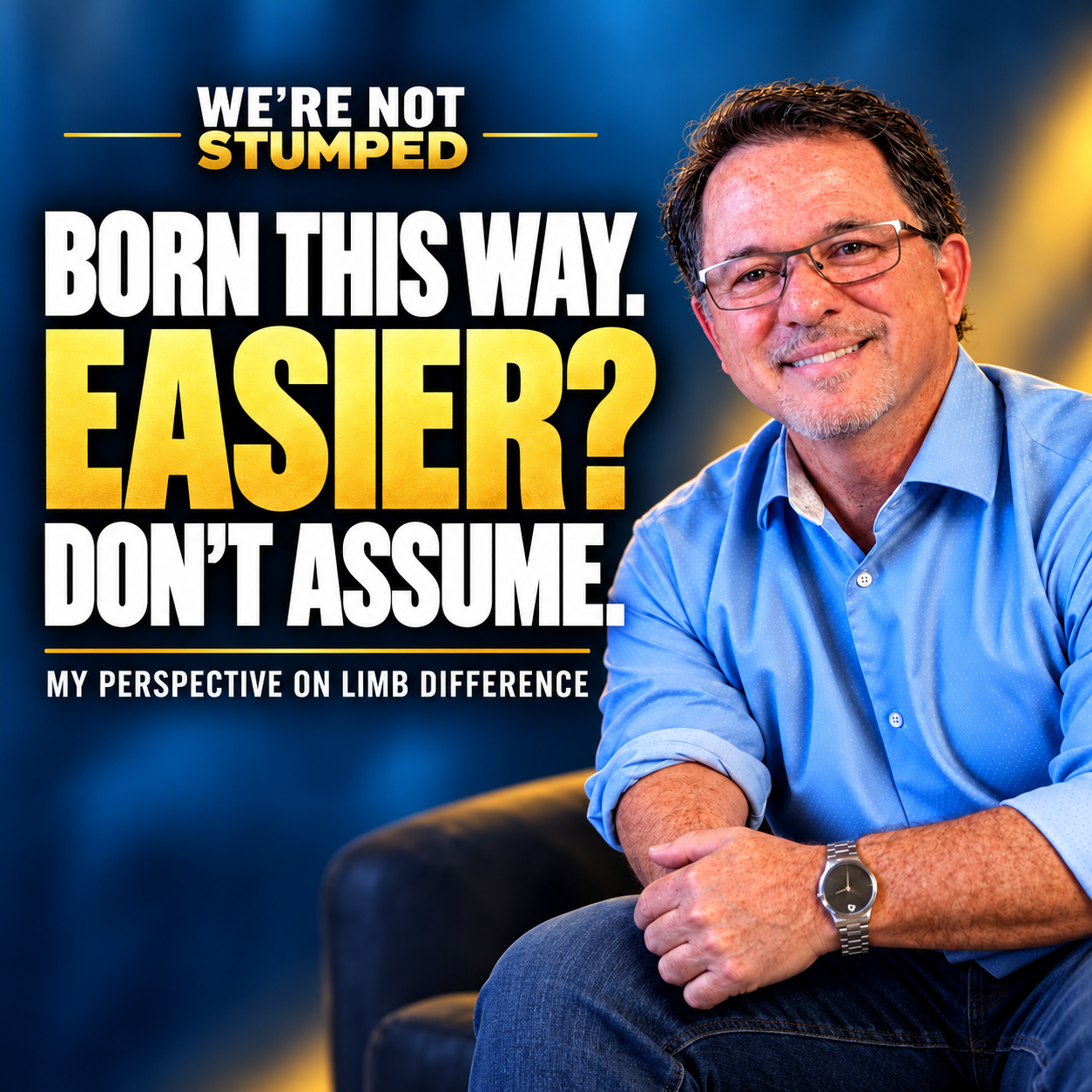
Does being born with a limb difference—or experiencing amputation as a child—mean you have it easier? In this solo episode of We’re Not Stumped, host Mike Bolland challenges an assumption that can leave people feeling dismissed within their own community. Born without a right hand, Mike shares why physical adaptation tells only part of the story. Through his podcast and community work, he’s met people whose experiences include bullying, employment barriers, relationship challenges, and depression. While these experiences don’t all reflect his own journey, they deserve acknowledgment. Acquiring a disability later in life brings its own challenges, including grief and adjustment. Recognizing those experiences doesn’t require minimizing the challenges of congenital limb difference or childhood limb loss. This episode invites us to listen more closely, question what we assume about others, and support one another without ranking whose journey is harder.
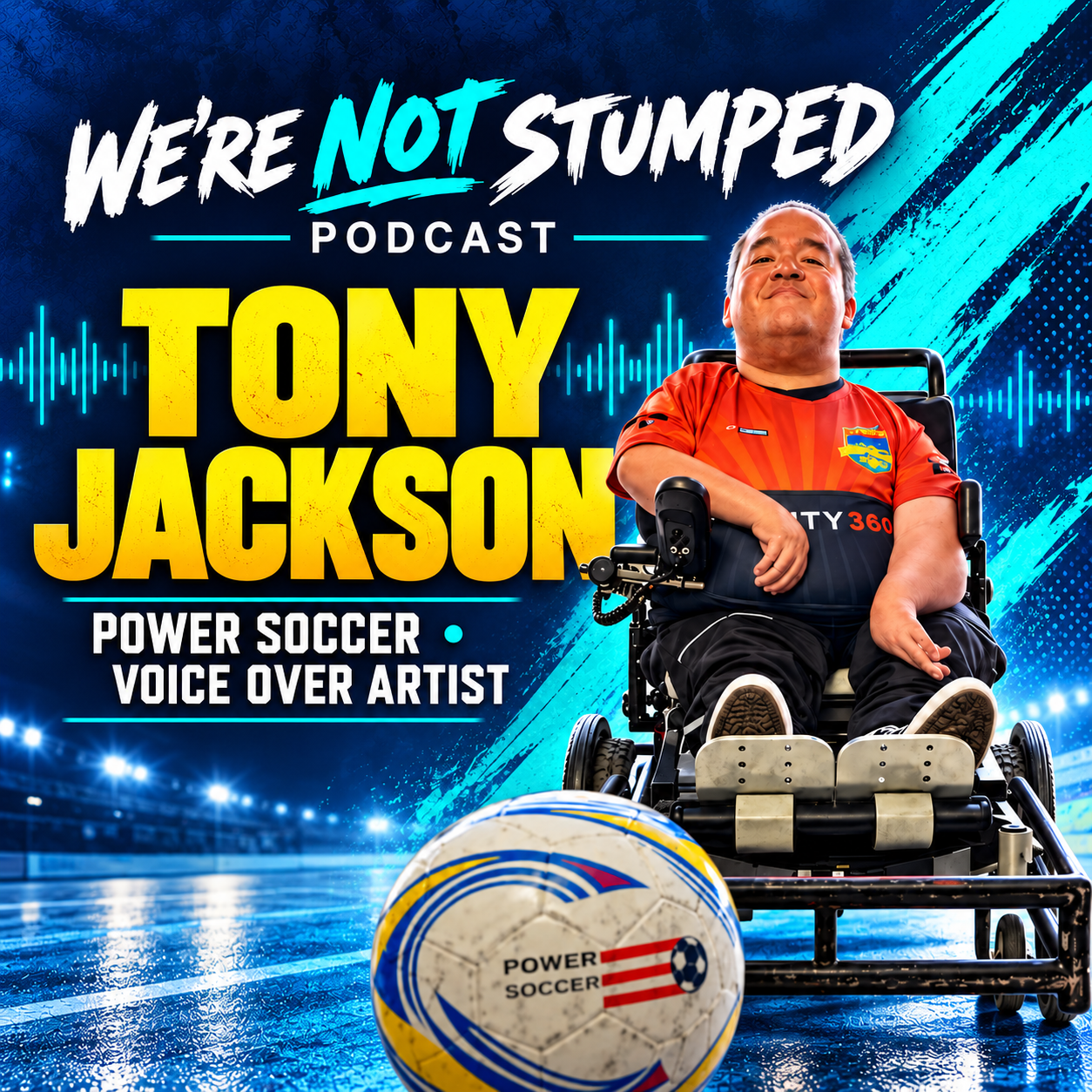
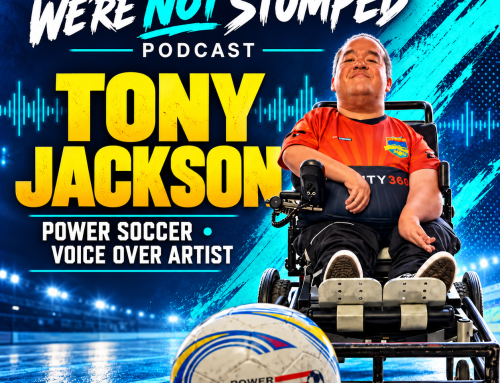
How can voiceover and adaptive sports create opportunities for people with disabilities? Phoenix-based voiceover artist Tony Jackson joins Mike Bolland on We’re Not Stumped to share his experiences behind the microphone and on the power soccer court. Tony serves as the Grant Coordinator and Power Soccer Coordinator at Ability360. We explore his path into voice acting, accessibility in casting, and how adaptive sports build teamwork, confidence, and a sense of belonging.
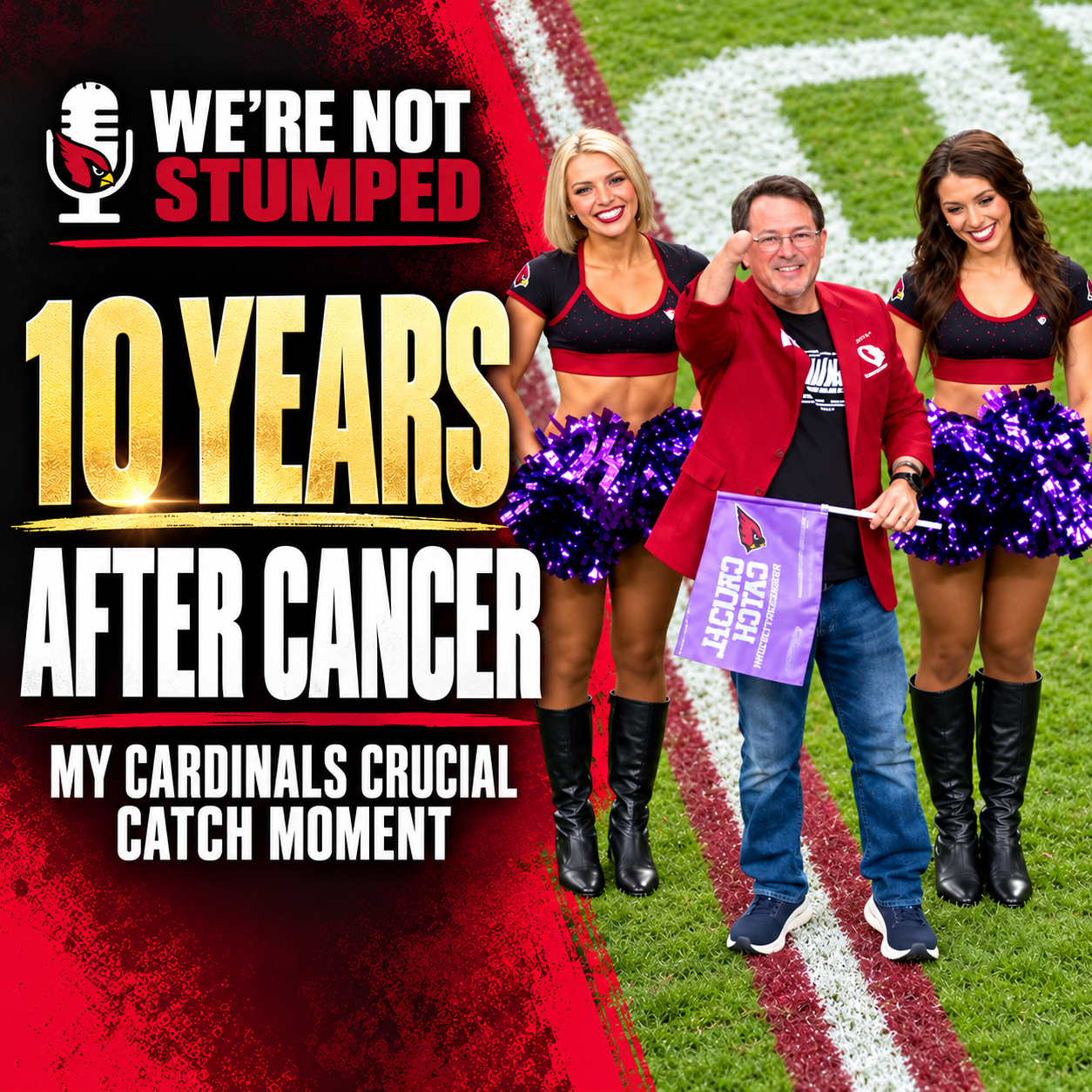
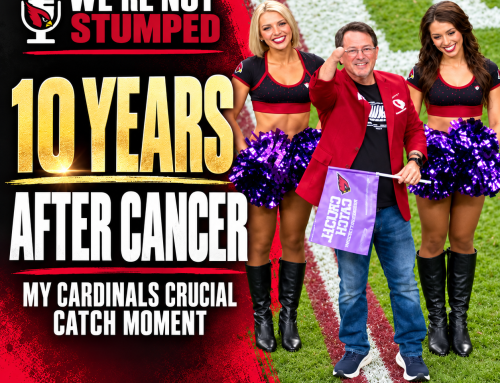
Ten years after cancer surgery, Mike Bolland found himself on the field at an Arizona Cardinals game, representing all cancers during the NFL’s Crucial Catch recognition. In this personal episode of We’re Not Stumped, Mike reflects on the journey from surgery and radiation to pursuing two goals: performing stand-up comedy and bowling on tour one more time. Those decisions helped lead to motivational speaking, a return to competition on the PBA60 Tour, and his message, “Take the Shot Anyway.” Mike also honors the podcast guests who have shared their own cancer journeys, including those who experienced limb loss, and the people whose support helped him through treatment and recovery.