What happens when a life-changing accident forces you to redefine everything you thought was possible?
On this episode of the We’re Not Stumped podcast, I sit down with Dr. Kirsten Ludwig—a biomedical researcher, educator, former professional polo player, and advocate for disability inclusion in healthcare.
In 2021, Dr. Ludwig was paralyzed from the neck down during a horseback riding accident. Through determination, rehabilitation, and an incredible commitment to recovery, she became what she describes as a walking quadriplegic. Today, she combines her lived experience with her work as an Associate Professor of Biomedical Science at the Kaiser Permanente Bernard J. Tyson School of Medicine, helping educate future physicians about disability, accessibility, and patient-centered care.
In this episode, we discuss:
* 🐎 Her career as a professional polo player
* 🧬 Her work in biomedical research and medical education
* 💪 The horseback riding accident that changed her life
* 🎯 How setting one recovery goal at a time helped her regain independence
* ♿ Why disability inclusion belongs in every healthcare curriculum
* ❤️ Advice for anyone facing a life-changing injury
Dr. Ludwig’s story is one of resilience, hope, and purpose. Whether you’re living with a disability, working in healthcare, or simply looking for inspiration, this conversation is one you won’t want to miss.
🎙️ Subscribe to We’re Not Stumped for more conversations with people who are redefining what’s possible in the disability community.
#Disability #SpinalCordInjury #WalkingQuadriplegic #Healthcare #MedicalEducation #AdaptiveLiving #Accessibility #Resilience #DisabilityAdvocate #WereNotStumped
Listen on Apple Podcasts
Watch on YouTube
Listen on Spotify

When Drew Ann Long, a stay-at-home mom from Birmingham, Alabama, discovered there were no shopping carts designed for her daughter Caroline — who has Rett syndrome and cannot walk or talk — she decided to create one herself. In this inspiring episode of We’re Not Stumped, host Mike Bolland sits down with Drew Ann to discuss her journey from frustrated mom to inventor of Caroline’s Cart, an adaptive shopping cart now featured in over 15,000 stores across eight countries, including Walmart, Target, Kroger, and Lowe’s. Drew Ann opens up about overcoming rejection, financial struggles, and even a hacked social media page — all while pursuing her mission to bring dignity and inclusion to families with disabilities.
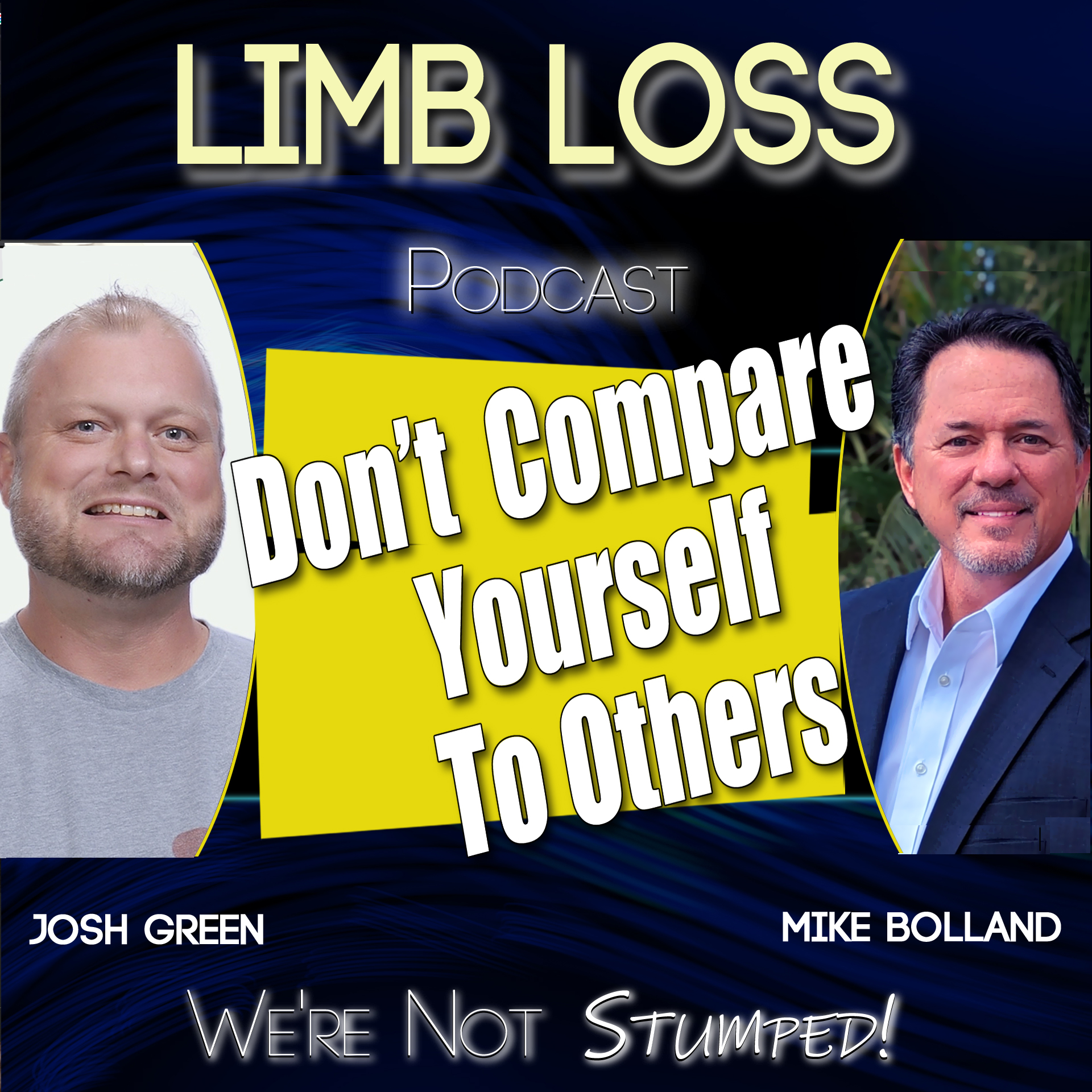
In this powerful episode of We’re Not Stumped, host Mike Bolland sits down with Josh Green, an above-knee amputee, patient advocate, and founder of the Northeast Ohio Amputee Support Group. Josh lost his leg at just 4 years old and has since turned his life experiences into a mission to uplift and educate others in the limb loss community. Josh opens up about growing up with a prosthetic, how his parents’ positive outlook helped him build confidence, and how sports played a major role in his development. Later in life, he faced new challenges but found strength by connecting with other amputees and realizing the power of community. From overcoming early challenges to empowering others through advocacy and education, Josh Green’s story is one of resilience, leadership, and unwavering positivity.
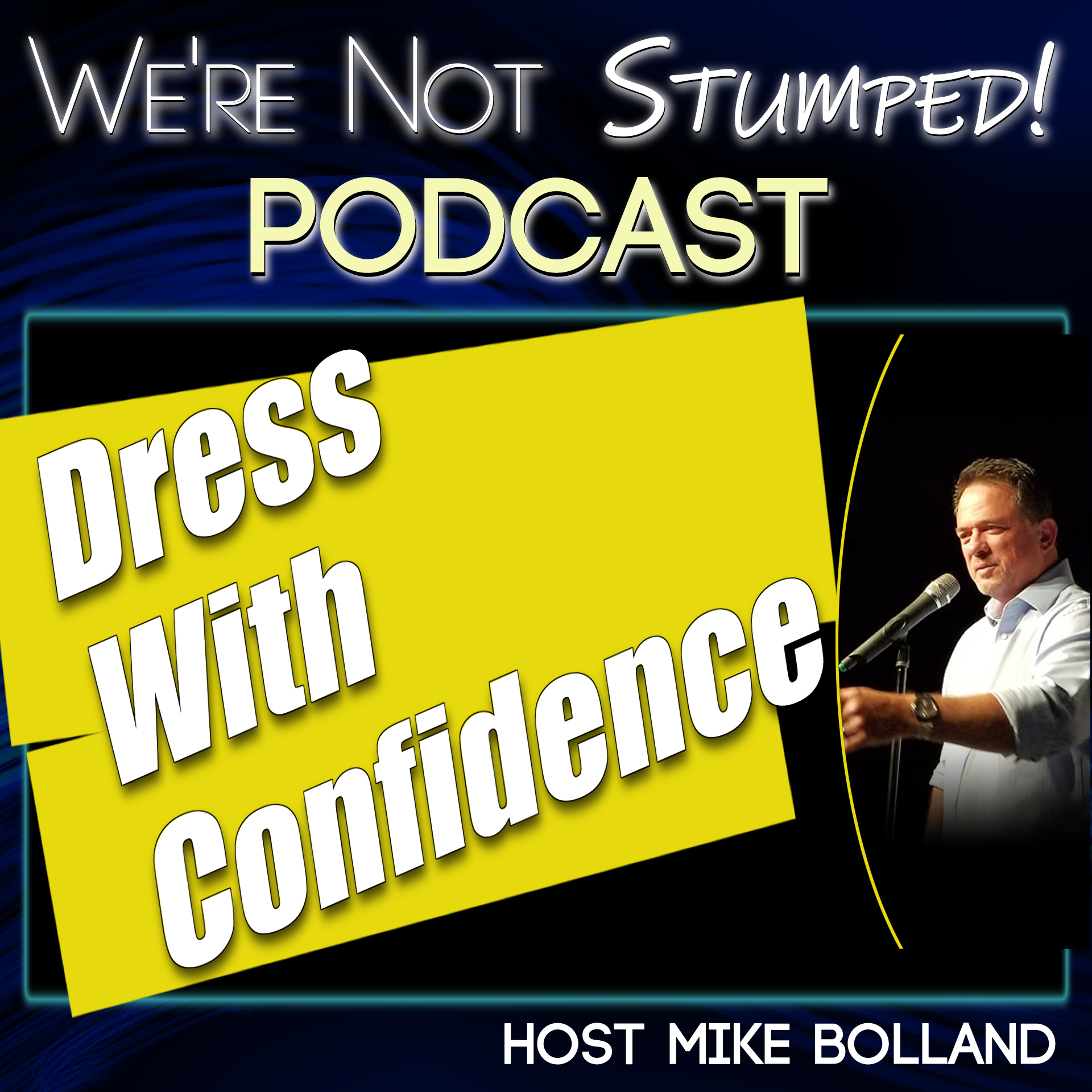
In this episode of We’re Not Stumped, host Mike Bolland — born without his right hand — shares a powerful message about why he feels dressing well matters for the limb loss and disability community. This isn’t about vanity — it’s about confidence, self-respect, and advocacy. Mike explains how personal style can change the way we feel about ourselves and the way others see us. From challenging stereotypes to promoting positive representation, dressing with pride is one way to say: “I belong here — just as I am.” 🎙️ In this episode, Mike discusses: Why appearance and self-expression are empowering after limb loss or disability How dressing well helps break stereotypes and reshape public perception The connection between confidence, mental health, and advocacy How showing up with pride inspires others in the community 👕 Dressing well isn’t about perfection — it’s about showing pride in who you are. Because when we show up confidently, we make it easier for others to do the same.