Limb Salvage vs. Amputation: When Is Saving the Limb Not the Best Outcome?
When should a limb be saved—and when might amputation provide a better quality of life?
On this episode of We’re Not Stumped, Mike Bolland talks with podiatric surgeon Dr. Danny Ghannoum about limb salvage, diabetic foot complications, Charcot neuroarthropathy, bone infections, and the difficult decisions that can lead to lower-limb amputation.
Dr. Ghannoum explains how diabetes, peripheral neuropathy, poor circulation, foot ulcers, and osteomyelitis can put a limb at risk. He also shares complex patient cases that illustrate an important point: saving a limb isn’t always the same as achieving the best outcome for the patient.
The conversation explores advances in limb salvage and reconstructive surgery, including bone fusion techniques, while emphasizing the importance of considering each patient’s lifestyle, goals, and quality of life when making treatment decisions.
Mike and Dr. Ghannoum also discuss patient advocacy and second opinions, with Dr. Ghannoum encouraging patients to take an active role as the “quarterback” of their healthcare team.
Topics include:
- Limb salvage vs. amputation
- Diabetes and amputation risk
- Peripheral neuropathy
- Charcot foot / Charcot neuroarthropathy
- Diabetic foot ulcers and infections
- Osteomyelitis
- Below-the-knee amputation
- Limb reconstruction and fusion
- Patient advocacy and second opinions
- Quality of life when making treatment decisions
We’re Not Stumped shares conversations about limb loss, limb difference, prosthetics, adaptive living, advocacy, and the people working to improve outcomes for the limb loss community.
Listen on Apple Podcasts
Watch on YouTube
Listen on Spotify

In this episode of We’re Not Stumped, Mike Bolland examines leadership at the Amputee Coalition. Between 2019 and 2022, CEO compensation jumped 107%. Cass Isidro led the organization from February 2023 until August 22, 2025. While reliable sources say she did a good job, Mike discusses why long-term leadership is vital for the limb loss community—highlighting the value of someone deeply committed to the cause rather than viewing the role as a career step. He also shares why he personally would not seek recommendation letters for the Certified Peer Visitor program.
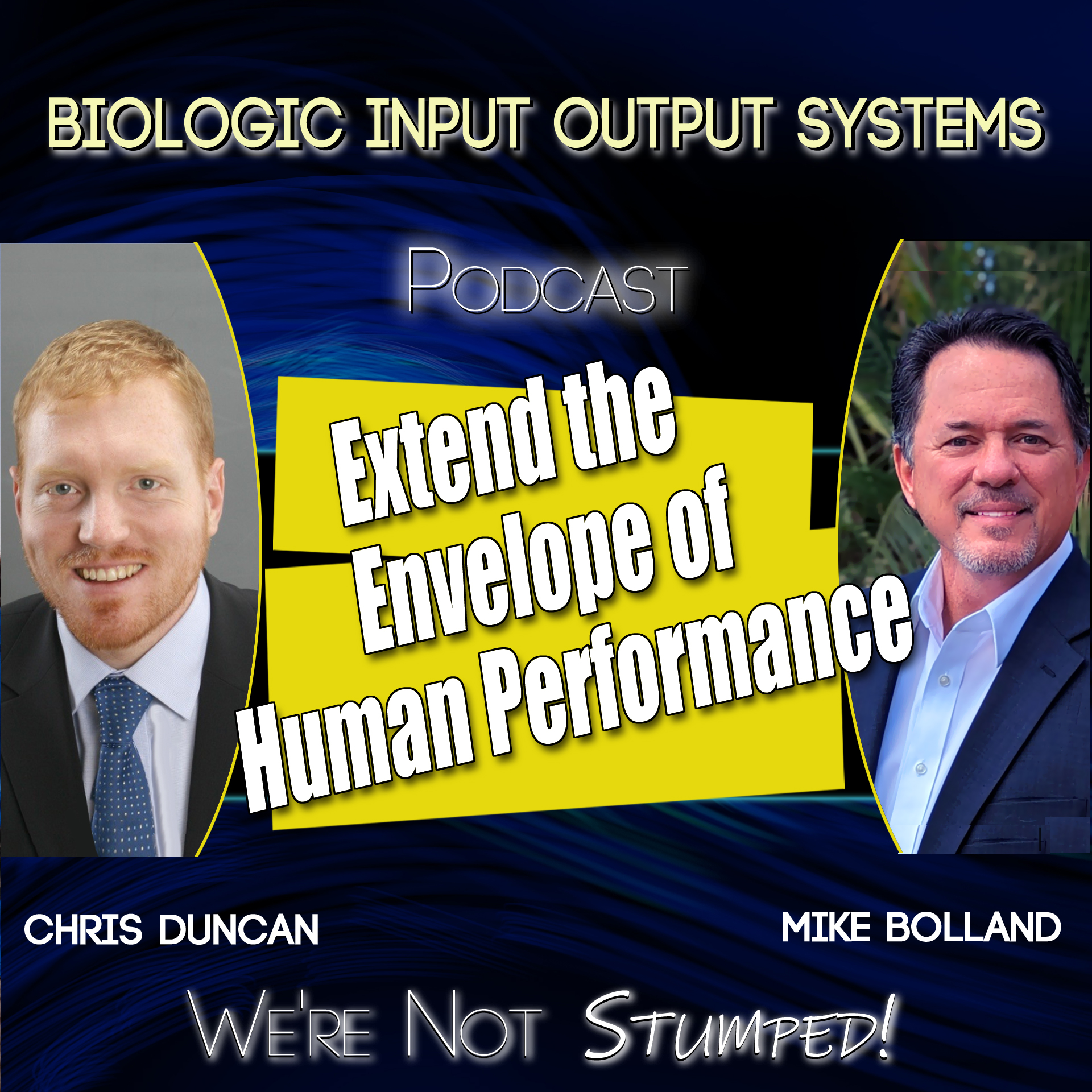
Dr. Christopher Duncan, Chief Medical Officer at Biologic Input Output Systems (BIOS), joins We’re Not Stumped with host Mike Bolland for a deep dive into neurotechnology and the future of prosthetics. With a background in rehabilitation medicine, Christopher explains how BIOS is combining advanced materials, neurophysiology, and machine learning to create prosthetic technology that restores natural movement and touch—far beyond what he calls today’s “Civil War technology.” The discussion also explores data registries, privacy concerns, and partnerships with leading institutions to expand access.
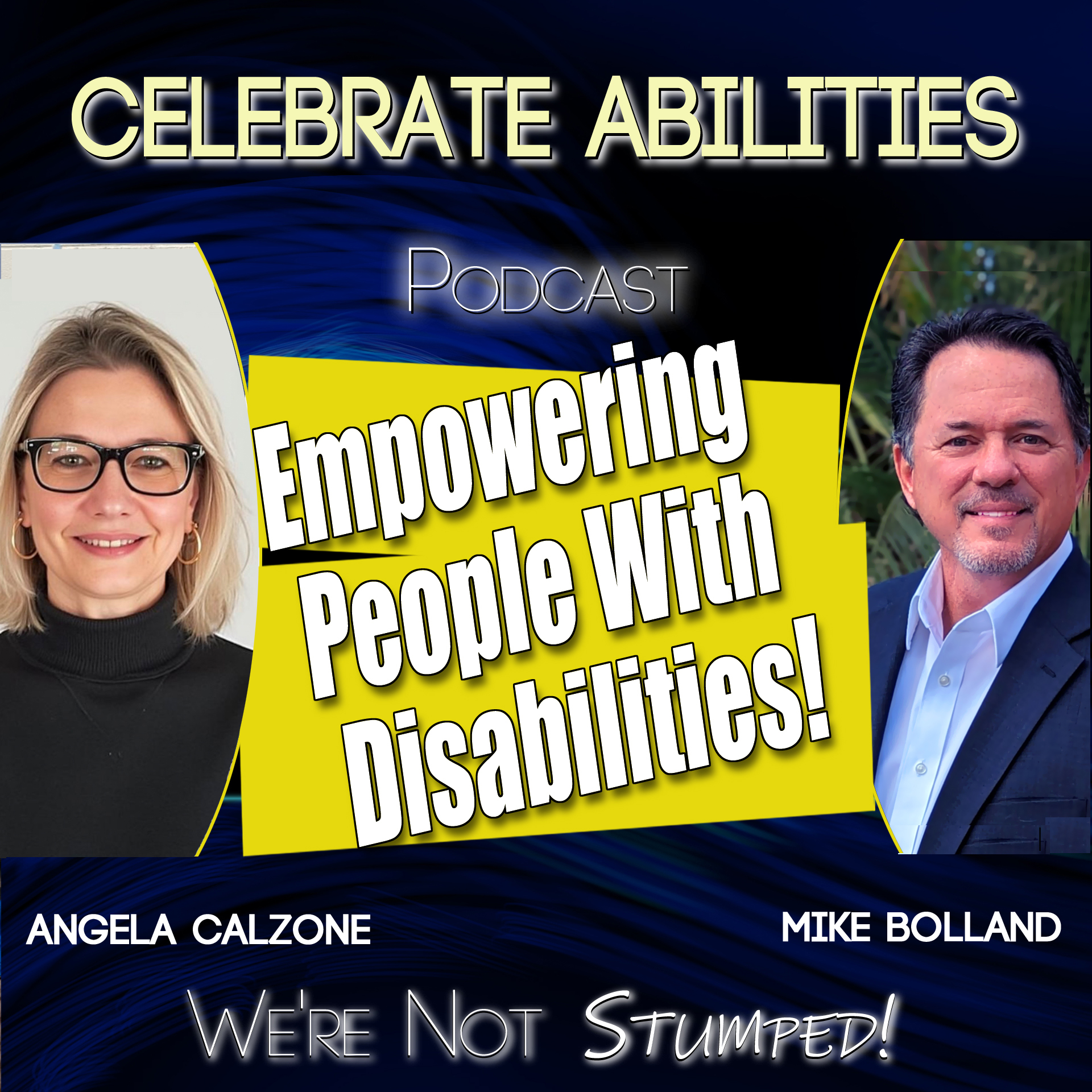
In this inspiring episode of We’re Not Stumped, Mike Bolland sits down with Angela Calzone, President & CEO of Inroads to Opportunities, as the organization celebrates its 66th anniversary. With a bold goal to double the number of individuals served—from 400 to 800—over the next decade, Angela shares her passion for breaking down misconceptions about hiring people with disabilities and her mission to create lasting workforce inclusion. From her 35+ year career in the for-profit sector to leading one of the most impactful nonprofits in the disability community, Angela opens up about the challenges of funding, the critical need for employer partnerships, and the real business benefits of inclusive hiring. She also shares powerful success stories, the impact of Inroads’ vocational training programs, and why their largest-ever fundraiser was a milestone moment for the agency. Whether you’re an employer, advocate, or simply someone who believes in the value of diversity in the workplace, this episode will inspire you to see what’s possible when communities come together to create opportunities.