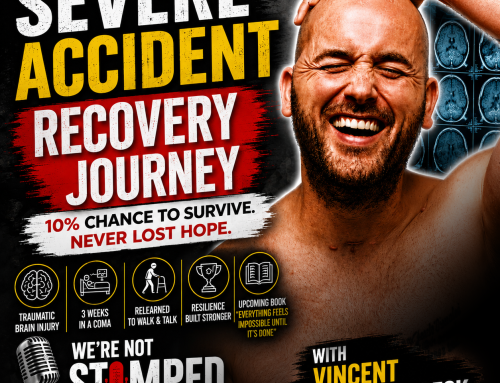
Limb Salvage vs. Amputation: When Is Saving the Limb Not the Best Outcome?
When should a limb be saved—and when might amputation provide a better quality of life?
On this episode of We’re Not Stumped, Mike Bolland talks with podiatric surgeon Dr. Danny Ghannoum about limb salvage, diabetic foot complications, Charcot neuroarthropathy, bone infections, and the difficult decisions that can lead to lower-limb amputation.
Dr. Ghannoum explains how diabetes, peripheral neuropathy, poor circulation, foot ulcers, and osteomyelitis can put a limb at risk. He also shares complex patient cases that illustrate an important point: saving a limb isn’t always the same as achieving the best outcome for the patient.
The conversation explores advances in limb salvage and reconstructive surgery, including bone fusion techniques, while emphasizing the importance of considering each patient’s lifestyle, goals, and quality of life when making treatment decisions.
Mike and Dr. Ghannoum also discuss patient advocacy and second opinions, with Dr. Ghannoum encouraging patients to take an active role as the “quarterback” of their healthcare team.
Topics include:
- Limb salvage vs. amputation
- Diabetes and amputation risk
- Peripheral neuropathy
- Charcot foot / Charcot neuroarthropathy
- Diabetic foot ulcers and infections
- Osteomyelitis
- Below-the-knee amputation
- Limb reconstruction and fusion
- Patient advocacy and second opinions
- Quality of life when making treatment decisions
We’re Not Stumped shares conversations about limb loss, limb difference, prosthetics, adaptive living, advocacy, and the people working to improve outcomes for the limb loss community.
Listen on Apple Podcasts
Watch on YouTube
Listen on Spotify
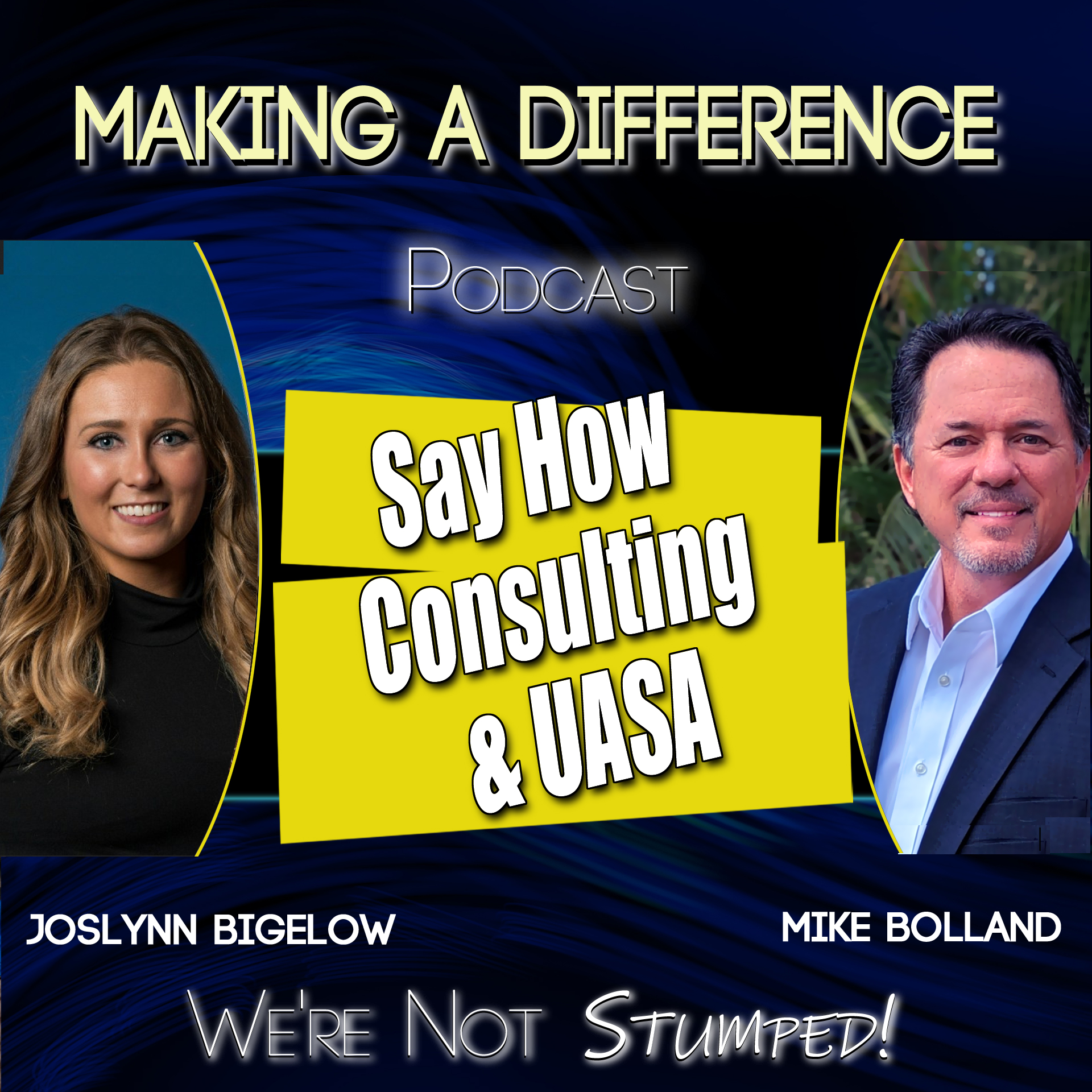
In this episode of We’re Not Stumped, host Mike Bolland sits down with Joslynn Bigelow, founder and CEO of Say How Consulting, for a powerful conversation on disability advocacy, system navigation, and the importance of dignity of risk. Joslynn shares her personal journey into advocacy, the launch of her consulting business, and her five guiding principles for creating inclusive services: dignity of risk, individual readiness, assess and address, authentic experience, and realistic opportunities. The discussion dives into: ✅ Why “say how” means finding solutions when systems say “no” ✅ The role of dignity of risk in fostering independence and inclusion ✅ The origins and growth of the United Adaptive Soccer Association (UASA) ✅ The challenges of advancing inclusion in adaptive sports ✅ The unique opportunities upcoming global sporting events offer for disability awareness
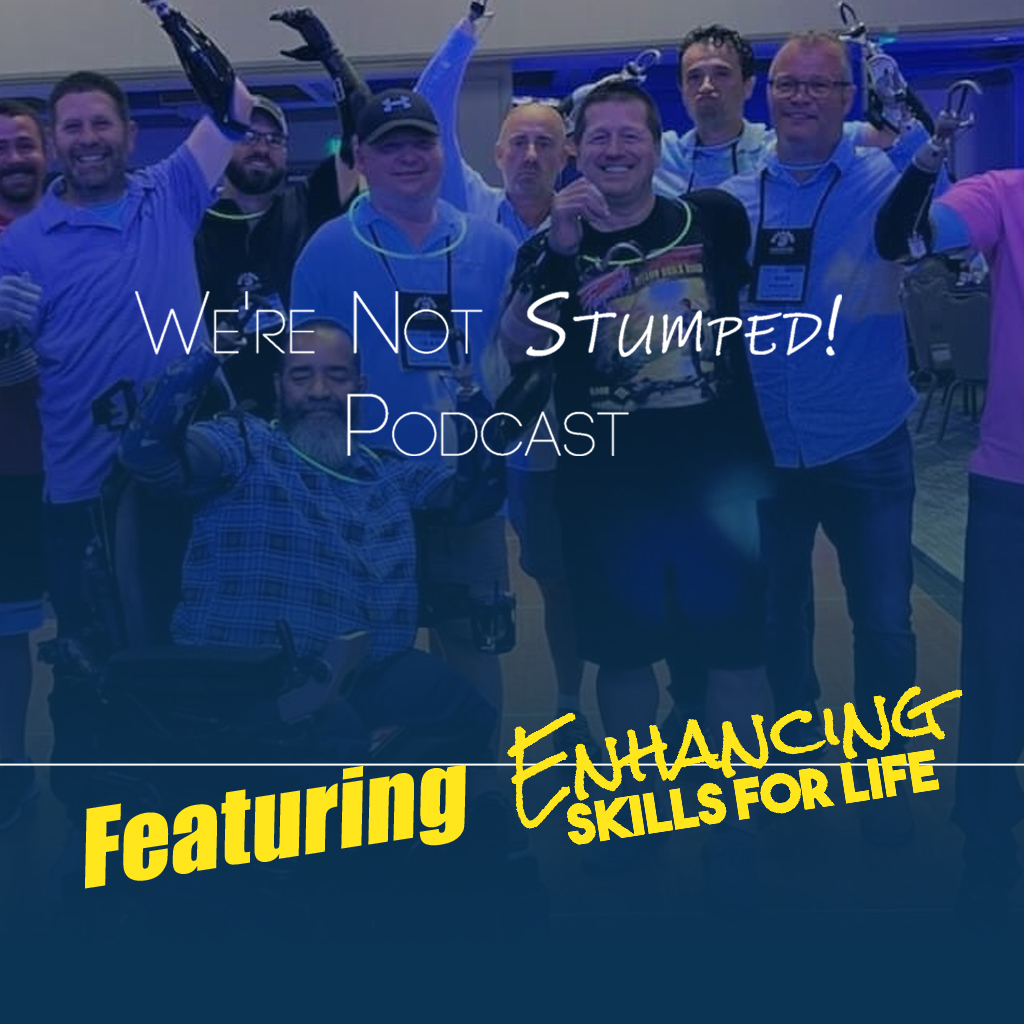
In this episode of We’re Not Stumped, host Mike Bolland sits down with Shawn Johnson, founder and executive director of Enhancing Skills for Life, and Mike St. Onge, board chairman and quadruple amputee, to explore the organization’s inspiring mission and impact. Shawn, an occupational therapist with nearly three decades of prosthetic and rehabilitation experience, shares how Enhancing Skills for Life grew from its first workshop in 2002 into a global community serving people living without both arms or all four limbs. Mike reflects on his personal journey as a quadruple amputee, highlighting the strength of peer support and empowerment in rebuilding independence. Discover how this nonprofit is transforming lives through: ✅ Workshops and skill-building events ✅ Adaptive equipment resources like the “Hands-Free Catalog” ✅ Scholarships, mentorship, and international participation ✅ Exciting future collaborations and upcoming workshops Whether you’re part of the limb loss community or simply inspired by stories of resilience and hope, this conversation is packed with insight and heart.
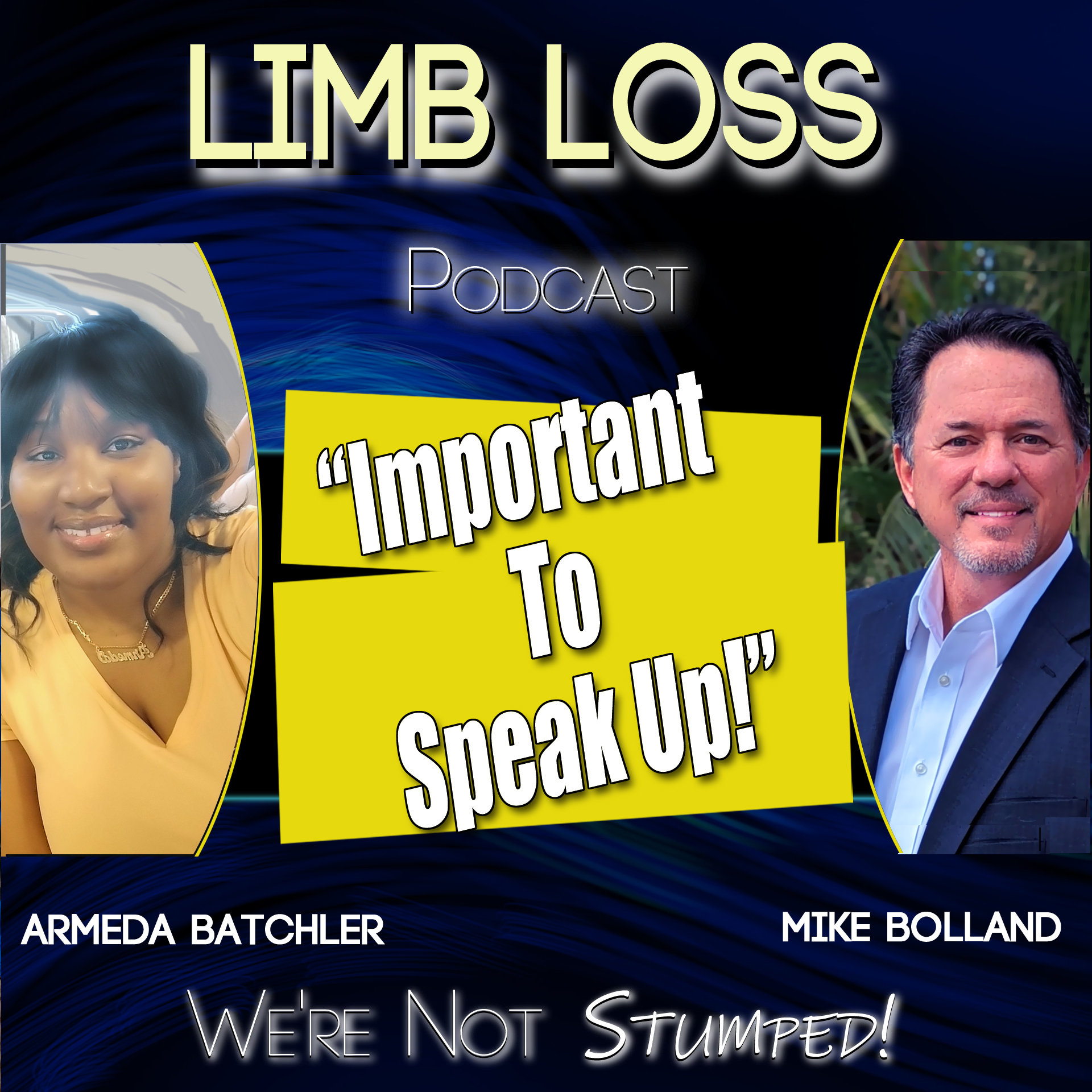
In 2013, Armeda Batchler made the life-altering decision to amputate her left leg above the knee after being diagnosed with osteosarcoma—just months after becoming a new mother. Determined to push forward, she balanced recovery, parenting, and work with remarkable strength. Yet behind the resilience, Armeda faced hidden struggles: depression, isolation, and the difficulty of asking for help. Over time, she discovered the healing power of connection, rebuilding a local amputee support group and embracing advocacy to support others walking a similar path. In this heartfelt conversation, Armeda opens up about her cancer journey, the challenges of raising her daughter while adapting to limb loss, and how hope and community helped her transform struggle into purpose.