What happens when disability advocates from across the country come together to shape the future of independent living and accessibility?
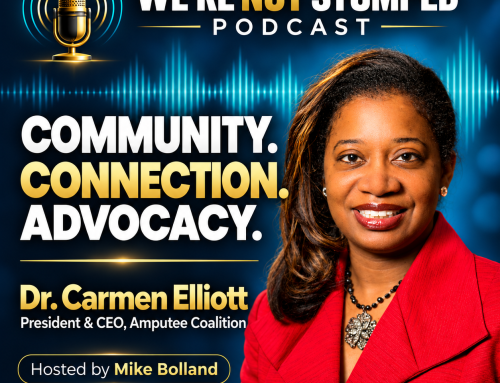
In this solo episode of We’re Not Stumped, I share my personal reflections after attending the National Council on Independent Living (NCIL) Annual Conference in Washington, D.C., where I represented Ability360 as a member of its Board of Directors.
Learn More: https://ncil.org/
From celebrating ADA36: We Won’t Go Back to hearing powerful stories from advocates, policymakers, and leaders in the disability community, the conference reinforced why protecting and advancing disability rights remains so important.
In this episode, I discuss:
- My biggest takeaways from the conference
- Why the Independent Living movement continues to make a difference
- The importance of advocacy at the local and national levels
- How each of us can help build a more accessible and inclusive future
Whether you’re a person with a disability, a family member, an advocate, or simply interested in creating more inclusive communities, I hope these reflections encourage you to stay engaged and continue moving the conversation forward.
Thanks for listening to We’re Not Stumped. If you enjoyed this episode, please subscribe, leave a review, and share it with someone who believes everyone deserves the opportunity to live independently.
Listen on Apple Podcasts
Watch on YouTube
Listen on Spotify
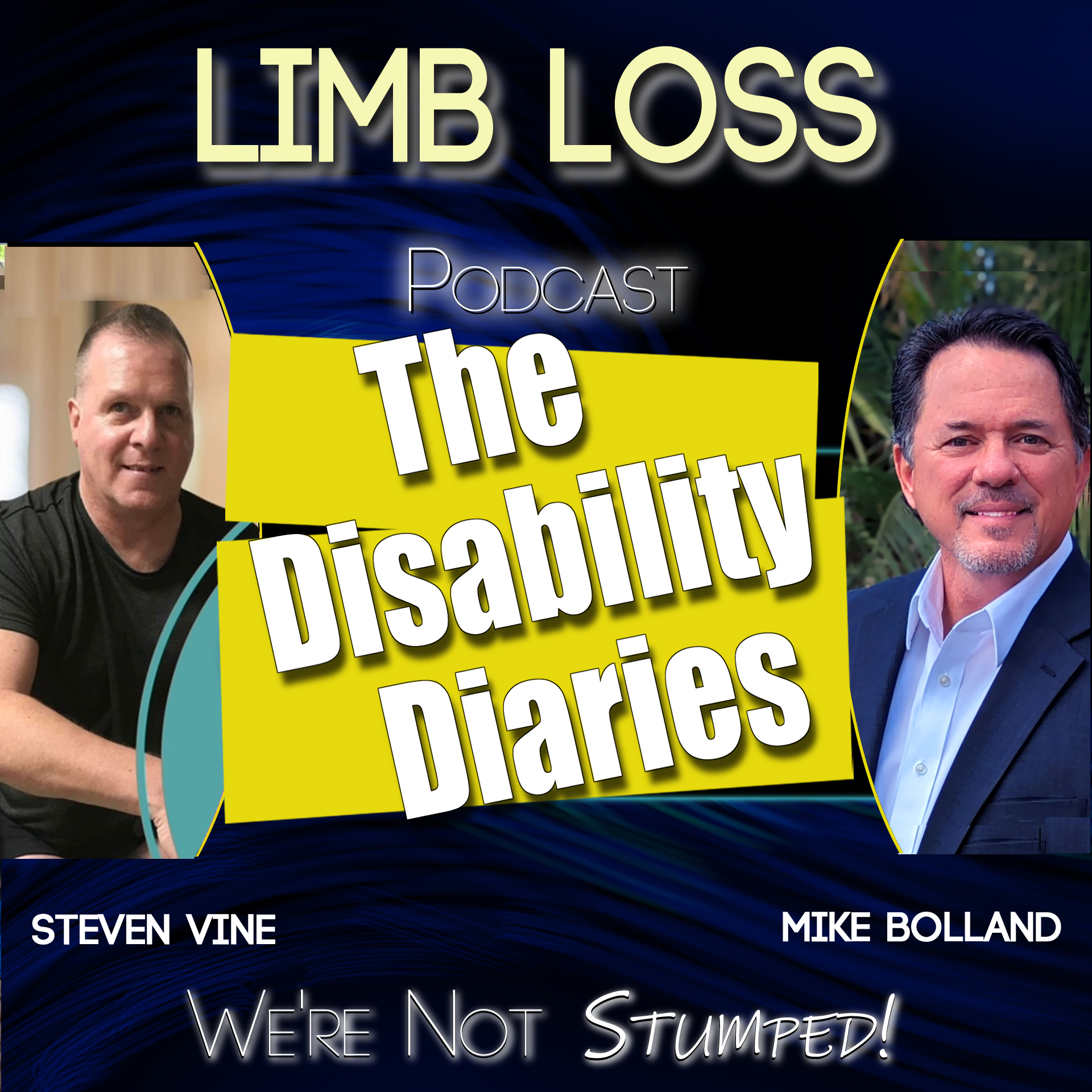
In this episode of We’re Not Stumped, host Mike Bolland welcomes Steven Vine for a raw and deeply honest conversation about survival and rebuilding life after everything changes. Steven shares how an undiagnosed genetic heart condition led to a sudden medical emergency in 2016, leaving him in a six-month coma. When he woke up, he was blind, a right above-knee amputee, living with an ostomy bag, and navigating chronic pain. Once a nationally ranked teenage track and field athlete who idolized Steve Prefontaine, Steven later owned and managed a fine dining Italian restaurant before his life was upended. In this episode, he reflects on depression, anger, opioid use and withdrawal, and the importance of caregiving support. Steven also explains how his journey inspired The Disability Diaries podcast and his upcoming memoir, Beyond These Green Eyes, offering hope through honest storytelling.
Are you thinking about starting your own podcast but not sure where to begin? So many people reach out asking how to get started. And while podcasting isn’t terribly difficult, those first few episodes can feel time-consuming and a bit overwhelming. Here’s an easier way to try it out: 👉 Come guest-host a solo episode of We’re Not Stumped and share your personal story. These are single-person episodes — no guests allowed — giving you the space to speak openly and authentically. Episodes are 10–15 minutes long, making this a simple, low-pressure introduction to podcasting. All you need to do is record on your own device (yes, your phone works great) and tell your story or share insights from your experience. I’ll handle the intro and outro, along with all final edits, to ensure the episode matches the tone and quality of the show.
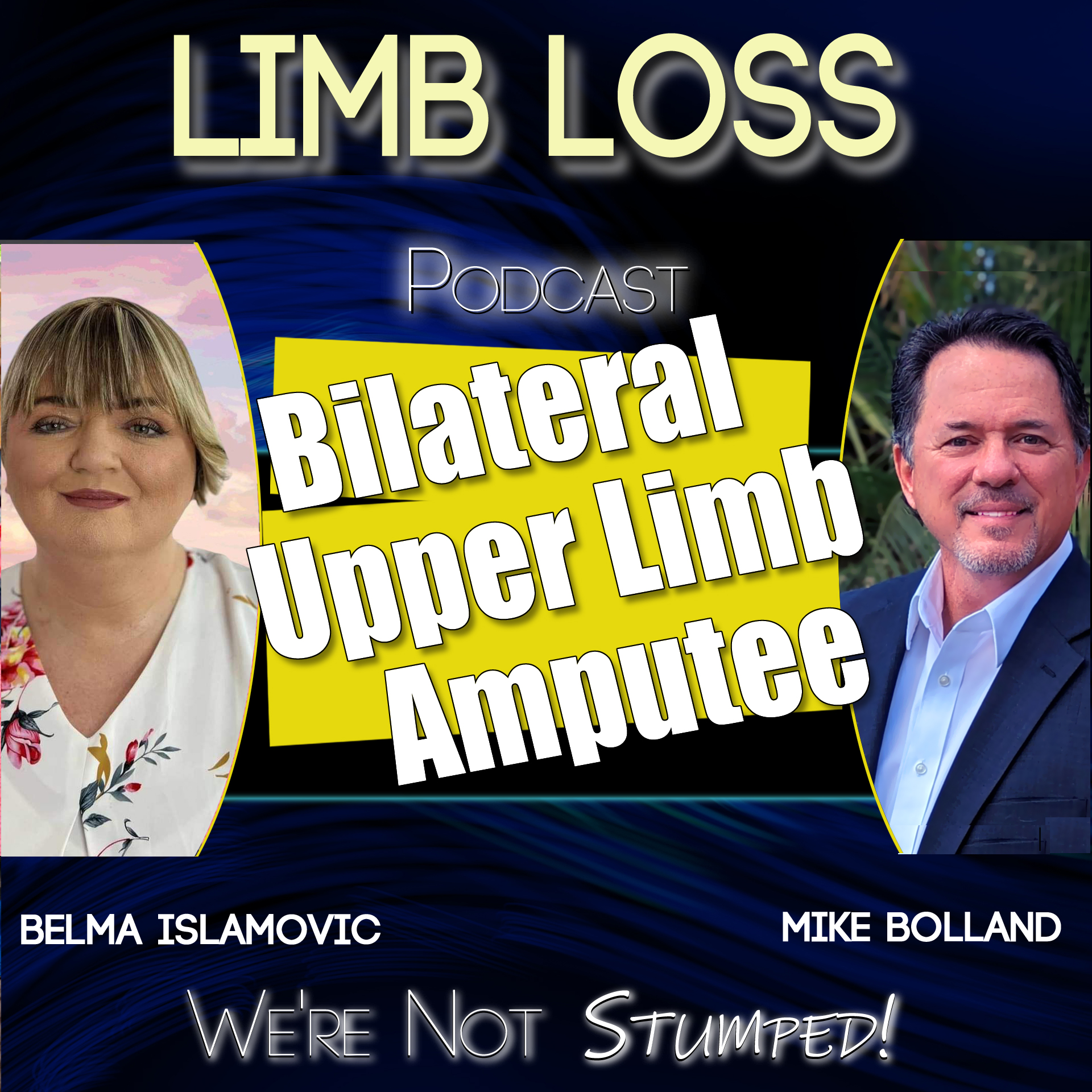
In this inspiring episode of We’re Not Stumped, host Mike Bolland welcomes Belma Islamovic, a double above-elbow amputee, community advocate, and proud member of the Dallas Amputee Network. Mike and Belma first met at Empower Fest in Arizona, and today she shares her remarkable story of survival, resilience, and hope. Belma recounts: • Surviving a devastating explosion during the Bosnian War • Her long medical journey from Bosnia to Italy and ultimately to the United States • Adapting to life without prosthetics and mastering daily tasks using her feet • The emotional and mental health struggles she overcame through support and therapy • Her connection with the Dallas Amputee Network and the power of community Belma’s story is a powerful reminder of human strength, compassion, and the importance of support networks for amputees and trauma survivors.