In this episode of the We’re Not Stumped, we sit down with Kelly J. Mendenhall—an accomplished author, speaker, and advocate—to explore her transformative journey from a thriving career in nonprofit fundraising to becoming a disabled entrepreneur and patient advocate. Diagnosed with rare spinal cord conditions in 2017, Kelly faced a medical mystery that led her to redefine her life and purpose.
Kelly shares her experiences navigating the healthcare system, the challenges of living with invisible disabilities, and how she channeled her struggles into writing and advocacy. Her memoir, “Skin in the Game: The Stories My Tattoos Tell,” delves into her personal narrative, offering insights into resilience and self-discovery.
Kelly’s dedication to empowering others is evident in her efforts to raise awareness about chronic pain, mental health, and the importance of patient-centered care.
Join us for an inspiring conversation that highlights the power of storytelling, the importance of self-advocacy, and the resilience of the human spirit. Whether you’re interested in personal development, healthcare advocacy, or the art of memoir writing, this episode offers valuable insights and motivation.
Key Topics:
- Kelly’s transition from nonprofit fundraising to becoming a disabled entrepreneur
- Navigating the complexities of rare spinal cord conditions and chronic pain
- The inspiration behind her memoir, “Skin in the Game: The Stories My Tattoos Tell”
- Strategies for self-advocacy within the healthcare system
Don’t miss this episode filled with wisdom, courage, and actionable advice for anyone facing life’s unexpected challenges.
Connect with Kelly J. Mendenhall:
Website: kellyjmendenhall.com
Subscribe to Our Podcast: https://werenotstumped.com/were-not-stumped-amputee-podcast-mailing-list/
Stay updated with our latest episodes by subscribing and hitting the notification bell. If you enjoyed this conversation, please leave a review and share it with your network. Your support helps us bring more inspiring stories to light.
Disclaimer:
The content of this podcast is for informational purposes only and should not be considered medical advice. Consult with a healthcare professional for medical concerns.
Listen on Apple Podcasts
Watch on YouTube
Listen on Spotify
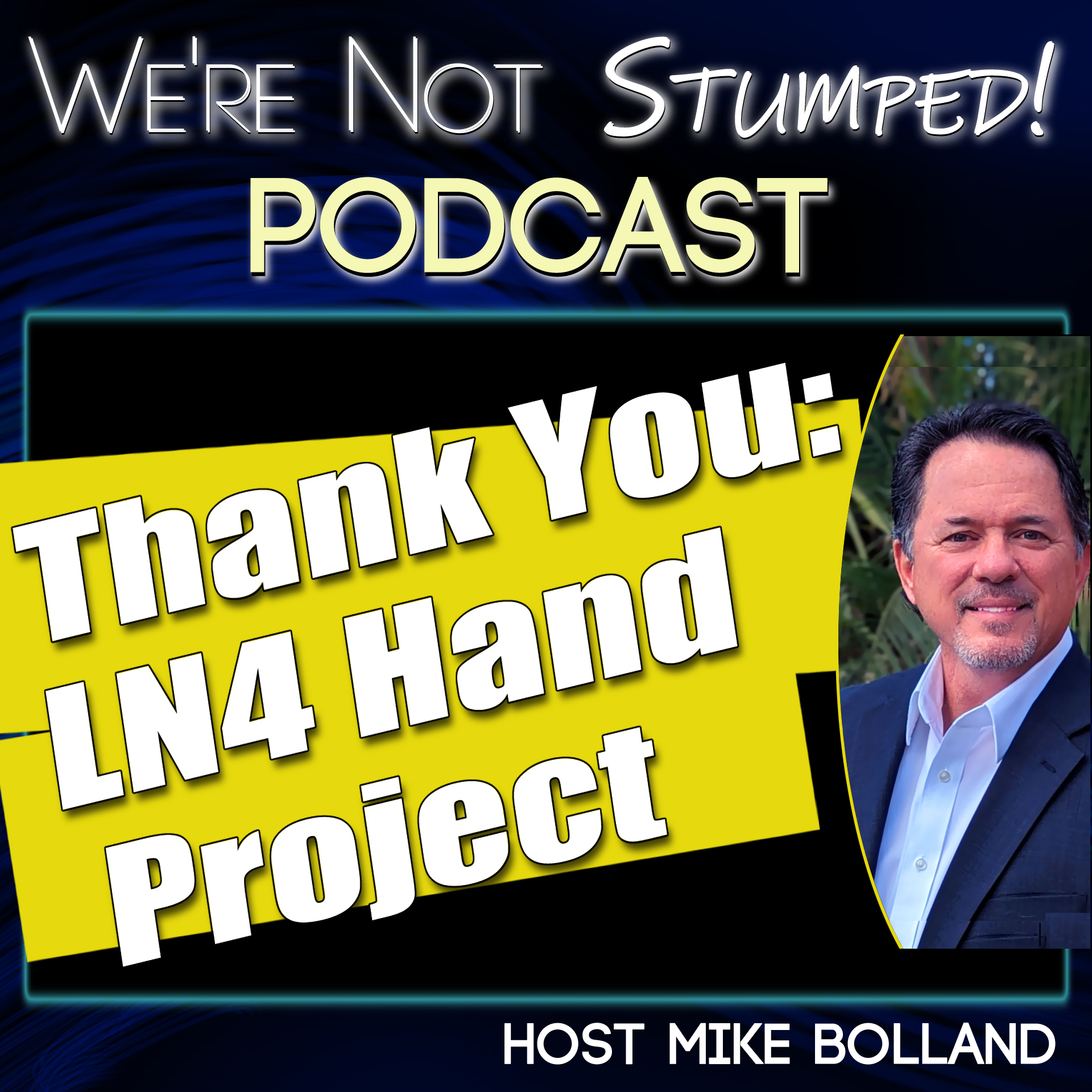
Sometimes, the biggest changes don't happen in a lab—they happen with a few carefully chosen words. In this episode of the We're Not Stumped podcast, I want to personally thank the LN-4 Hand Project (https://ln4handproject.org/) for updating its mission statement to better reflect the entire upper limb limb loss community. For many years, organizations have understandably focused on a specific group of individuals. But recognizing and including everyone living with upper limb loss and limb difference sends a powerful message: you belong, your story matters, and you are seen. As someone born without a right hand, this change means a great deal to me personally, and I believe it represents an important step toward greater inclusion across our community.
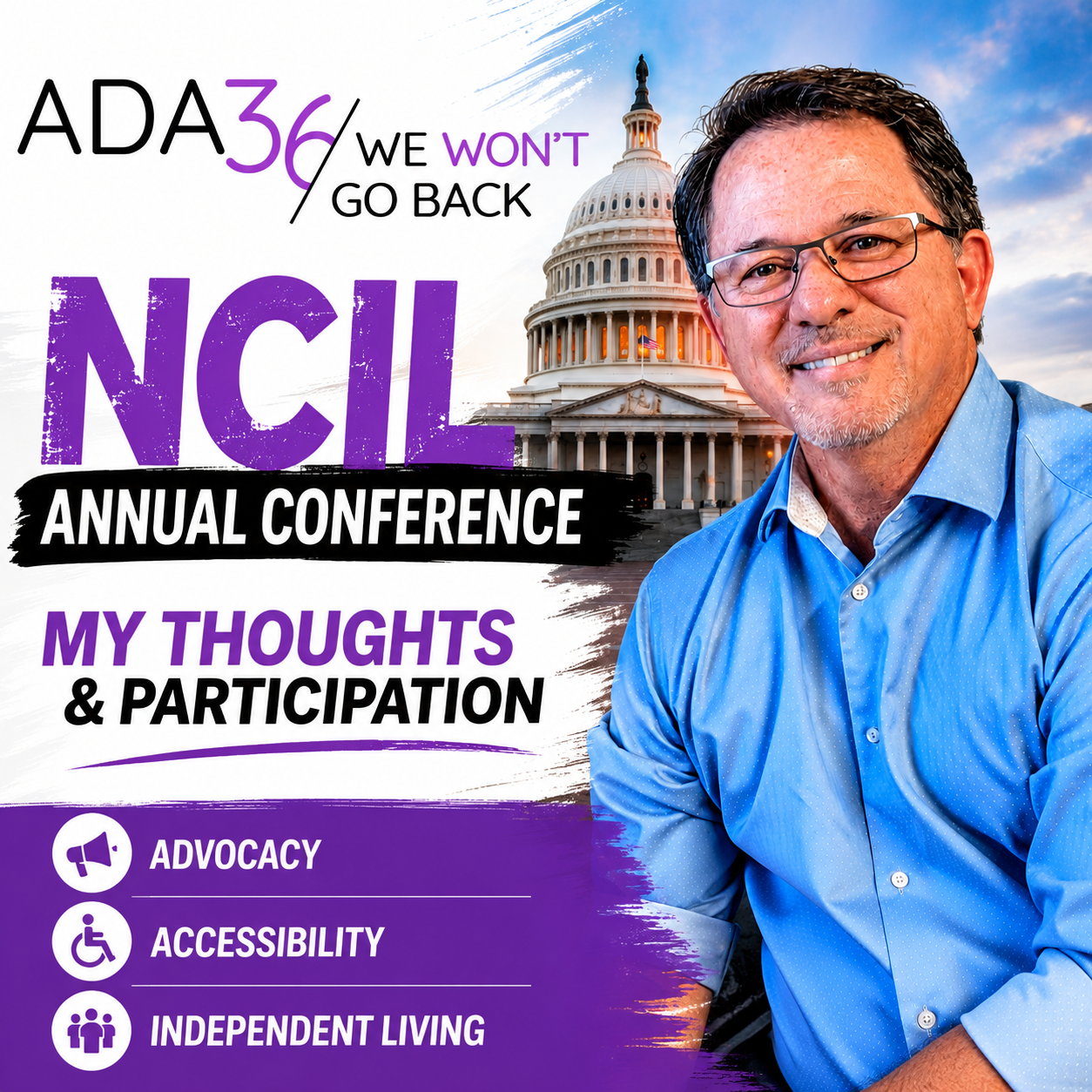
What happens when disability advocates from across the country come together to shape the future of independent living and accessibility? In this solo episode of We're Not Stumped, I share my personal reflections after attending the National Council on Independent Living (NCIL) Annual Conference in Washington, D.C., where I represented Ability360 as a member of its Board of Directors. From celebrating ADA36: We Won't Go Back to hearing powerful stories from advocates, policymakers, and leaders in the disability community, the conference reinforced why protecting and advancing disability rights remains so important.
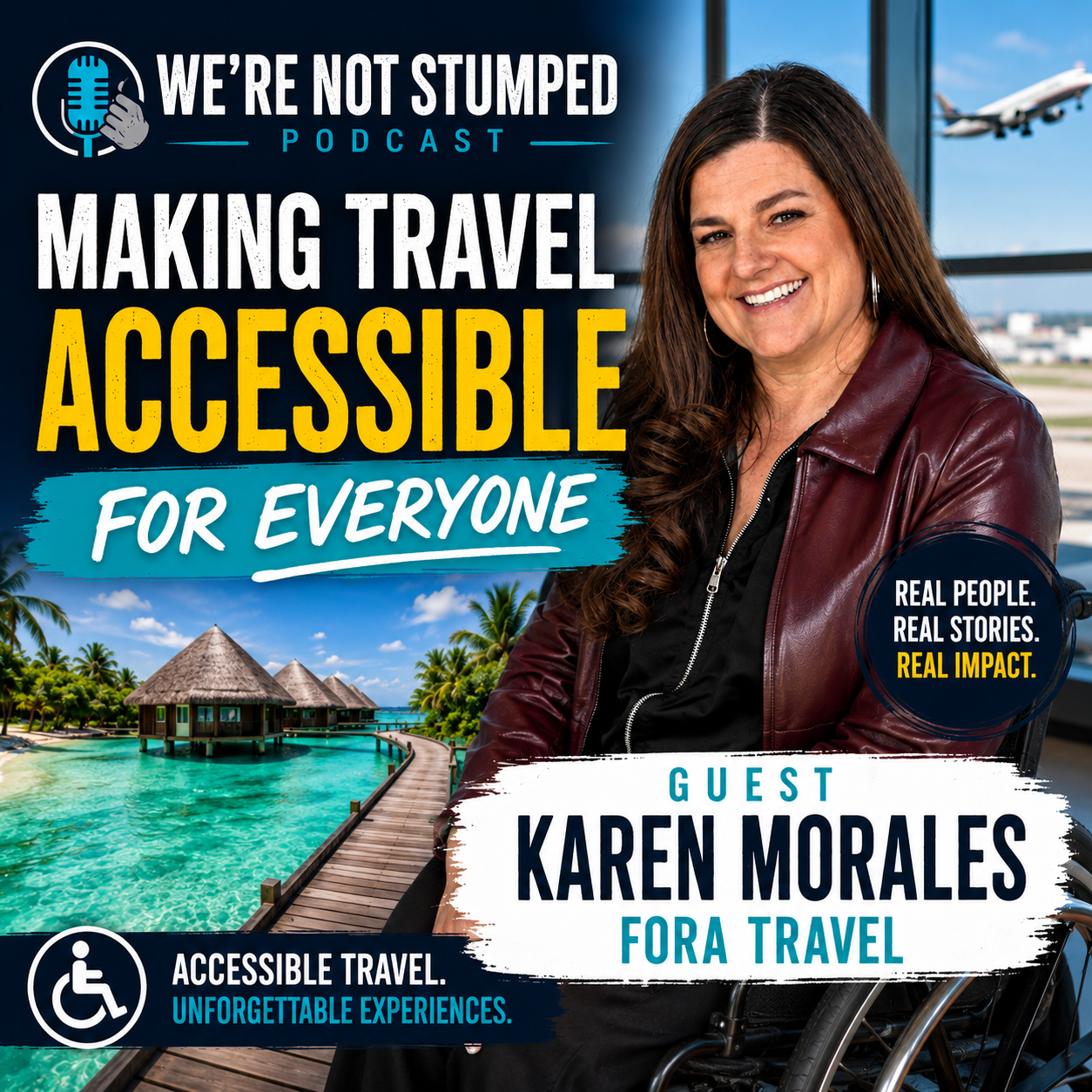
In this episode of We're Not Stumped, Mike Bolland sits down with Karen Morales, a wheelchair user and leader of Fora Travel's Accessibility Initiative, to discuss how the travel industry can become more inclusive for everyone. After becoming a wheelchair user in 2020, Karen quickly discovered that planning an accessible trip often meant endless phone calls, unanswered questions, and uncertainty about whether hotels, transportation, and attractions would truly meet her needs. Rather than accepting those challenges, she helped create an initiative that's training hundreds of travel advisors to better serve travelers with disabilities and other accessibility needs.