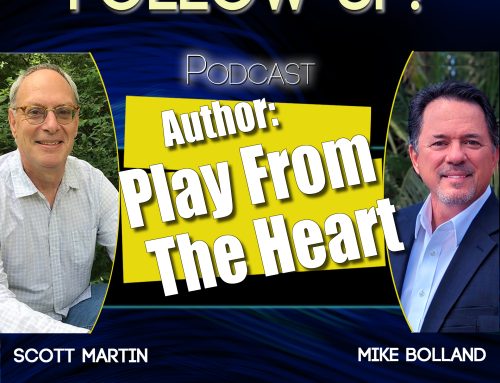
In this deeply moving episode of We’re Not Stumped, host Mike Bolland welcomes Scott Martin, a bilateral hand amputee, soccer coach, and author of the upcoming memoir Play From Your Heart. Scott opens up about the life-altering infection in 1993 that led to the loss of both hands and parts of his feet, and the emotional aftermath that followed. He speaks honestly about denial, detachment, and the five-year struggle with depression that tested his identity, confidence, and purpose.
Despite unimaginable challenges, Scott refused to step away from the game he loved. He continued coaching soccer using adaptive equipment, determination, humor, and grit—doing everything he could to show up for his players while still processing his trauma internally. Eventually, his journey intersected with advanced prosthetics research, leading him to Johns Hopkins to test cutting-edge myoelectric prosthetic technology. Scott offers powerful insight into what works, what doesn’t, and why technology must always stay grounded in real human needs.
Scott also shares the emotional turning points that helped him heal, including his mother’s unwavering encouragement and the mindset shift that allowed him to rebuild his life. His story eventually led him back to the soccer field, where he coached a youth team to a state championship and rediscovered purpose, leadership, and community. That experience inspired his book, Play From Your Heart, which speaks to the disability community, the soccer world, and anyone who has ever had to rebuild life after loss.
This conversation is about resilience, identity, mental health, disability advocacy, and what it truly means to adapt and keep moving forward. Scott reminds us that healing takes time, purpose can look different than we imagined, and strength often shows up when we need it most.
If you’re part of the amputee or limb difference community, a caregiver, an athlete, or someone navigating your own life challenges, Scott Martin’s story will stay with you long after you listen.
Listen on Apple Podcasts
Watch on YouTube
Listen on Spotify
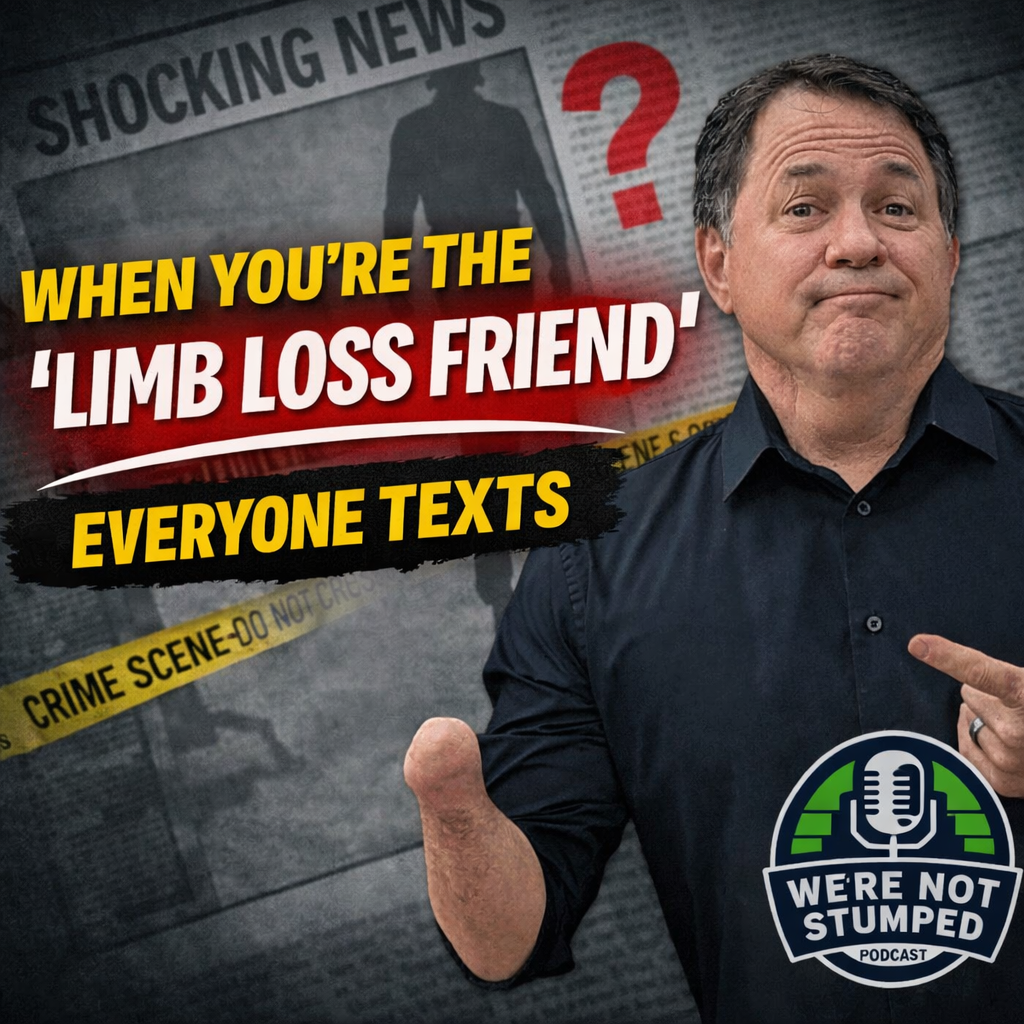
What happens when a story about limb loss hits the news—and suddenly everyone you know is texting you about it? If you’re part of the limb loss community, you already know. In this solo episode of We’re Not Stumped, host Mike Bolland dives into the experience of being “the limb loss friend”—the person others turn to when they don’t fully understand what they’re seeing but want to connect.
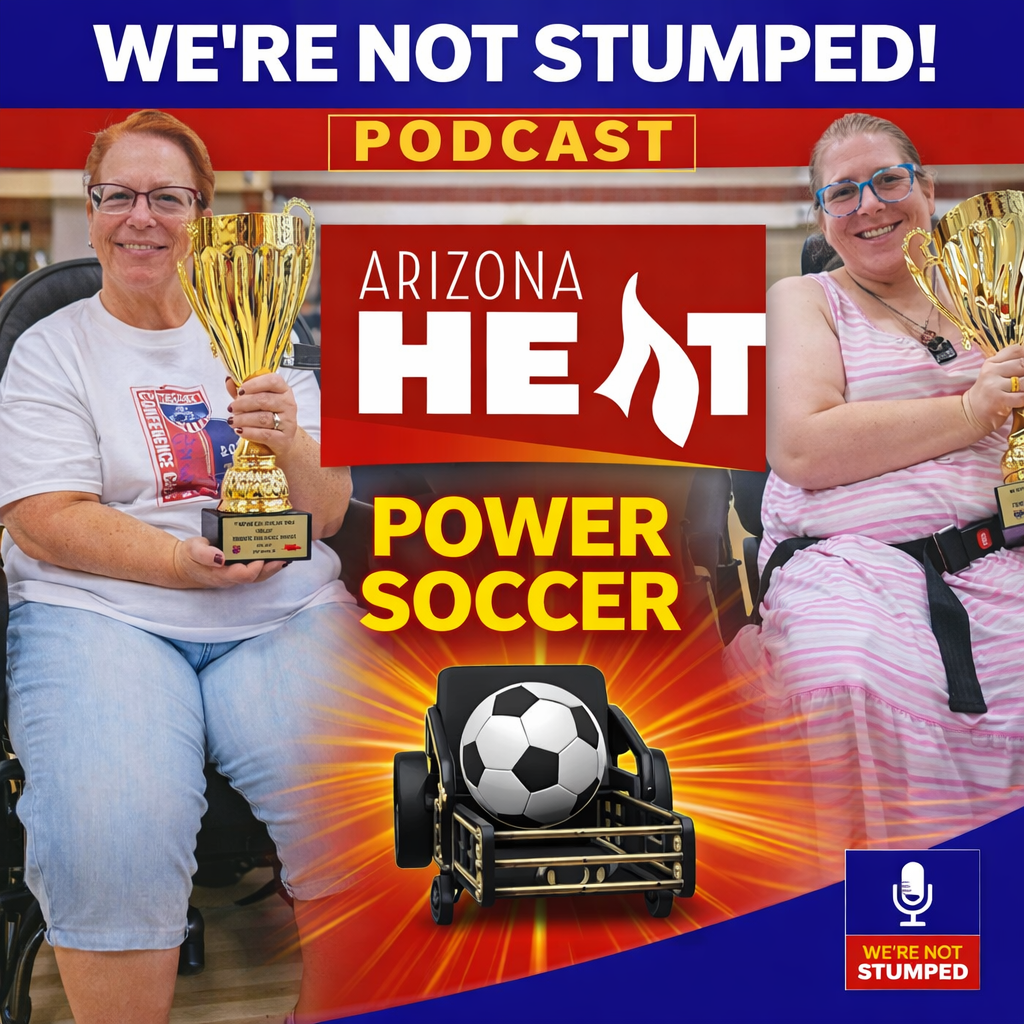
Stacy and Courtney Walker are proving that teamwork knows no limits. As the only known mother-daughter duo in wheelchair power soccer, they proudly represent Arizona Heat Power Soccer—competing, training, and pushing boundaries together on and off the court. Their journey is about more than just the game. It’s about resilience, family, and the power of adaptive sports to change lives. On this episode of We’re Not Stumped, host Mike Bolland sits down with Stacy and Courtney to share their story—how they got involved in power soccer, what it’s like competing side by side, and what being part of Arizona Heat Power Soccer truly means. Now, they’re working toward their next big goal: competing at Power Soccer Nationals.
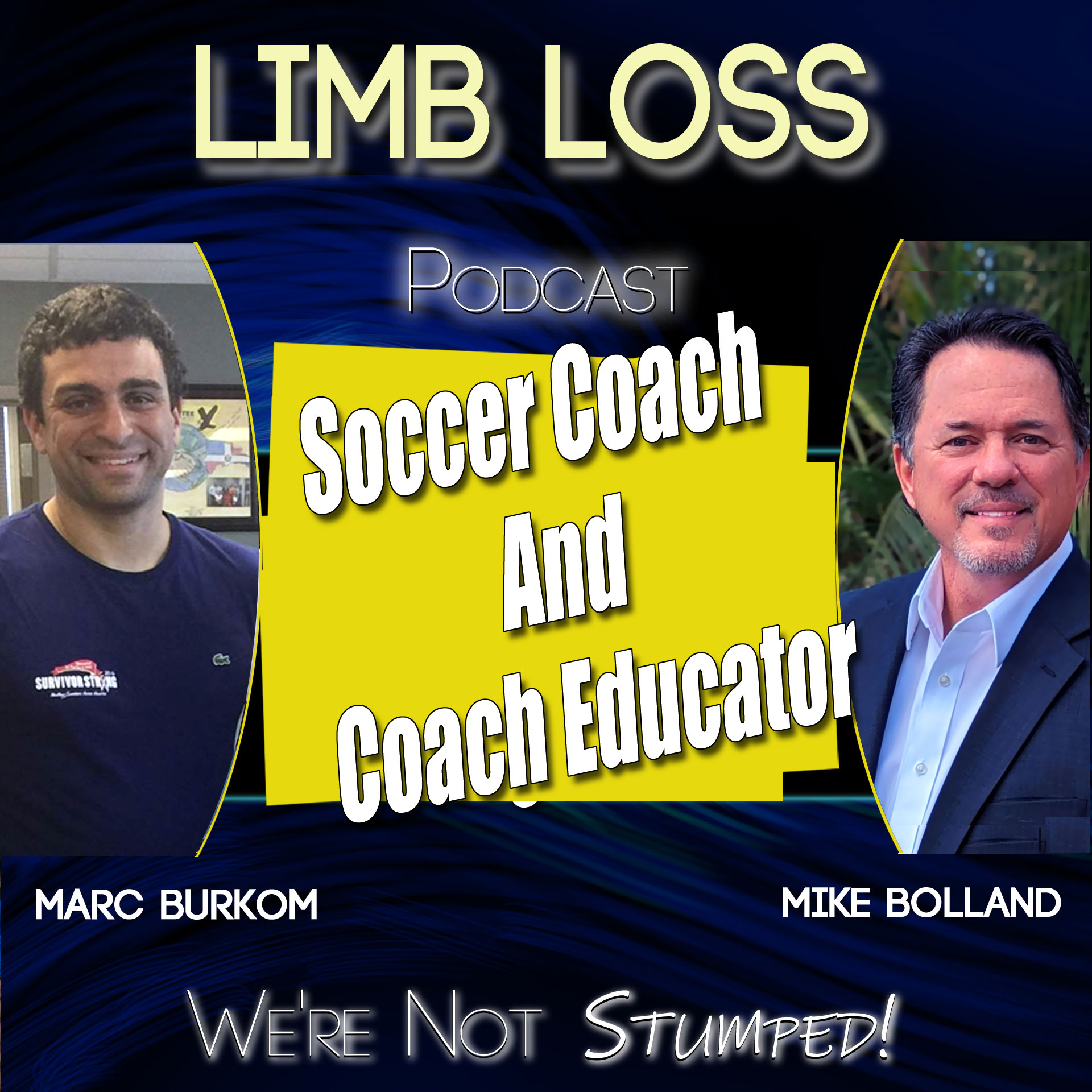
What does it take to turn a life challenge into a lifelong passion for sports and coaching? On this episode of We're Not Stumped, host Mike Bolland talks with Marc Burkom, a double below-knee amputee born with fibular hemimelia who has built a life around athletics, coaching, and helping others reach their potential. Marc shares how his parents made the difficult decision to amputate his feet when he was just two months old — a choice that allowed him to grow up active in sports like soccer, baseball, and basketball. Today, Marc works in coaching education and advocates for expanding opportunities for adaptive and amputee athletes. In this conversation, Marc and Mike discuss growing up with prosthetics, the role sports played in building confidence, coaching amputee soccer, adaptive sports like amputee basketball, and how prosthetic technology has evolved over the years.