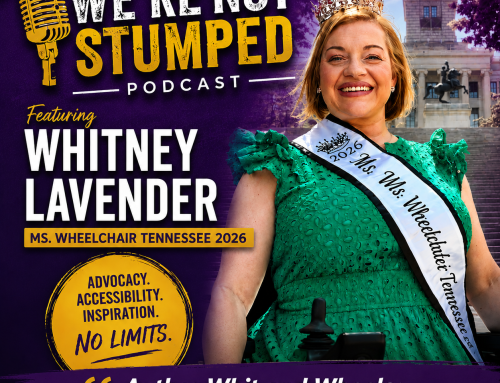
In this deeply moving episode of We’re Not Stumped, host Mike Bolland welcomes Scott Martin, a bilateral hand amputee, soccer coach, and author of the upcoming memoir Play From Your Heart. Scott opens up about the life-altering infection in 1993 that led to the loss of both hands and parts of his feet, and the emotional aftermath that followed. He speaks honestly about denial, detachment, and the five-year struggle with depression that tested his identity, confidence, and purpose.
Despite unimaginable challenges, Scott refused to step away from the game he loved. He continued coaching soccer using adaptive equipment, determination, humor, and grit—doing everything he could to show up for his players while still processing his trauma internally. Eventually, his journey intersected with advanced prosthetics research, leading him to Johns Hopkins to test cutting-edge myoelectric prosthetic technology. Scott offers powerful insight into what works, what doesn’t, and why technology must always stay grounded in real human needs.
Scott also shares the emotional turning points that helped him heal, including his mother’s unwavering encouragement and the mindset shift that allowed him to rebuild his life. His story eventually led him back to the soccer field, where he coached a youth team to a state championship and rediscovered purpose, leadership, and community. That experience inspired his book, Play From Your Heart, which speaks to the disability community, the soccer world, and anyone who has ever had to rebuild life after loss.
This conversation is about resilience, identity, mental health, disability advocacy, and what it truly means to adapt and keep moving forward. Scott reminds us that healing takes time, purpose can look different than we imagined, and strength often shows up when we need it most.
If you’re part of the amputee or limb difference community, a caregiver, an athlete, or someone navigating your own life challenges, Scott Martin’s story will stay with you long after you listen.
Listen on Apple Podcasts
Watch on YouTube
Listen on Spotify
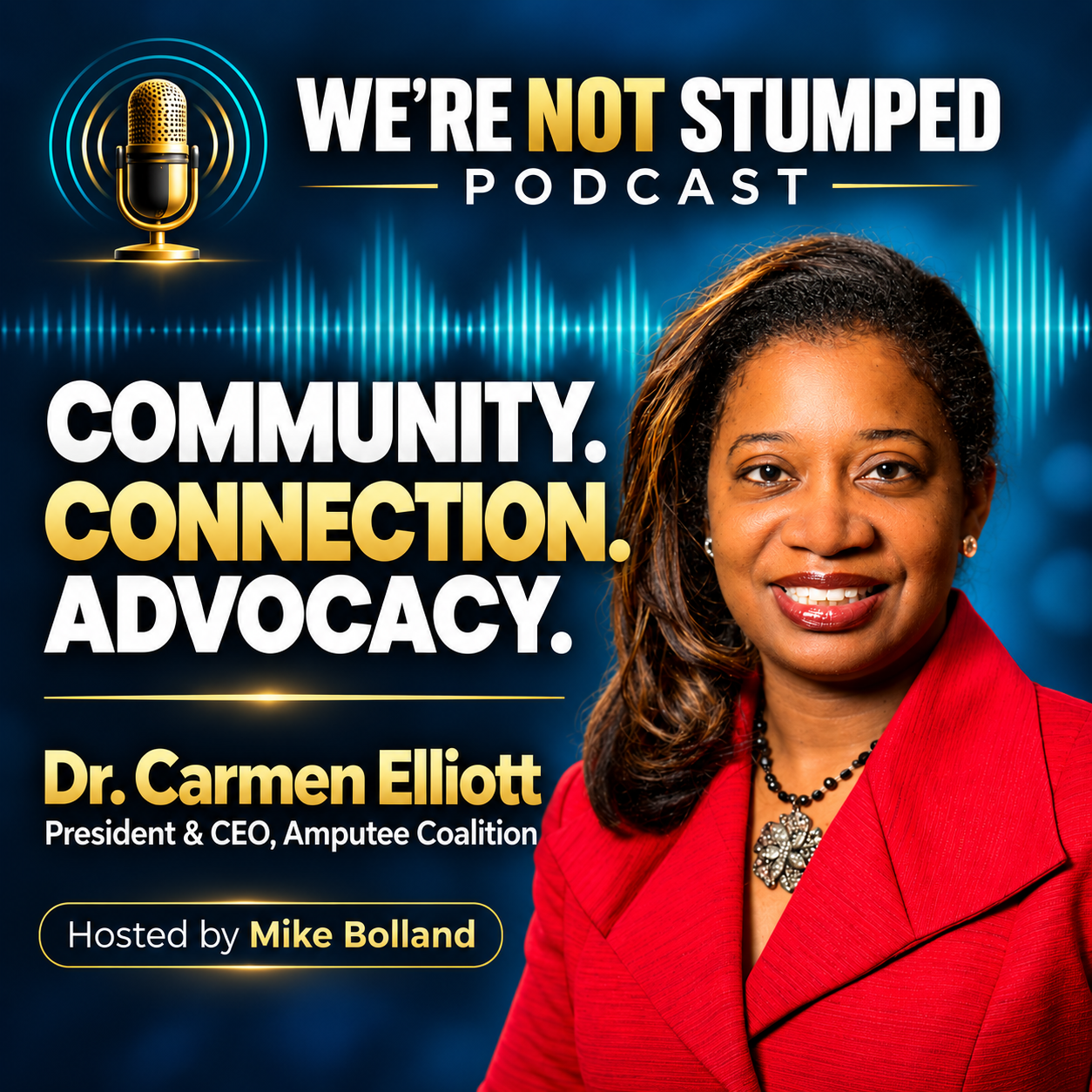
Dr. Carmen Elliott, the new President and CEO of the Amputee Coalition, joins Mike Bolland for a conversation about community, advocacy, and helping people with limb loss and limb difference find the support they need. Carmen shares how her family’s experiences with healthcare access and limb loss shaped her commitment to this work. Together, they explore the value of peer support, access to prosthetics, and including families and caregivers in the conversation. They also discuss support groups, certified peer visitors, AC Connect, and the upcoming “Fireside Connections” conference.
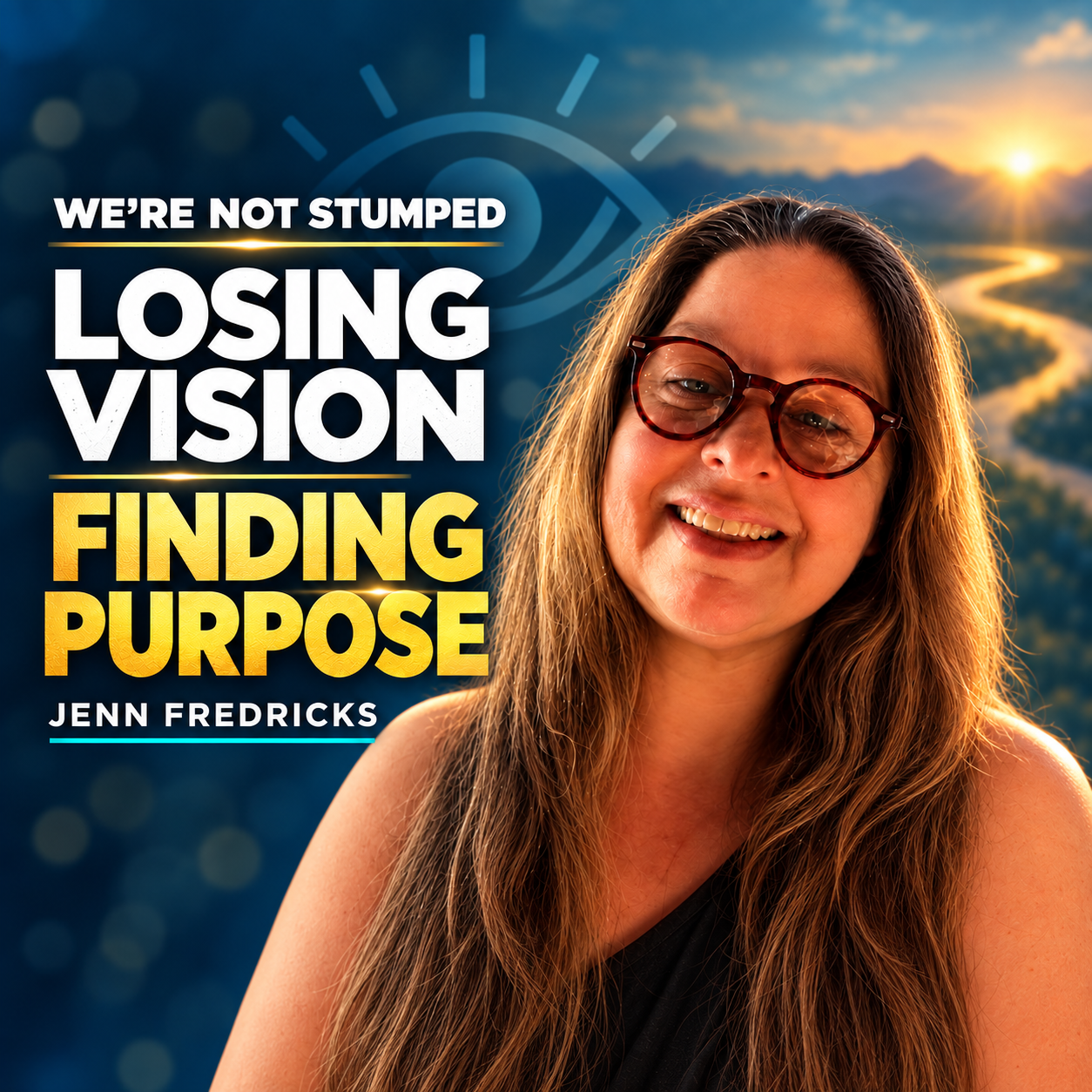
How do you move forward when vision loss changes your career, independence, and plans for the future? In this episode of We’re Not Stumped, Mike Bolland speaks with Jennifer Frederick about living with permanent vision loss and learning to advocate for herself along the way. Jennifer explains how changes in her vision eventually forced her to leave a career in crisis management. She also discusses the challenges she now faces while looking for work, including interview practices that have left her questioning whether she is being treated fairly as a person with a disability. The conversation explores Jenn’s decision not to undergo surgery for her detached retinas, the importance of seeking medical attention when your vision changes, and the need to take ownership of your healthcare.
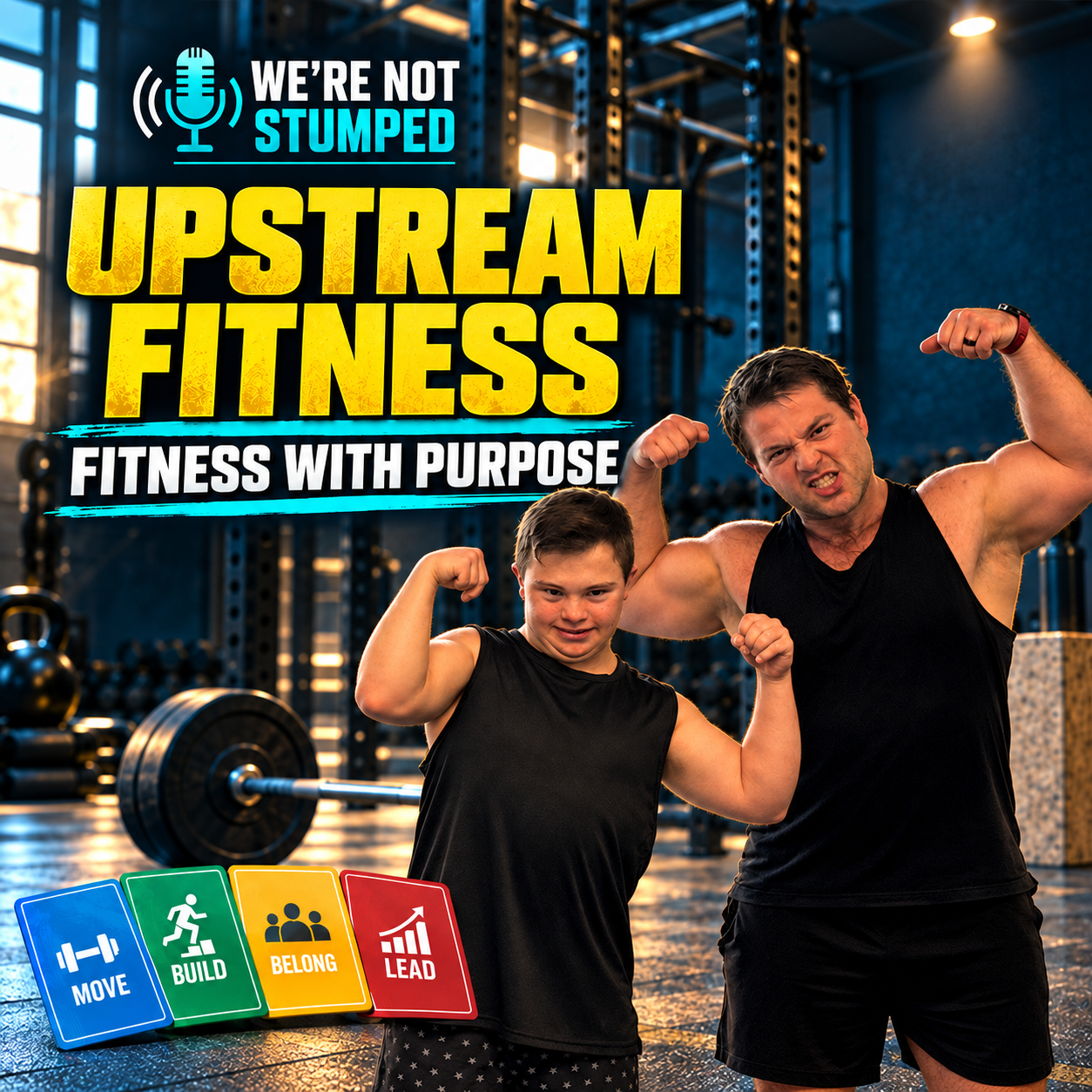
What happens when we stop deciding what someone is capable of—and give them the opportunity to lead? In this episode of We’re Not Stumped, Mike Bolland speaks with Nathan Kennedy of Upstream Fitness, Chris Kocurek, and Chris’s son, Coach Cameron “Coach Cam” Kocurek. Cameron, who has Down syndrome, began gymnastics as a child and went on to compete through Special Olympics and unified gymnastics. Today, he is using the confidence and skills he developed as an athlete to help coach others at Upstream Fitness. Nathan explains how Upstream Fitness uses movement, games, coaching cards, and step-by-step instruction to make exercise accessible for people with intellectual and developmental disabilities. Chris shares Cameron’s journey from athlete to assistant PE coach—and now toward meaningful employment and greater independence.