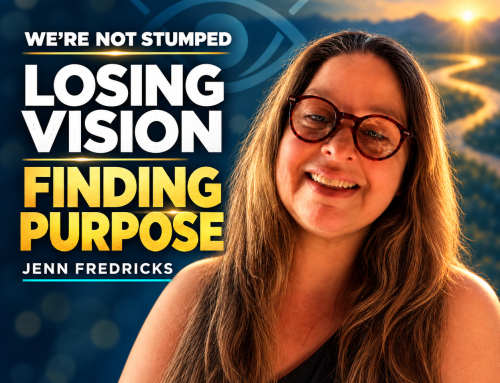
⭐ Topic #1: Are you thinking about starting your own podcast but not sure where to begin?
So many people reach out asking how to get started. And while podcasting isn’t terribly difficult, those first few episodes can feel time-consuming and a bit overwhelming.
Here’s an easier way to try it out: 👉 Come guest-host a solo episode of We’re Not Stumped and share your personal story.
These are single-person episodes — no guests allowed — giving you the space to speak openly and authentically. Episodes are 10–15 minutes long, making this a simple, low-pressure introduction to podcasting. All you need to do is record on your own device (yes, your phone works great) and tell your story or share insights from your experience. I’ll handle the intro and outro, along with all final edits, to ensure the episode matches the tone and quality of the show.
⭐ Important Note Final go-live decisions are solely at the discretion of Mike Bolland and the We’re Not Stumped podcast.
Topics must stay within the limb loss or disabled communities, including:
- Personal stories from individuals with limb loss or limb differences
- Experiences or insights from living with a disability
- Stories from disability advocates or support communities
- Perspectives from prosthetists, clinicians, and innovators serving these communities
If you want to test-drive podcasting — while inspiring and uplifting others — this is the perfect opportunity.
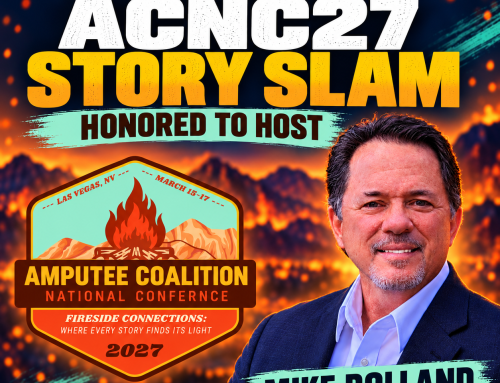
⭐ Topic Update #2: Am I Attending the Amputee Coalition Event?
Short answer: No, I’m not. In this video, I share a quick update about why I won’t be attending the Amputee Coalition event this year.
📩 Interested in hosting a solo episode and sharing your story? Reach out!
Listen on Apple Podcasts
Watch on YouTube
Listen on Spotify
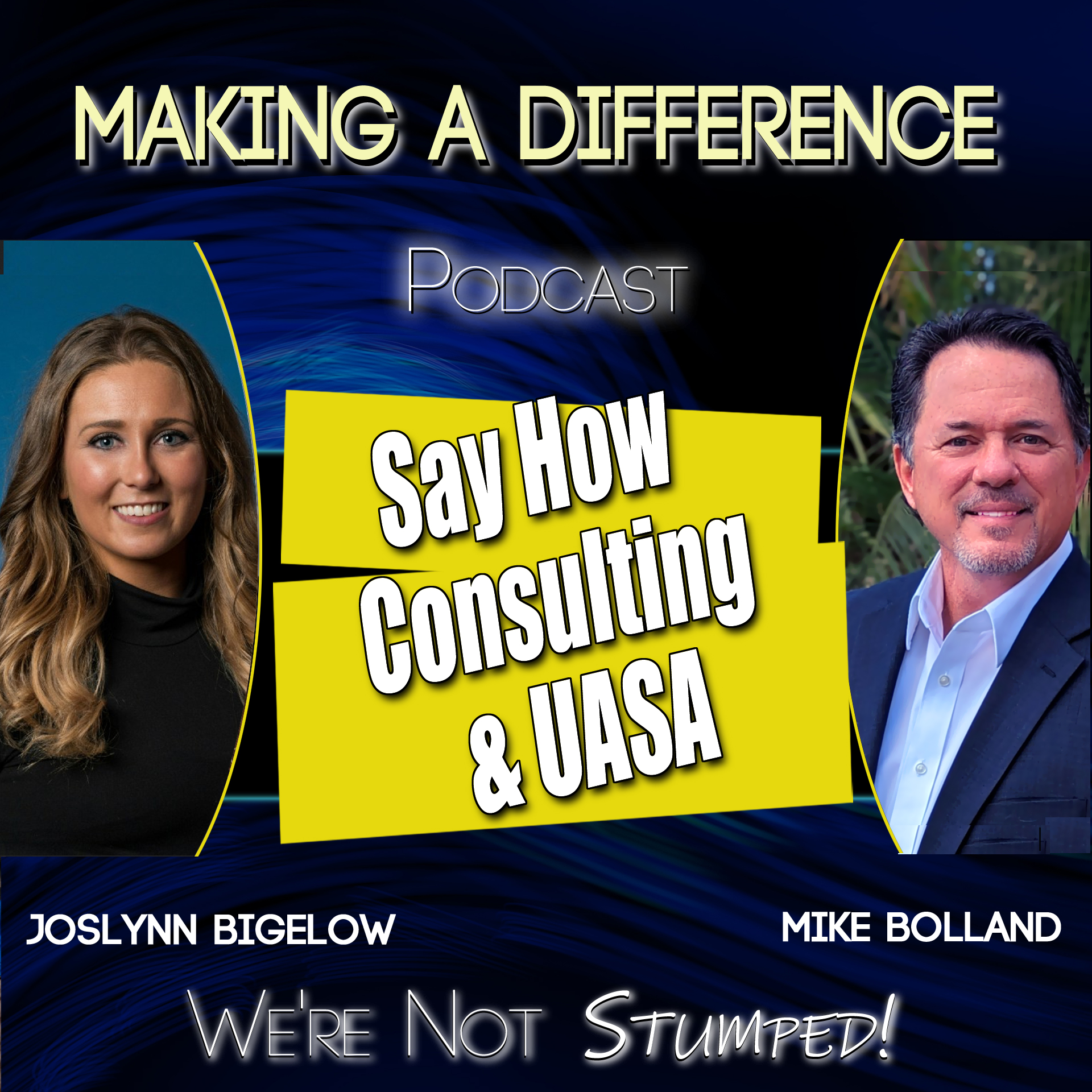
In this episode of We’re Not Stumped, host Mike Bolland sits down with Joslynn Bigelow, founder and CEO of Say How Consulting, for a powerful conversation on disability advocacy, system navigation, and the importance of dignity of risk. Joslynn shares her personal journey into advocacy, the launch of her consulting business, and her five guiding principles for creating inclusive services: dignity of risk, individual readiness, assess and address, authentic experience, and realistic opportunities. The discussion dives into: ✅ Why “say how” means finding solutions when systems say “no” ✅ The role of dignity of risk in fostering independence and inclusion ✅ The origins and growth of the United Adaptive Soccer Association (UASA) ✅ The challenges of advancing inclusion in adaptive sports ✅ The unique opportunities upcoming global sporting events offer for disability awareness
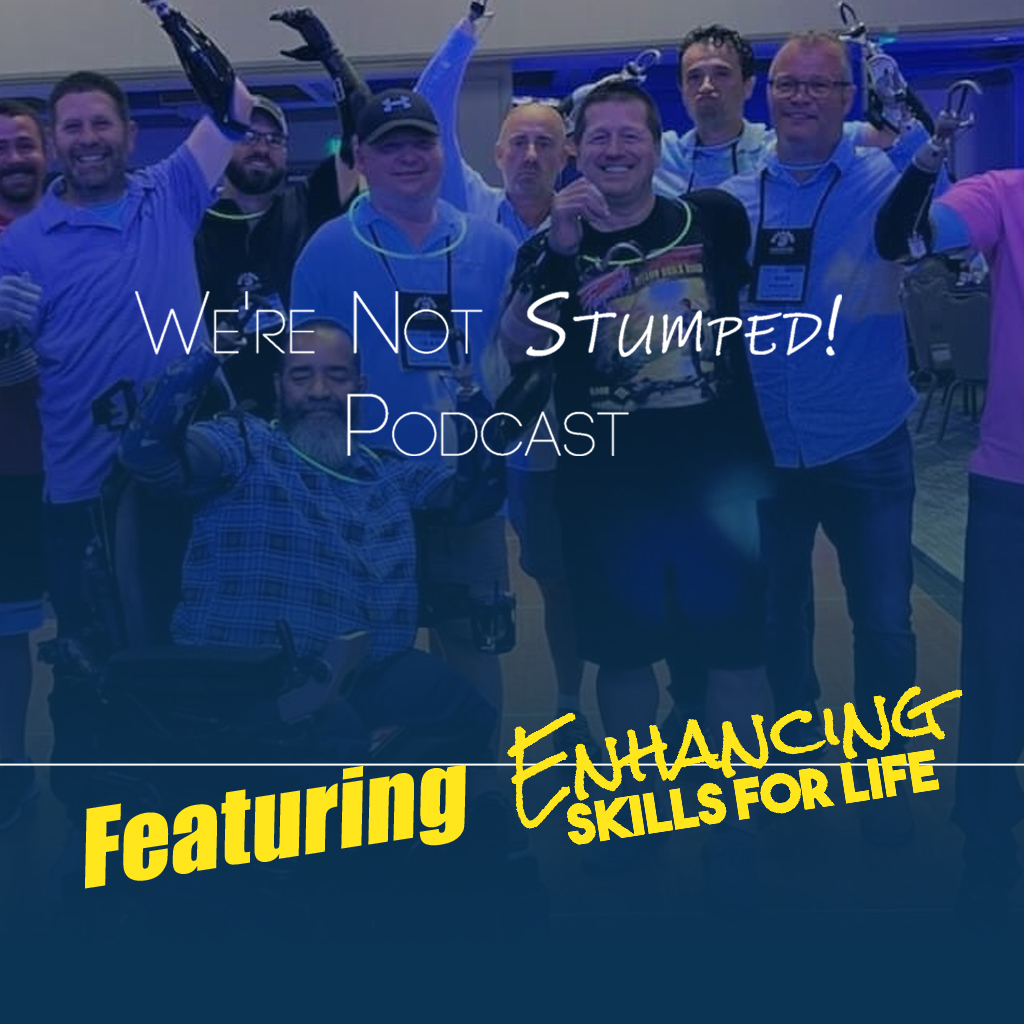
In this episode of We’re Not Stumped, host Mike Bolland sits down with Shawn Johnson, founder and executive director of Enhancing Skills for Life, and Mike St. Onge, board chairman and quadruple amputee, to explore the organization’s inspiring mission and impact. Shawn, an occupational therapist with nearly three decades of prosthetic and rehabilitation experience, shares how Enhancing Skills for Life grew from its first workshop in 2002 into a global community serving people living without both arms or all four limbs. Mike reflects on his personal journey as a quadruple amputee, highlighting the strength of peer support and empowerment in rebuilding independence. Discover how this nonprofit is transforming lives through: ✅ Workshops and skill-building events ✅ Adaptive equipment resources like the “Hands-Free Catalog” ✅ Scholarships, mentorship, and international participation ✅ Exciting future collaborations and upcoming workshops Whether you’re part of the limb loss community or simply inspired by stories of resilience and hope, this conversation is packed with insight and heart.
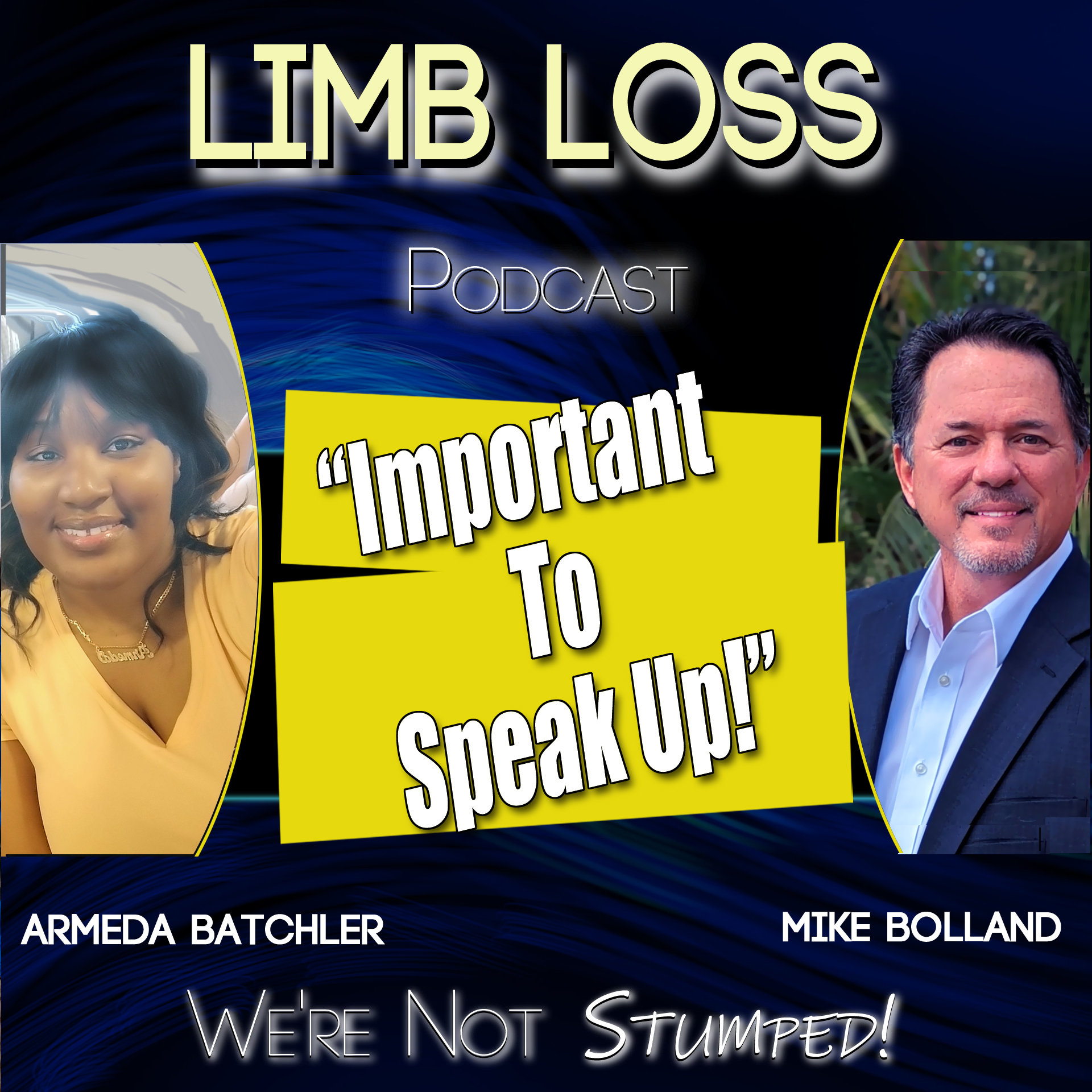
In 2013, Armeda Batchler made the life-altering decision to amputate her left leg above the knee after being diagnosed with osteosarcoma—just months after becoming a new mother. Determined to push forward, she balanced recovery, parenting, and work with remarkable strength. Yet behind the resilience, Armeda faced hidden struggles: depression, isolation, and the difficulty of asking for help. Over time, she discovered the healing power of connection, rebuilding a local amputee support group and embracing advocacy to support others walking a similar path. In this heartfelt conversation, Armeda opens up about her cancer journey, the challenges of raising her daughter while adapting to limb loss, and how hope and community helped her transform struggle into purpose.