
Episodes of the We’re Not Stumped Podcast
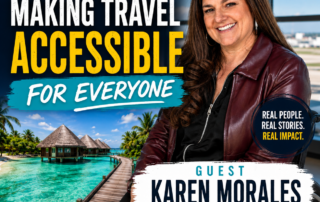
What if the biggest barrier to travel isn’t your disability—but the uncertainty?
In this episode of We're Not Stumped, Mike Bolland sits down with Karen Morales, a wheelchair user and leader of Fora Travel's Accessibility Initiative, to discuss how the travel industry can become more inclusive for everyone. After becoming a wheelchair user in 2020, Karen quickly discovered that planning an accessible trip often meant endless phone calls, unanswered questions, and uncertainty about whether hotels, transportation, and attractions would truly meet her needs. Rather than accepting those challenges, she helped create an initiative that's training hundreds of travel advisors to better serve travelers with disabilities and other accessibility needs.
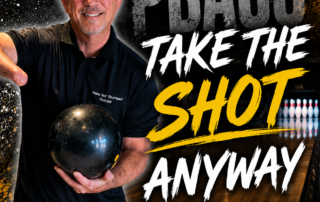
What if success isn’t measured by where you finish—but by having the courage to start?
What if success isn't measured by where you finish—but by having the courage to start? After more than 35 years away from professional bowling, I returned to compete in the PBA60 World Series of Bowling at age 61. I knew the odds weren't in my favor. My body had changed. The equipment had changed. The competition had changed. But this episode isn't really about bowling. It's about the voice inside all of us that says we're too old, too late, or not good enough to chase something that matters. In this solo episode of We're Not Stumped, I share the emotions behind my comeback, the challenges I faced on the lanes, and the unexpected lesson that came from finishing far below where I had hoped. That lesson became a phrase I can't stop thinking about: Take the Shot Anyway. Because you don't need the perfect hand. You just need the courage to use the one you've been dealt.
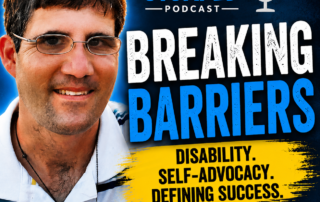
How Denny Burke Turned Adversity into Advocacy
What happens when people underestimate your potential your entire life—and you refuse to let them define your future? In this episode of the We're Not Stumped podcast, I sit down with Denny Burke, a licensed master social worker, disability advocate, and speaker who has spent his life proving that disability does not determine what someone can achieve. Growing up legally blind and facing additional disabilities, Denny endured bullying, low expectations, and barriers that could have shaped the rest of his life. Instead, with the encouragement of mentors and his own determination, he became the first person in his immediate family to graduate from college and is now dedicated to helping others find their voice through self-advocacy and social work.
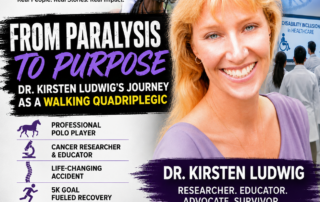
From Paralysis to Purpose: Dr. Kirsten Ludwig’s Journey as a Walking Quadriplegic
What happens when a life-changing accident forces you to redefine everything you thought was possible? On this episode of the We're Not Stumped podcast, I sit down with Dr. Kirsten Ludwig—a biomedical researcher, educator, former professional polo player, and advocate for disability inclusion in healthcare. In 2021, Dr. Ludwig was paralyzed from the neck down during a horseback riding accident. Through determination, rehabilitation, and an incredible commitment to recovery, she became what she describes as a walking quadriplegic. Today, she combines her lived experience with her work as an Associate Professor of Biomedical Science at the Kaiser Permanente Bernard J. Tyson School of Medicine, helping educate future physicians about disability, accessibility, and patient-centered care.
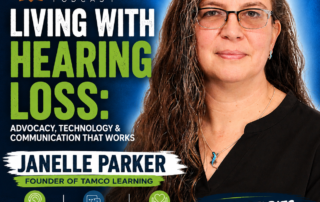
Living With Hearing Loss: Janelle Parker on Advocacy, Technology, and Communication
What is it really like to live with hearing loss? . In this episode of the We're Not Stumped Podcast, Mike Bolland sits down with Janelle Parker, founder of TAMCO Learning, to discuss her lifelong journey with hearing loss and the lessons she's learned along the way. Janelle shares how she was born with a unique "cookie bite" hearing loss, received her first hearing aid before age four, and adapted to life in a world designed for hearing people. She also discusses the dramatic evolution of hearing aid technology, assistive devices, and accessibility tools that have transformed opportunities for people with hearing loss. Whether you're living with hearing loss, supporting a loved one, or simply interested in learning more about accessibility and communication, this episode offers practical advice, inspiration, and valuable perspective.
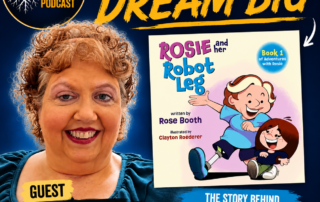
Rose Booth Returns: From 14 Surgeries to “Rosie and Her Robot Leg”
Three years after her first appearance on We're Not Stumped, Rose Booth returns to the podcast to share an extraordinary journey of resilience, faith, and new beginnings. After enduring 14 surgeries, multiple episodes of sepsis, a heart attack, and the loss of her right leg above the knee, Rose found herself on a path she never expected. A former technology executive, she left corporate America behind and discovered a passion for writing and ministry. In this episode, Rose discusses her memoir Dancing in the Valley and the inspiration behind her new children's book, Rosie and Her Robot Leg. Inspired by the children she serves through Vacation Bible School and the questions they asked during her recovery, Rose created a story designed to help children, parents, and teachers better understand limb loss and disability.