
In this episode on the We’re Not Stumped podcast, I’m honored to have Elysia Everett, founder and CEO of Friendly Like Me.
Friendly Like Me is an innovative app dedicated to finding and reviewing accessible places. Its mission is to enhance accessibility in public spaces and make it easier for everyone to discover accessible locations, ensuring more people can participate in various activities without hindrance.
Access to accurate accessibility information is vital for full participation in society. Unfortunately, such information is often scarce, subjective, and difficult to find. This lack of reliable data frequently prevents individuals from engaging in activities they would otherwise enjoy, including visiting size-friendly and accessible businesses across the United States. Friendly Like Me is committed to changing this, benefiting everyone.
Through collaboration with reviewers, advocates, and business owners, Friendly Like Me strives to create more welcoming and accessible places. The platform facilitates interaction between people and businesses about specific accommodations needed to attract customers who prioritize accessibility. It’s worth noting that US adults with disabilities, including many individuals of higher weights, represent the third-largest market segment in the country. According to the American Institute for Research, the discretionary income for working-age persons with disabilities is $21 billion.
Businesses can claim their listings on Friendly Like Me to inform patrons about their amenities and any limitations. Transparency is key—it’s very friendly to let people know in advance if they cannot accommodate them. Friendly Like Me’s reviews focus on the presence or absence of specific accommodations, reducing the subjectivity often found in star-based review systems.
Links:
Friendly Like Me Website: https://www.friendlylikeme.com/
#accessible #accessibleliving #accessibleeducation #accessibility #accessibilityawareness
Listen on Apple Podcasts
Watch on YouTube
Listen on Spotify
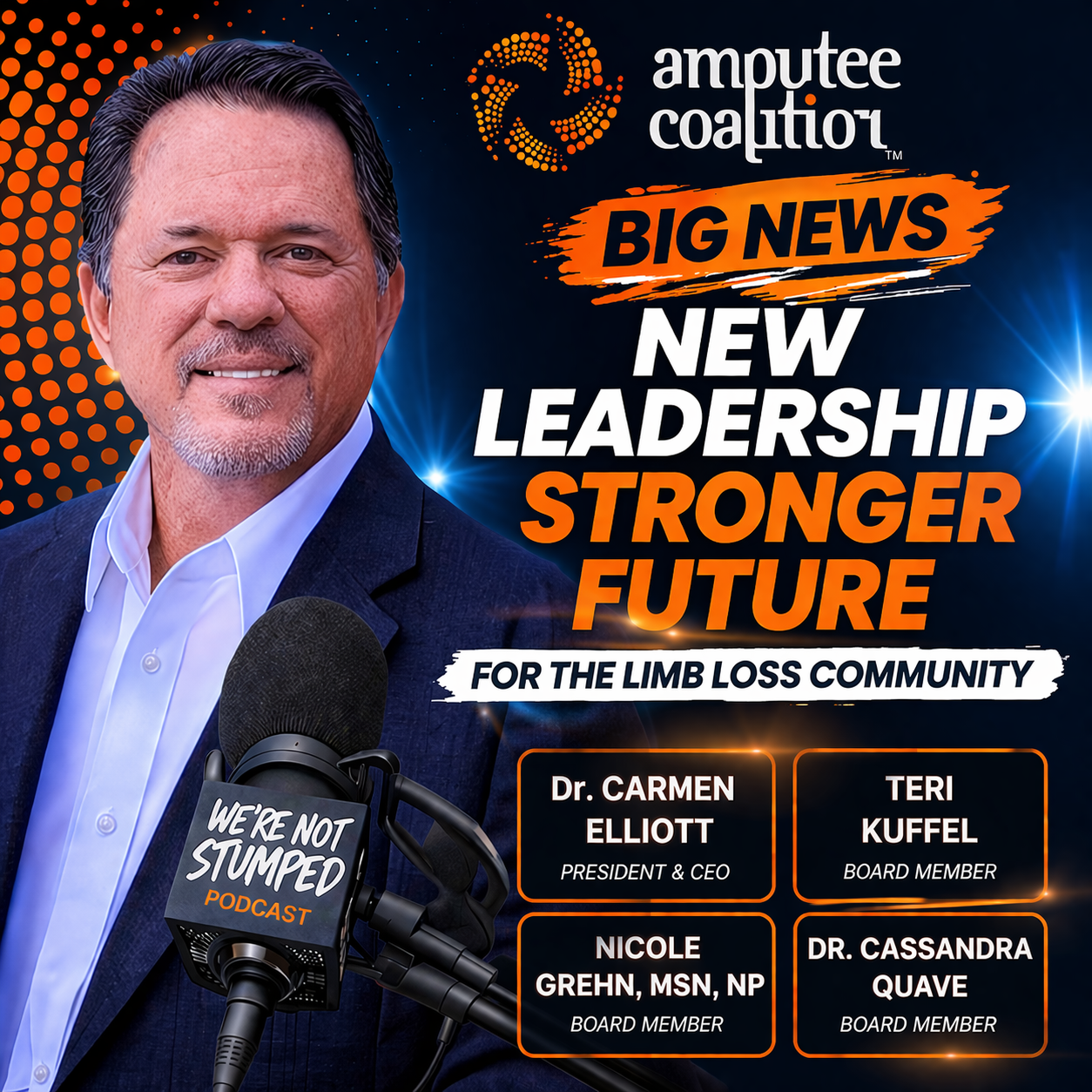
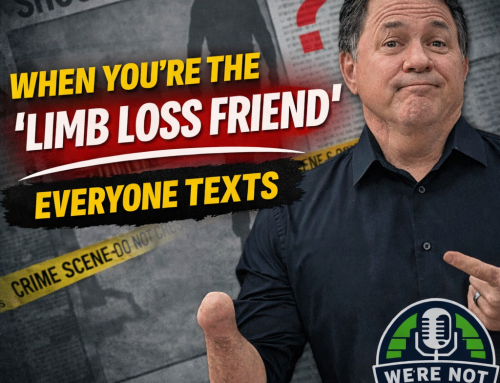
What do the new leadership changes at the Amputee Coalition mean for the limb loss community? In this episode of We’re Not Stumped, host Mike Bolland breaks down the latest updates, including the appointment of Dr. Carmen Elliott as President & CEO and the addition of new Board Members: Teri Kuffel Nicole Grehn, MSN, NP Dr. Cassandra Quave With backgrounds in healthcare, policy, research, and lived experience, this new leadership team brings a wide range of perspectives that could shape the future of care, advocacy, and support for people living with limb loss and limb difference.
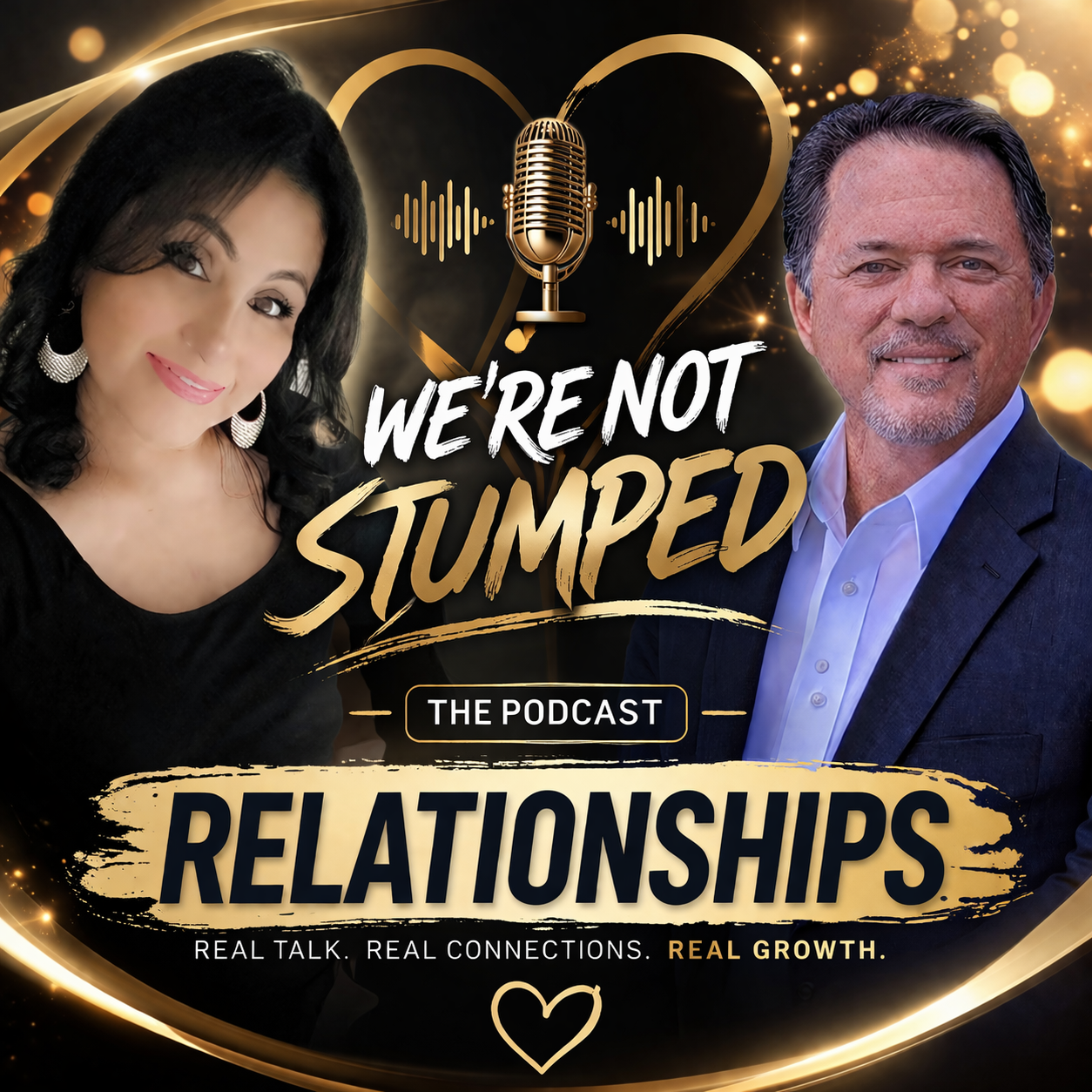
What is dating really like after limb loss? In this powerful episode of We’re Not Stumped, host Mike Bolland sits down with Neomi Flores to talk about relationships, confidence, and the realities of dating as an amputee. Neomi shares her deeply personal journey after losing her leg in 2022—including the emotional recovery, navigating self-confidence, and the challenges of putting herself back out there in the dating world.
What does real support look like in the limb loss community? In this solo episode of We’re Not Stumped, Mike Bolland shares the missions behind Joe & Marie’s Helping Hands and Enable Review—a platform where amputees share real experiences about prosthetists and clinics to help others make more informed decisions. Plus, Joe & Marie’s Helping Hands is currently seeking board members (Treasurer, Secretary, and Social Media Manager). If you’ve been looking for a way to give back, this could be your opportunity. Learn more about Joe & Marie’s Helping Hands: https://joeandmariehelpinghands.org/joe-and-maries-helping-hands-mission/ Explore Enable Review: https://enablereview.com/our-mission/
Leave A Comment