
Episode 15 of Season Two of the We’re Not Stumped podcast features Penta Medical Recycling. My guests from this great organization are founder Henry Iseman, Deputy Director Anna Szczepanek and Director of Operations Mijamin Strong.
The organization was founded in 2016, when a group of university students established Penta Medical Recycling with a dual mission: to make affordable prosthetic care accessible in low- and middle-income countries while repurposing medical waste in the United States.
This initiative stemmed from the recognition that a staggering 85-95% of the world’s 100 million amputees lacked access to proper prosthetic care and equipment. Meanwhile, hundreds of thousands of still functional but slightly outdated prostheses were being replaced and discarded annually in the United States.
Penta discovered a solution to address both of these pressing issues simultaneously. By collecting and refurbishing used prosthetic and orthotic equipment in the United States, they could declutter private homes, ease the burden on clinics responsible for disposing of unusable devices, and, most importantly, restore the ability to walk, work, and thrive for amputees worldwide.
In 2018, Penta Medical Recycling was officially incorporated as a 501(c)(3) nonprofit organization. Since then, it has evolved into a global operation collaborating with government health agencies, both private and public healthcare institutions, and various nonprofit organizations, both within the United States and internationally. Penta’s operations have expanded to encompass 16 different countries across six regions worldwide.
Links:
Penta Medical Recycling Website: https://pentaprosthetics.org
Penta Medical Recycling Facebook: https://www.facebook.com/penta.medical.recycling/
Penta Medical Recycling Instagram: https://www.instagram.com/penta.medical.recycling/
Penta Medical Recycling LinkedIn: https://www.linkedin.com/company/penta-medical-recycling/
#amputee #amputeelife #amputeestrong #prosthetics #prostheticleg #amplife #amputation #limbloss #amputees #adaptiveathlete #disability #amputeefitness #prosthetic #prosthesis #disabled #adaptive #iamadaptive #amputeelifestyle #oneleg #amputados #bionic #inspiration
Watch on YouTube
Listen on Spotify
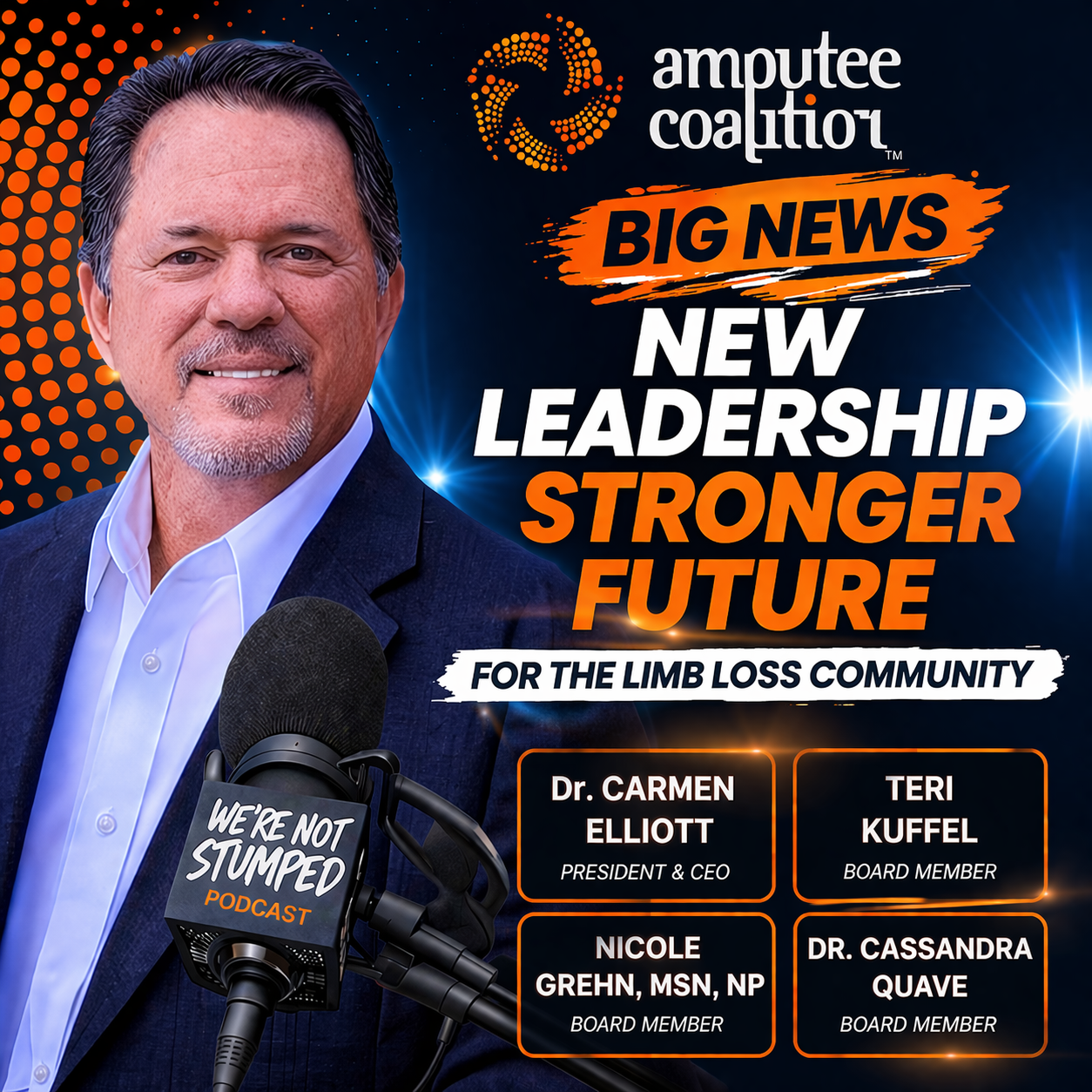
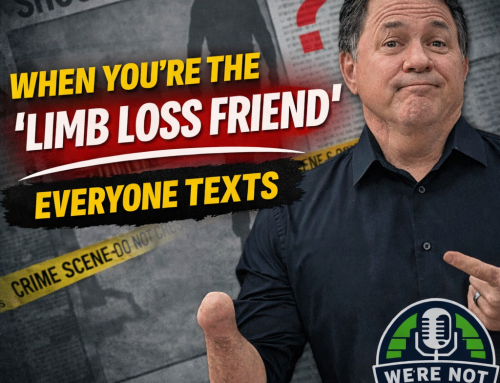
What do the new leadership changes at the Amputee Coalition mean for the limb loss community? In this episode of We’re Not Stumped, host Mike Bolland breaks down the latest updates, including the appointment of Dr. Carmen Elliott as President & CEO and the addition of new Board Members: Teri Kuffel Nicole Grehn, MSN, NP Dr. Cassandra Quave With backgrounds in healthcare, policy, research, and lived experience, this new leadership team brings a wide range of perspectives that could shape the future of care, advocacy, and support for people living with limb loss and limb difference.
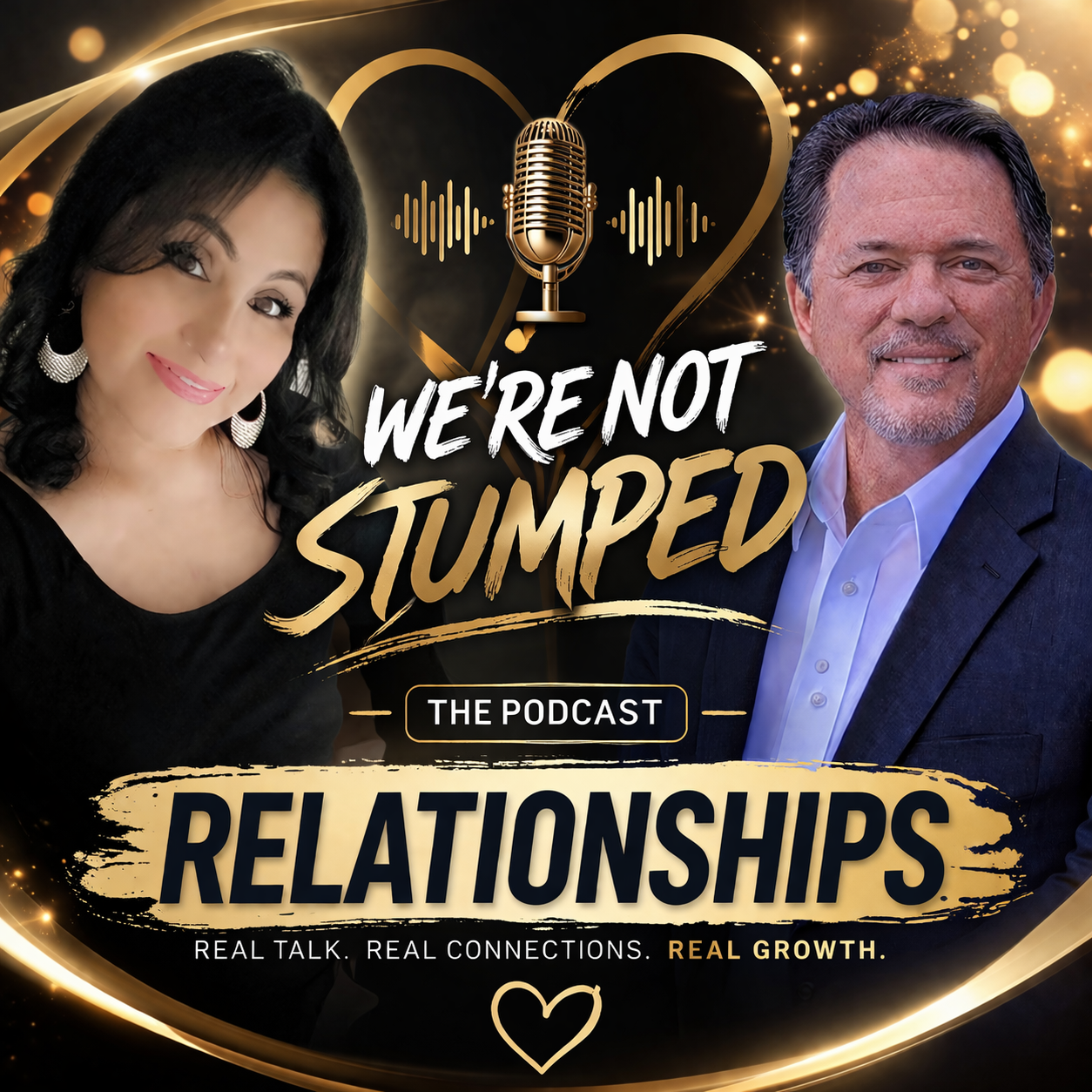
What is dating really like after limb loss? In this powerful episode of We’re Not Stumped, host Mike Bolland sits down with Neomi Flores to talk about relationships, confidence, and the realities of dating as an amputee. Neomi shares her deeply personal journey after losing her leg in 2022—including the emotional recovery, navigating self-confidence, and the challenges of putting herself back out there in the dating world.
What does real support look like in the limb loss community? In this solo episode of We’re Not Stumped, Mike Bolland shares the missions behind Joe & Marie’s Helping Hands and Enable Review—a platform where amputees share real experiences about prosthetists and clinics to help others make more informed decisions. Plus, Joe & Marie’s Helping Hands is currently seeking board members (Treasurer, Secretary, and Social Media Manager). If you’ve been looking for a way to give back, this could be your opportunity. Learn more about Joe & Marie’s Helping Hands: https://joeandmariehelpinghands.org/joe-and-maries-helping-hands-mission/ Explore Enable Review: https://enablereview.com/our-mission/
Leave A Comment