What does it really take to learn to walk again after an amputation?
In this episode of We’re Not Stumped, Mike Bolland welcomes physical therapist John Lottes, DPT, Clinical Supervisor at First Step Physical Therapy and an adjunct professor who specializes in prosthetic rehabilitation.
John shares how an unexpected career path led him to working with individuals with limb loss and explains why the biggest hurdle in recovery often isn’t physical—it’s confidence. Together, Mike and John discuss the importance of celebrating small victories, building trust with your rehabilitation team, and developing the mindset needed to regain independence.
They also explore:
- Why confidence is the foundation of successful rehabilitation
- The small wins that lead to life-changing progress
- Common frustrations people experience after amputation
- How physical therapists, prosthetists, physicians, and caregivers work together
- The patient story that shaped John’s career
- Why human connection will always matter, even as AI transforms healthcare
Whether you’re living with limb loss, supporting a loved one, or working in rehabilitation, this episode offers practical advice, encouragement, and a reminder that recovery is about far more than learning to use a prosthesis.
About Our Guest
John Lottes is a Doctor of Physical Therapy, Clinical Supervisor at First Step Physical Therapy (https://www.1ststeppt.com/), and an adjunct professor at Touro University (http://touro.edu) who teaches future physical therapists. He specializes in lower-limb prosthetic rehabilitation and has dedicated his career to helping people regain mobility, confidence, and independence after amputation.
Listen on Apple Podcasts
Watch on YouTube
Listen on Spotify
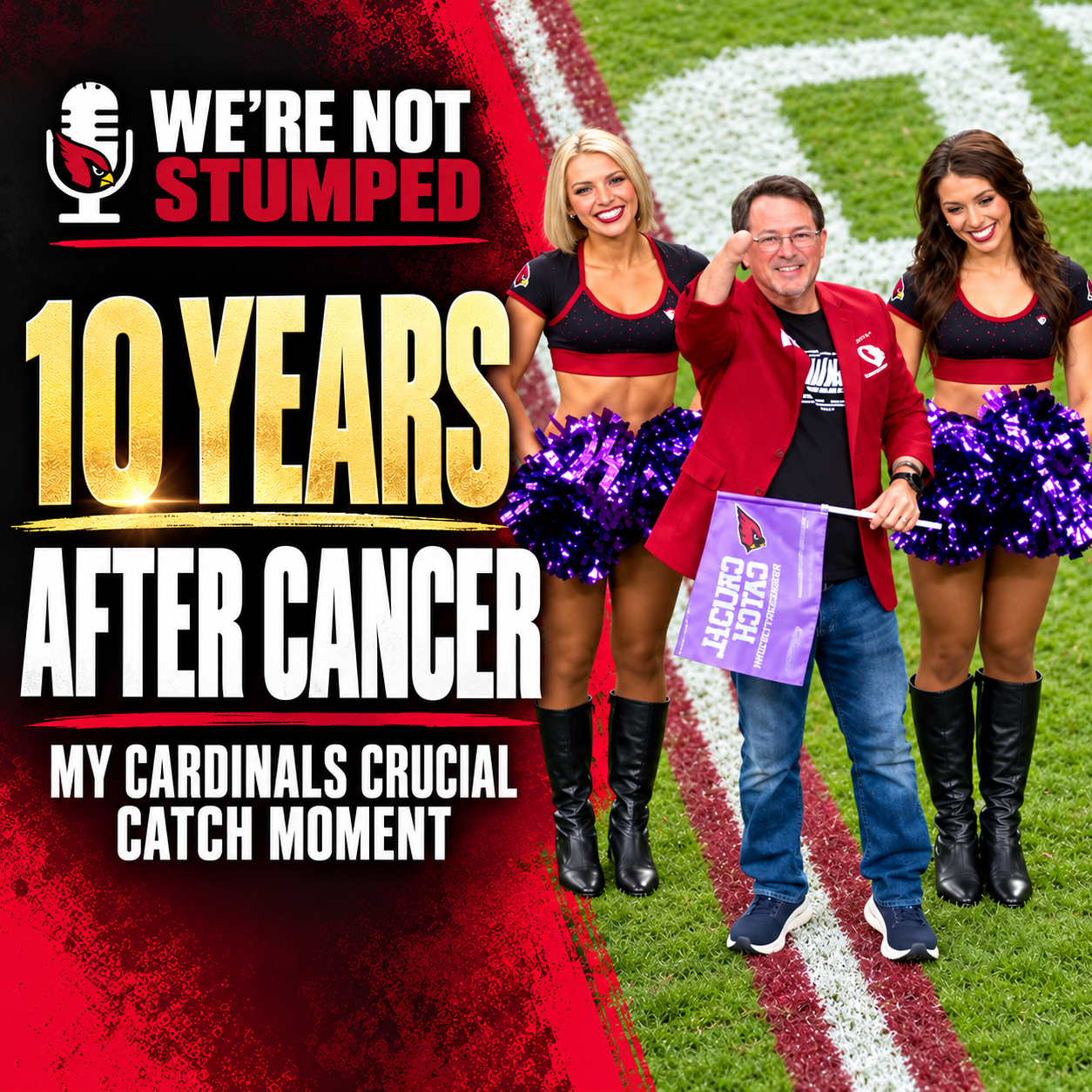
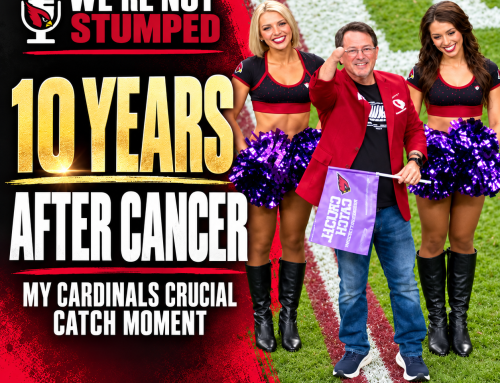
Ten years after cancer surgery, Mike Bolland found himself on the field at an Arizona Cardinals game, representing all cancers during the NFL’s Crucial Catch recognition. In this personal episode of We’re Not Stumped, Mike reflects on the journey from surgery and radiation to pursuing two goals: performing stand-up comedy and bowling on tour one more time. Those decisions helped lead to motivational speaking, a return to competition on the PBA60 Tour, and his message, “Take the Shot Anyway.” Mike also honors the podcast guests who have shared their own cancer journeys, including those who experienced limb loss, and the people whose support helped him through treatment and recovery.
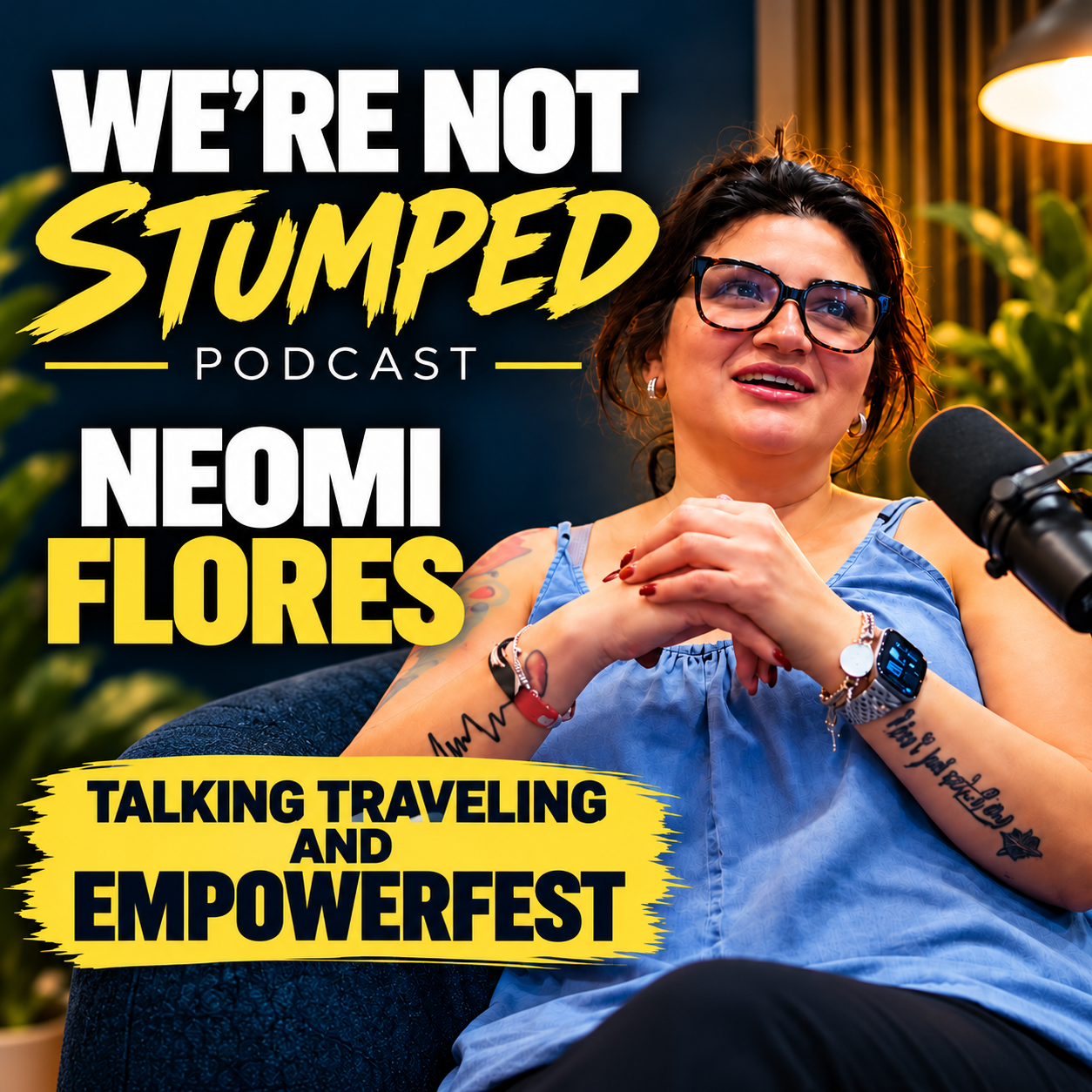
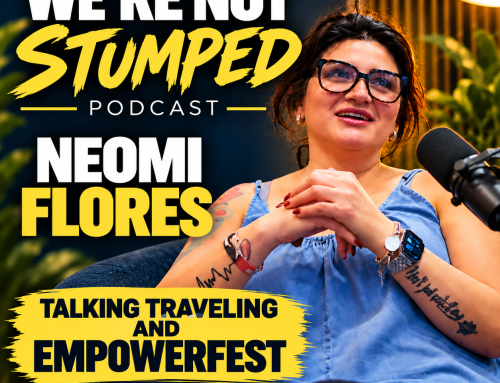
In this episode of We’re Not Stumped, Neomi Flores joins host Mike Bolland for an in-person conversation about traveling and EmpowerFest. Neomi is missing her left leg below the knee and brings her own perspective to the conversation. Neomi and Mike discuss experiences on the road and the connections made through events like EmpowerFest. Recorded together in person, this episode explores the value of meeting people and sharing experiences within the disability community. Have you attended EmpowerFest? What’s your favorite travel experience? We’d love to hear from you.
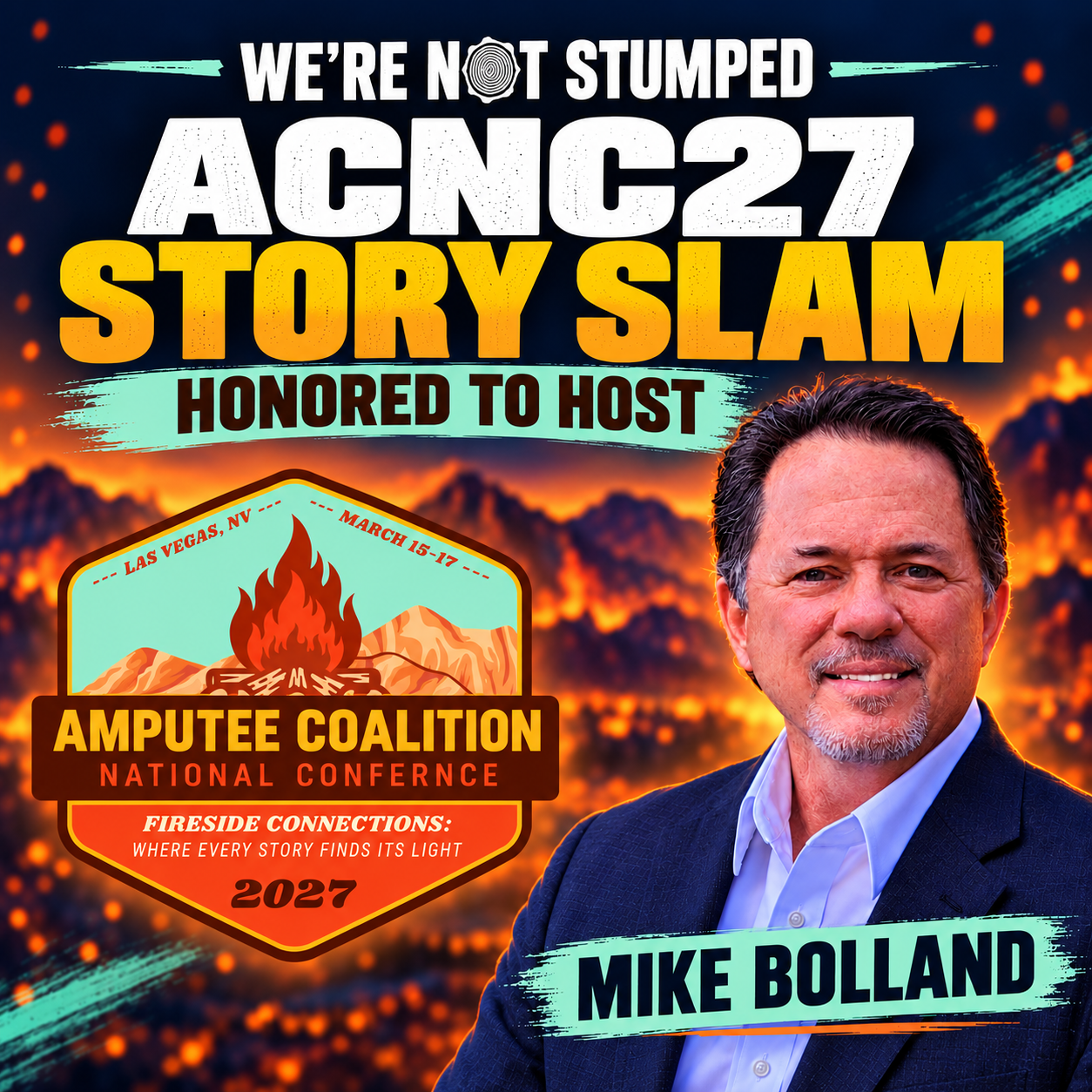
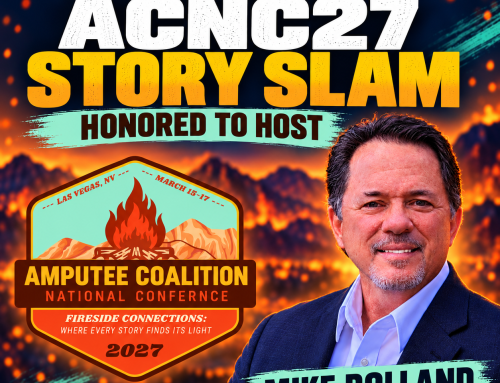
Everyone has a story worth sharing—and at the 2027 Amputee Coalition National Conference, those stories will take center stage. It’s an honor for We're Not Stumped host Mike Bolland to serve as host and help create a welcoming space for the community’s voices. “Story Slam: Where Every Story Finds Its Light” brings the community together for an evening of laughter, connection, and five-minute stories. Twenty storytellers will be selected at random to share a moment from their lives. There’s no competition, no judging, and no expectation that a story must be inspirational or about limb loss or limb difference. In this episode of We’re Not Stumped, Mike Bolland introduces the event and shares what attendees can look forward to.