What does it really take to learn to walk again after an amputation?
In this episode of We’re Not Stumped, Mike Bolland welcomes physical therapist John Lottes, DPT, Clinical Supervisor at First Step Physical Therapy and an adjunct professor who specializes in prosthetic rehabilitation.
John shares how an unexpected career path led him to working with individuals with limb loss and explains why the biggest hurdle in recovery often isn’t physical—it’s confidence. Together, Mike and John discuss the importance of celebrating small victories, building trust with your rehabilitation team, and developing the mindset needed to regain independence.
They also explore:
- Why confidence is the foundation of successful rehabilitation
- The small wins that lead to life-changing progress
- Common frustrations people experience after amputation
- How physical therapists, prosthetists, physicians, and caregivers work together
- The patient story that shaped John’s career
- Why human connection will always matter, even as AI transforms healthcare
Whether you’re living with limb loss, supporting a loved one, or working in rehabilitation, this episode offers practical advice, encouragement, and a reminder that recovery is about far more than learning to use a prosthesis.
About Our Guest
John Lottes is a Doctor of Physical Therapy, Clinical Supervisor at First Step Physical Therapy (https://www.1ststeppt.com/), and an adjunct professor at Touro University (http://touro.edu) who teaches future physical therapists. He specializes in lower-limb prosthetic rehabilitation and has dedicated his career to helping people regain mobility, confidence, and independence after amputation.
Listen on Apple Podcasts
Watch on YouTube
Listen on Spotify
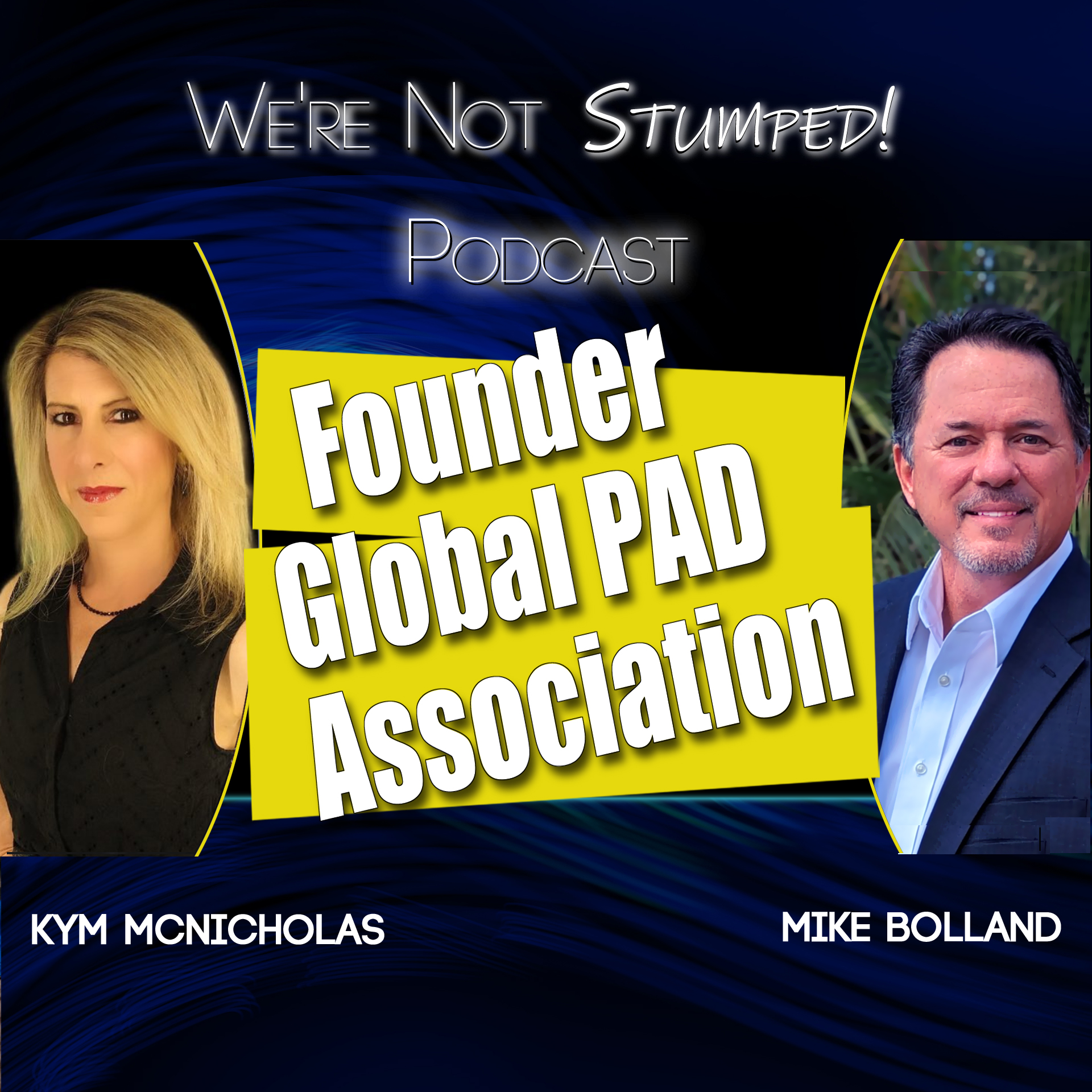
Peripheral Artery Disease (PAD) affects millions worldwide — yet most people don’t recognize the warning signs until it’s too late. In this powerful episode of We’re Not Stumped, host Mike Bolland welcomes Emmy Award-winning journalist and Global PAD Association co-founder Kym McNicholas to explain what PAD is, how it causes poor circulation, and why early detection is critical in preventing amputation. Kym shares her inspiring journey from covering a medical story to becoming one of the leading advocates for PAD awareness and patient empowerment. She sheds light on how education, proper diagnosis, and access to the right care can literally save limbs — and lives.
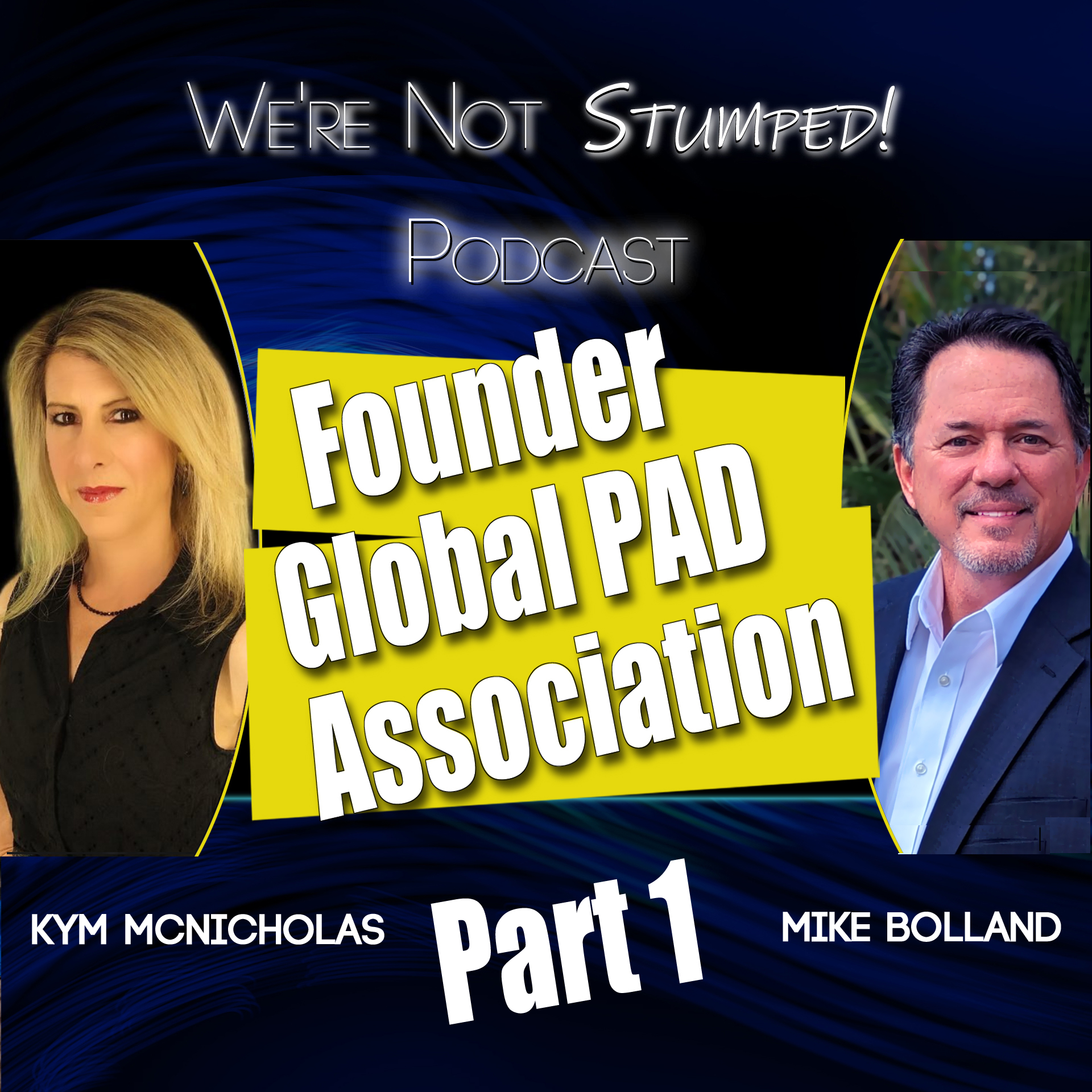
In Part 1 of this special episode, host Mike Bolland sits down with Emmy Award–winning journalist and Global PAD Association founder Kym McNicholas for an impromptu, post-interview discussion that turned into an insightful recording. What started as a quick chat evolved into a powerful conversation about Peripheral Artery Disease (PAD), early detection, and Kym’s mission to raise global awareness and prevent unnecessary amputations.
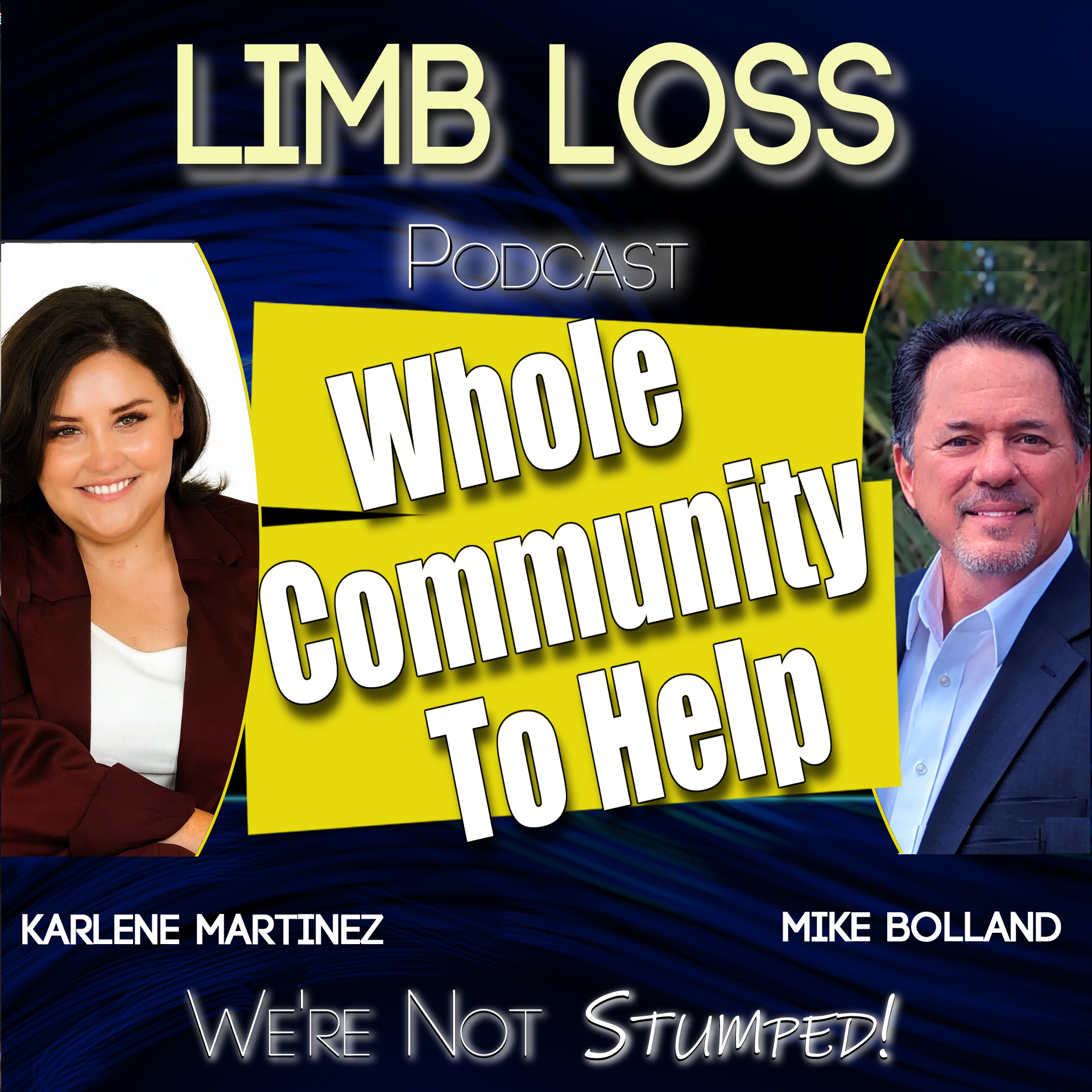
After a life-threatening illness led to multiple amputations, Karlene Martinez refused to give up. In this powerful episode of We’re Not Stumped, host Mike Bolland talks with Karlene about her incredible path from septic shock and paralysis to recovery, faith, and advocacy. Karlene opens up about: 💪 Her battle with sepsis, Guillain-Barre syndrome, and months of rehabilitation 🦿 Adjusting to life with prosthetics and finding the right fit ❤️ Overcoming anxiety and depression through faith and gratitude 🌟 Empower Fest, Ability360, and finding inspiration in the adaptive community 👣 The importance of peer support through groups like Encompass Health and community ambassadors Karlene’s story is one of resilience, faith, and limitless determination—a reminder that even after life-changing loss, there’s always a way forward.