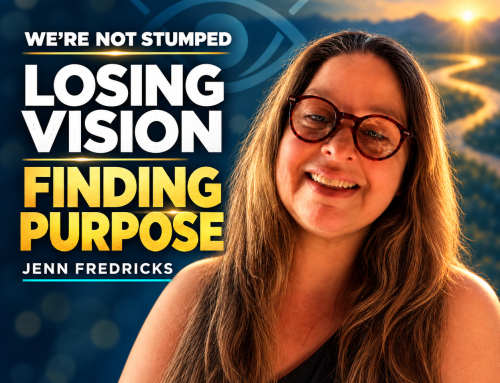
What does it really take to learn to walk again after an amputation?
In this episode of We’re Not Stumped, Mike Bolland welcomes physical therapist John Lottes, DPT, Clinical Supervisor at First Step Physical Therapy and an adjunct professor who specializes in prosthetic rehabilitation.
John shares how an unexpected career path led him to working with individuals with limb loss and explains why the biggest hurdle in recovery often isn’t physical—it’s confidence. Together, Mike and John discuss the importance of celebrating small victories, building trust with your rehabilitation team, and developing the mindset needed to regain independence.
They also explore:
- Why confidence is the foundation of successful rehabilitation
- The small wins that lead to life-changing progress
- Common frustrations people experience after amputation
- How physical therapists, prosthetists, physicians, and caregivers work together
- The patient story that shaped John’s career
- Why human connection will always matter, even as AI transforms healthcare
Whether you’re living with limb loss, supporting a loved one, or working in rehabilitation, this episode offers practical advice, encouragement, and a reminder that recovery is about far more than learning to use a prosthesis.
About Our Guest
John Lottes is a Doctor of Physical Therapy, Clinical Supervisor at First Step Physical Therapy (https://www.1ststeppt.com/), and an adjunct professor at Touro University (http://touro.edu) who teaches future physical therapists. He specializes in lower-limb prosthetic rehabilitation and has dedicated his career to helping people regain mobility, confidence, and independence after amputation.
Listen on Apple Podcasts
Watch on YouTube
Listen on Spotify
Mike Bolland highlights two powerful topics of resilience, and community. Topic 1 – A Call for Coaches ArizonAbility is launching a basketball clinic for adults with disabilities, and they’re looking for a passionate coach to lead the way. This isn’t just about basketball—it’s about confidence, teamwork, and creating a space where every player can thrive. Mike explains what this opportunity means for the community and how one coach can make a life-changing impact. Topic 2 – Inspiration from Legapalooza Mike also shares the inspiring story of Legapalooza (https://legapalooza.com/), founded by Tommy Donahue after a life-changing accident. What started as a small charity event has grown into a movement of resilience, connection, and giving back. Tommy’s journey reminds us that when we come together, we can turn challenges into opportunities for hope and empowerment.
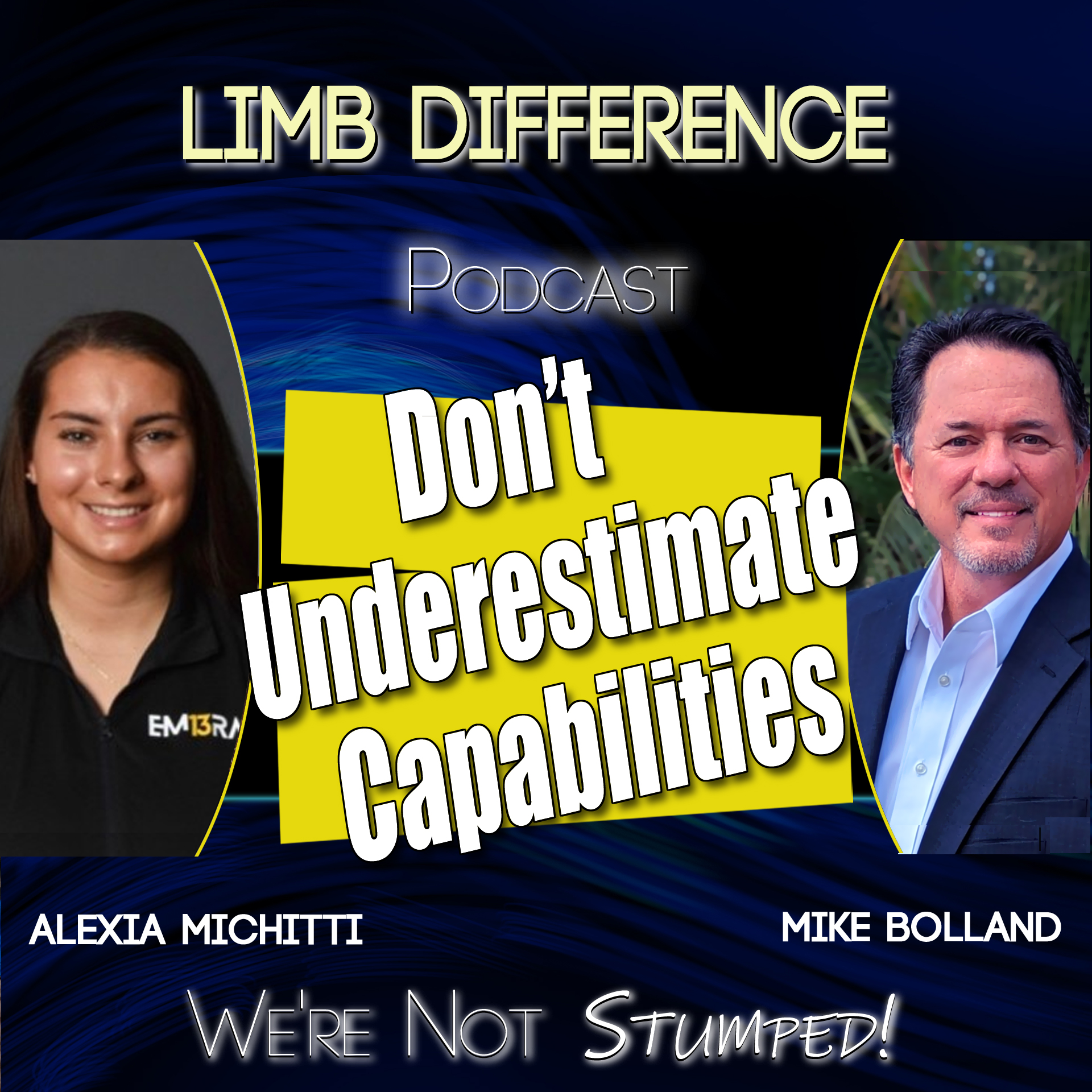
Host Mike Bolland sits down with Alexia Michitti—a public speaker, athlete, and entrepreneur born without a right hand. Together, they reflect on their shared experiences of limb difference and Alexia’s powerful journey of resilience, determination, and innovation. Alexia shares how she’s breaking barriers in sports and beyond—from representing the U.S. in the first Women’s Amputee Soccer World Cup, to filing a patent for adaptive clothing through her brand Em13race (https://em13race.com/), to finding her voice as a motivational speaker. She opens up about life without a prosthetic, her role models, and her passion for inspiring children with limb differences to embrace their uniqueness.
In this episode of We’re Not Stumped, host Mike Bolland reviews EmpowerFest 2025, celebrating the limb loss and limb difference community with inspiring speakers, adaptive activities, and unforgettable moments. Mike also shares a story about a comedian who made a tasteless joke about the limb loss community — and how he got the comedian to remove the post. Tune in for insights, laughs, and a look at what makes the limb loss community so resilient and inspiring!